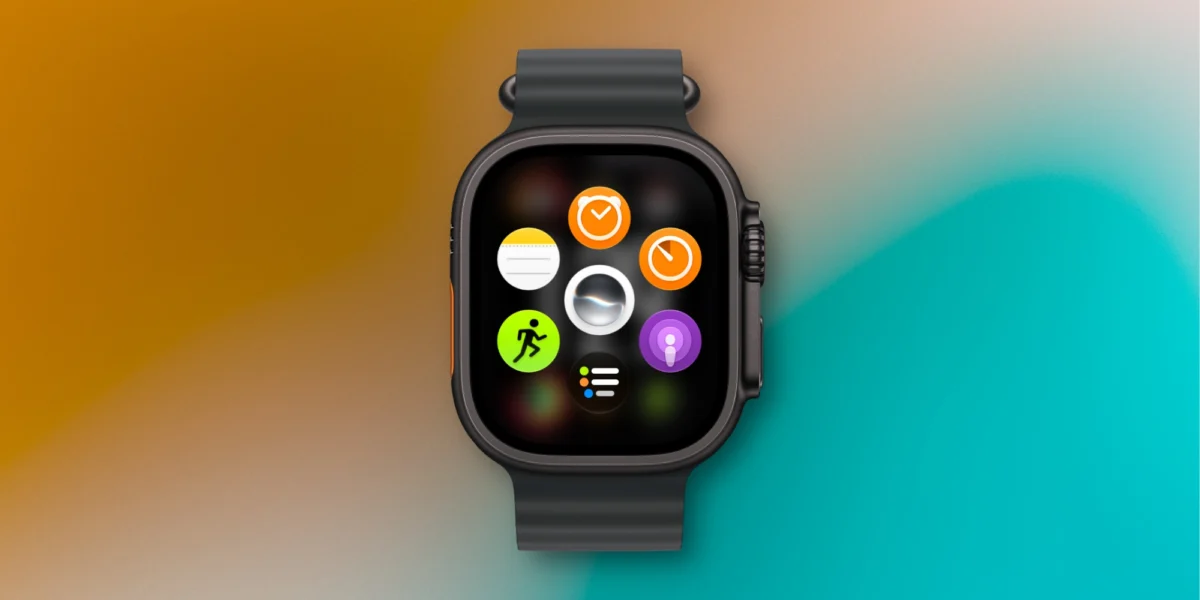
The release of watchOS 27 marks a significant evolution in the Apple Watch ecosystem, emphasizing deeper integration across Apple’s hardware lineup and more sophisticated health-tracking metrics. As the latest major software iteration for the world’s most popular wearable, watchOS 27 moves beyond iterative updates to introduce three core applications—Siri, Find My, and Readiness—that fundamentally change how users interact with their devices. These additions reflect a broader strategic shift within Apple to leverage advanced on-device artificial intelligence and unified software architecture, ensuring that the watch acts as a more autonomous and intelligent companion to the iPhone, Mac, and Apple Vision Pro.

Chronology of the watchOS 27 Development Cycle
The development of watchOS 27 followed a rigorous timeline consistent with Apple’s annual software release cadence. The journey began with initial internal testing phases in early 2026, leading to the first developer beta release in early June 2026. This period allowed developers to adapt their applications to the new, more conversational AI framework governing Siri. By mid-summer, public betas provided a wider user base the opportunity to test the streamlined Find My interface, while late-summer hardware announcements for the Apple Watch Series 12 and Ultra 4 solidified the launch of the exclusive Readiness feature. The final release, arriving in the fourth quarter of 2026, solidified the transition of the Apple Watch from a peripheral device into a central hub for personal intelligence and physical recovery monitoring.
The New Siri: A Paradigm Shift in Conversational AI
The most prominent feature in the watchOS 27 suite is the overhauled Siri application. Historically, Siri on the Apple Watch was a reactive, task-based assistant limited to specific commands like setting timers or initiating workouts. In watchOS 27, Siri undergoes a radical transformation into a persistent, conversational AI.
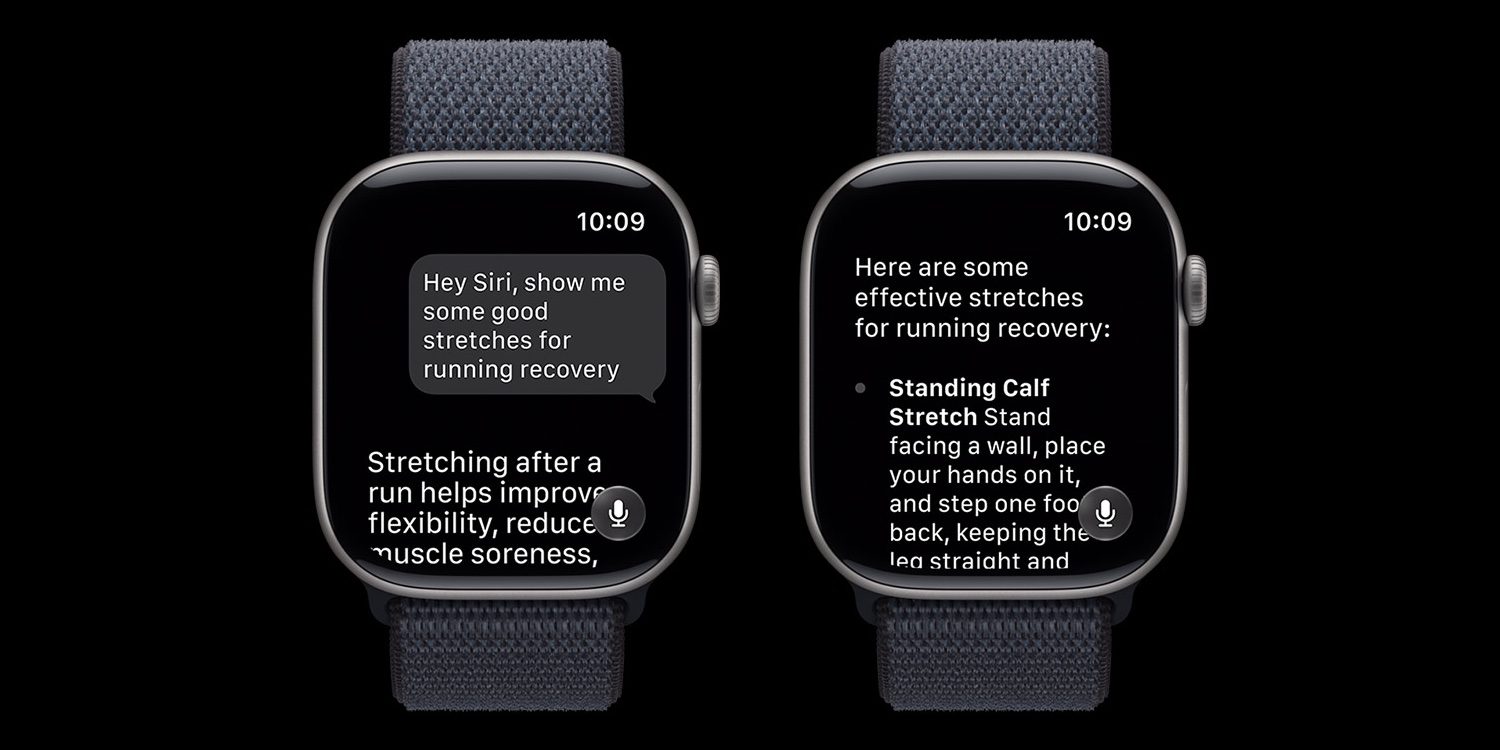
The introduction of a dedicated Siri app on the wrist is not merely a cosmetic change; it serves as a central repository for cross-device context. By maintaining a continuous log of interactions, the new Siri allows users to transition seamlessly between an iPhone, an Apple Vision Pro headset, and the watch without losing the thread of a conversation. From a technical standpoint, this is enabled by a more robust machine learning model that prioritizes state-awareness. Users can now consult their watch to review complex queries initiated earlier on a Mac, effectively breaking down the silos that previously constrained the Apple ecosystem. While the Digital Crown remains a primary physical input for invocation, the dedicated application interface provides a visual history, making it significantly easier for users to manage multi-step tasks or complex inquiries on a small display.
Unifying the Ecosystem: The New Find My App
The refinement of the Find My utility in watchOS 27 represents a move toward simplification and improved user efficiency. In previous versions, such as watchOS 26, the finding experience was fragmented across three distinct applications: Find Devices, Find Items, and Find People. While functional, this fragmentation forced users to navigate multiple menus to locate different categories of assets.
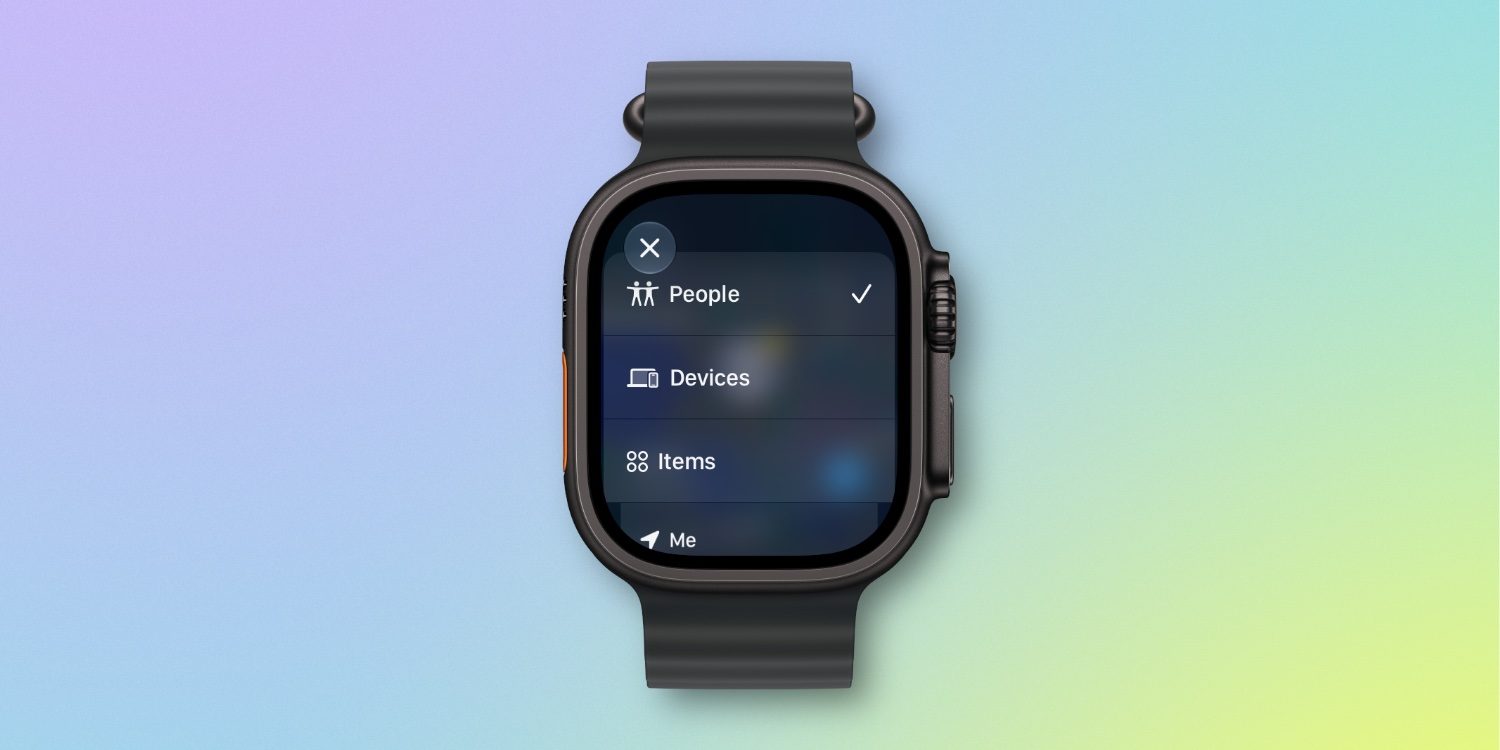
Apple’s decision to consolidate these into a single, unified Find My app reflects an understanding of the "map-centric" behavior of modern users. By integrating these services, Apple has reduced the number of taps required to reach the desired information. The new interface utilizes a top-left corner menu to toggle between individuals, hardware devices, and tagged personal items, all within a singular, coherent spatial map. Data-wise, this change aligns with the broader iOS 27 infrastructure, ensuring that location-sharing privacy settings and search accuracy remain consistent across all platforms. This unification is particularly critical for the Apple Watch, where screen real estate is limited and user interaction speed is paramount.
Readiness: Data-Driven Recovery and Performance
Perhaps the most significant addition for power users and athletes is the Readiness app, which is exclusive to the Apple Watch Series 12 and Apple Watch Ultra 4. This application represents the culmination of years of sensor data research, focusing on the synthesis of physiological metrics into actionable insights.
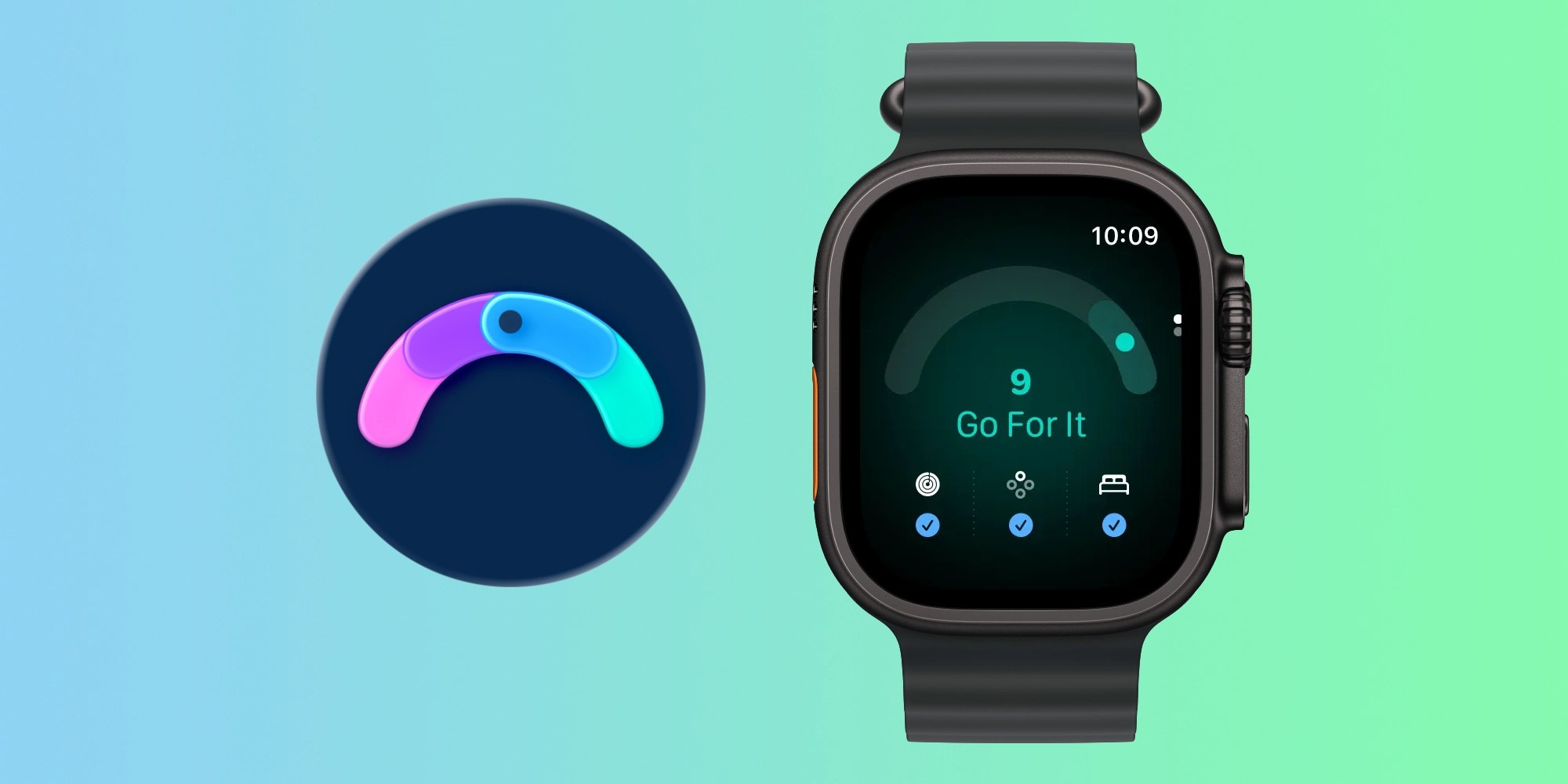
The Readiness app functions by aggregating three primary pillars of health: recent physical activity, vitals (such as heart rate variability and blood oxygen saturation), and sleep quality. Unlike legacy fitness apps that prioritize raw output, Readiness assigns a score—or a capacity metric—that informs the user about their physiological "battery" for the day. This shift toward recovery-focused metrics is a direct response to the growing market demand for wellness-centric wearables that prioritize injury prevention and burnout avoidance over mere calorie counting.
Industry analysts have noted that the Readiness app relies heavily on the upgraded sensors present in the Series 12 and Ultra 4 models, which offer higher-frequency sampling of vitals during sleep. By providing a clear, numeric indicator of bodily recovery, the app allows users to adjust their training intensity or daily schedule based on actual biological data rather than subjective feelings of fatigue.

Broader Impact and Industry Implications
The introduction of these three apps highlights a critical trend in the wearable technology market: the move toward "proactive health" and "ecosystem fluidity." By integrating AI, unified utility, and recovery intelligence, Apple is reinforcing the value proposition of the Apple Watch as an essential tool rather than an optional accessory.
From a market perspective, the exclusivity of the Readiness app to the latest hardware serves as a powerful incentive for existing users to upgrade. It is a calculated strategy that links software innovation with hardware capability, ensuring that the company maintains its high attach rate of services to hardware. Furthermore, the reliance on a unified Siri interface suggests that Apple is positioning its AI efforts as a cohesive service layer that functions independently of the device being used.

The implications for developers are also profound. With the new Siri app facilitating deeper conversational context, third-party developers are expected to integrate their services into the Siri toolkit, potentially allowing for more complex voice-driven automation on the watch. As the platform matures, the ability for the watch to act as a primary node for Siri interaction will likely diminish the need for users to reach for their iPhones for routine tasks.
Conclusion
watchOS 27 is a significant milestone that harmonizes user utility with advanced computational capabilities. By refining the Siri interface to be truly conversational, unifying the Find My experience for better accessibility, and introducing the Readiness metric to cater to health-conscious users, Apple has successfully increased the utility of the wrist-worn device. These updates suggest a future where the Apple Watch is not just a secondary screen, but a primary, intelligent entity capable of anticipating user needs through the analysis of both physical vitals and digital interaction history. As the wearable market continues to grow, the ability to synthesize these disparate data points into a coherent, simple, and high-performance user experience will likely remain the competitive benchmark for the industry.