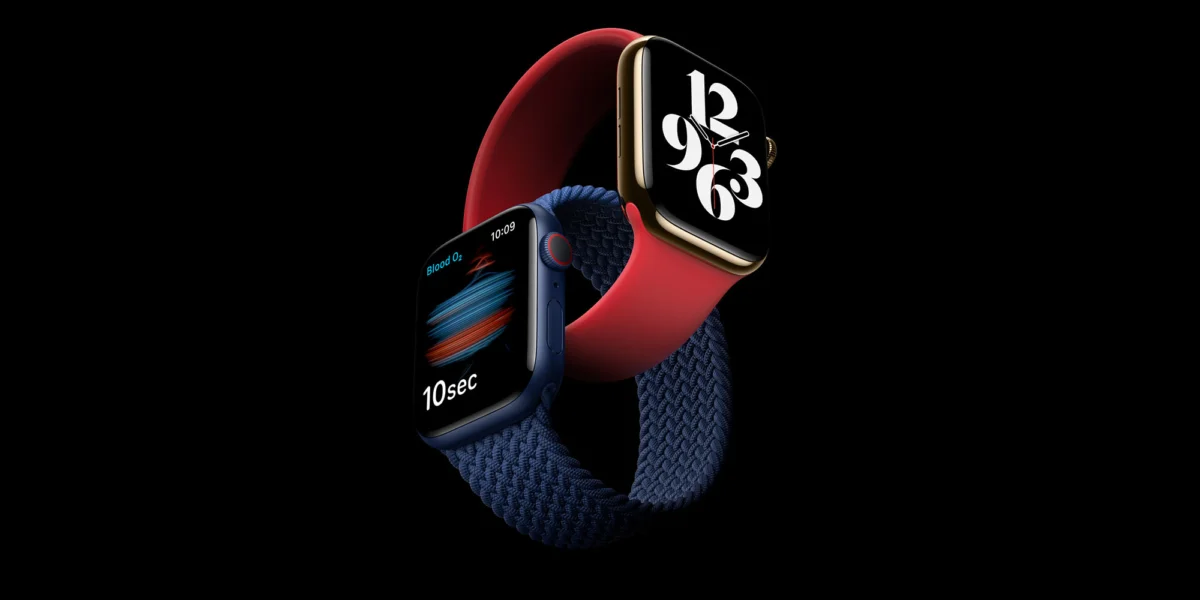
The ongoing legal confrontation between consumer electronics giant Apple Inc. and medical technology firm Masimo Corporation has reached a new financial milestone, with a federal court ordering Apple to pay an additional $184 million in interest. This latest ruling follows a previous landmark judgment that found Apple liable for infringing on Masimo’s patented technology related to low-power pulse oximetry. The total financial burden resulting from the patent dispute continues to climb, casting a long shadow over the profitability of Apple’s wearable health segment.
The Latest Judicial Ruling
U.S. District Judge James V. Selna presided over the recent proceedings, which focused on the calculation of interest owed on a substantial $634 million damage award previously granted to Masimo. Apple had argued against the imposition of additional interest, suggesting that such a payout would constitute an unjustified "windfall" for the medical technology company. However, Judge Selna dismissed this defense, citing established U.S. Supreme Court precedents. The court maintained that interest accrued from the time royalty payments were originally due is essential to making the patent holder whole.
While Masimo had initially requested an interest rate of 7%, Judge Selna opted for a more conservative approach, ruling that the rate should reflect the cost of Masimo’s own borrowing. Despite this lower rate, the effects of annual compounding resulted in an additional $184 million liability for Apple, bringing the total sum of the damages and interest to over $800 million. This decision reinforces the legal principle that patent infringement damages are intended to serve as a retroactive licensing fee, placing the infringer in the position they would have occupied had they originally negotiated a fair deal.
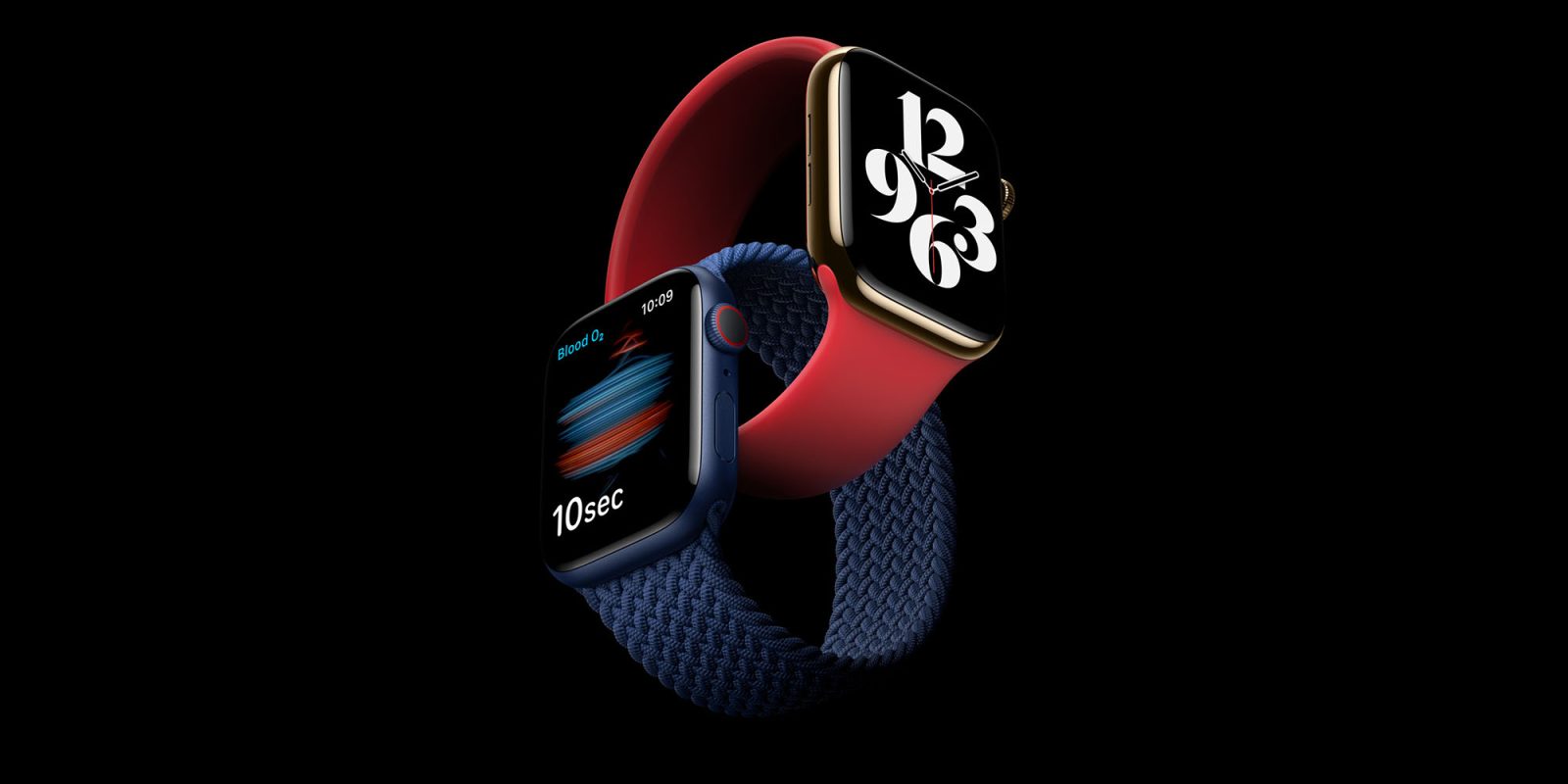
A Chronology of the Masimo vs. Apple Dispute
The origins of this conflict date back several years, rooted in Apple’s ambition to transform the Apple Watch from a notification device into a comprehensive medical monitoring tool.
- Early 2020: Masimo Corporation filed its initial lawsuit against Apple, alleging that the Cupertino company had stolen trade secrets and infringed on multiple patents related to light-based pulse oximetry technology.
- December 2023: The International Trade Commission (ITC) issued a sweeping ruling that found Apple in violation of Masimo’s patents. This led to a brief but significant ban on the sale of Apple Watch Series 9 and Apple Watch Ultra 2 models in the United States, forcing Apple to temporarily remove the blood oxygen monitoring feature from its retail units.
- 2024: Apple engaged in a massive engineering effort to redesign the software and sensor algorithms of the blood oxygen feature. By mid-year, the company was able to reintroduce the functionality in the U.S. market, arguing that the new version did not utilize the specific patented methods identified in the Masimo suit.
- Late 2025/Early 2026: The courts finalized the $634 million damage award, stemming from the finding that Apple had improperly integrated Masimo’s power-efficient pulse oximetry designs into its wearable ecosystem.
- October 2026: The court ordered the additional $184 million in interest, marking the latest chapter in this protracted legal saga.
Technical Context: The Pulse Oximetry Patent
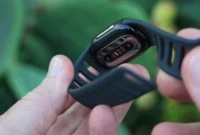
At the heart of the dispute is the mechanism by which the Apple Watch measures blood oxygen saturation (SpO2). Pulse oximetry traditionally requires significant energy to shine red and infrared light through the skin to measure light absorption. Masimo, a company specialized in non-invasive patient monitoring, developed proprietary, highly efficient methods for these measurements.
The core of the infringement finding centered on how the Apple Watch’s sensors perform these measurements while maintaining the long battery life necessary for a consumer-grade wearable. Masimo successfully argued that Apple did not innovate these specific power-saving techniques independently but rather misappropriated the technology after meetings between the two companies years prior. For the courts, the focus was not merely on whether the watch could measure blood oxygen, but on the specific engineering pathway utilized to do so efficiently.
Implications for the Wearables Industry
The financial impact on Apple, while significant, is mitigated by the company’s massive cash reserves and the high volume of Apple Watch sales. However, the broader implications for the technology sector are profound. The ruling serves as a stark reminder of the risks involved in "feature creep," where consumer electronics manufacturers rapidly integrate health-tracking capabilities that may overlap with existing, heavily patented medical technologies.

Legal analysts suggest that this case may force companies like Apple to be more cautious regarding intellectual property when developing new health-monitoring sensors. The move toward "licensing or innovating" has become more urgent; the alternative—losing a patent battle—carries not only the risk of substantial monetary damages but also the logistical nightmare of having to pull products from shelves or implement software "crippling" to satisfy regulators.
Furthermore, this case underscores the increasing overlap between the Silicon Valley software world and the highly regulated, patent-heavy medical device industry. As Apple, Google, and Samsung continue to push deeper into clinical-grade health monitoring, the number of potential patent conflicts is likely to rise.
Official Responses and Market Reaction
Neither Apple nor Masimo has issued detailed public statements regarding the specific $184 million interest order. Apple has historically maintained that it respects the intellectual property rights of others and that it designs its products through independent research and development. In previous filings, Apple representatives have signaled an intent to appeal various aspects of the litigation, suggesting that the company may still seek to challenge the underlying damage calculations in higher courts.
Masimo, meanwhile, has leveraged these legal victories to solidify its reputation as a leader in sensor technology. For Masimo, the legal battle has been a matter of existential importance, protecting the value of its R&D investments from being absorbed by a much larger competitor.

Economic Fact Sheet: The Cost of Innovation
The $800 million-plus total liability represents one of the more significant patent judgments in recent history regarding consumer wearables. To put the figures in perspective:
- The Initial Verdict: $634 million was awarded based on the estimated royalty fees Apple should have paid to license the technology.
- The Interest Penalty: The $184 million interest charge is a direct result of the time-value of money, calculated from the moment of infringement to the present day.
- Market Share: Despite the legal hurdles and the temporary removal of the blood oxygen feature, the Apple Watch remains the dominant player in the global smartwatch market, holding a significant portion of the total industry revenue.
- Operational Cost: While the $818 million total is a fraction of Apple’s quarterly revenue, it represents a significant "cost of doing business" that may influence future R&D budgets and patent acquisition strategies.
Future Outlook
As the case moves toward potential appellate review, the industry will be watching to see if the courts maintain the current trajectory or if Apple can successfully challenge the scope of the original damages. The legal battle has effectively created a precedent where the cost of infringing on medical technology patents is not just the price of a license, but the cost of the litigation, the potential loss of product availability, and a compounding interest penalty that makes the final price tag far more expensive than a standard licensing agreement would have been.
For consumers, the most immediate consequence of this legal war has been the temporary disruption of features and the potential for a more cautious rollout of future health-tracking capabilities. As Apple continues to innovate, it will likely lean more heavily on internal patent filings and potentially more aggressive licensing deals to avoid future courtroom confrontations of this magnitude. For now, the "Masimo v. Apple" case remains a defining study in the high-stakes intersection of consumer tech and medical innovation.