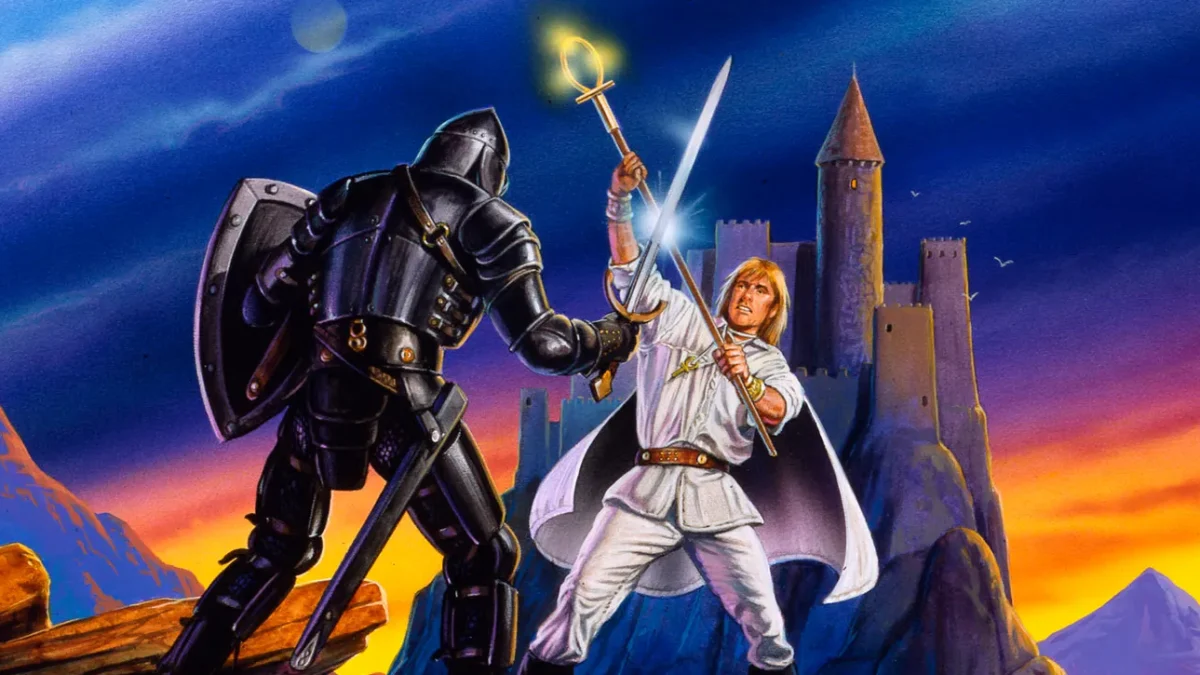
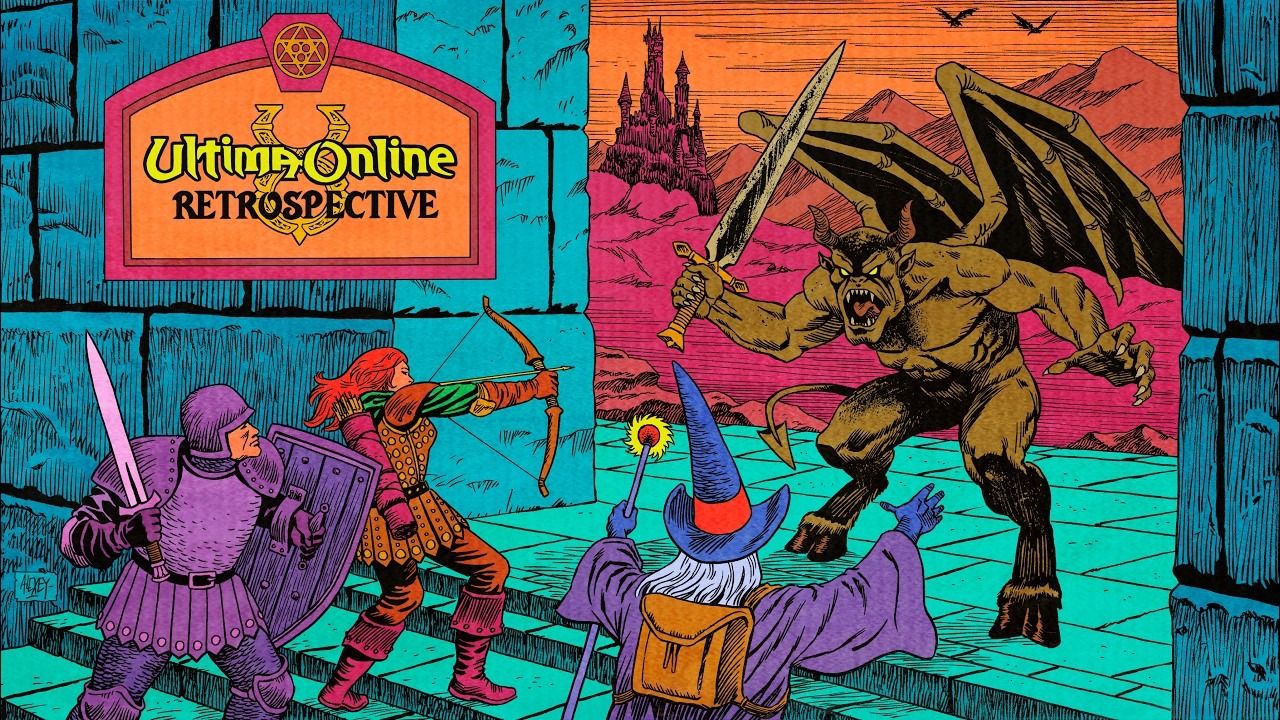
The release of the latest chapter, a four-and-a-half-hour exploration of the groundbreaking MMORPG Ultima Online, serves as a testament to the enduring legacy of Richard Garriott’s creation. Following six months of intensive research and production, this installment provides a comprehensive analysis of the title that effectively pioneered the modern massively multiplayer online genre. For historians of interactive media, the project represents more than mere fan appreciation; it is a meticulously documented archival effort that traces the evolution of online social dynamics, game design philosophy, and the industry’s transition into the digital age.
A Genesis of Virtual Worlds
To understand the significance of Ultima Online, one must examine the state of the gaming industry in the mid-1990s. Before its launch in 1997, the concept of a persistent, graphical world inhabited by thousands of concurrent players was largely experimental. Richard Garriott, the visionary behind the Ultima series, aimed to translate the complex moral and mechanical depth of single-player RPGs into a shared environment.
Under the development of Origin Systems and with the influence of key designers such as Starr Long and Raph Koster—a foundational figure in the study of MUDs (Multi-User Dungeons)—Ultima Online introduced concepts that are now industry standard. These included player-driven economies, housing, intricate crafting systems, and a reputation-based morality system. The game’s development was characterized by a push-and-pull between the technical limitations of 1990s networking infrastructure and the ambitious desire to create a "living, breathing" world.
The Chronology of an Industry Icon
The history of Ultima Online is a study in iteration and adaptation. The timeline of its development and subsequent influence can be categorized into several distinct phases:
- 1995-1996: The Conceptual Phase: Origin Systems announces the project, promising a world without boundaries. The initial alpha testing sessions provided the first glimpse into the volatility of emergent gameplay.
- September 1997: Commercial Launch: The game officially goes live, marking the first commercially successful graphical MMORPG. The servers were instantly overwhelmed, highlighting the massive, untapped demand for social gaming.
- 1998-2000: The Era of Emergent Chaos: This period saw the rise and fall of player-led factions, the infamous "PK" (Player Killer) epidemic, and the subsequent implementation of the Trammel/Felucca shard split, which separated the game into safe and dangerous zones.
- 2000-2010: Expansion and Maturation: With the release of The Second Age and subsequent expansions, the game solidified its mechanics, though it faced stiff competition from newer, more accessible titles like EverQuest and World of Warcraft.
- 2010-Present: The Legacy Era: Ultima Online continues to operate, maintained by a dedicated community and developers who treat the game as a living relic of digital heritage.
The Archive: Majuular’s Methodology
The retrospective series by Majuular is distinguished by its scholarly approach to the source material. Rather than providing a superficial overview, the creator engages in "dirty work"—physically playing through the titles, analyzing internal game code, and contextualizing the lore within the broader history of the Ultima mythos.
His work highlights the human element of game development. By interviewing or referencing the accounts of those who built the systems—from the designers who struggled with server stability to the players who defined the community norms—the documentaries offer a human-centric history. The transition of the Ultima series from a narrative-heavy single-player experience to a communal, social space in Ultima Online is analyzed not just as a business pivot, but as a cultural shift in how human beings interact with computer-mediated environments.
Data and Impact Analysis
The impact of Ultima Online on the gaming landscape cannot be overstated. By providing a platform for social interaction, it became one of the first digital "third places." Research conducted by academics, such as Edward Castronova, has frequently cited Ultima Online as a primary case study for virtual economies.
- Economic Influence: The game’s in-game currency, the gold piece, was one of the first to be traded on secondary markets for real-world currency, sparking early debates about the legality and ethics of virtual assets.
- Social Engineering: The game’s systems, such as the ability to be a merchant, a thief, or a guardian, created a self-policing community that relied on reputation rather than just game-coded mechanics. This influenced the design of almost every social-based multiplayer game that followed, including EVE Online and Minecraft.
- Player Retention: Despite being over 27 years old, the game maintains a loyal, albeit niche, population. The existence of private servers, such as In Mani Ylem, which attempts to replicate the specific balance and "feel" of the late 1990s experience, proves that the game’s design remains relevant to modern audiences who value simulation over guided gameplay.
Official Responses and Community Reception
While official publishers have often remained quiet on fan-made retrospectives, the community response to Majuular’s project has been overwhelmingly positive. The series has served as a bridge between the "old guard" of the 1990s gaming scene and a younger generation of players interested in the roots of their hobby.
Industry veterans, including those who worked on the original Origin Systems teams, have periodically expressed gratitude for the documentation of their work. In an era where digital content is often transient and subject to server shutdowns, the act of archiving the development history and community memories is viewed as a vital service to the preservation of interactive media.
Broader Implications for Digital History
The success of such long-form, analytical content on platforms like YouTube indicates a growing trend: the maturation of gaming journalism. Players are no longer content with simple reviews or news updates; there is a significant appetite for investigative histories that treat games as serious cultural artifacts.
The Ultima Online retrospective underscores the danger of digital obsolescence. Without these long-form documentaries and the preservation efforts of the fan-server community, the nuanced lessons learned during the development of Ultima Online—the mistakes made, the design philosophies that failed, and the breakthroughs that changed the world—could have been lost to the ephemeral nature of the internet.
As Majuular nears the end of his multi-year series, the final product will likely serve as the definitive account of the Ultima franchise. For the gaming industry, this serves as a reminder that the most influential titles are rarely just software; they are complex social frameworks that continue to shape human interaction long after their graphics have become dated.
Whether one is a veteran of the original shards or a newcomer interested in the foundations of the RPG genre, the retrospective offers an essential roadmap through the history of virtual worlds. By cataloging the rise of the digital frontier, the project ensures that the lessons of the past remain accessible, providing a blueprint for the architects of the future. The "last hurrah" is, in effect, a new beginning for the academic and historical study of the medium.