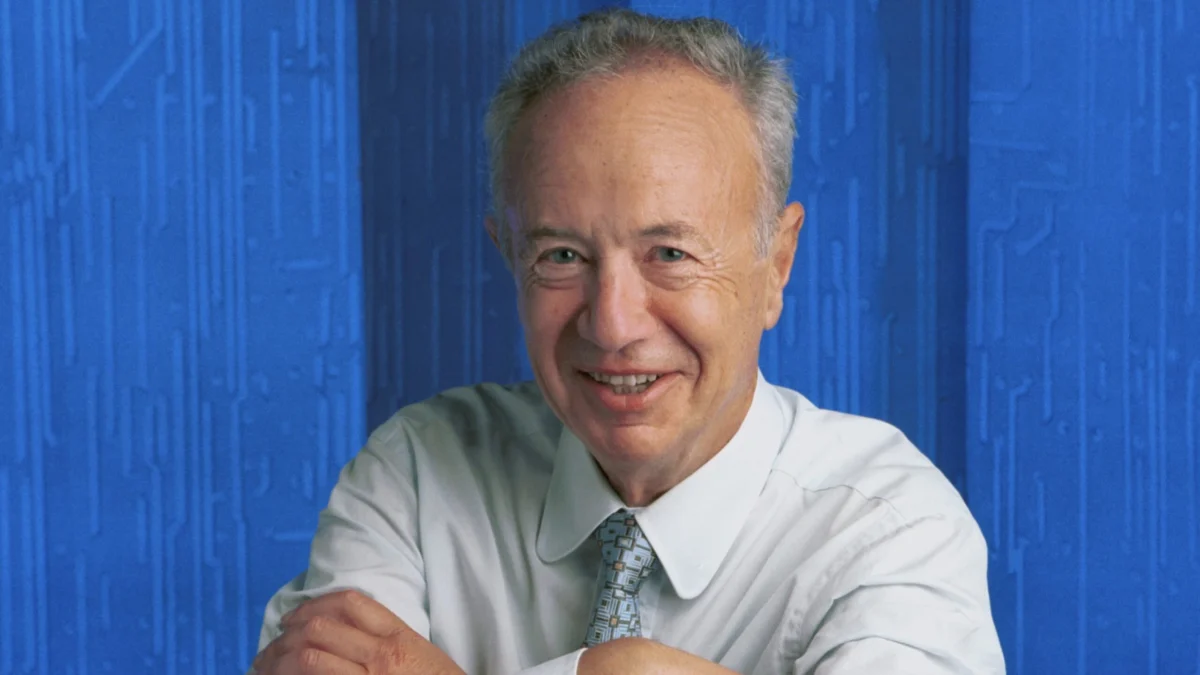
Intel, a name synonymous with computing for generations, stands as a colossus in the global technology landscape, its silicon architecture underpinning countless devices worldwide. At the heart of the company’s foundational success and its ongoing battles for dominance lies a profound management philosophy espoused by its former CEO, Andy Grove. Grove, a pivotal figure from Intel’s inception and its leader from 1987 to 1998, famously articulated his strategic outlook in the seminal management book, ‘Only the Paranoid Survive.’ This work, penned during the latter years of his CEO tenure, posited that a constant, almost anxious vigilance against potential threats – from emerging competitors to unforeseen macroeconomic upheavals – is not merely a virtue but an absolute necessity for corporate longevity and prosperity.
The Architect of Paranoia: Andy Grove’s Enduring Legacy
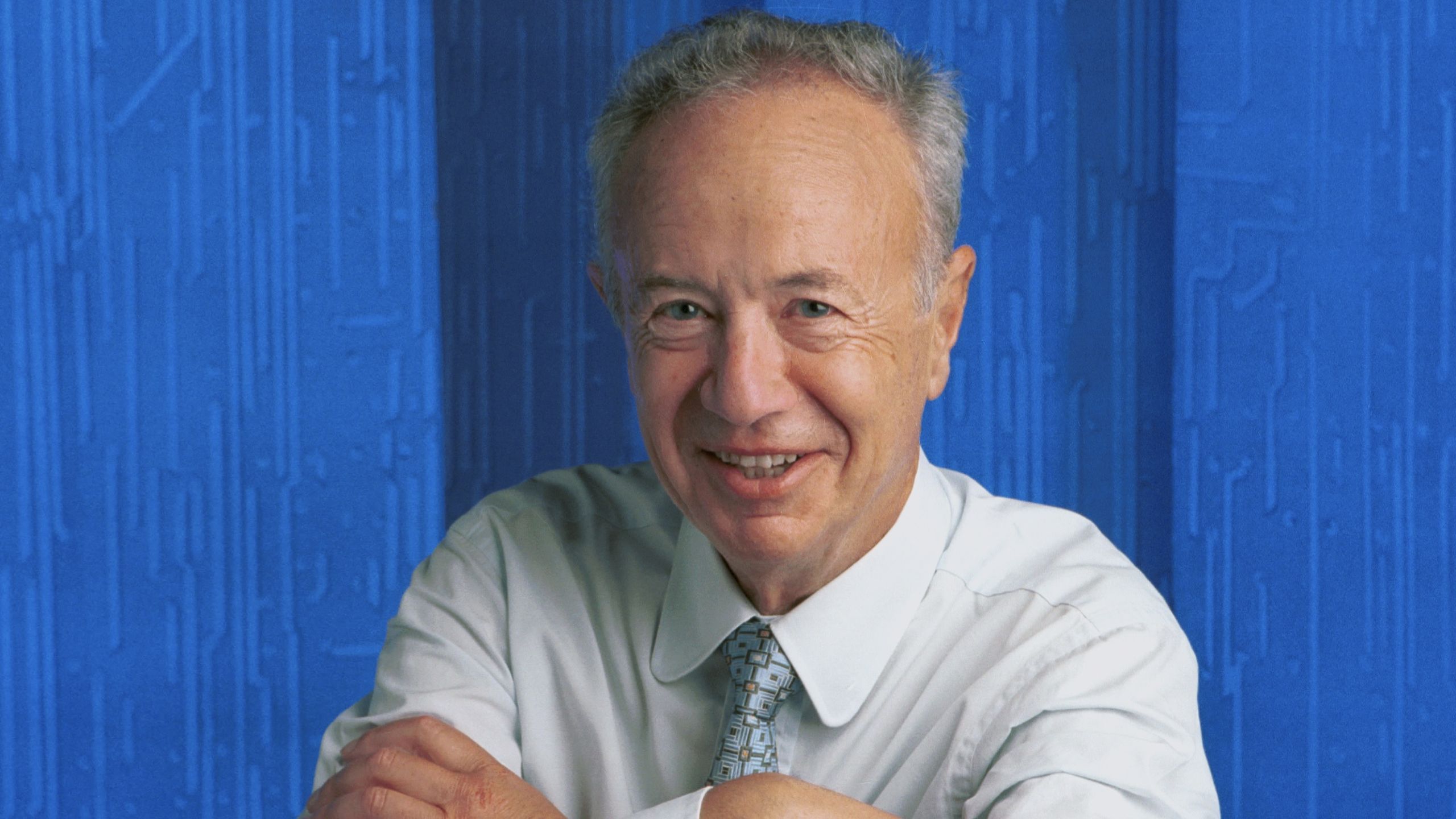
Born András Gróf in Budapest, Hungary, in 1936, Andy Grove’s early life was marked by the tumultuous events of World War II and the Hungarian Revolution, experiences that undeniably shaped his pragmatic, resilient, and forward-thinking worldview. He immigrated to the United States in 1957, eventually earning a Ph.D. in chemical engineering from the University of California, Berkeley. His journey with Intel began in 1968 as its third employee, alongside co-founders Robert Noyce and Gordon Moore. Grove rapidly ascended through the ranks, becoming president in 1979 and CEO in 1987, a position he held until 1998, continuing as chairman of the board until 2005.
Grove’s leadership style was characterized by a rigorous intellectual honesty, a relentless pursuit of excellence, and an unwavering commitment to data-driven decision-making. He championed open debate, even confrontation, believing that the best ideas emerged from a crucible of diverse perspectives. His most profound contribution to management theory, however, remains the concept of the "strategic inflection point," a term he coined to describe a moment in time when fundamental changes occur in an industry, demanding a radical shift in strategy or risk catastrophic decline. For Grove, these points are not mere challenges but existential threats, capable of transforming a company’s trajectory by an order of magnitude, leading to either unprecedented growth or precipitous collapse. His "paranoia" wasn’t about fear, but about proactive preparedness and the courage to adapt drastically.
A prime example of Grove applying his philosophy occurred in the mid-1980s when Intel faced intense competition from Japanese manufacturers in the memory chip market. Despite being a pioneer in DRAM, Grove, along with then-CEO Gordon Moore, made the agonizing but ultimately prescient decision to exit the memory business entirely and focus Intel’s resources on microprocessors. This radical pivot, a textbook strategic inflection point, saved the company and paved the way for its dominance in the burgeoning personal computer era, a testament to Grove’s willingness to confront uncomfortable truths and make bold, even painful, strategic shifts.
Intel’s Post-Grove Era: Navigating Tumultuous Inflection Points
Following Grove’s departure from the CEO role, Intel continued its reign as the undisputed leader in microprocessors throughout the late 1990s and early 2000s, largely benefiting from the internet boom and the continued proliferation of personal computers. However, the seeds of future challenges were already being sown, and in the years that followed, Intel encountered several strategic inflection points that tested the very tenets of Grove’s philosophy.
One of the most significant missed opportunities was the mobile revolution. While Intel dominated the PC market, it largely failed to capitalize on the explosive growth of smartphones and tablets. Its Atom processors, designed for mobile devices, struggled to compete with ARM-based chips in terms of power efficiency and cost, leading to Intel being largely shut out of a market that transformed the computing landscape. This oversight, arguably a moment of strategic complacency, allowed competitors using ARM architecture to gain a formidable foothold and diversify the semiconductor ecosystem.
Compounding these challenges, the 2010s saw a resurgence of long-standing rival AMD, particularly under the leadership of CEO Lisa Su. AMD’s Zen architecture, first introduced with Ryzen desktop processors and EPYC server CPUs, provided a formidable challenge to Intel’s long-held performance lead, eating into its market share in both consumer and enterprise segments. Furthermore, Intel faced significant manufacturing difficulties, with repeated delays in its transition to smaller, more efficient process nodes (e.g., 10nm and 7nm), while competitors like TSMC (Taiwan Semiconductor Manufacturing Company) continued to execute flawlessly, producing chips for AMD, Nvidia, and Apple. These manufacturing stumbles directly impacted Intel’s ability to deliver competitive products, leading to a period of declining market share and investor confidence.
The rise of artificial intelligence (AI) presented another critical inflection point. While Intel had offerings in this space, Nvidia emerged as the undisputed leader in AI acceleration with its graphics processing units (GPUs), which proved highly effective for parallel processing tasks essential for machine learning. Nvidia’s strategic focus and early investment in CUDA, its parallel computing platform, positioned it perfectly to capitalize on the AI boom, leaving Intel playing catch-up in a rapidly expanding and critical market segment. From an outsider’s perspective, it appeared that Intel had, for a time, succumbed to the very complacency that its former CEO had so vehemently warned against, failing to adequately prepare for the multifaceted risks and transformative shifts in technology.
The Turnaround Under New Leadership: Embracing Paranoia for Resurgence
In a bold move to address its escalating challenges, Intel appointed Pat Gelsinger as CEO in February 2021. Gelsinger, a veteran Intel executive who had previously served as CTO and had a successful tenure as CEO of VMware, brought a deep understanding of Intel’s culture and technology, coupled with a renewed sense of urgency. His appointment signaled a dramatic shift in strategy, echoing Grove’s willingness to confront uncomfortable truths and embark on radical change.
Gelsinger swiftly introduced the "IDM 2.0" strategy, a multi-faceted plan designed to regain Intel’s leadership in process technology, expand its manufacturing capacity, and become a major provider of foundry services for other chip designers. This strategy involves three key components:
- Internal Factory Network: Continuing to leverage Intel’s extensive internal manufacturing capabilities for most of its products.
- Increased Use of External Foundries: Partnering with external foundries like TSMC for specific products, acknowledging that relying solely on internal manufacturing had become a bottleneck.
- Intel Foundry Services (IFS): Opening Intel’s state-of-the-art manufacturing facilities to external customers, aiming to become a significant player in the global foundry market, directly competing with TSMC and Samsung. This move represents a monumental shift for Intel, traditionally a vertically integrated company, and a clear response to the strategic inflection point in semiconductor manufacturing.
Under Gelsinger’s leadership, Intel has committed significant investments to expand its manufacturing footprint, announcing plans for new mega-fabs in Arizona, Ohio, and in Europe (e.g., Magdeburg, Germany). These investments, often supported by government incentives through initiatives like the CHIPS Act in the U.S. and similar programs in Europe, are aimed at strengthening global semiconductor supply chains and restoring Western leadership in chip manufacturing.
In the crucial AI segment, Intel is aggressively pursuing new ventures. While Nvidia dominates high-end AI training with its GPUs, Intel is focusing on a broader AI strategy that includes its Gaudi accelerators for AI training and inference, as well as optimizing its core CPUs (Xeon and Core processors) for AI workloads at the edge and in data centers. The acquisition of Habana Labs (Gaudi) and the development of specialized AI capabilities within its processors demonstrate a clear intent to compete across the entire AI spectrum, from cloud to client.
The market has responded positively to these strategic shifts. Intel’s stock price, which had languished for several years, has shown signs of recovery, reflecting improved investor confidence in the company’s long-term outlook. While the path to regaining undisputed leadership is long and fraught with challenges, the initial indicators suggest that Intel is indeed on a remarkable comeback trajectory, driven by a renewed sense of strategic paranoia and an aggressive commitment to innovation and manufacturing excellence.
Data and Market Context: A Shifting Landscape
Intel’s journey through these strategic inflection points is clearly reflected in market data. In the early 2000s, Intel commanded well over 80% of the desktop and laptop CPU market. By the mid-2020s, while still dominant, its share had notably eroded, with AMD gaining significant ground, particularly in high-performance segments. For instance, in Q4 2023, Intel still held a substantial share of the desktop and notebook CPU market, but AMD had carved out a respectable and growing percentage, particularly in premium segments. In the server CPU market, where Intel once had near monopolistic control, AMD’s EPYC processors have steadily gained market share, reaching double-digit percentages and posing a serious competitive threat.
Financially, Intel experienced periods of significant pressure. Revenue growth slowed, and profitability was impacted by manufacturing delays and increased R&D costs. However, recent financial reports under Gelsinger have shown signs of stabilization and modest growth, particularly in its PC and data center segments, with the foundry business beginning to ramp up. The company’s capital expenditures have soared as it invests billions in new fabs, signaling a long-term commitment to its IDM 2.0 strategy. For instance, Intel’s projected capital expenditure for 2024 is in the range of $23 billion to $24 billion, a massive investment compared to previous years, underscoring the scale of its ambition.
The broader industry context further highlights the critical nature of Intel’s transformation. The global semiconductor market is projected to reach unprecedented levels, driven by AI, IoT, and cloud computing. The demand for advanced chips, coupled with geopolitical considerations regarding supply chain resilience, has made semiconductor manufacturing a strategic imperative for nations worldwide. Intel’s pivot to foundry services and its geographical expansion are not just corporate strategies but also play a significant role in national technology policies.
Statements and Reactions: Industry Voices on Intel’s Path
Pat Gelsinger has been vocal about Intel’s commitment to regaining its "unquestioned leadership." In numerous public statements, he has emphasized the company’s "unleashed engineering" culture and the imperative to deliver products on time and with competitive performance. "We are bringing back the Groveian culture of relentless execution," Gelsinger stated at an investor event, directly invoking his predecessor’s legacy. "We are building factories that will enable the next decade of innovation and ensure technology independence."
Industry analysts have offered mixed but increasingly optimistic perspectives. While acknowledging the formidable challenges of competing with established foundry giants like TSMC and the sustained innovation from AMD and Nvidia, many commend Intel’s bold strategic shift. "Intel’s IDM 2.0 strategy is a high-stakes gamble, but it’s the right gamble," noted one prominent semiconductor analyst. "They are leveraging their core strengths in design and manufacturing, and crucially, they are listening to Grove’s advice – confronting reality, however harsh, and making decisive changes." Others emphasize the long-term nature of these investments, cautioning that full recovery will take years, not quarters.
Reflecting on Andy Grove’s philosophy, some observers point out the irony of Intel’s recent struggles. "Grove warned against complacency, yet Intel arguably fell into that trap, especially during the mobile era," remarked a tech historian. "The current leadership seems to have rediscovered that ‘paranoia’ – the deep understanding that even dominant players can be unseated if they don’t constantly innovate and adapt to market shifts."
Broader Implications and Future Outlook
Intel’s ambitious resurgence carries significant broader implications for the global technology ecosystem. A strong, competitive Intel is vital for a healthy semiconductor market, preventing monopolistic control by any single player and fostering innovation through intense competition. The success of Intel Foundry Services could reshape the global supply chain, offering a crucial alternative to Asian foundries and enhancing supply chain resilience, a matter of increasing geopolitical concern.
However, the road ahead is far from smooth. Intel faces sustained pressure from TSMC’s advanced process technology, which continues to set industry benchmarks. The escalating costs of semiconductor manufacturing, the fierce competition for talent, and the inherent cyclicality of the chip industry all present ongoing challenges. Furthermore, the rapid evolution of AI and new computing paradigms demands continuous, aggressive innovation to avoid falling behind once more.
Ultimately, Andy Grove’s philosophy of "Only the Paranoid Survive" remains as relevant today as it was when he first articulated it. Intel’s journey – from its foundational dominance built on Grove’s principles, through periods of struggle when those principles seemed forgotten, to its current aggressive push for a comeback – serves as a powerful testament to the enduring wisdom of strategic paranoia. It underscores that in the relentlessly evolving world of technology, even the most established giants must maintain an unyielding vigilance, a willingness to self-disrupt, and the courage to navigate strategic inflection points with decisive action, lest they be left behind in the wake of change. The stakes for Intel, and indeed for the broader tech industry, are exceptionally high, making its ongoing transformation a critical narrative to watch.