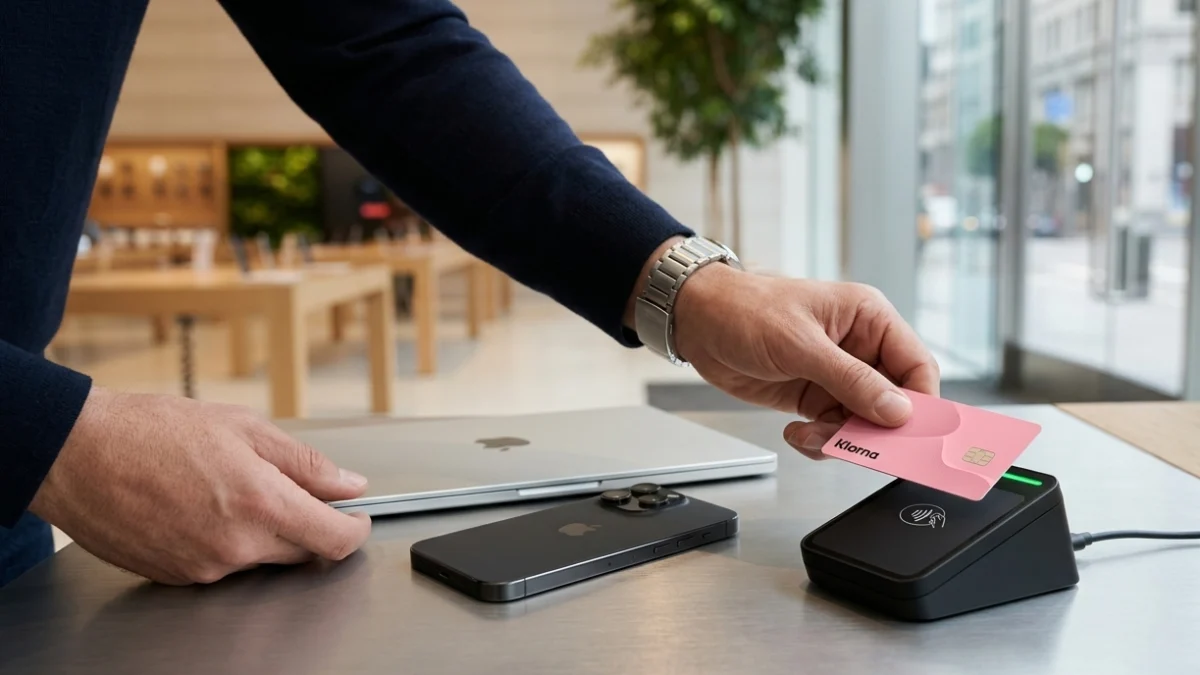
Apple is reportedly making significant strides towards the introduction of "Apple Upgrade," an ambitious and unified hardware subscription service designed to encompass its most popular product lines: iPhones, iPads, Macs, and Apple Watches. This strategic initiative, as detailed in reports from reputable financial news outlets such as Bloomberg, signals a potential paradigm shift in how consumers acquire and interact with Apple’s premium devices. The service is being developed through a direct partnership with Klarna Group Plc, a global leader in financial technology, and is slated for an initial exclusive rollout within the United States market, accessible through both Apple’s extensive network of physical Apple Store retail locations and its official online Apple Store platform. This move could redefine consumer access to Apple’s ecosystem, moving beyond traditional upfront purchases and financing models into a more flexible, subscription-based future.
A Deeper Dive into ‘Apple Upgrade’: Mechanics and Offerings
At its core, "Apple Upgrade" is structured to operate similarly to established device leasing models, yet with distinct Apple-centric flexibilities. The program is designed to offer consumers a range of options throughout their contract duration. Subscribers will reportedly have the ability to settle their outstanding device balance early, providing an avenue for those who wish to gain full ownership ahead of schedule. Crucially, the service will also facilitate seamless transitions to newer models before the current agreement expires, catering to Apple’s ardent user base who frequently seek the latest technological advancements. Furthermore, a key feature will allow users to retain full ownership of the hardware at the conclusion of the rental term, effectively converting the lease into a purchase. It is important to note that specific scenarios, such as early upgrades or certain ownership transitions, may incur additional fees, details of which are expected to be fully disclosed upon the service’s launch.
The subscription model will feature distinct contract lengths tailored to product categories. Agreements for iPhones and Apple Watches, devices typically subject to more frequent upgrade cycles, will carry a 24-month duration. In contrast, lease periods for Macs and iPads, which generally have longer refresh cycles and higher initial price points, will extend to 36 months. This tiered approach reflects Apple’s understanding of product lifespans and consumer upgrade patterns across its diverse hardware portfolio. As is standard for financing and leasing programs, all "Apple Upgrade" applications will necessitate prior credit approval, ensuring financial viability for both Apple and Klarna. Upon the completion of a contract, users will have the option to return the hardware, promoting a potentially more sustainable circular economy for devices and streamlining the upgrade process.
Reports suggest that Apple intends to position "Apple Upgrade" as a compelling and affordable alternative to conventional device financing programs. The primary marketing appeal is anticipated to revolve around lower monthly payments, a significant draw for consumers looking to manage budgets more effectively while still accessing premium technology. To consolidate its consumer purchasing options and streamline its offerings, Apple is expected to gradually phase out its long-standing iPhone Upgrade Program and potentially traditional financing routes. This strategic simplification aims to funnel consumers into the new, all-encompassing "Apple Upgrade" model, establishing it as the primary gateway for acquiring Apple hardware on a recurring payment basis.
Differentiating from the Past: What ‘Apple Upgrade’ Isn’t
While "Apple Upgrade" builds upon the concept of flexible device acquisition, it introduces several critical distinctions that set it apart from previous programs, notably the iPhone Upgrade Program (IUP). One significant divergence is the reported exclusion of AppleCare coverage from the "Apple Upgrade" subscription. The IUP traditionally bundled AppleCare+, providing comprehensive protection and extended warranty services. The absence of integrated AppleCare in the new program implies that users will need to purchase this coverage separately, potentially adding to the overall monthly expenditure if they desire protection for their devices. This separation could be a strategic move by Apple to unbundle services and allow for more flexible pricing structures or to encourage direct AppleCare sales.
Furthermore, the new service will reportedly exclude certain entry-level hardware products from enrollment. Specifically, devices such as the Apple Watch SE 3, the base iPad model, the standard iPhone 16, and the MacBook Neo are expected to be ineligible for "Apple Upgrade." This exclusion suggests that Apple may be targeting a particular segment of its customer base – those seeking mid-to-high-tier devices – or aiming to maintain higher average revenue per user within the subscription framework. By focusing on more premium models, Apple could simplify the initial rollout and potentially mitigate financial risks associated with lower-cost hardware. Moreover, the program will also reportedly exclude enterprise accounts and student users, indicating a focus on individual consumer participation initially. This limitation could be an effort to streamline the program’s complexity during its introductory phase, with potential expansion to other user segments in the future.
The Strategic Partnership with Klarna: A Fintech Alliance
The direct partnership with Klarna Group Plc is a pivotal element of "Apple Upgrade." Klarna, a Swedish fintech company, has rapidly grown into a global leader in "buy now, pay later" (BNPL) services and consumer financing. Its expertise in managing credit assessments, payment processing, and consumer lending infrastructure makes it an ideal partner for Apple’s ambitious subscription service. Klarna’s platform is renowned for its user-friendly interface and efficient credit approval processes, which could significantly enhance the customer experience for "Apple Upgrade" subscribers.
For Klarna, this partnership represents a significant validation of its technology and a massive opportunity to expand its reach and prestige by associating with one of the world’s most valuable brands. Facilitating a hardware subscription service for Apple’s extensive ecosystem could expose Klarna to millions of new users, further cementing its position in the competitive fintech landscape. The collaboration also underscores a broader trend in the retail and technology sectors, where companies are increasingly leveraging specialized financial partners to offer flexible payment solutions, thereby lowering barriers to entry for high-value purchases. This alliance allows Apple to focus on its core competencies of hardware and software innovation while relying on Klarna’s established financial technology for the intricate back-end operations of credit, payments, and risk management.
A History of Rumors and Recent Market Dynamics
The concept of an Apple hardware subscription service is not entirely new; rumors surrounding such an initiative have circulated for several years. Early reports, some indicating that the project was internally shelved in late 2024, suggested that Apple had been exploring various models for recurring hardware revenue. The timing of this renewed push for "Apple Upgrade" is particularly notable, following closely on the heels of recent global price adjustments across Apple’s product lineup in June 2026. These price increases were attributed to elevated dynamic random-access memory (DRAM) costs, a critical component in most electronic devices. The surge in DRAM prices, in turn, has been driven by high global market demand for hardware chips specifically dedicated to artificial intelligence (AI) applications, which require substantial memory resources.
This broader economic context provides a crucial backdrop for Apple’s strategic pivot. In an environment where component costs are rising and device prices are increasing, a subscription service offering "lower monthly payments" could serve as a powerful mechanism to mitigate consumer price sensitivity. By spreading the cost over an extended period, Apple could make its premium products more accessible and maintain sales momentum, even as outright purchase prices climb. The re-emergence of the hardware subscription plan, after a period of apparent dormancy, suggests that current market conditions and strategic imperatives have aligned to make this the opportune moment for Apple to launch such an offering.
The Broader Economic Context: Why Now?
The decision to launch "Apple Upgrade" at this juncture reflects several converging trends in the global economy and consumer behavior.
The Rise of the Subscription Economy: The past decade has witnessed a dramatic shift towards a subscription-based economy. From software and streaming services to meal kits and even automobiles, consumers have embraced the convenience and predictability of recurring payments for access to goods and services. Apple itself has been a significant player in the services sector, with successful offerings like Apple Music, Apple TV+, Apple Arcade, iCloud+, Fitness+, and News+. Extending this model to its core hardware products is a natural evolution, aligning with modern consumer preferences, particularly among younger demographics who often prioritize access over outright ownership. This shift allows consumers to budget more effectively and reduces the initial financial barrier to acquiring high-value items.
Apple’s Financial Strategy: Recurring Revenue and Customer Lifetime Value: For Apple, a hardware subscription service offers compelling financial advantages. Firstly, it promises a more predictable and stable recurring revenue stream, which can help smooth out the cyclical nature of hardware sales. Instead of relying heavily on large, infrequent purchases, Apple can cultivate a consistent flow of income. Secondly, "Apple Upgrade" is poised to significantly increase customer stickiness and ecosystem lock-in. By providing a continuous upgrade path, the service encourages users to remain within the Apple ecosystem, potentially leading to higher engagement with Apple’s other services and accessory purchases. This translates into an enhanced customer lifetime value (LTV), as subscribers are likely to stay with Apple for longer periods. Moreover, by retaining ownership of the hardware until the end of the term, Apple could potentially establish a robust refurbishment program for returned devices, creating a secondary market and further optimizing its asset utilization.
Consumer Implications: Access Versus Ownership
For consumers, "Apple Upgrade" presents a nuanced proposition. The promise of "lower monthly payments" is undoubtedly attractive, making premium Apple devices more financially accessible without the large upfront cost or the significant interest rates often associated with traditional financing. This could allow users to consistently have access to the latest technology, avoiding the depreciation and technological obsolescence that comes with owning older models. The flexibility to upgrade or settle the balance early adds another layer of consumer choice.
However, the shift from ownership to access also carries implications. The absence of bundled AppleCare coverage means consumers will need to account for this additional cost if they desire device protection. Furthermore, while monthly payments might be lower, the total cost of ownership over the entire subscription period, especially if one continuously upgrades, might eventually surpass the cost of purchasing outright and holding onto a device for several years. The long-term financial commitment and the nuances of lease agreements, including potential fees for early termination or device damage, will require careful consideration from prospective subscribers. For some, the traditional model of purchasing and owning a device outright still holds appeal, offering complete control and freedom from ongoing contractual obligations.
Industry Impact and Competitive Response
The launch of "Apple Upgrade" is expected to send ripples across the consumer electronics industry and influence the competitive landscape. Competitors such as Samsung, Google, and Microsoft, which also offer premium hardware, may feel pressure to respond with similar comprehensive subscription or leasing models if Apple’s service proves successful. Many carriers already offer upgrade programs, but Apple’s direct control over the entire ecosystem, from hardware to financing, could give it a significant advantage. The move could accelerate the industry-wide trend towards device-as-a-service models, potentially reshaping how hardware is sold and consumed globally.
Furthermore, by encouraging more frequent upgrades, especially for iPhones and Apple Watches, the service could boost hardware refresh cycles, benefiting Apple’s manufacturing partners and component suppliers. The potential for returned hardware to feed into certified pre-owned or refurbished markets also aligns with growing sustainability concerns, although Apple’s specific plans for returned devices remain to be fully detailed.
The Road Ahead: Future Prospects and Potential Challenges
While "Apple Upgrade" holds immense potential for Apple, its rollout and long-term success will likely face various challenges. The initial exclusivity to the United States market suggests a cautious, phased approach, allowing Apple to fine-tune the service before a potential international expansion. Future prospects could include the inclusion of more Apple products, such as the HomePod or even the nascent Vision Pro, as the service matures. There’s also the possibility of bundling "Apple Upgrade" with existing Apple services, offering comprehensive premium packages that integrate hardware, software, and protection plans.
Potential challenges include navigating complex consumer credit regulations, ensuring transparent communication regarding total costs and fees, and managing the logistics of device returns and refurbishment on a large scale. As subscription models become more prevalent, regulatory scrutiny around transparency, early termination clauses, and fair pricing is also likely to increase. However, if successfully implemented, "Apple Upgrade" could solidify Apple’s position at the forefront of the technology industry, offering an innovative and accessible pathway to its coveted ecosystem for millions of consumers worldwide. The impending launch marks a significant strategic evolution for Apple, underscoring its commitment to recurring revenue models and deeper integration with its customer base.