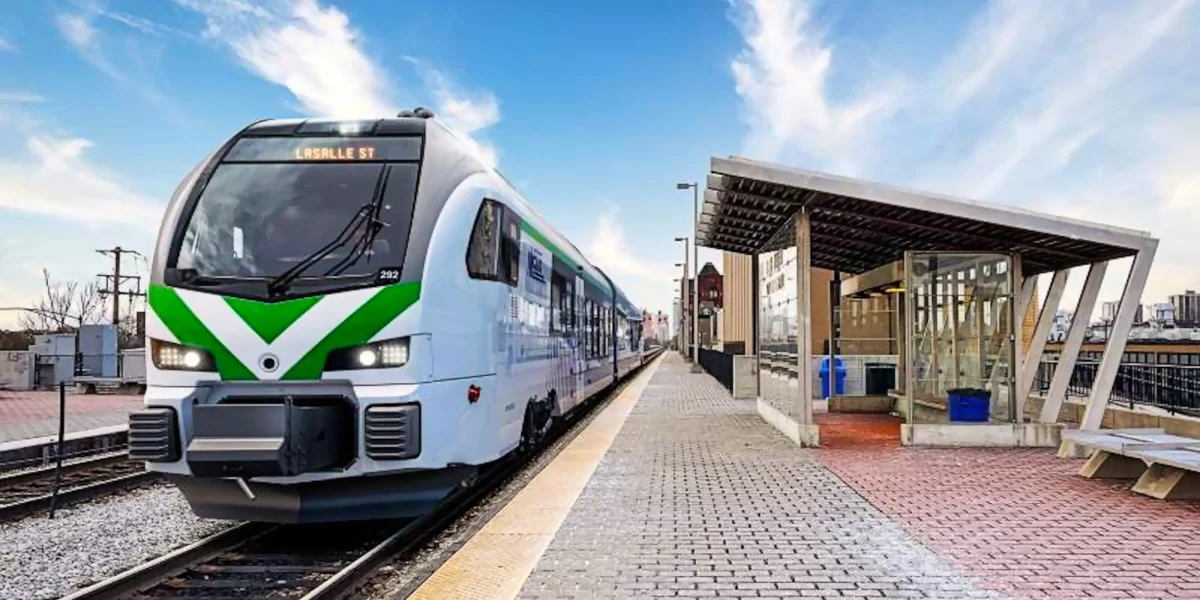
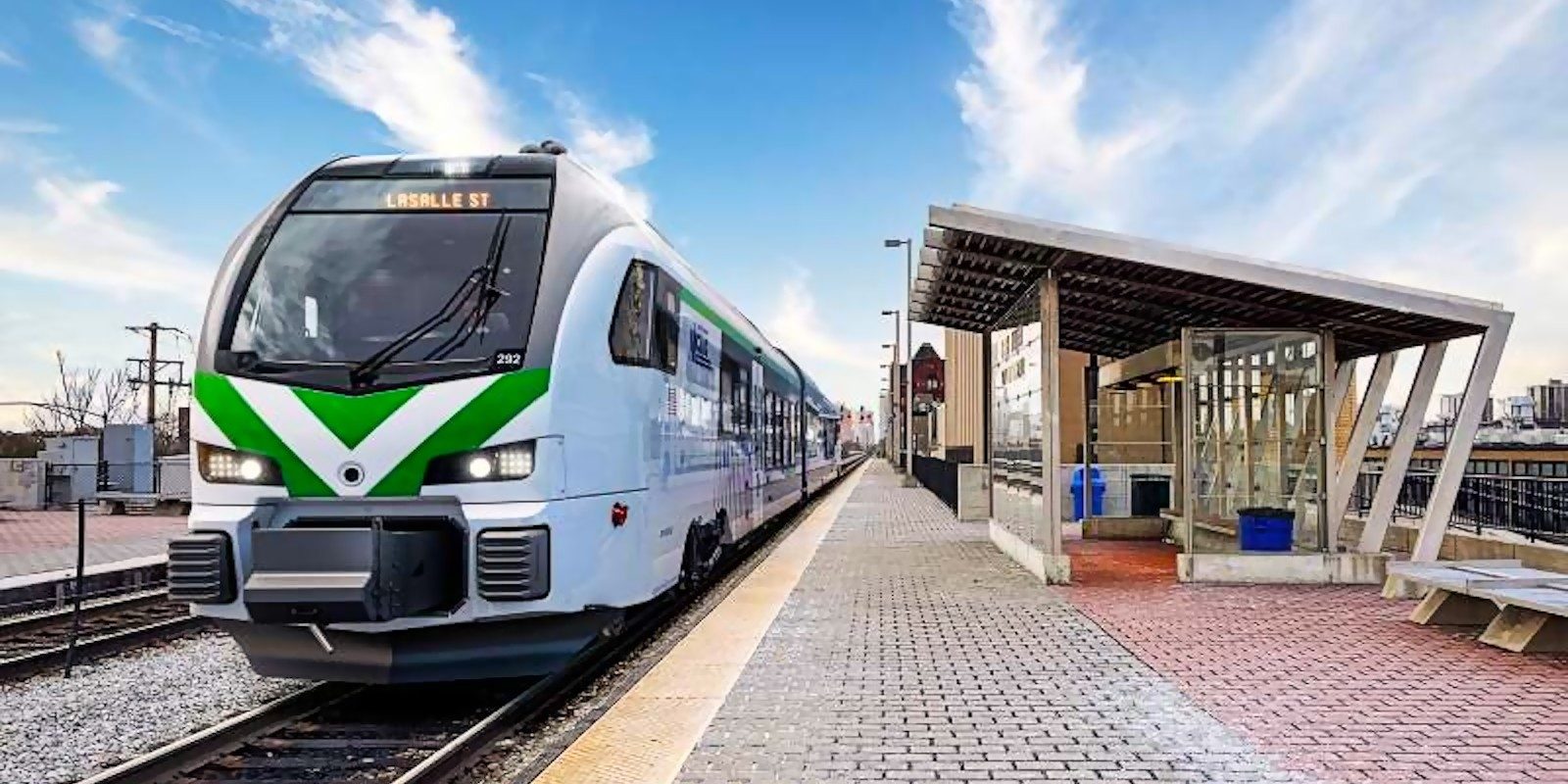
Metra’s traditional diesel-engined commuter rail network, a familiar part of the Chicago metropolitan landscape long accompanied by the distinct emissions and noise of combustion engines, is preparing for a technological transformation. This week marks a milestone in North American regional transit as the very first battery-electric FLIRT (Flinker Leichter Innovativer Regional-Triebzug) locomotive, manufactured by Swiss rolling stock leader Stadler, arrives in Chicago. The debut signals a major shift toward zero-emission public transportation, offering a tangible glimpse into the future of urban and suburban rail commuting.
Introduction to the Groundbreaking Fleet
The arrival of the new Stadler FLIRT trainset represents a significant pivot for Metra, the commuter rail agency serving Chicago and its surrounding suburbs. Designed to replace aging diesel locomotives, the initial deployment will focus on the Beverly branch of Metra’s Rock Island Line, operating between La Salle Street Station and Blue Island. For residents, commuters, and workers along this corridor, the transition promises a drastic reduction in local air and noise pollution.
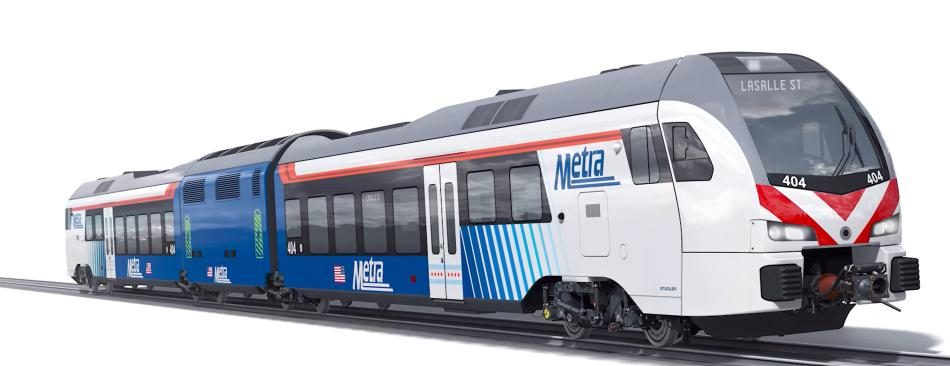
The trainset currently arriving in the Chicago area is the first of eight ordered by Metra under an ongoing modernization and sustainability initiative. While these units are scheduled to enter official passenger service before the end of 2027, the public will have an immediate opportunity to view the technology up close. The trainset is set to be publicly exhibited at the American Public Transportation Association (APTA) conference, held at Chicago’s McCormick Place.
Engineering and Passenger Experience
The Stadler FLIRT—an acronym for Fast, Light, Innovative, Regional Train—is engineered to integrate smoothly into existing rail infrastructure while maximizing energy efficiency. According to reports from urban transit analysts, the single-level trainsets are designed with low-level boarding and integrated lifts to ensure full compliance with the Americans with Disabilities Act (ADA).
Inside, the passenger experience emphasizes modern convenience and accessibility. Each base trainset features an open-gangway configuration, allowing travelers to move freely between cars. Standard amenities include passenger information display systems, dedicated bicycle racks, luggage storage areas, and accessible USB charging outlets at seats. The base capacity sits at 112 seated passengers, with the structural flexibility to attach an additional trailer car to accommodate 46 more riders, bringing the total seated capacity to 158.
Performance-wise, the battery-electric propulsion system is tailored for regional routes. A fully charged trainset is projected to achieve a range between 45 and 65 miles on a single charge, depending on operating conditions and payload. Crucially, the onboard energy storage system is engineered for rapid replenishment, capable of charging from 20% to 80% in approximately 30 minutes—a timeframe designed to fit seamlessly into standard terminal layovers without disrupting transit schedules.
Chronology and Procurement Timeline
The journey toward zero-emission rail in Chicago has evolved through strategic planning and equipment procurement over recent years:
- Initial Procurement Approval: Metra’s board authorized the purchase of the Stadler battery-electric trainsets to test and implement cutting-edge propulsion technology on non-electrified routes.
- Manufacturing and Assembly: Stadler produced the customized units, adapting its globally proven FLIRT platform to meet North American safety standards, FRA regulations, and specific regional operational requirements.
- Delivery and Exhibition (Late 2026): The first completed trainset is delivered to Chicago and showcased at the APTA conference at McCormick Place, marking its public debut in the United States.
- Testing and Infrastructure Integration (2026–2027): Metra will conduct extensive testing on its tracks, evaluating battery performance, thermal management systems, and charging infrastructure compatibility.
- Anticipated Commercial Launch (Late 2027): The fleet of eight battery-electric trainsets is scheduled to enter regular fare-paying passenger service on the Rock Island Line’s Beverly branch.
Stakeholder Perspectives and Industry Reactions
Leadership from both transit authorities and manufacturing partners have underscored the broader significance of the deployment. Martin Ritter, CEO of Stadler North America, highlighted the pioneering nature of the project during preparations for the rollout.
"As transit agencies across North America explore practical pathways toward reducing emissions, battery-electric rail technology is becoming an increasingly attractive solution," Ritter stated. "We are proud to present the first US battery FLIRT and demonstrate how innovative vehicle technology can help agencies achieve their sustainability, service, and operational goals."
Metra Executive Director Jim Derwinski echoed this sentiment, emphasizing the transformative impact the new equipment will have on passenger perception and agency operations. During a recent transit board meeting, Derwinski noted the groundbreaking nature of the acquisition.
"We’ll be the first in the country to have battery-powered passenger vehicles," Derwinski remarked. "When you go in there, you’re going to say, ‘Wow!’ Then, you’re going to say, ‘Can I go for a ride?’"

Broader Industry Impact and Environmental Implications
The introduction of battery-electric passenger rail in Chicago carries implications that extend far beyond the Beverly branch. For decades, regional rail networks operating outside of dense urban core electrification zones have relied exclusively on diesel-electric locomotives. While reliable, these legacy fleets contribute significantly to local criteria air pollutant emissions, including nitrogen oxides (NOx) and particulate matter (PM2.5), which disproportionately impact communities living directly adjacent to active rail corridors.
By shifting to battery-electric propulsion on shorter commuter branches, transit agencies can eliminate tailpipe emissions entirely along those specific routes without the multi-billion-dollar capital expense required to install overhead catenary wire systems across entire regional networks. The operational model relies on opportunistic charging at terminal stations where dwell times allow for high-power energy transfer.
Furthermore, the success of Metra’s procurement will likely serve as a vital case study for other major North American commuter and intercity rail operators. As federal and state directives increasingly emphasize greenhouse gas reduction and climate resilience, transit properties from the Northeast Corridor to the West Coast are closely monitoring how Stadler’s battery technology performs under the rigorous demands of winter weather, high-frequency scheduling, and varying passenger loads in the Midwest.
As the first Stadler FLIRT makes its way to McCormick Place this week, Chicago stands at the forefront of a quiet revolution in American rail transit—one powered silently by advanced batteries rather than the traditional rumble and exhaust of diesel engines.