The outdoor gear industry’s annual assessment of men’s rain jackets has officially concluded, providing consumers with a comprehensive guide to navigating the complex market of waterproof shells. Published in September 2026, the evaluation brings together rigorous field testing from diverse environments across North America alongside standardized laboratory metrics conducted at the Outside Lab at the University of Colorado Denver. As outdoor enthusiasts increasingly demand gear that balances weight, breathability, and absolute weather protection, the latest crop of jackets highlights the ongoing evolution of technical apparel engineering.
Methodology and Testing Framework: Field Performance Meets Laboratory Metrics
The evaluation process combined grueling real-world endurance tests with scientific scrutiny. Gear testers—ranging from backcountry rangers in national parks to search-and-rescue veterans and mountain guides—put dozens of models through extreme conditions. Test hubs were concentrated in rugged regions including Anchorage, Alaska; Salt Lake City, Utah; and Truckee, California. Jackets endured relentless downpours, alpine sleet storms, abrasive bushwhacking, and high-output activities like trail running and ski touring.
Parallel to field trials, the Outside Lab subjected fabric swatches to strict mechanical evaluations. Waterproofness was quantified using hydrostatic head pressure machines to measure water penetration resistance up to thousands of millimeters (mm). Durability was tested via Martindale abrasion machines to simulate worst-case scenarios, such as sliding against rock faces, navigating tight slot canyons, and enduring continuous friction from heavy backpack straps. Breathability was analyzed using a modified ASTM Cup Method to track moisture-vapor transfer rates, while wind resistance was measured via an AirPro vacuum system to determine air permeability.
Top Performers Across Categories
Best Overall: Helly Hansen Verglas Infinity Shell Jacket 2.0
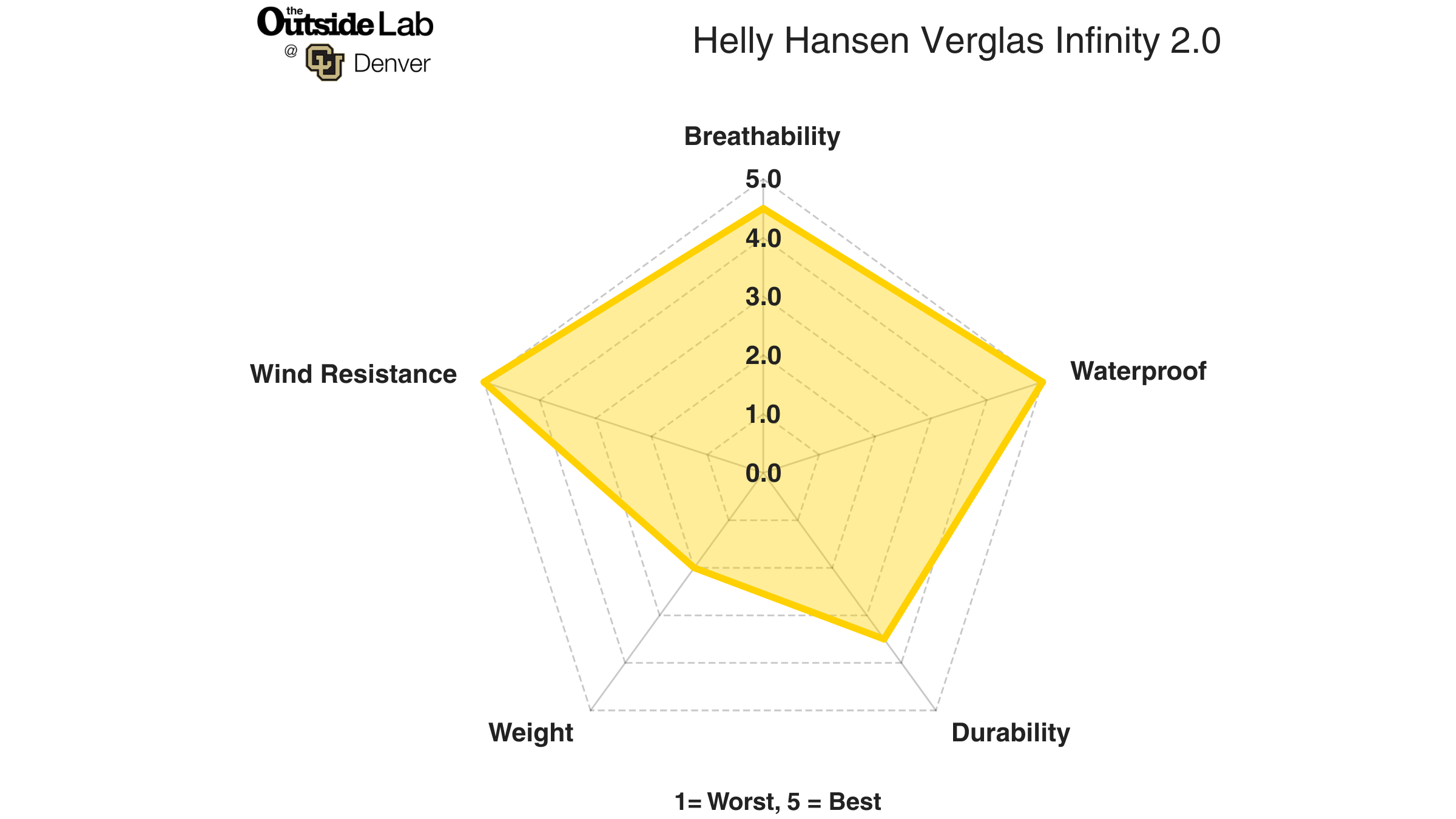
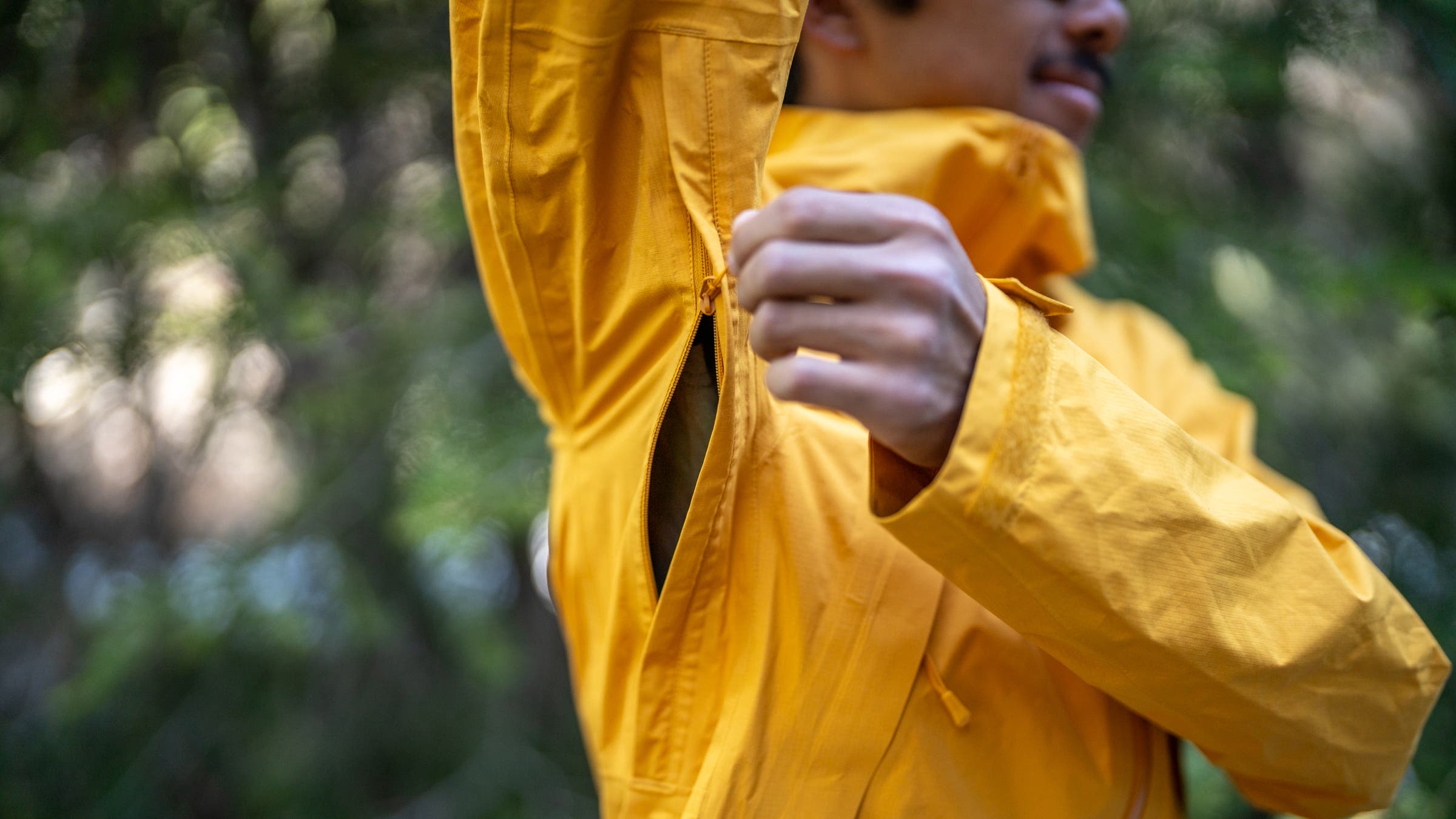
Weighing in at 15.7 ounces for a size large, the Helly Hansen Verglas Infinity Shell 2.0 ($450) secured the top overall spot by functioning as a reliable, versatile solution for multi-sport athletes. Utilizing the brand’s proprietary Lifa Infinity waterproof-breathable three-layer membrane and 100 percent recycled polyester face fabric, the jacket underwent a strategic redesign that reduced weight by 2.7 ounces and lowered its retail price by $100 compared to previous iterations. Testers noted exceptional performance during severe thunderstorms and snowstorms, though breathability was categorized as middle-of-the-pack during high-exertion activities above 50 degrees Fahrenheit.
Best Value: Patagonia Torrentshell 3L
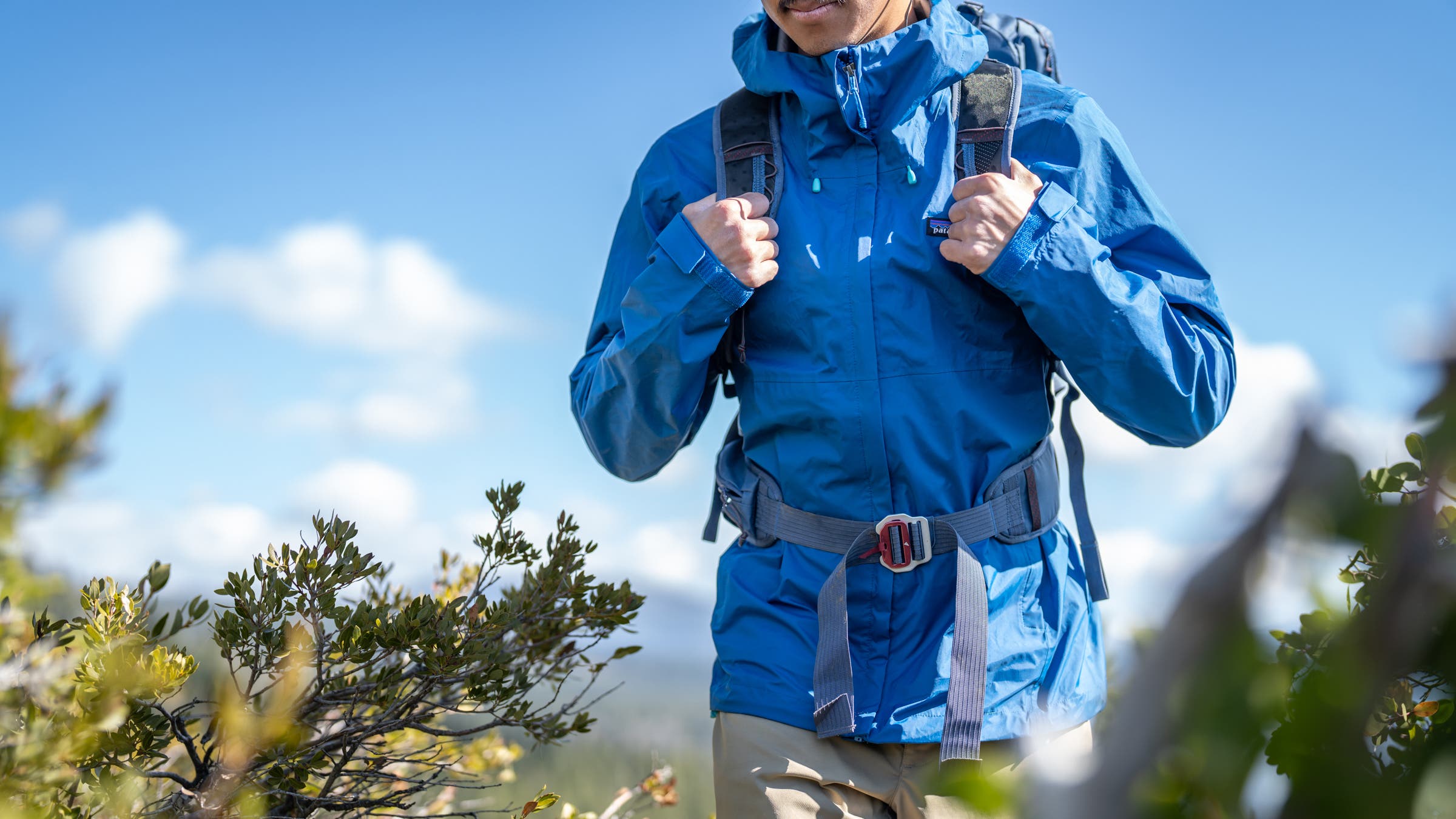
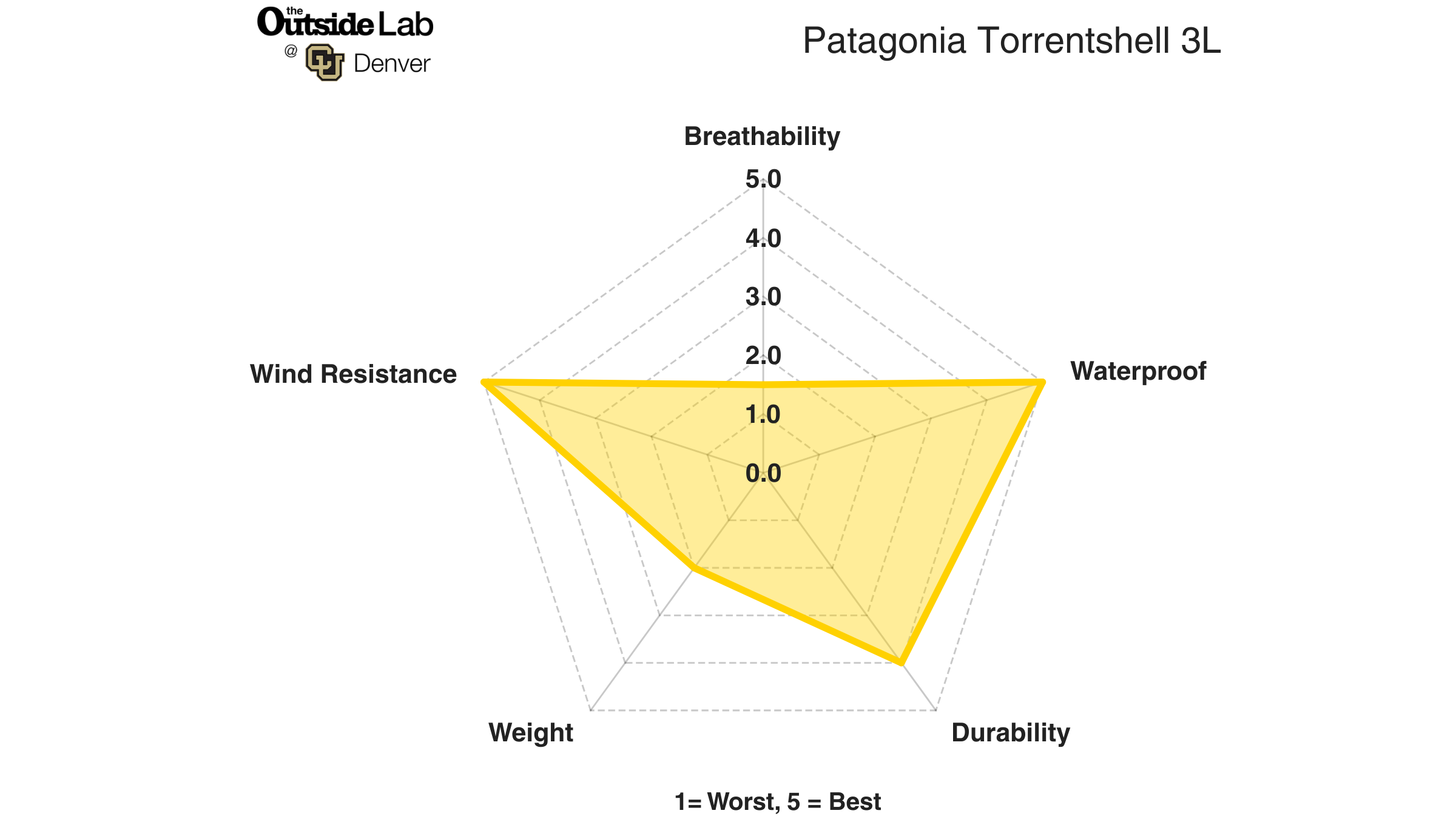
At a sub-$200 price point, the Patagonia Torrentshell ($179; 14.1 oz) continues to serve as an industry benchmark for value-driven waterproof protection. Featuring a 50-denier recycled nylon ripstop face fabric and a PFC-free PU membrane, the three-layer shell earned top marks for durability and storm-worthiness. While some testers found the fit slightly bulky and noted that breathability requires active management via pit zips, its longevity under abrasive conditions makes it a favorite for fly fishermen, climbers, and hikers.
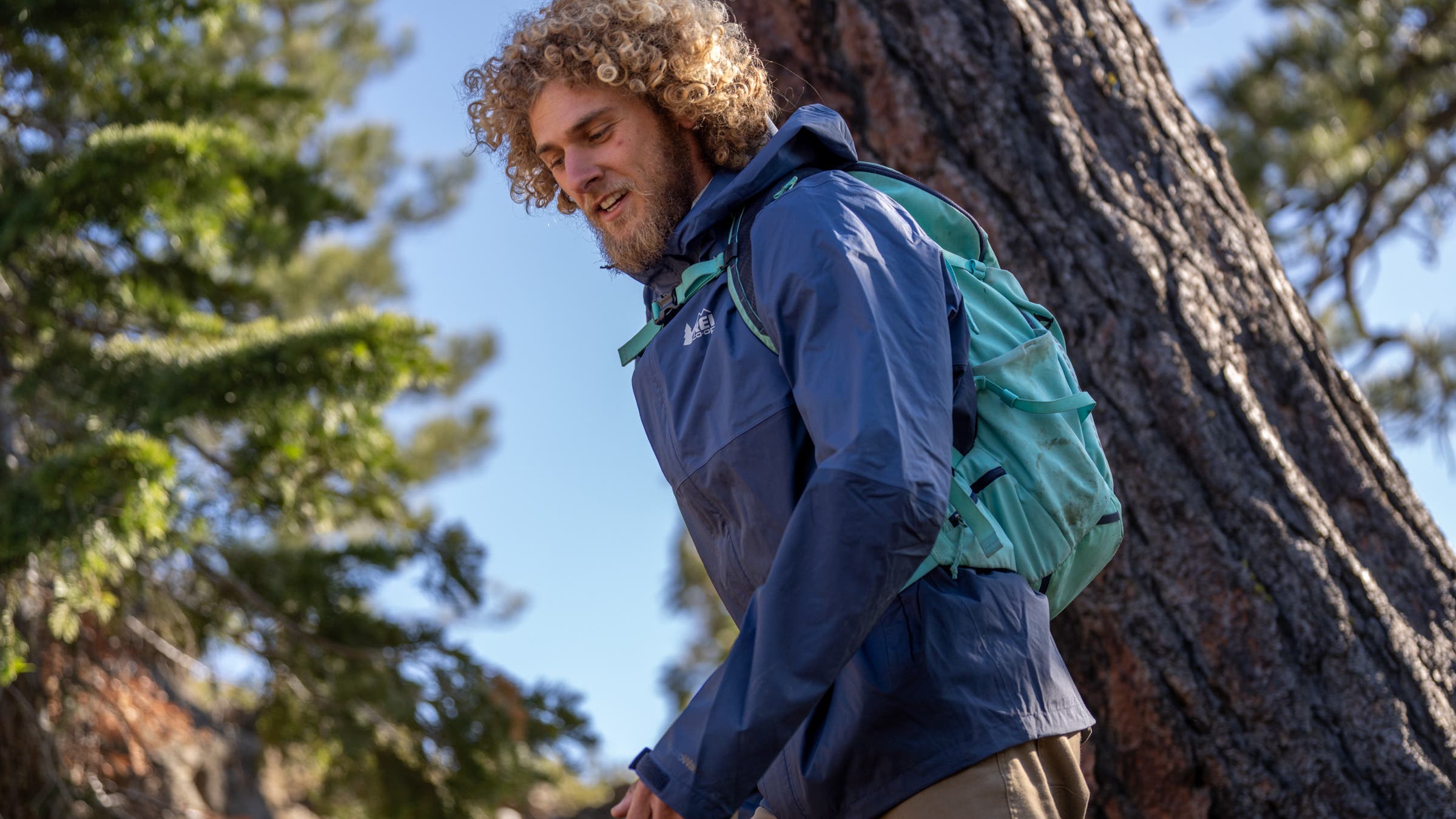
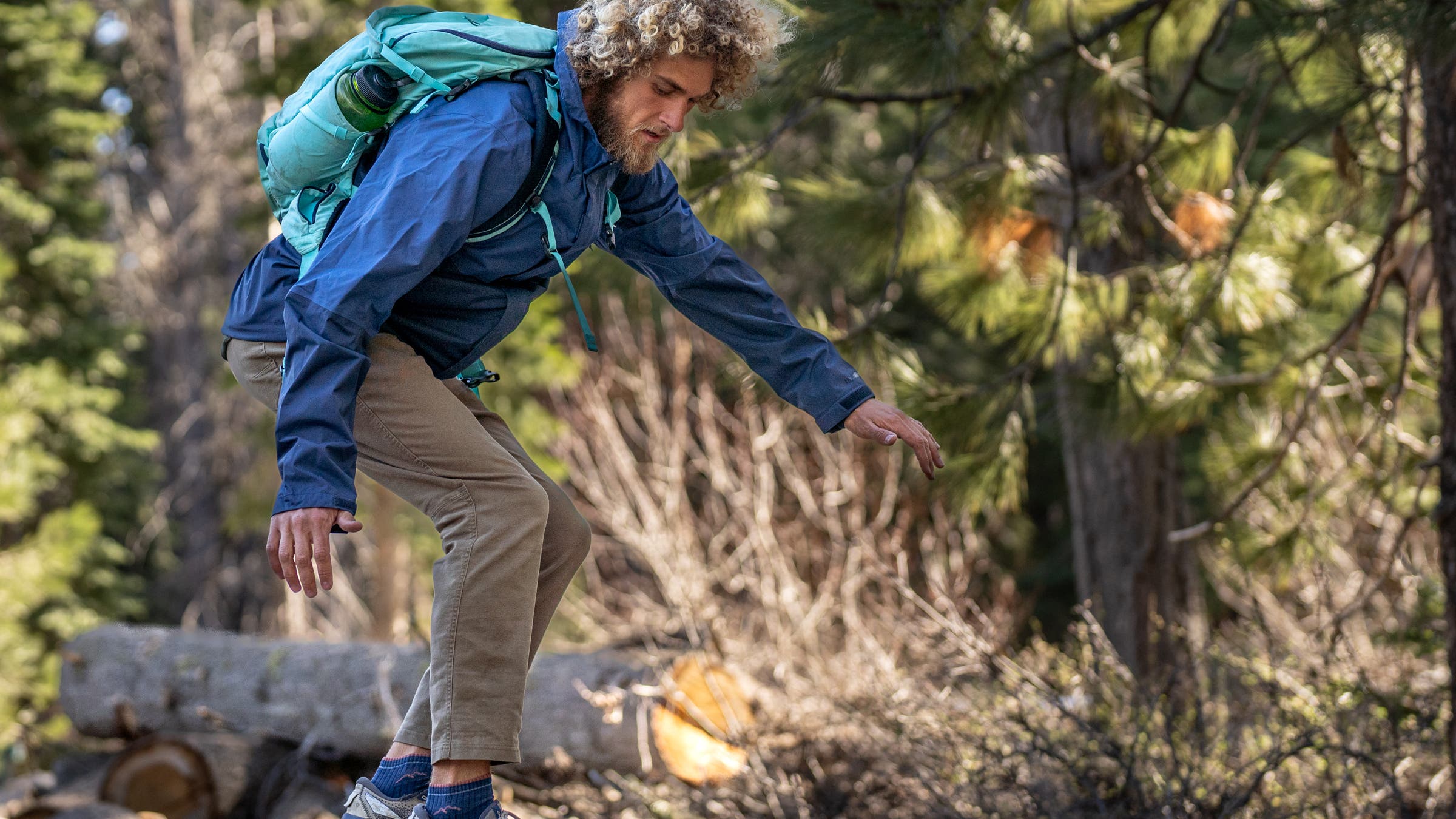
Best Budget Option: REI Co-op Rainier
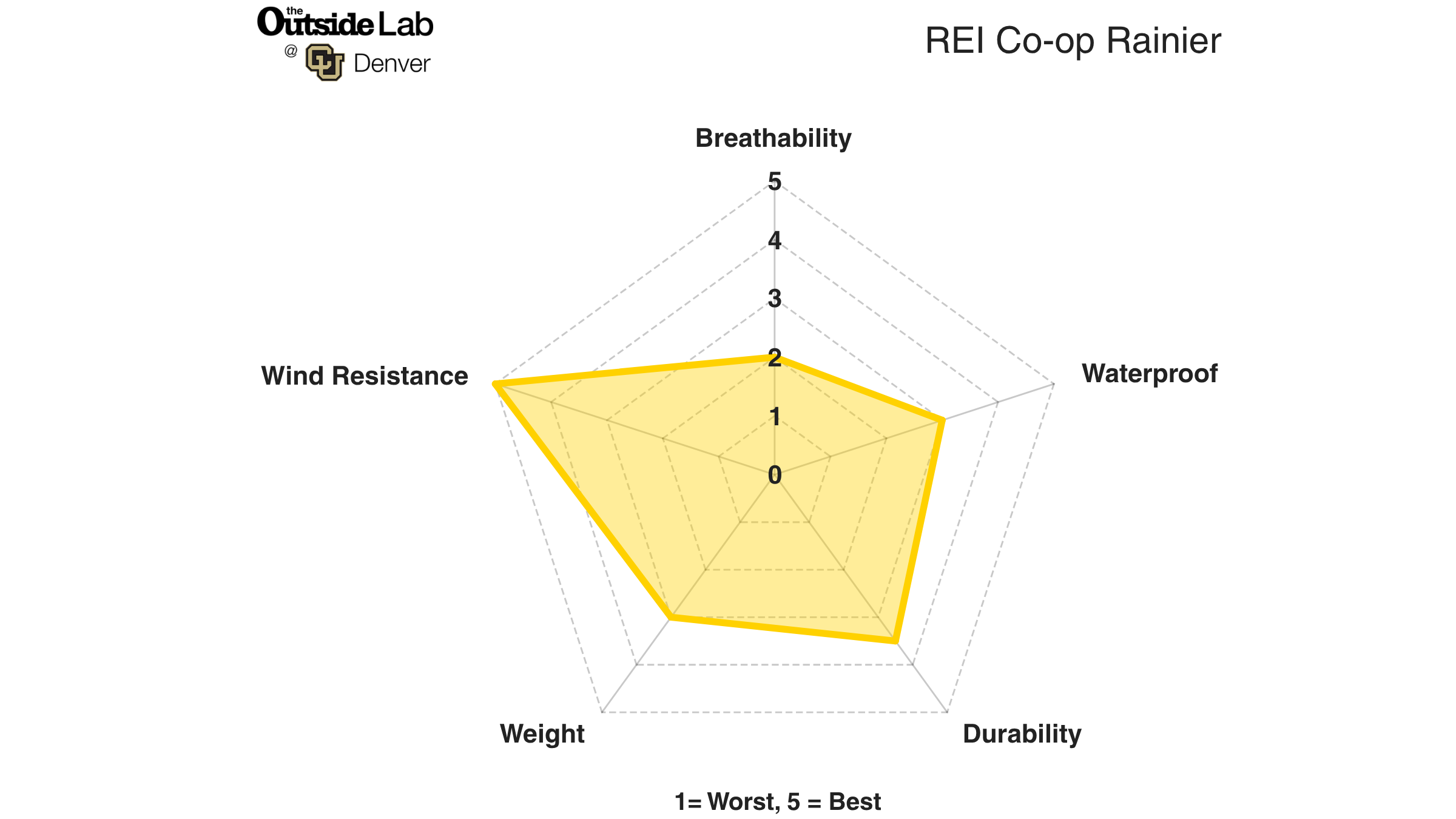
Priced at approximately $100, the REI Co-op Rainier (11.3 oz) outperformed all competitors in cost-efficiency while delivering dependable waterproofing and above-average durability for a 2.5-layer shell. Built with a 100 percent recycled nylon ripstop, it features pit zips, adjustable cuffs, and a revised hood design that protects against heavy wind-driven rain. Although breathability is lower than higher-end technical membranes, its feature set makes it an undeniable bargain for casual outdoor enthusiasts.
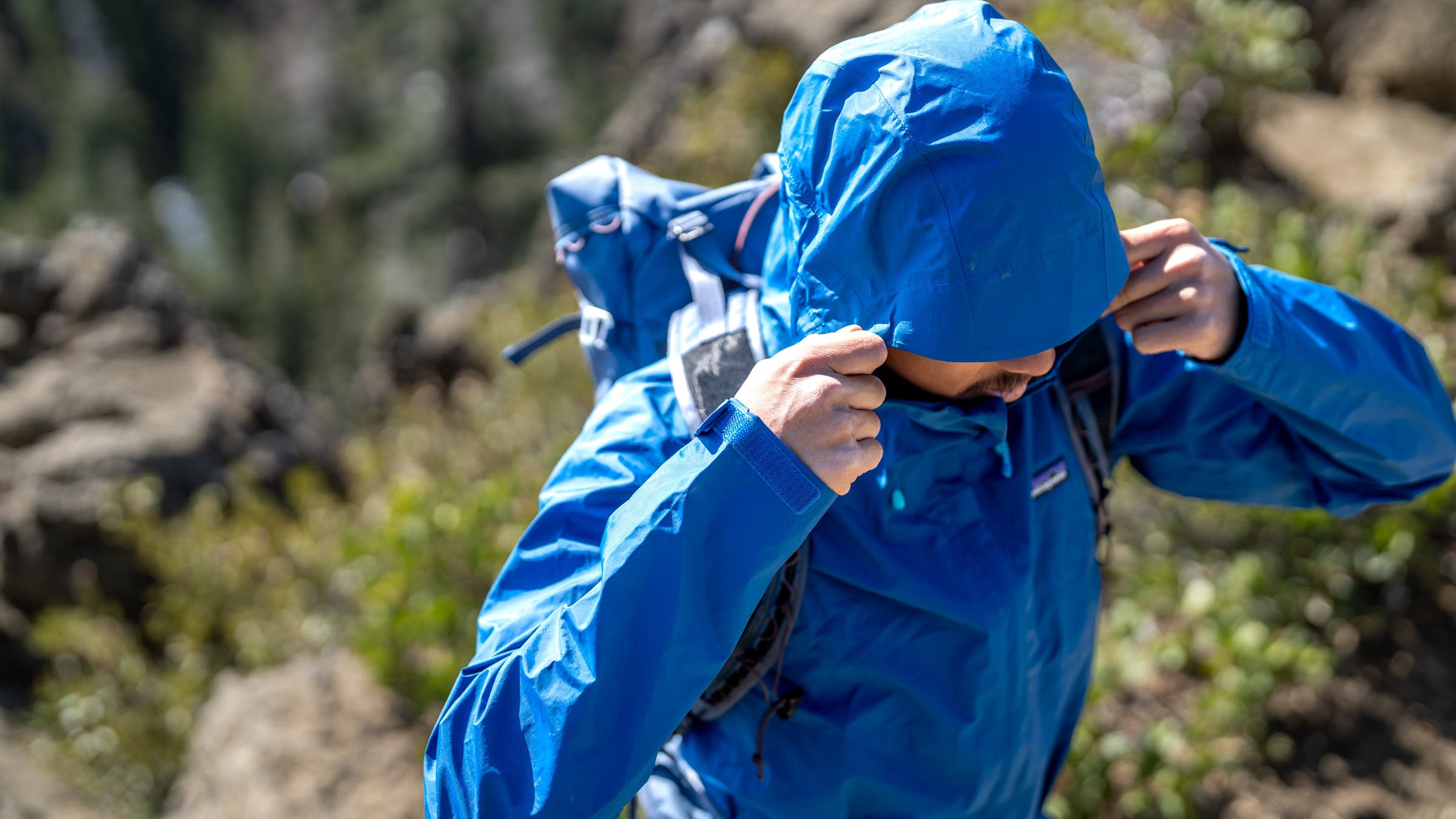
Best for Backpacking: Outdoor Research SkyChaser
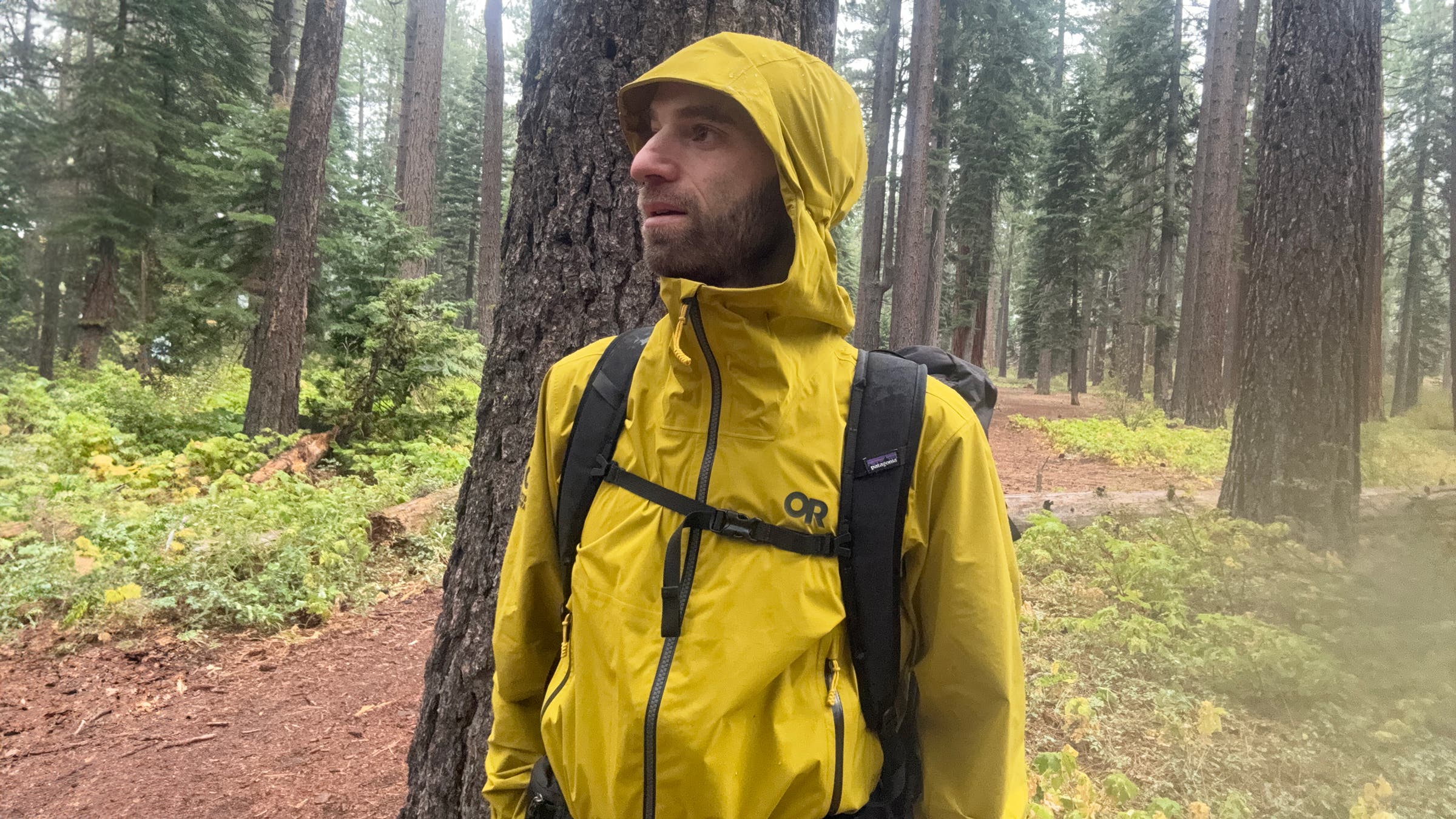
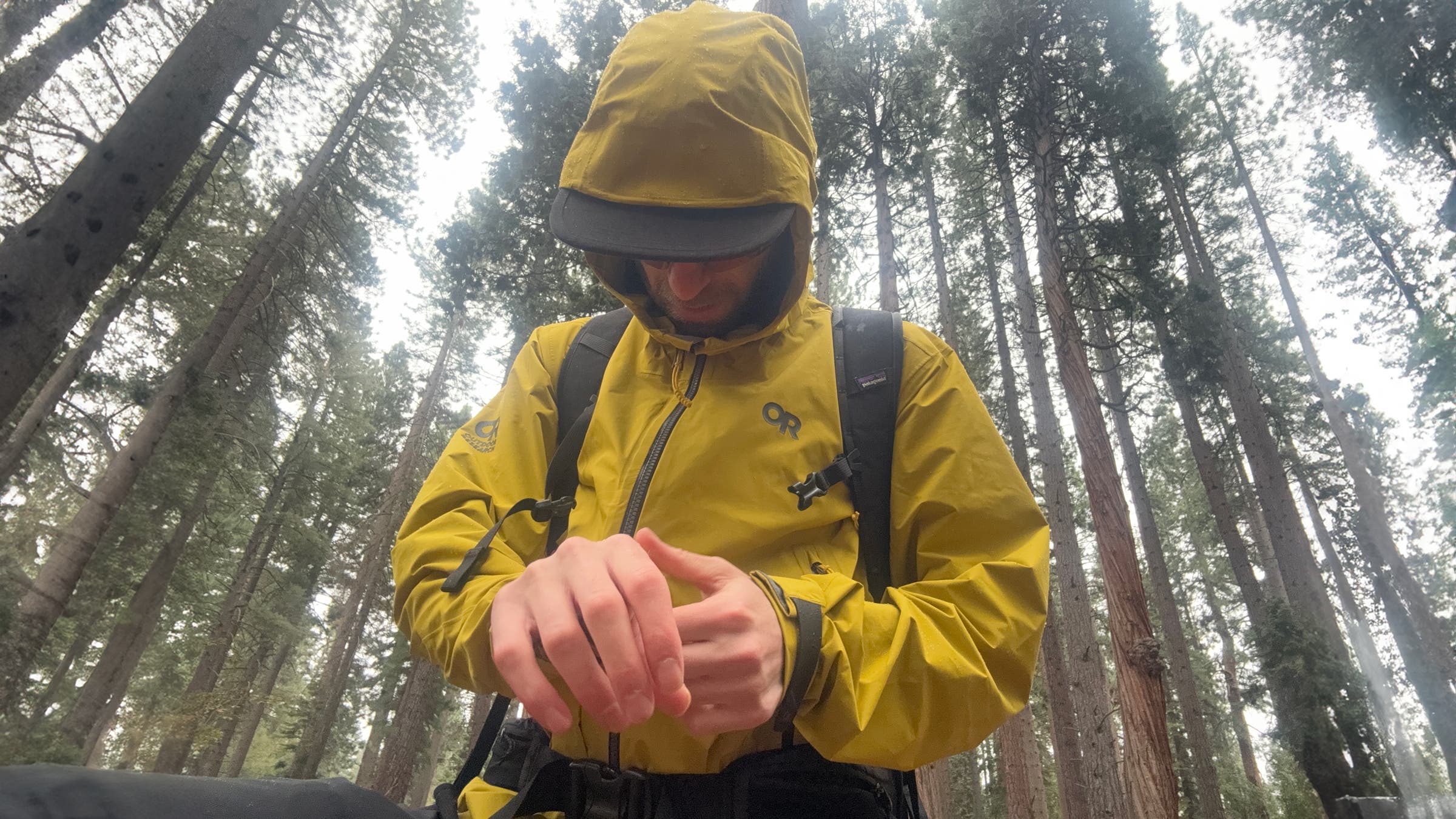
Designed for alpine scramblers and backpackers, the Outdoor Research SkyChaser ($340; 11.6 oz) utilizes a 40-denier nylon ripstop face fabric integrated with a Pertex Shield Pro layer. Testers praised its remarkable stretch, which facilitates unrestricted movement during technical climbs, alongside robust waterproofing and harness-compatible pockets. While its 2.5-layer construction can feel slightly sticky in humid conditions, it strikes an optimal balance between weight and rugged protection.
Best Ultralight: 7mesh Guardian Air
Targeting gram-conscious fast-and-light adventurers, the 7mesh Guardian Air ($500; 7 oz) integrates a Gore-Tex ePE membrane between a 15-denier ripstop nylon exterior and a C-knit recycled backer. Despite lacking pit zips, the jacket delivers weatherproofing that rivals heavier three-layer hardshells. Field testers noted that the garment maintained its performance through extended precipitation events without inducing the "garbage bag" clamminess common among ultralight alternatives.
Best for Trail Running: Patagonia Storm Racer
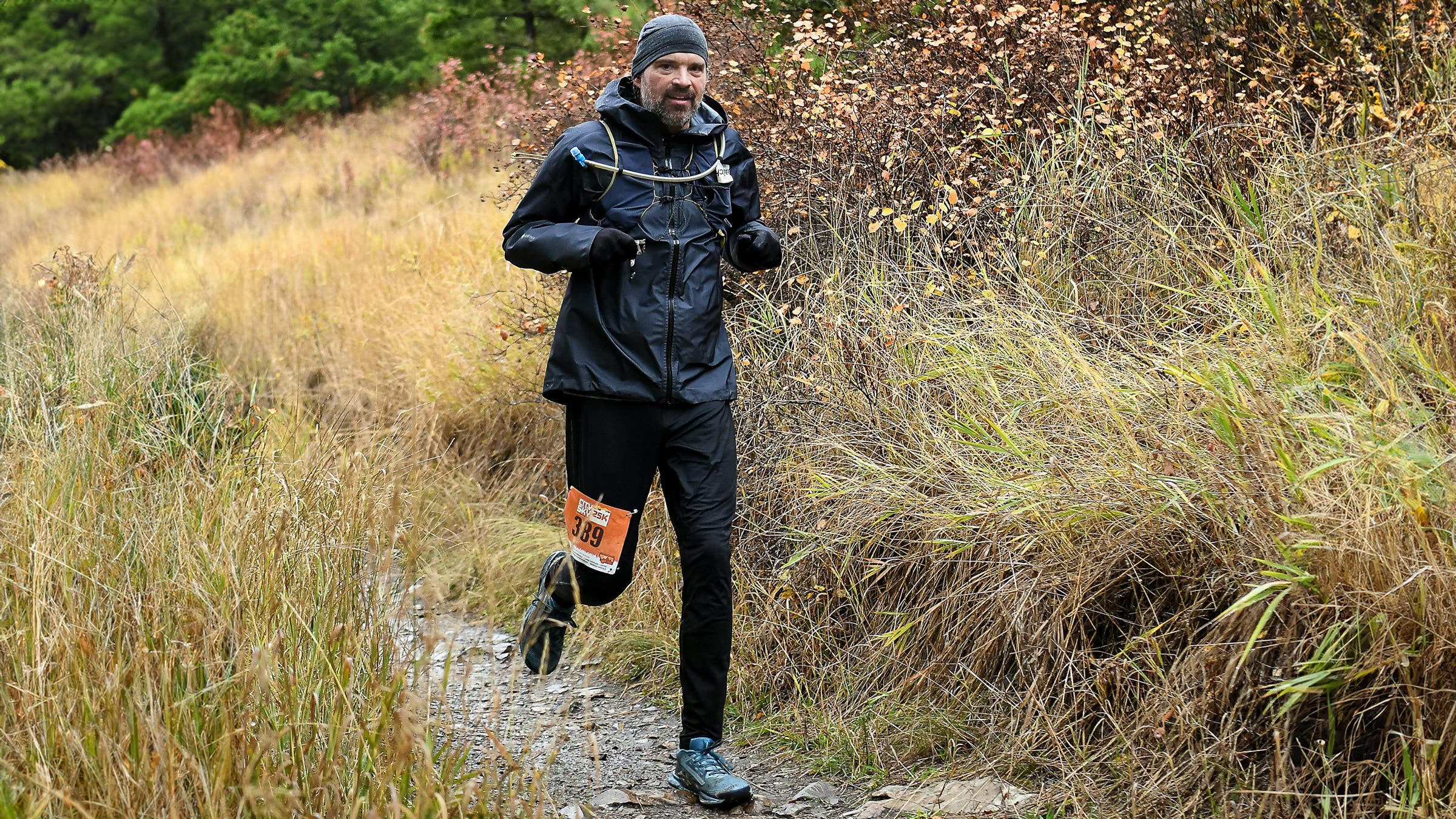
Tailored specifically for high-output mountain runners, the Patagonia Storm Racer ($279; 7.2 oz) offers a three-layer H2No membrane and a 20-denier ripstop nylon face fabric. Following a redesign that replaced its dual-zipper vest configuration with a standard front chest zip, the jacket gained versatility for general hiking, cycling, and travel while remaining light enough to pack down to the size of a hockey puck.
Best Heavy-Duty Shell: Montane Alta XT
For extreme environments and professional applications, the Montane Alta XT ($720; 15.2 oz) utilizes a robust Gore-Tex Pro ePE laminate sandwiched between a 70-denier face fabric and a woven microgrid backer. Rigorously tested during commercial roofing work in Southeast Alaska’s monsoon conditions and early-winter ski mountaineering expeditions, the Alta XT proved virtually impervious to persistent moisture, heavy abrasion, and harsh winds.
Best Emergency Layer: Montane Featherlite Nano
Weighing a mere 1.8 ounces, the Montane Featherlite Nano ($180) functions as a packable, highly weather-resistant emergency shell. Built from Pertex Quantum 10-denier recycled nylon, it packs down to the size of a baseball, offering surprising durability and exceptional breathability for cyclists and day-hikers caught in unexpected downpours.
Economic and Technological Implications
The 2026 rain jacket market reflects broader shifts in textile manufacturing, notably the industry-wide transition toward PFC-free durable water repellent (DWR) coatings and recycled face fabrics. Environmental regulations and consumer demand for sustainable practices have forced legacy brands to re-engineer their proprietary membranes without sacrificing performance metrics like hydrostatic head pressure and moisture-vapor transmission.
Furthermore, price stratification in the current market underscores the compromise inherent in outdoor apparel selection. While ultra-premium hardshells exceeding $500 incorporate advanced ePE and Gore-Tex Pro membranes for professional-grade durability, budget-friendly alternatives have successfully closed the performance gap, providing recreational users with adequate storm protection at a fraction of the cost. Ultimately, gear analysts advise consumers to assess their specific activity profiles—balancing weight, durability, and breathability—to determine whether an all-around shell or a specialized quiver is best suited for their outdoor pursuits.