As the autumnal equinox approaches and seasonal shifts prompt a transition in outdoor recreation across North America and beyond, editorial teams at Backpacker magazine have concluded their rigorous September 2026 testing cycle. From the final late-summer paddling excursions to high-altitude expeditions in South America and gear evaluations along Wisconsin’s historic Ice Age Trail in preparation for the upcoming Spring 2027 Gear Guide, field testers continue to assess the durability, utility, and innovation of contemporary outdoor equipment.
The evaluation process for this month’s selected gear encompasses a diverse range of environments, mirroring the shifting demands placed on modern hikers, backpackers, and endurance athletes. Equipment performance in fluctuating temperatures, wet conditions, and high-output aerobic scenarios remains the baseline standard for inclusion in editorial field reports. Three distinct products emerged from September testing as notable highlights: a specialized survival knife designed for multidirectional utility, a high-performance alpaca wool technical sock, and a novel sublingual caffeine delivery system tailored for backcountry endurance.
Main Facts and Product Breakdown
Outdoor Element Flicker Feather Adventure Survival Knife
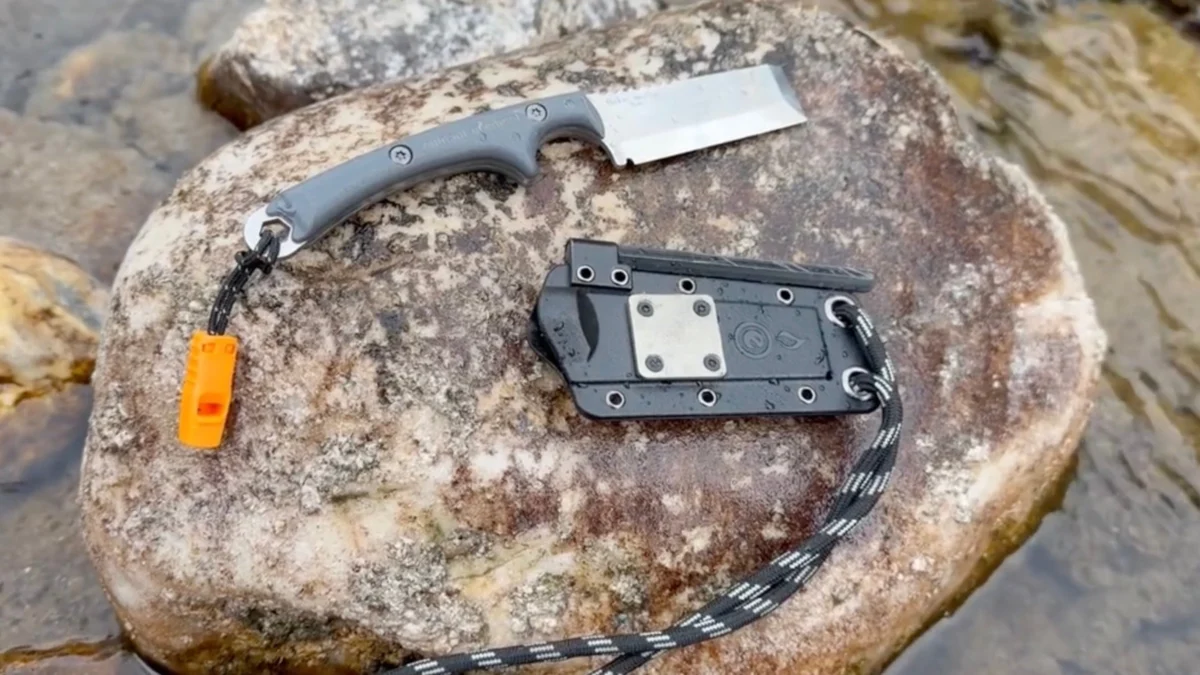
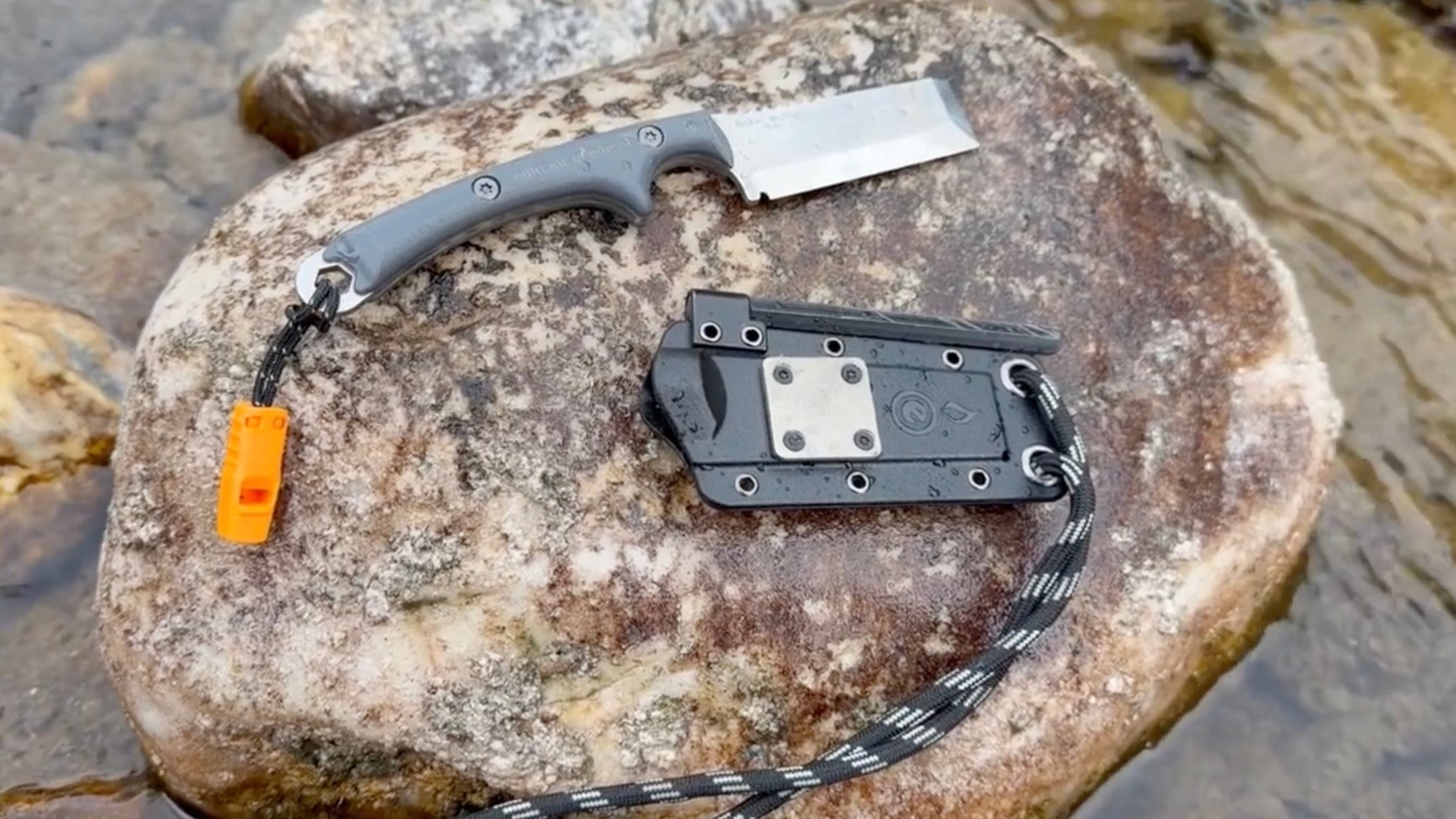
Priced at an accessible $60, the Flicker Feather introduces a departure from traditional fixed-blade designs by functioning primarily as a "survival chisel." The instrument features a VG10 steel blade distinguished by a flat tip, which incorporates a second, perpendicular sharp edge designed for specialized cutting and scraping tasks. The handle is contoured for ergonomic efficiency during precision tasks, though the single-direction bevel requires consumers to purchase specific right- or left-handed configurations.
The defining asset of the Flicker Feather system is its injection-molded hard-plastic sheath. Engineered for high-retention security, the locking mechanism prevents accidental displacement during rigorous movement. Mounting versatility is provided by a heavy-duty metal belt and strap clip, alongside a neck-lanyard integration. Furthermore, the sheath houses an integrated diamond-sharpening plate for field maintenance, a ferrocerium rod for fire-starting independence, and a high-decibel survival whistle secured through the knife’s pommel. Compared to traditional hiking-oriented fixed blades that often exceed $100, the Flicker Feather offers a comprehensive multi-tool survival ecosystem at a lower price point.
Paka Trail Crew Socks
Retailing at $25, the Paka Trail Crew socks represent a growing market shift toward alternative natural fibers in technical apparel. Moving beyond conventional merino wool, these socks utilize baby alpaca fiber, a material prized for its thermal regulation, exceptional softness, and natural antimicrobial properties that resist odor retention over multi-day excursions.
Engineered with targeted compression, the Trail Crew socks provide moderate arch support to mitigate foot fatigue during high-mileage days. Structural integrity is reinforced through an extended heel cushion that reaches higher up the Achilles tendon than standard footwear architecture, directly addressing premature wear patterns common around the stiff collars of trail running shoes and cycling footwear. According to manufacturer specifications, alpaca fiber possesses a lower water retention rate and a lighter weight profile compared to sheep’s wool, allowing the fabric to dry significantly faster after river crossings or heavy perspiration.
Buzz Bomb Caffeine Powder
Targeting the physiological demands of alpine starts and long-duration endurance journalism, Buzz Bomb offers an alternative to traditional liquid energy drinks and bulky coffee setups. Priced at $25 for a 20-packet supply, the product utilizes a sublingual delivery mechanism where a flavored, 1-gram powder is placed directly beneath the tongue to dissolve.
The manufacturer asserts that sublingual absorption bypasses the digestive tract, allowing active compounds to enter the bloodstream within approximately one minute for a rapid onset of alertness. Each single-serve packet delivers 50 milligrams of caffeine—roughly equivalent to a standard cup of black tea—which sits well below the 300-milligram concentrations frequently found in commercial energy drinks. Available in flavors such as Lemon Drop and Peach Mango, the product provides a controlled, measured stimulant intake designed to minimize the post-consumption crash associated with high-sugar energy products.
Chronology and Field Testing Timeline
The evaluation of the September 2026 gear selection followed a structured timeline coordinated across multiple geographical locations and climatic conditions.
Early September 2026: Field testing commenced in northern paddling zones, where late-season water sports offered initial baseline testing for moisture management and quick-drying apparel fabrics, such as the Paka alpaca wool socks. Footwear integration was monitored during repetitive wet-and-dry cycles typical of canoeing and kayaking expeditions.
Mid-September 2026: Editorial personnel relocated to high-altitude environments in South America to test equipment under conditions of thin air, variable barometric pressure, and fluctuating temperatures. During this phase, rapid-response stimulants like Buzz Bomb caffeine powder were monitored for efficacy during pre-dawn alpine ascents, where traditional liquid preparation methods are complicated by freezing temperatures and logistical constraints.
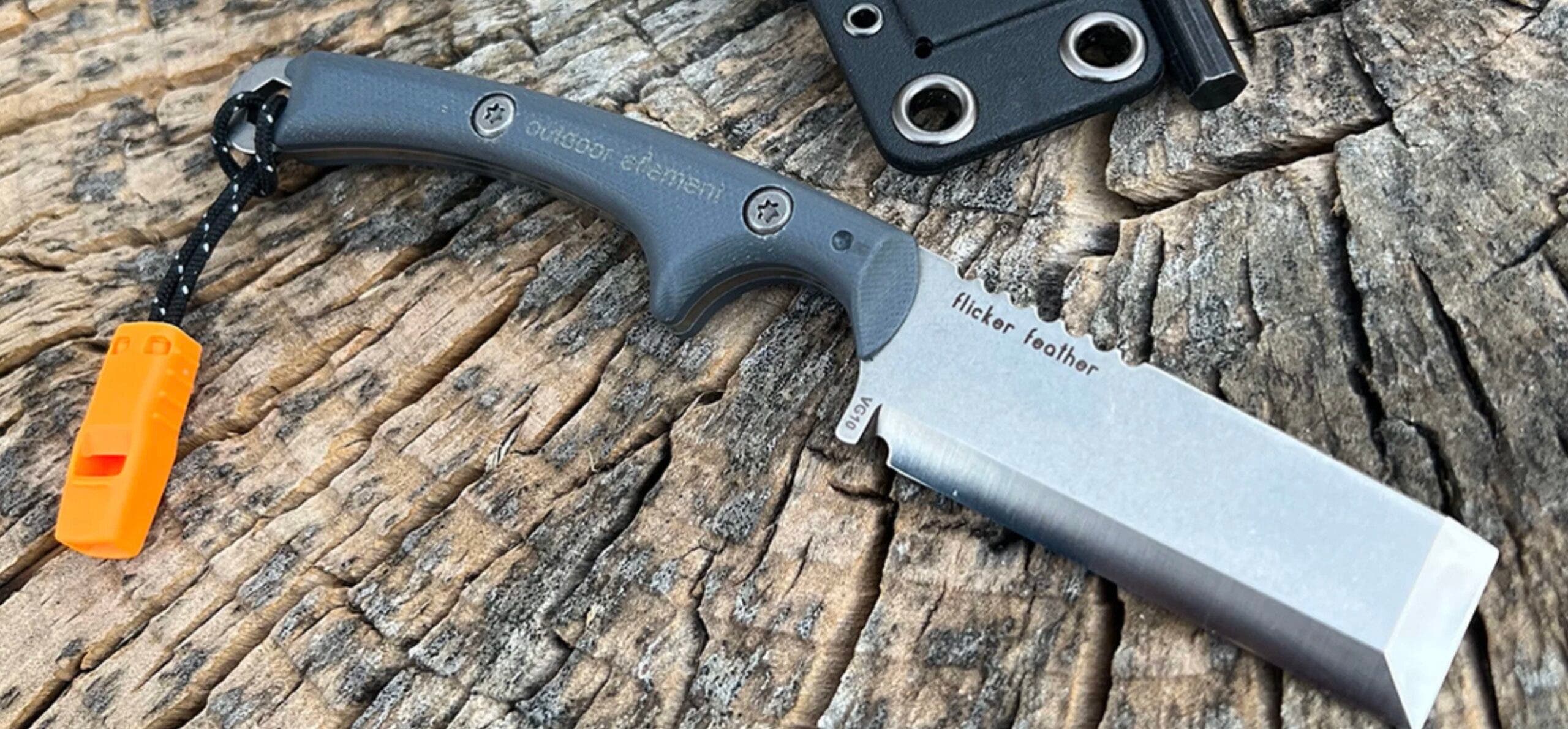
Late September 2026: The final phase of the monthly testing cycle took place along the Ice Age National Scenic Trail in Wisconsin. Spanning over 1,200 miles of glacial topography, this terrain provided a controlled environment for evaluating the durability of the Outdoor Element Flicker Feather survival knife and its integrated emergency systems. Field testers utilized the tool for campcraft, cordage processing, and simulated emergency fire-starting scenarios, while endurance metrics for footwear and socks were logged across consecutive days of high-mileage backpacking.
Supporting Data and Market Context
The outdoor gear industry in 2026 continues to experience sustained consumer demand for multi-functional, lightweight, and sustainably sourced equipment. According to recent market analysis reports by the Outdoor Industry Association (OIA), sales of technical day-hiking gear and modular survival accessories have seen a year-over-year increase of approximately 4.2%, driven largely by demographic shifts toward self-reliant backcountry recreation.
Material science trends indicate a rising preference for niche natural fibers. While merino wool has dominated the base-layer and sock market for over two decades, alternative fibers like alpaca—historically limited by processing costs—have become more commercially viable. Alpaca fiber’s hollow-core structure provides superior thermal insulation while maintaining a hydrophobic quality that repels moisture more effectively than untreated sheep’s wool.
In the nutritional and supplement sector, alternative delivery mechanisms have gained traction among endurance athletes seeking precise dosage control. Sublingual administration, long established in the pharmaceutical industry for rapid drug delivery, represents a growing subsector within sports nutrition, minimizing gastrointestinal distress often caused by the volume of fluid required to ingest standard energy gels or drinks.
Official Responses and Industry Implications
While independent product reviews serve primarily as consumer guides, manufacturers often incorporate field feedback to refine future iterations. Representatives for Outdoor Element noted that the specialized design of the Flicker Feather reflects a broader industry movement toward task-specific geometry rather than generalized utility blades. By integrating high-frequency survival components—such as the ferro rod, diamond sharpener, and whistle—into a single retention sheath, the product addresses the common backpacking issue of misplaced ancillary gear.
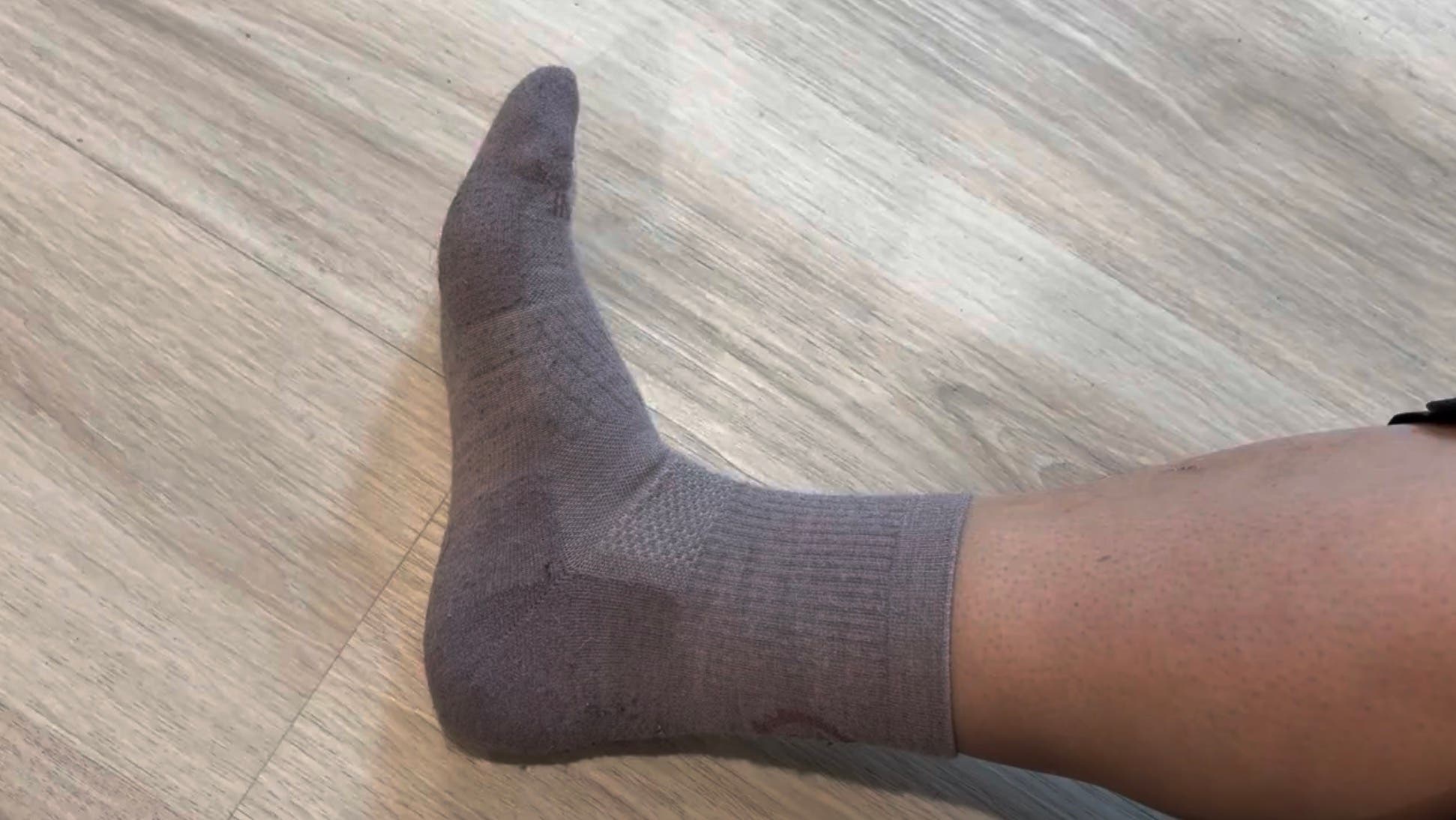
Paka’s integration of alpaca wool into technical hosiery highlights the commercial viability of ethical, direct-trade sourcing from Andean herders. Industry analysts suggest that consumer willingness to experiment with alternative textiles will likely prompt legacy outdoor brands to expand their natural fiber portfolios beyond standard sheep’s wool and synthetic blends.
Broader Impact on Backcountry Preparation
The selection of these three items underscores a broader shift in modern backpacking philosophy: the prioritization of modular efficiency, rapid physiological support, and weight reduction without a corresponding loss in durability. As equipment engineering advances, the line between emergency survival gear and everyday recreational equipment continues to blur.
For the contemporary outdoor enthusiast, the integration of specialized tools like the Flicker Feather, advanced natural-fiber socks, and compact nutritional aids reflects a broader trend toward minimalism and self-reliance in the backcountry. As testing continues through the remainder of the autumn season and preparations for the Spring 2027 Gear Guide ramp up, these field-tested benchmarks will inform forthcoming evaluations across the outdoor retail landscape.