The American grocery aisle has undergone a seismic shift over the past decade, transforming into a high-stakes laboratory where food manufacturers race to capitalize on the nation’s unquenchable thirst for protein. What began as a niche market dominated by chalky powders for bodybuilders has ballooned into a colossal $9.4 billion industry, expanding by roughly 50 percent over the last ten years. Today, shoppers are greeted by an overwhelming array of everyday pantry staples injected with supplemental protein, ranging from conventional dairy to unexpected items like breakfast cereals, sodas, and bread. While this macro-nutrient obsession may prompt eye rolls from nutritional purists, it holds a distinct, functional allure for outdoor athletes—hikers, mountaineers, skiers, and cyclists—who require dense, lightweight, and shelf-stable calories to fuel grueling excursions.
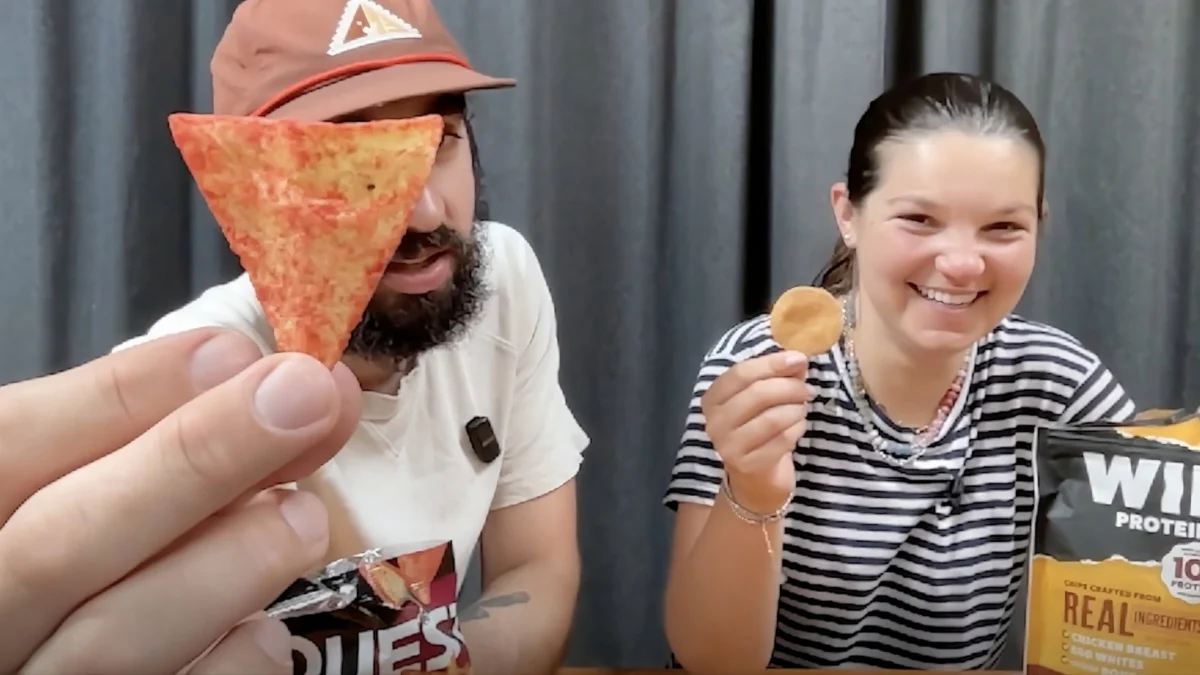
However, nutritional labels telling only half the story has become the dirty secret of the functional food boom. For backpackers trekking fifty miles through alpine passes or skiers logging vertical feet in sub-zero temperatures, palatability is not merely a luxury; it is a critical factor in maintaining caloric intake when physical exhaustion suppresses appetite. Recognizing this dilemma, Backpacker Editor-in-Chief Adam Roy and SKI Senior Editor Jamie Aranoff recently embarked on a supermarket reconnaissance mission. The duo swept through local grocery aisles to hunt down seven of the most confounding, hyper-processed, protein-fortified products on the market. Armed with curiosity and a camera, they put these laboratory-engineered snacks through a rigorous, highly subjective on-camera taste test to determine which items genuinely deserved a spot in a gas-station resupply pack and which belonged firmly on the shelf.
The Anatomy of the Protein Boom: From Gym Bags to Mainstream Shelves
To understand why supermarket shelves are suddenly saturated with items like chicken-breast chips and collagen-infused sodas, one must examine the broader socioeconomic shifts driving consumer behavior. Nutritional science in recent decades has increasingly emphasized the importance of protein for muscle protein synthesis, metabolic health, and satiety. Capitalizing on this awareness, food science and marketing teams have effectively mainstreamed sports nutrition.
Yet, this rapid commercialization has pushed manufacturers into a bizarre culinary arms race. Creating a high-protein version of a traditionally carbohydrate- or fat-heavy food requires complex chemical manipulation. Companies routinely rely on a Rolodex of isolated protein sources—including whey isolate, micellar casein, soy and pea protein isolates, canola protein, and bovine collagen peptides—to spike macronutrient numbers. While these isolates successfully drive up the gram count per serving, they frequently wreak havoc on texture, introducing a characteristic gumminess, chalkiness, or unyielding elasticity. Furthermore, masking the inherent bitterness or metallic tang of concentrated protein isolates often demands heavy reliance on artificial sweeteners like sucralose, sugar alcohols, and vibrant, lab-created food colorings.
For everyday consumers, these sensory compromises are often dealbreakers. But for outdoor athletes operating in caloric deficits, the calculation is frequently skewed toward utility over flavor. This tension formed the core hypothesis of Roy and Aranoff’s field test: Can ultra-processed, engineered foods bridge the gap between high-performance fueling and culinary basic human standards?
Putting the Experiment to the Test: Methodology and Findings
The editors’ curated selection of seven products spanned various food categories, testing the boundaries of how much protein a manufacturer can cram into a single serving without rendering the item entirely inedible.
1. Dessert in the Wilderness: Protein Pints
The taste test kicked off with Protein Pints, a high-protein ice cream alternative boasting 30 grams of protein and just 5 grams of sugar per container. While consuming an entire pint equates to three standard servings, the proposition of eating ice cream in the backcountry—or as a post-hike reward—carries inherent psychological comfort.
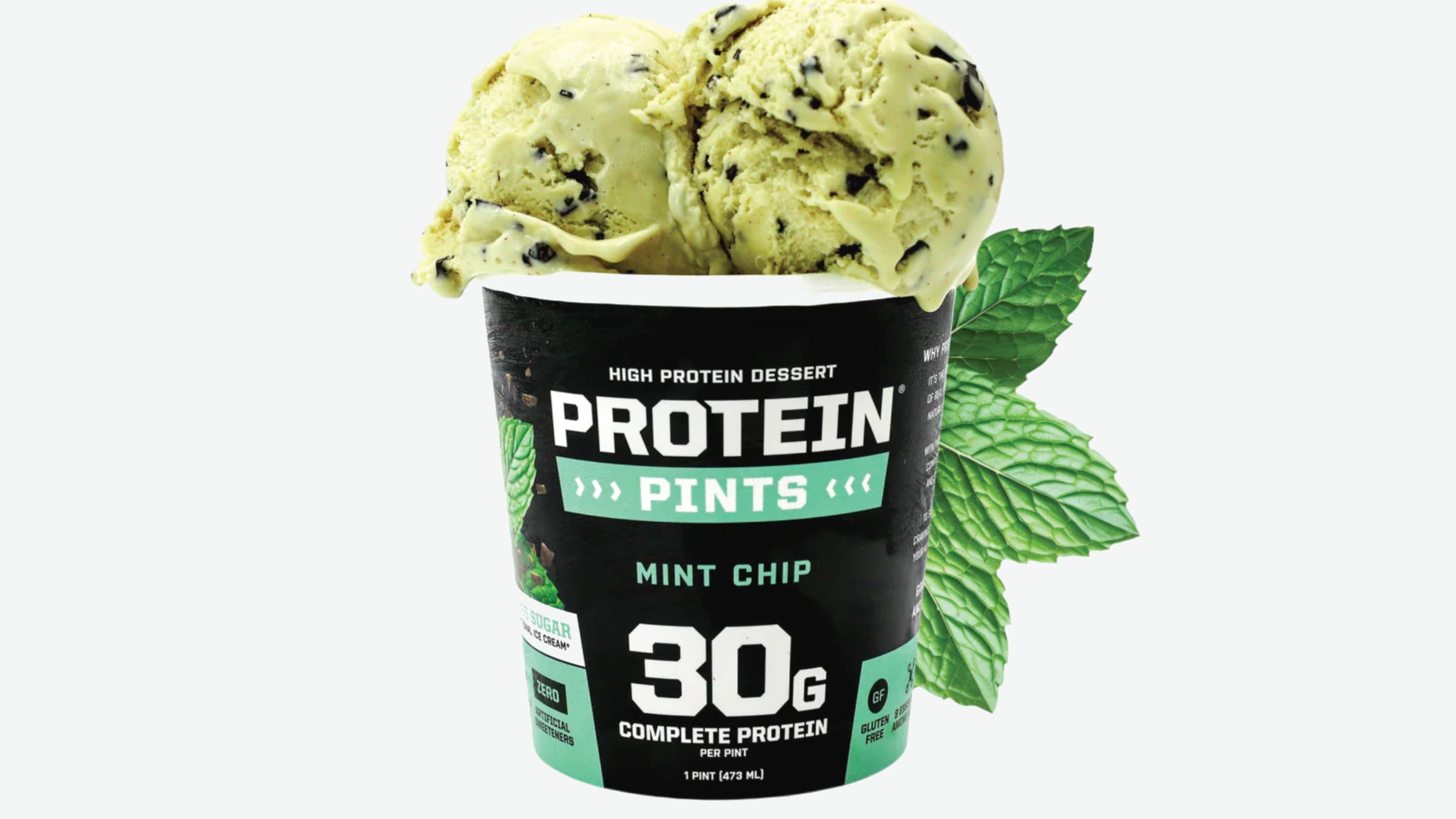
Upon cracking open the pint, Roy and Aranoff found the visual presentation surprisingly normal. Tasting the dessert revealed a largely serviceable profile. While it lacked the ultra-luxurious creaminess of premium, high-fat dairy ice cream, it avoided the dreaded grainy texture common to many frozen diet treats. Roy awarded the product a solid 3 out of 5, noting that while it would never win a gourmet competition, it functioned well enough as standard grocery store fare.
2. The Great Salty Divide: Protein Chips
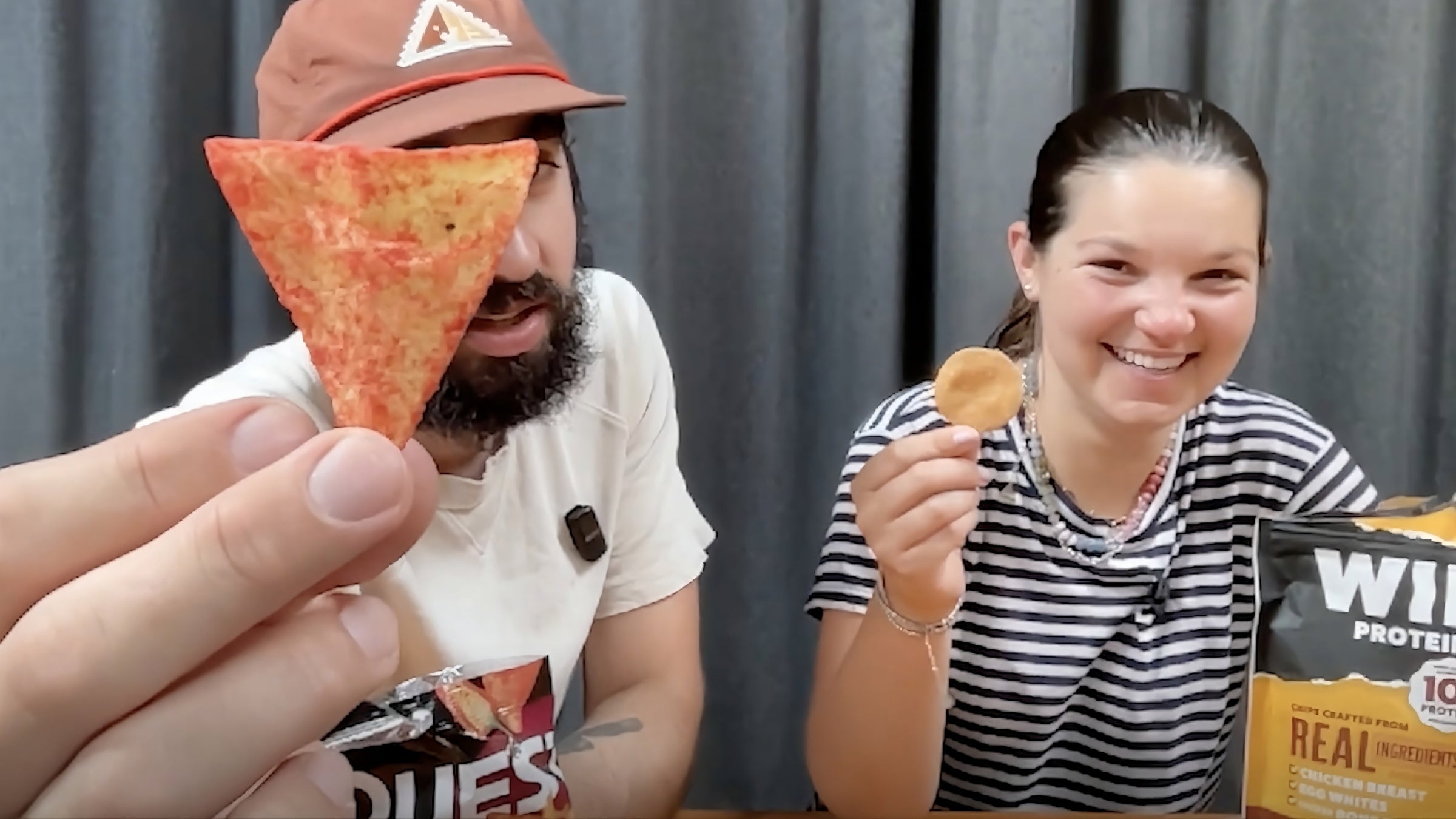
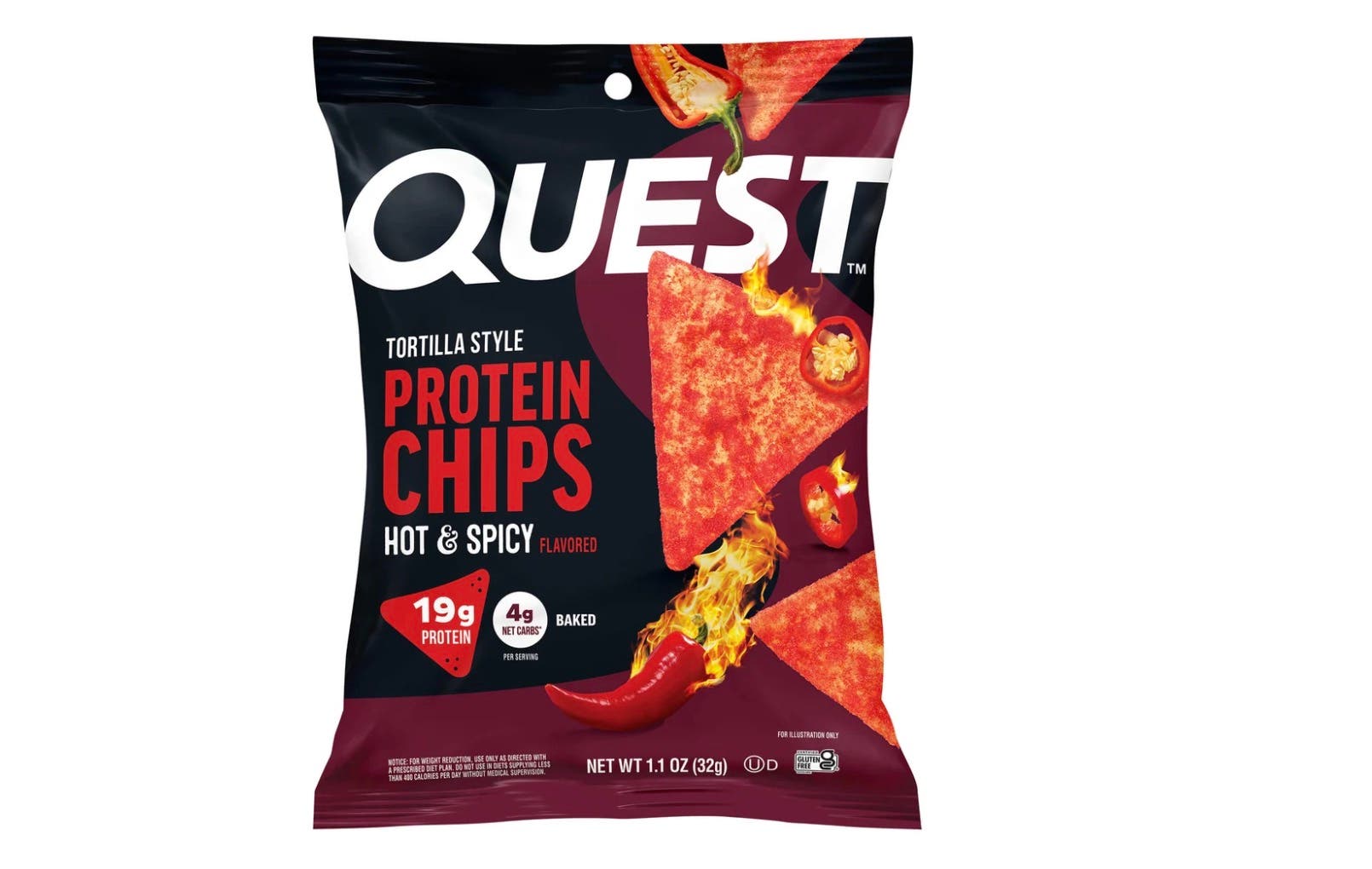
Next came a direct comparison of savory snacks: Quest Hot and Spicy Tortilla Style Protein Chips and Wilde Protein Chips. Because Roy maintains a vegetarian diet while Aranoff eats gluten-free, the pair split tasting duties, highlighting how dietary restrictions further complicate backcountry meal planning.
The Quest chips deliver 19 grams of protein per bag, relying on a straightforward dairy blend of milk protein isolate and whey protein isolate. Visually, however, the chips were coated in an aggressively bright red dust that Roy likened to something "a mad scientist made… that the Joker is going to pour in Gotham’s water supply." Despite their unnatural appearance, the chips surprised the testers with a genuinely crispy texture.
Conversely, the Wilde chips utilized a more natural ingredient deck anchored by antibiotic-free chicken breast, supplemented by tapioca starch, pressed sunflower oil, egg whites, and bone broth. While this formula earned points for ingredient transparency, the execution faltered significantly in the flavor department. Aranoff noted that the chips suffered from a bizarre, conflicting flavor profile reminiscent of "chicken and maple syrup." Both editors assigned low marks—around 2 out of 5—concluding that while the structural crunch was impressive, the seasoning chemistries required substantial refinement.
3. Effervescent Engineering: Protein Sodas
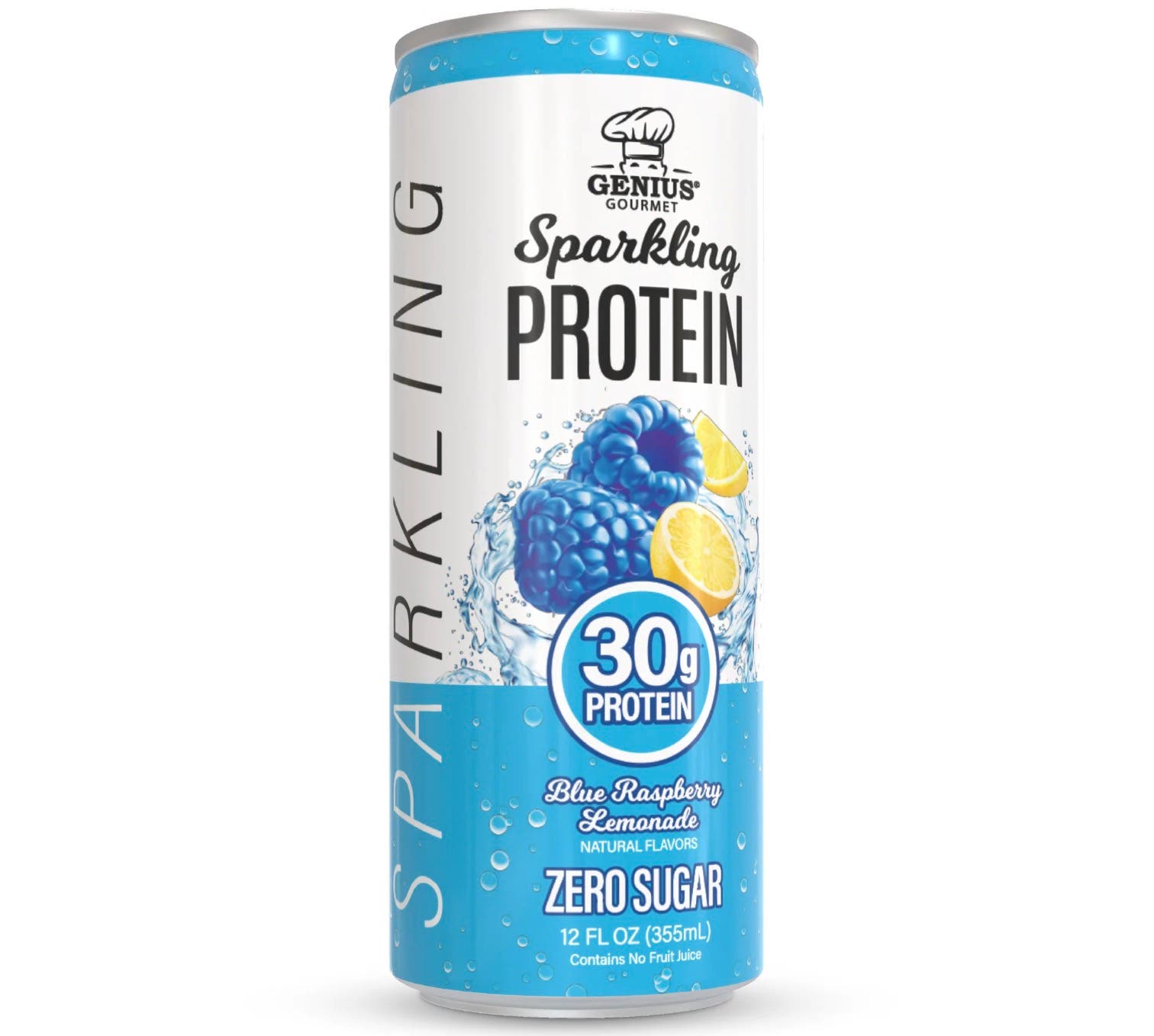
Beverages represent one of the trickiest frontiers for protein fortification, as mixing proteins into an acidic, carbonated liquid easily leads to stability issues and unpleasant mouthfeel. Roy sampled SkyPop Protein Soda in root beer flavor, while Aranoff tested Genius Gourmet Sparkling Protein in blue raspberry lemonade, which packed 30 grams of protein and zero sugar using a blend of whey and bovine collagen peptides.
Neither beverage inspired enthusiasm. Aranoff’s blue raspberry drink was excessively sweet and overwhelmingly artificial, earning a dismal 1.5 out of 5. Roy’s root beer presented visual warning signs immediately upon pouring, appearing cloudy rather than clear due to suspended protein solids. While it possessed a faint root beer aroma, the heavy reliance on sucralose dominated the palate, leaving an enduring, unpleasant coating on the tongue. Roy rated it 1 out of 5, remarking dryly that if he were stranded on a thru-hike with only protein soda for hydration, he would "probably kill and eat a lizard."
4. Pocket-Sized Comfort: Protein Sweet Rolls
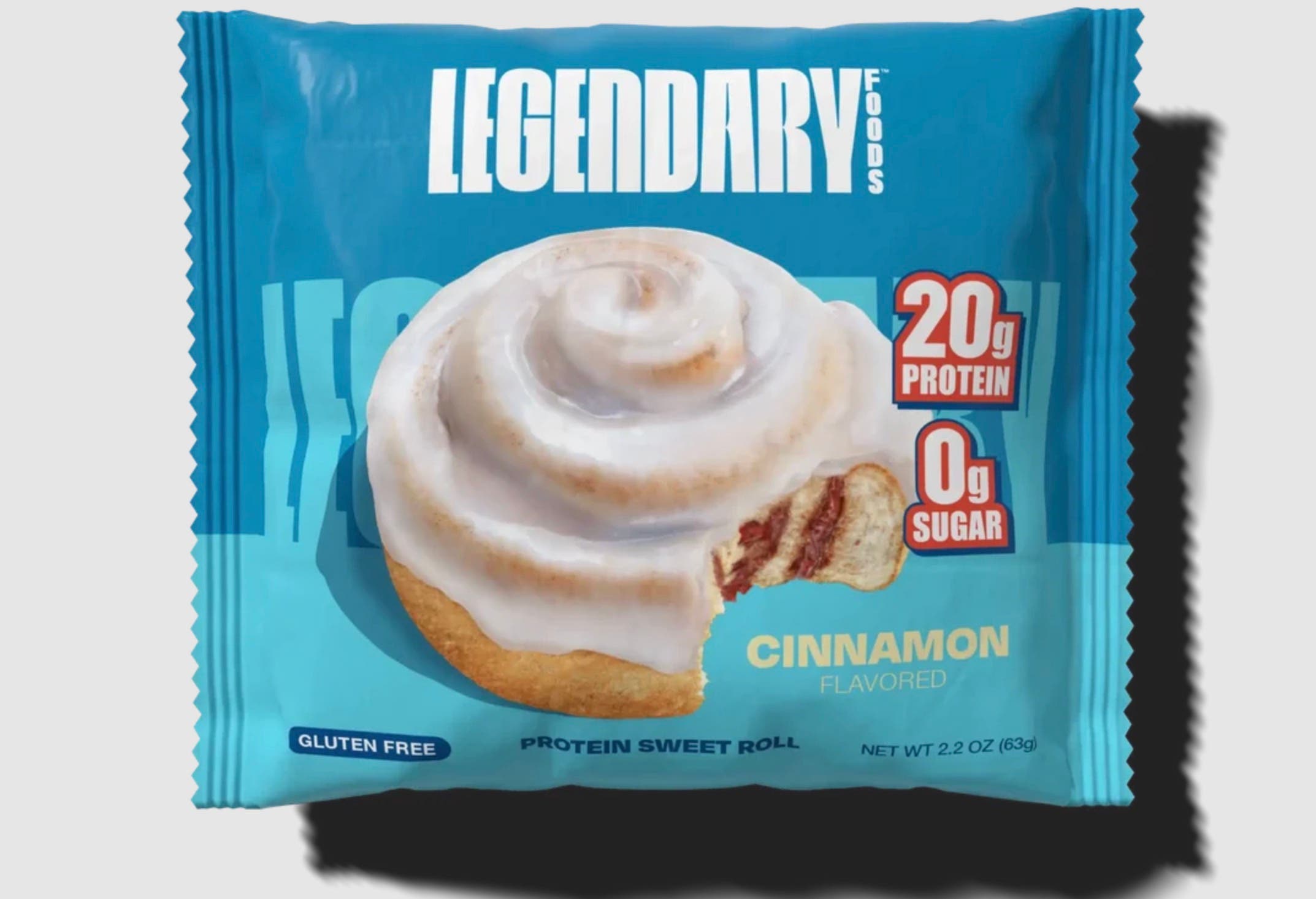
Shifting to baked goods, the editors evaluated the Legendary Cinnamon-Flavored Protein Sweet Roll. Individually wrapped and packing 20 grams of protein with only 5 grams of carbohydrates, the pastry immediately appealed to Aranoff as a practical, pocket-portable snack for skiers.
To Roy’s mild embarrassment, he confessed to being a regular consumer of the product. Utilizing a protein source of micellar casein and collagen peptides, the pastry managed to avoid the radioactive colorings seen in previous tests, featuring a visual presentation suggestive of actual cinnamon. Structurally, it offered a dense yet manageable consistency that would resist crumbling inside a ski jacket. Scoring a 3.5 out of 5—the highest mark of the session—the sweet roll was praised as the least offensive and most practically viable option for athletes requiring quick, portable macronutrients.
5. The Heavyweight Contender: Protein Bread
The final evaluation turned to Oroweat Honey Oat Protein Bread. Transforming standard sandwich bread into a high-protein vehicle requires a complex matrix of soy protein isolate, pea protein isolate, canola protein isolate, whey protein concentrate, and vital wheat gluten.
Because the bread contained gluten, Roy tackled the tasting solo. Handling the slice revealed an unusual physical property: pressing down on the bread caused it to spring aggressively back into place, a direct mechanical consequence of the high gluten concentration. Biting into the slice offered an intense chew reminiscent of brioche, but without the tender give. Roy noted that eating a sandwich made from the bread would provide an inadvertent jaw workout. Though functional for building a structurally sound peanut butter and jelly sandwich that could survive the bottom of a pack, the gummy texture earned it a modest 3 out of 5 rating.
Nutritional Realities vs. Marketing Hype: Expert Analysis
Stepping back from the humor of the taste test, the exercise underscores a broader nutritional debate regarding the necessity of heavily processed functional foods. Registered dietitians and sports nutritionists generally agree that while athletes require elevated protein intake—typically ranging from 1.2 to 2.0 grams per kilogram of body weight depending on training intensity—these targets are easily achieved through whole-food diets.
Natural sources such as lean meats, poultry, fish, eggs, dairy, legumes, tofu, and tempeh provide complete amino acid profiles alongside essential micronutrients, fiber, and healthy fats that engineered isolates simply cannot replicate. Furthermore, heavy reliance on ultra-processed protein products can lead to gastrointestinal distress during high-output endurance activities, as artificial sweeteners, sugar alcohols, and concentrated isolates frequently trigger bloating, cramping, and digestive urgency.
Nevertheless, experts acknowledge the pragmatic realities of human behavior in extreme environments. When an endurance athlete is burning 4,000 to 6,000 calories a day on a multi-day mountaineering expedition, weight, volume, and shelf-stability dictate food choices. In those specific scenarios, convenience products like protein bars or dense baked goods serve a legitimate purpose by preventing acute caloric deficits—commonly known in the outdoor community as "bonking."
Broader Implications for the Outdoor Industry
The proliferation of functional foods reflects a broader cultural convergence between wellness, fitness culture, and outdoor recreation. As outdoor brands increasingly market their lifestyles to mainstream consumers, food manufacturers have eagerly followed, embedding themselves into the gear-shuttle and resupply ecosystem.
Yet, Roy and Aranoff’s field experiment serves as a cautionary tale for consumers susceptible to marketing buzzwords. While slapping "30g Protein" across a brightly colored label is an effective strategy for capturing attention in grocery aisles, it offers zero guarantee of culinary satisfaction or optimal nutritional value.
Ultimately, the editors concluded that while engineered protein products can act as a useful emergency parachute when whole foods are logistically impossible, they should never permanently replace a balanced diet grounded in real, minimally processed ingredients. For athletes striving to optimize their performance, the true path to strength still lies in the kitchen and the natural camp stove, rather than the synthetic chemistry of the convenience store snack aisle.