









The enduring quest for the ultimate trail ration has historically been dominated by products engineered for maximum shelf life, structural resilience, and high caloric density. For decades, outdoor enthusiasts traversing rugged landscapes like the Appalachian Trail (AT) and the Pacific Crest Trail (PCT) have relied on a predictable rotation of nutrient-dense, ultra-processed foods: peanut butter tortillas, dried fruit, chocolate-infused energy blocks, and dense oat bars designed to stave off hunger over grueling elevation gains. Yet, a persistent culinary experiment within the outdoor industry has been the savory energy bar—a category traditionally plagued by low consumer adoption. Over the past two decades, successive waves of manufacturers have attempted to disrupt the sweet-leaning snack market by introducing oat- and soy-based bars flavored with rosemary, sea salt, curry, and black pepper. Universally, these attempts have struggled to gain mainstream traction, with the vast majority disappearing from shelves within months of their commercial launch due to lackluster consumer reception.
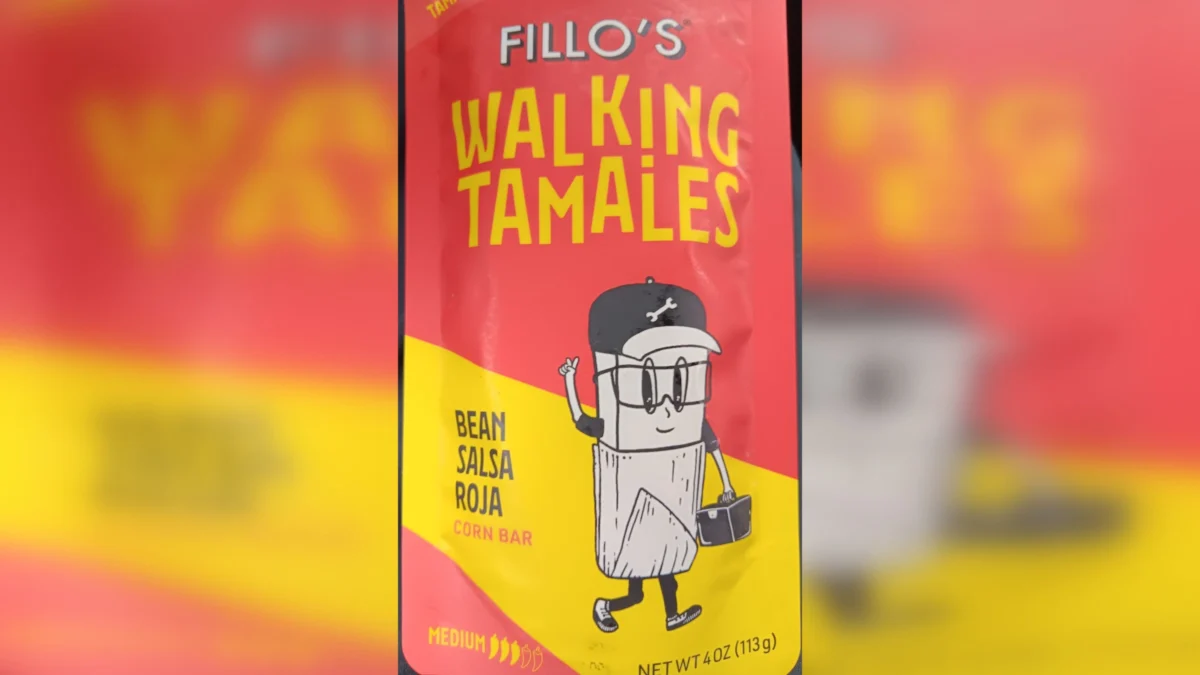
However, the rapid ascent of ready-to-eat savory meal alternatives—most notably exemplified by Fillo’s Walking Tamales—demonstrates a fundamental shift in what modern backpackers demand from their backcountry provisions. Launched commercially in 2022, these packaged tamales have transitioned from a localized culinary novelty into an established favorite among thru-hikers and weekend backpackers alike. Recognized broadly across outdoor media platforms and community forums, the product has defied the historical failure rate of savory snack innovations by leaning into a culturally familiar, deeply traditional flavor profile rather than attempting to reinvent the energy bar through artificial savory flavorings.
Redesigning a Cultural Staple for Extreme Environments
The core innovation behind the product lies in its mechanical and culinary redesign. Traditional tamales, which hold a revered place in Latin American cuisine, typically consist of seasoned corn masa wrapped around a protein center—such as shredded pork, chicken, or cheese—and enclosed within a corn husk or banana leaf for steaming. While deeply satisfying in a domestic setting, traditional tamales are fundamentally unsuited for the demands of long-distance backpacking. They possess a high moisture content, require refrigeration or immediate consumption, spoil rapidly, and lack the structural integrity required to survive being compressed inside a tightly packed rucksack.
Fillo’s addressed these logistical hurdles by altering the internal architecture of the food item. Rather than encasing a distinct filling within a delicate outer dough, the brand’s culinary engineers mixed the vegan fillings directly into the masa dough before flattening the entire composition into a sleek, uniform bar format. This manufacturing process yields a slim profile capable of fitting effortlessly into the pocket of a hiking pant or a minimalist fanny pack. Furthermore, the resulting product boasts exceptional durability. Field tests and consumer reports indicate that the structural integrity of the bar remains uncompromised even under heavy pressure, enduring the rigors of multi-day excursions without crumbling or disintegrating.
The elimination of the traditional corn husk in favor of a sealed, flexible plastic barrier also alters the user experience. While the smooth texture of the exterior can initially feel unconventional to consumers accustomed to traditional corn-husk-wrapped tamales, the trade-off is absolute protection against ambient moisture, dirt, and crushing forces.
Culinary Composition and Flavor Profiles
The gastronomic foundation of the product relies on clean, recognizable, pantry-staple ingredients rather than laboratory-engineered isolates. The most widely distributed and commercially successful varieties are the Bean Salsa Roja and the Bean Salsa Verde. These iterations utilize a base blend of mayocoba beans and chickpeas, combined with quality olive oil, spices, and specific regional peppers. The Verde variety incorporates tomatillos and serrano peppers, imparting a bright, clean acidity and a mild kick, while the Roja variety utilizes guajillo and chile de arbol peppers to deliver a deeper, earthier spice profile.
Unlike many high-sodium, ultra-processed instant camp meals that require boiling water and dedicated cookware, these tamales are designed for immediate consumption in either a heated or ambient state. While some hikers utilize a canister stove to warm the package directly in its wrapper, the vast majority consume the product cold, straight from the packaging. This operational simplicity eliminates stove setup time, conserves fuel, and allows hikers to maintain forward momentum without pausing for a lengthy midday meal break.
Beyond the bean-based varieties, the brand has expanded its offerings to include alternative flavor profiles, such as an Elotes style, alongside dessert-inspired variants like Mexican Chocolate Almond and Peanut Butter Piloncillo. However, consumer adoption has skewed heavily toward the savory bean lines, with users praising the balance of creamy legumes and authentic pepper heat as a welcome respite from the overwhelmingly sweet profile of standard energy gels and breakfast bars.
Nutritional Trade-Offs and Weight Management
From a nutritional and physiological standpoint, long-distance backpacking requires careful calculation of caloric efficiency relative to carrying weight. Every ounce in a pack translates to expended energy over miles of trail, prompting hikers to maximize caloric density—typically measured in calories per ounce. Traditional ultra-dense trail foods, such as pure peanut butter or specialized expedition rations, often deliver well over 150 calories per ounce.
In contrast, Fillo’s Walking Tamales present a distinct nutritional profile. Weighing in at approximately four ounces per package while yielding roughly 250 calories, they offer a lower calorie-to-weight ratio than traditional high-fat or high-sugar endurance foods. Consequently, experienced backpackers generally view them not as the foundational calorie source for multi-week expeditions, but rather as a strategic morale booster and a reliable meal solution for the first few days following a resupply stop, or for long weekend trips where total pack weight is less critical.
The psychological component of trail nutrition, while difficult to quantify, plays a critical role in the completion rates of long-distance trails like the Appalachian Trail and Pacific Crest Trail. Nutritional fatigue—the psychological aversion to eating the same sweet, highly processed bars day after day—is a documented phenomenon among thru-hikers. The introduction of a savory, moisture-rich, authentic meal alternative addresses this psychological fatigue, providing a tangible mental reward that encourages hikers to maintain their daily mileage goals.
Implications for the Outdoor Food Industry
The commercial trajectory of savory, traditional-style meal bars offers broader lessons for the broader outdoor and convenience food sectors. For decades, the dominant market assumption was that hikers desired engineered performance foods designed exclusively around metrics of macro-nutrient optimization. The success of products that bridge the gap between cultural cuisine and convenience indicates a consumer preference shift toward authentic, whole-food-based ingredients that offer emotional comfort alongside baseline nutrition.
As outdoor brands continue to innovate within the lightweight nutrition space, the emphasis is moving away from synthetic flavor innovation toward the adaptation of culturally rich, globally diverse foods engineered to withstand extreme environments. Whether navigating the rugged terrain of the Ice Age Trail in Wisconsin or conquering high-alpine passes along the western ranges, modern adventurers are increasingly voting with their wallets for provisions that prioritize culinary authenticity. The ongoing integration of these products into mainstream gear checklists suggests that the era of the one-size-fits-all sweet protein bar is facing robust competition from diverse, savory alternatives that redefine what it means to eat on the move.