






Capturing a marriage proposal represents one of the most high-stakes assignments in the professional photography industry. Unlike a staged portrait session or a structured wedding day, a proposal is a singular, unrepeatable event defined by raw emotion, unpredictable timing, and immense psychological pressure. For the photographer, the challenge lies in balancing technical precision with the need for near-invisible documentation. As the demand for professionally captured "surprise engagements" continues to rise, photographers must transition from traditional portraitists to clandestine observers capable of narrative storytelling under extreme conditions.

The Evolution of Engagement Documentation
The shift toward hiring professional photographers for surprise proposals is a relatively modern trend, fueled by the rise of social media and the desire for high-quality, cinematic-style content. According to industry surveys from wedding planning platforms, nearly 60% of modern couples now prioritize professional photography for the proposal moment itself, a significant increase from the candid, amateur documentation that dominated the market a decade ago.
This transition has elevated the standards of the craft. Clients no longer seek simple snapshots; they demand a comprehensive visual narrative that spans the anticipation, the climactic "yes," and the immediate aftermath of the engagement. Meeting these expectations requires a rigorous approach to logistics, technical preparation, and emotional intelligence.

Chronology of a Successful Proposal Shoot
A successful proposal shoot is rarely the result of spontaneity; it is the culmination of a precise, multi-phase timeline.
Phase 1: Pre-Event Coordination (The Planning Stage)
Weeks or even months before the event, the photographer must establish a clear line of communication with the client. This stage involves selecting a location that provides both visual appeal and logistical cover. A site visit is essential. During this scouting process, the photographer must identify "blind spots"—areas where they can remain concealed from the couple while maintaining a clear line of sight to the intended proposal spot. It is during this time that the photographer often provides guidance on the "proposer’s positioning," ensuring the partner will be facing the camera rather than turning their back to the lens when the ring is produced.

Phase 2: The Staging (Hours Before the Event)
On the day of the proposal, the photographer should arrive at the site at least 30 to 45 minutes early. This buffer period is critical for testing light, identifying potential environmental hazards—such as encroaching tourists or shifting shadows—and finalizing the camera settings. Professional photographers often utilize a "dummy" subject or a collaborator to verify that the autofocus and exposure settings are calibrated for the specific distance and lighting conditions of the scene.
Phase 3: The Climax (The Moment of Impact)
When the couple arrives, the photographer’s primary directive is to remain undetected. This requires the use of long-range lenses, such as the 70-200mm f/2.8, which allow the photographer to maintain a significant physical distance while capturing intimate facial expressions. The sequence of shots should move from the wide, environmental context to the tighter, emotional reaction of the recipient.

Phase 4: The Post-Proposal Portraiture
Once the initial shock and emotion have settled, the photographer shifts from a "fly-on-the-wall" observer to a director. This is the opportunity to transition the session into a mini-engagement shoot, capitalizing on the high-energy emotional state of the couple to capture authentic, high-quality portraits that the couple will cherish for a lifetime.
Technical Parameters for High-Stakes Environments
Professional reliability in proposal photography is built upon a foundation of "safe" technical settings. Because the moment is fleeting, the margin for error is non-existent. Photographers typically adhere to the following technical standards:

- Shutter Speed: To account for sudden movements or excited reactions, a shutter speed of at least 1/400th of a second is recommended to eliminate motion blur.
- Aperture: While wide-open apertures (f/1.2 or f/1.4) offer beautiful bokeh, they often present a shallow depth of field that can lead to focus errors. An aperture between f/2.8 and f/4 is often considered the industry "sweet spot," ensuring both subjects remain sharp even if they are moving.
- File Format: Shooting exclusively in high-bit-depth RAW is mandatory. This allows for post-processing adjustments in exposure and white balance, which are often necessary if the light changes rapidly during the event.
The Role of Narrative Storytelling
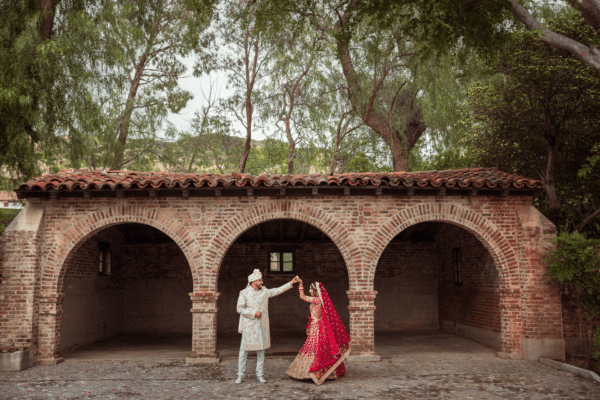
The most effective proposal galleries do not merely document a knee hitting the ground; they narrate a story. Successful photographers utilize a "wide, medium, tight" framework to provide visual depth.
- The Wide Shot: Establishes the setting, providing context for where the life-changing moment occurred.
- The Medium Shot: Captures the couple’s body language and the immediate interaction between them.
- The Tight Shot: Focuses on the details—the tear in the eye, the trembling hands, and the expression on the face of the partner.
Furthermore, documenting the ring itself is a vital component of the final delivery. Macro-photography of the jewelry, often placed against a meaningful backdrop or the couple’s joined hands, serves as a symbolic conclusion to the narrative.

Industry Implications and Professional Conduct
The proliferation of proposal photography has implications for how photographers market their services. Many professionals now offer "proposal planning packages," which include coordination with florists, musicians, or venue managers. This shift underscores the role of the photographer as a creative consultant.
However, the psychological component remains the most challenging aspect of the profession. Proposers are frequently in a state of high anxiety. A seasoned photographer acts as a stabilizing force; their presence should be calming and professional. By providing clear, pre-arranged instructions—such as "make sure to stand on this specific patch of grass" or "keep the ring box hidden in your jacket pocket rather than your pants"—the photographer empowers the client to focus on the emotional significance of the moment rather than the technical execution.

Addressing Potential Risks
Risk mitigation is a core component of professional proposal photography. Photographers must account for public interference, sudden weather changes, and technical equipment failure. To minimize risk, professionals always carry a backup camera body and memory card. If a location is public, they often coordinate with the client to have a friend or family member act as a "buffer" to keep onlookers at a distance, ensuring the integrity of the shot is not compromised by photobombers.
Conclusion: The Lasting Value of the Image
The value of proposal photography lies in its ability to freeze time at a point of irreversible transition. While the technical skills—lens selection, shutter speed management, and location scouting—are essential, they are ultimately in service to the emotional truth of the event. As the industry matures, the focus remains fixed on the photographer’s ability to act as a silent witness, capturing a memory that, for the couple, will serve as the cornerstone of their shared history. Through meticulous preparation and a disciplined approach to the craft, the photographer ensures that the most nerve-wracking moment in a person’s life becomes a flawlessly preserved legacy.