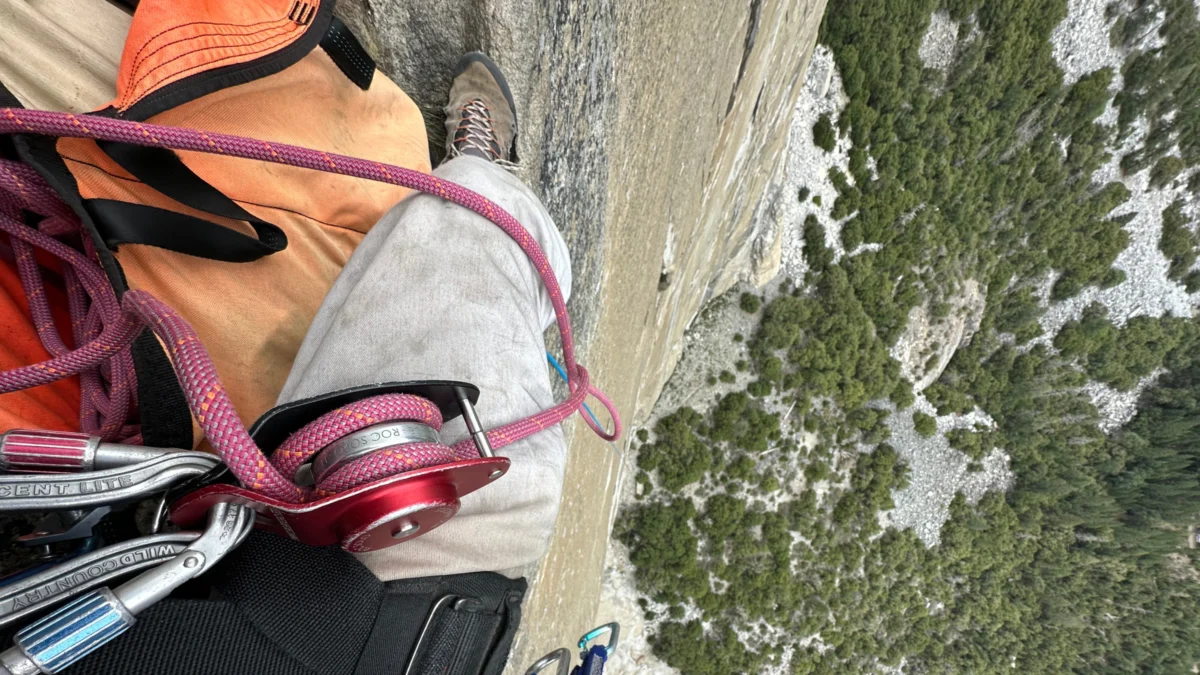
Lead rope soloing occupies a singular space in the mountaineering world, characterized by a small but highly dedicated subculture that operates at the intersection of technical ingenuity and extreme risk management. For decades, the discipline has been hindered by a lack of specialized hardware, forcing practitioners to repurpose devices designed for industrial access or traditional partner-belaying. However, a significant shift is underway in the climbing industry, marked by the recent introduction of the Roc Solo—a device that promises to bridge the gap between mechanical reliability and the fluid movement required for high-end free climbing.
The Evolution of the Self-Belay System
The fundamental challenge of rope soloing is the "belay paradox": a device must feed rope effortlessly to allow the climber to ascend without physical resistance, yet it must lock instantly and securely the moment a fall occurs. Historically, climbers have relied on improvised solutions, such as a clove hitch tied to a locking carabiner. While inherently safe due to its simplicity and lack of mechanical failure points, the clove hitch is functionally prohibitive for any climb involving moderate to high technical difficulty, as it requires manual manipulation of the rope with every movement.
In 1986, the landscape shifted with the introduction of the Rock Exotica Silent Partner. This device revolutionized the niche by utilizing a centrifugal clutch mechanism. When the climber ascended, a drum allowed the rope to pay out freely; during a fall, the increased rotational velocity engaged the internal clutch, cinching a clove hitch around the drum to arrest the climber. Despite its revolutionary design, the Silent Partner faced commercial headwinds. High manufacturing costs and a limited consumer base led Rock Exotica to cease production in 2008.
Following the discontinuation of the Silent Partner, the second-hand market for the device became a phenomenon. As the popularity of rope soloing surged in the 2010s—driven by social media communities and the rise of digital forums where enthusiasts dissected gear performance—the Silent Partner became a relic of near-mythical status. Units regularly sold for upwards of $1,000, as no other manufacturer had successfully brought a mass-produced, purpose-built competitor to market. Although the patent expired in 2009, it would take nearly two decades for a startup to fill the void.
Roc Amadeus and the Birth of the Roc Solo
In April 2026, the French startup Roc Amadeus formally unveiled the Roc Solo. Founded by Wolfgang Putzhammer and Stéphane Mauvais, the company sought to apply modern engineering standards to the decades-old concept of the drum-based self-belay. The inspiration for the device was born from a near-fatal accident: in 2018, Putzhammer suffered a serious fall while testing a standard Petzl Grigri for rope soloing. The device failed to engage correctly, resulting in a ground fall and severe tendon injuries. This experience served as the catalyst for a multi-year development cycle aimed at creating a safer, more compact, and more redundant alternative.
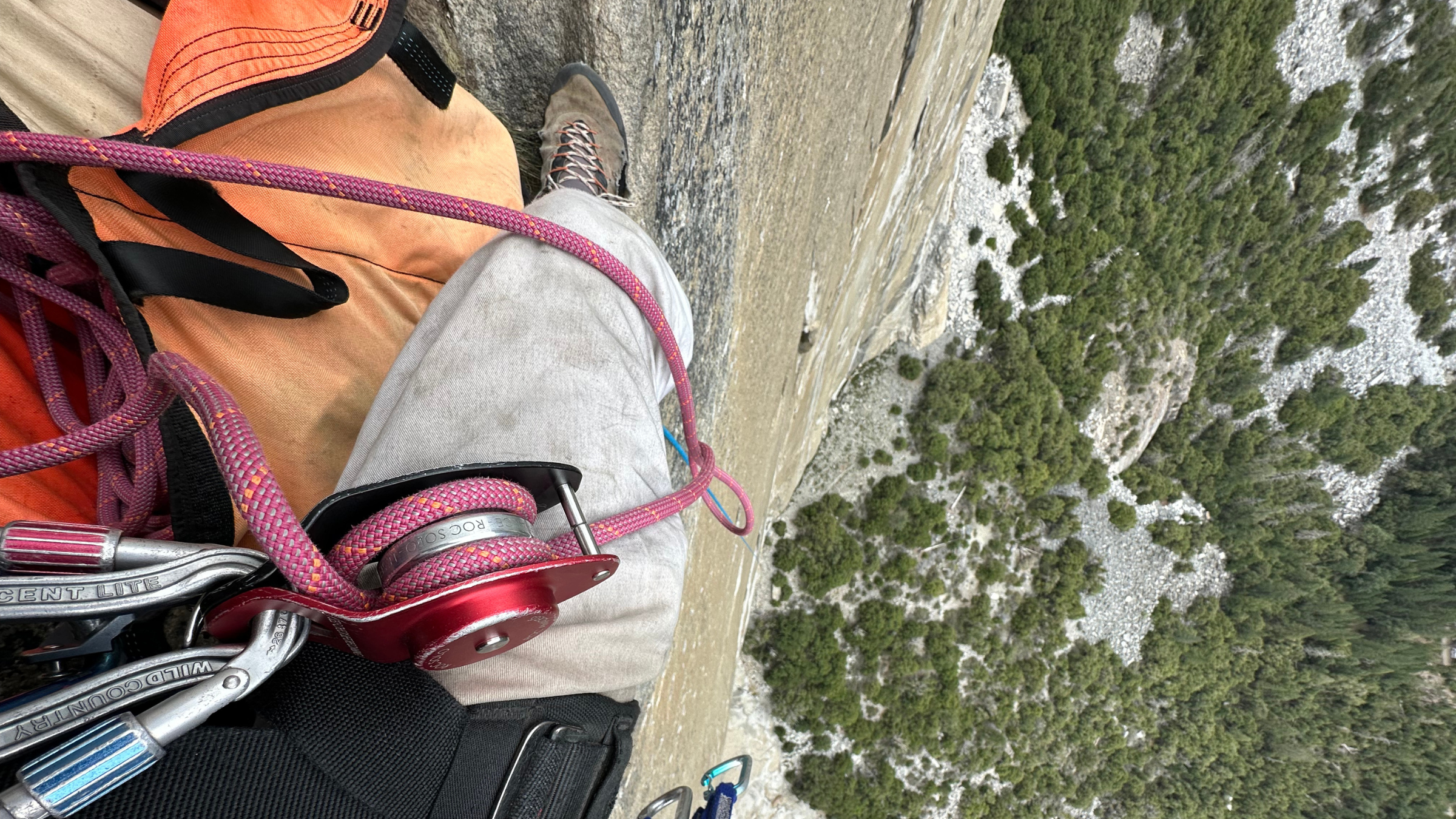
The Roc Solo is not a replica of the Silent Partner; it is an evolution. While the original design utilized bent sheet metal for the housing, the Roc Solo features side plates machined from single blocks of aluminum. This manufacturing approach allows for variable thickness, resulting in a structure that is both lighter and significantly stronger than its predecessor.
Technical Specifications and Redundancy Testing
The design philosophy behind the Roc Solo centers on mechanical redundancy. While the Silent Partner relied on two toothed steel rollers, the Roc Solo employs a four-roller system. This distribution of mechanical load serves two purposes: it increases the lifespan of the internal components and ensures that if one roller experiences a failure, the system remains operational.
Rigorous stress testing has been a hallmark of the device’s pre-release phase. In one extreme stress test, engineers clipped only a single side plate of the device—a scenario analogous to failing to properly close a standard belay device—and subjected it to a factor-1.7 fall with a 175-pound load. The device held successfully. Furthermore, in controlled tests with a static rope and a 265-pound load, the device registered an impact force of 10.29kN without suffering structural failure.
For the modern climber, perhaps the most critical improvement is the reduction of wear on the rope. Professional climbers, such as Brent Barghahn, have previously noted that the aggressive teeth on the Silent Partner’s rollers could damage ropes over time. The Roc Solo features rollers with flat surfaces, significantly reducing the pressure exerted on the rope during repeated falls. During internal trials, the device successfully withstood over 1,000 factor-one falls without compromising its core mechanism.
Field Performance and Practical Application
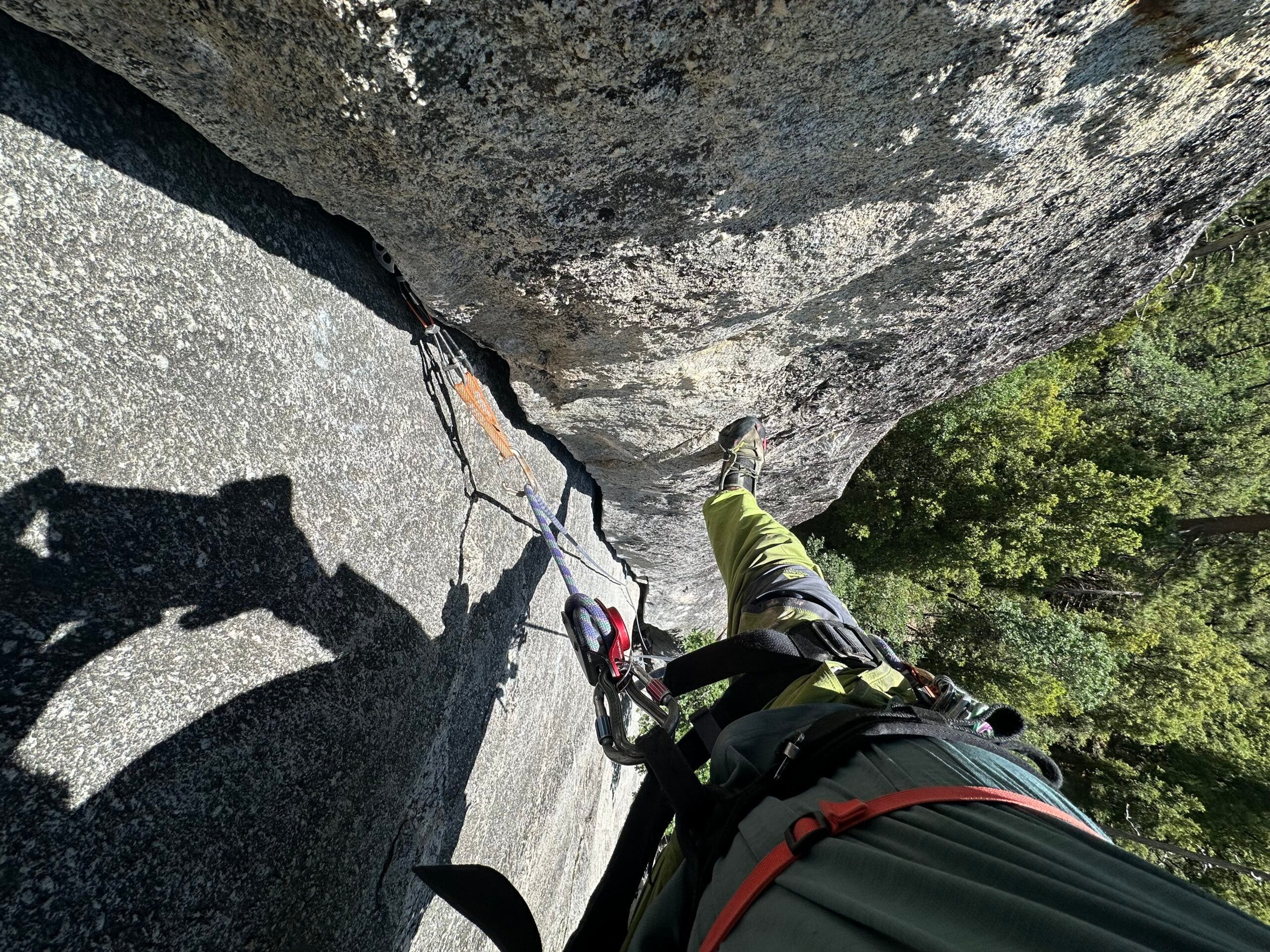
Testing of the Roc Solo has extended to high-consequence environments, most notably Yosemite Valley. Field testers have utilized the device for "short fixing"—a technique where a climber leads a pitch and then fixes the rope to belay a partner or to return to a high point.
The device is optimized for ropes ranging from 8.5mm to 9.7mm. While performance with thicker, 10.5mm ropes—often used in heavy-duty aid climbing—demonstrated slightly more drag, the device excelled with 9.1mm to 9.5mm diameters, offering a level of fluidity that allows for near-seamless transitions between aid and free climbing.
For soloists tackling complex terrain, such as roofs or traversing pitches, the Roc Solo offers distinct advantages over standard camming devices. Because it is designed to manage rope tension from multiple angles, it is less prone to the accidental jamming or "backfeeding" that can plague other self-belay systems. Professional climber Pete Whittaker, who utilized the device for the first free ascent of Wild Stories in Norway, noted that the device’s compact profile and low resistance made it a significant upgrade over existing options.
Economic and Industry Implications
The retail price point of $620 has sparked debate within the climbing community. However, industry analysts suggest that the cost reflects the high barrier to entry for safety-critical climbing equipment. Unlike mass-market hardware, the Roc Solo is produced in small batches, requiring high-precision machining and extensive liability insurance.
When adjusted for inflation, the original Silent Partner would cost approximately $345 today. Given that the original device was never a profitable venture for Rock Exotica, the $620 price tag for the Roc Solo may represent the "true" market cost for a specialized, low-volume piece of life-safety gear.
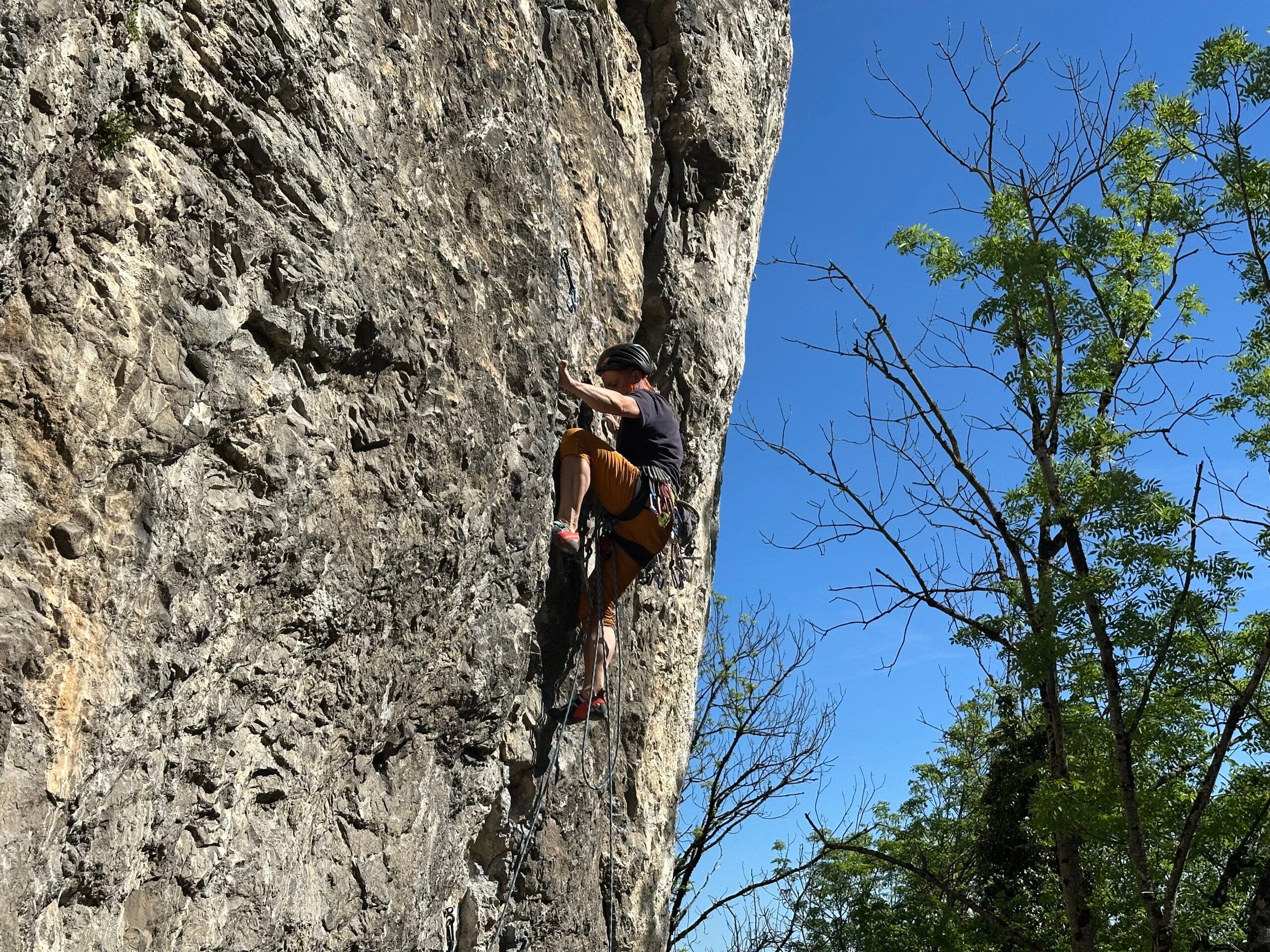
The introduction of the Roc Solo arrives at a time when the regulatory environment for climbing hardware is tightening. By securing a CE mark—a rare achievement for a lead rope soloing device—Roc Amadeus has positioned the product as the first "official" solution for a discipline that has historically existed in a regulatory gray area.
Looking Ahead: The Future of Soloing
The arrival of the Roc Solo signifies a maturation of the rope soloing subculture. As the technology becomes more accessible and, crucially, more reliable, the risks associated with the sport are being systematically reduced. However, both the manufacturers and veteran soloists maintain that the device is not a substitute for experience. The necessity of a backup belay system and a thorough understanding of rope management remains mandatory for any climber attempting to transition to solo systems.
As Roc Amadeus prepares for a broader U.S. release in October 2026, the climbing industry will be watching closely to see if the Roc Solo becomes the new gold standard. For now, it represents a significant leap forward in a discipline that values both the autonomy of the individual and the precision of the tools that make that autonomy possible. Whether it will inspire a new generation of climbers to take up the rope solo remains to be seen, but for those already committed to the discipline, the Roc Solo offers a level of confidence that has been absent for nearly twenty years.