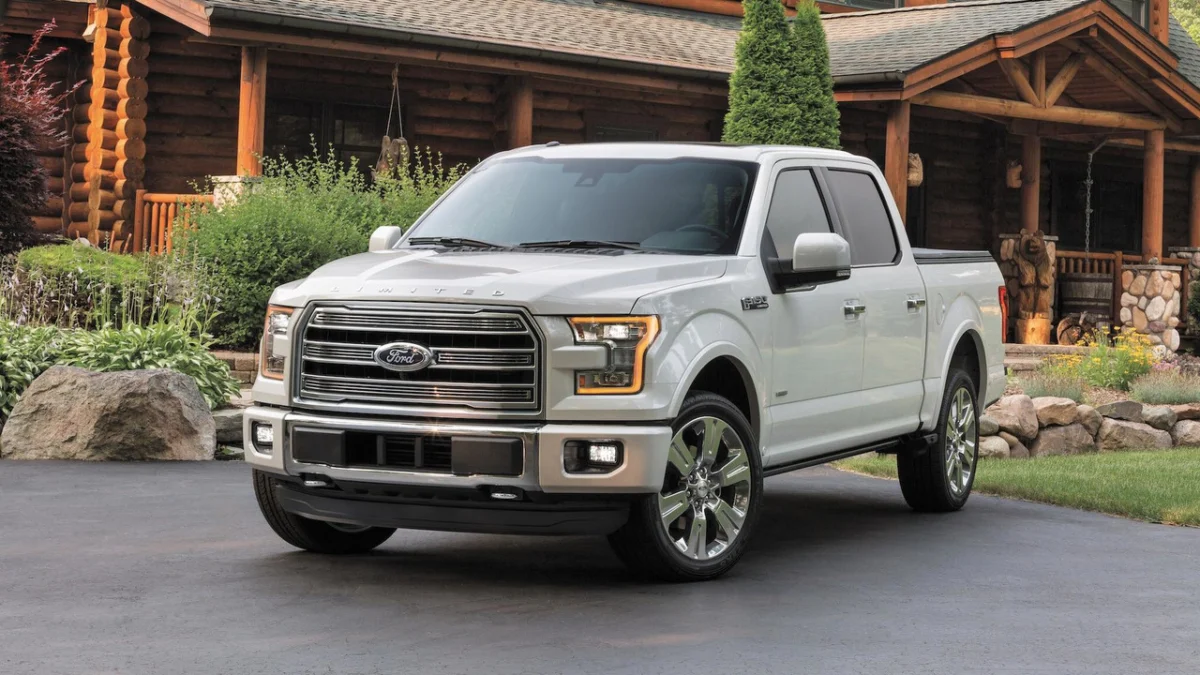
Ford has initiated a significant recall affecting approximately 1.4 million of its popular F-150 pickup trucks. The vehicles in question, model years 2015 through 2017, are susceptible to a critical transmission defect that could cause an inadvertent and potentially dangerous downshift from sixth gear to second gear. This issue poses a substantial risk to driver and passenger safety, as well as other road users.
The Nature of the Defect
The root cause of this widespread recall, impacting a total of 1,392,935 F-150s, lies within the truck’s six-speed automatic transmission. According to the official recall report filed with the National Highway Traffic Safety Administration (NHTSA), the Transmission Range Sensor (TRS) within the transmission can transmit faulty signals to the Powertrain Control Module (PCM). This malfunction is attributed to the degradation of electrical connections within the transmission’s lead frame, a component that houses various sensors and wiring.
Over time, the continuous cycle of heating and cooling, coupled with the inherent vibrations experienced during vehicle operation, leads to this gradual deterioration of the electrical connections. When these connections degrade, the PCM may momentarily interpret incorrect signals from the TRS. This misinterpretation can trigger an unintended downshift, causing a sudden and significant reduction in the vehicle’s speed. Such an abrupt deceleration, especially at higher speeds or during critical driving maneuvers, could lead to a loss of vehicle control, increasing the likelihood of accidents.
A Detailed Timeline of Discovery and Investigation
The journey from initial concern to a full-scale recall is often a protracted process, involving meticulous investigation and data analysis. Ford’s awareness of this potential transmission issue began in October 2024. At that time, the NHTSA provided the automaker with Vehicle Owner Questionnaires (VOQs) that indicated a pattern of complaints potentially related to unintended downshifts.
Following this initial alert, Ford commenced an internal investigation that extended through February 2025. However, the complexity and potential safety implications of the reported incidents prompted further scrutiny. In March 2025, the NHTSA officially opened a Preliminary Evaluation (PE) into the matter, signaling a more formal examination of the concern. This evaluation involved gathering additional data and assessing the scope of the problem.
The investigation intensified in January 2026 when the NHTSA elevated the PE to an Engineering Analysis. This advancement indicated that the agency had found sufficient evidence to warrant a deeper technical review. During this phase, the NHTSA provided Ford with further VOQs, contributing to a more comprehensive understanding of the issue’s prevalence and impact.
Ford continued its diligent investigation, collaborating with the NHTSA throughout this period. The automaker ultimately approved the recall on April 7, 2026, acknowledging the necessity of addressing the safety defect across the affected fleet. As of April 2, 2026, prior to the recall announcement, Ford had documented a significant volume of reports: 444 warranty claims, 121 field reports, 105 customer service reports, and 316 VOQs. Worryingly, the manufacturer was aware of two reported injuries and one accident that were potentially linked to this transmission malfunction.
The Proposed Solution: Software Updates and Component Replacement
Ford’s plan to rectify this critical issue involves a two-pronged approach, prioritizing software updates and, in specific cases, physical component replacement. The primary remedy will be an update to the PCM’s calibration. This revised software is designed to introduce a crucial delay in the control system’s reaction to signals from the TRS. The updated calibration will allow "additional time for the control system to recognize failed or failing TRS hardware prior to commanding the downshift during this unique shift command fault." Essentially, the new software acts as a safeguard, giving the system more time to identify and potentially ignore faulty sensor readings before initiating a downshift.
In addition to the software update, Ford will also replace the transmission lead frame in vehicles that exhibit specific diagnostic trouble codes (DTCs). The presence of these codes would indicate that the lead frame has reached a more advanced stage of degradation, necessitating a physical repair to ensure the long-term reliability and safety of the transmission. This targeted replacement strategy ensures that the most compromised components are addressed directly.
Broader Implications and Ford’s Commitment to Safety
Recalls of this magnitude, impacting over a million vehicles, underscore the inherent complexities of modern automotive engineering and the continuous need for rigorous safety oversight. The F-150 is Ford’s flagship product and the best-selling vehicle in the United States for decades, making any safety-related issue with this model a matter of significant public interest and concern. The sheer volume of affected vehicles highlights the interconnectedness of vehicle systems and the potential for a single component failure to cascade into a widespread safety hazard.
This recall also serves as a reminder of the critical role played by regulatory bodies like the NHTSA in safeguarding public road safety. The agency’s persistent investigation, from preliminary evaluations to engineering analyses, demonstrates its commitment to identifying and addressing potential dangers posed by vehicle defects. The collaborative effort between Ford and the NHTSA in this instance highlights the importance of manufacturer transparency and regulatory diligence.
For owners of the affected F-150 models, the recall process will involve receiving notification from Ford and scheduling an appointment with an authorized dealership. The repairs, including the PCM calibration update and potential lead frame replacement, will be performed free of charge. Ford is expected to provide specific instructions and timelines for owners to bring their vehicles in for service. The automaker’s commitment to resolving this issue promptly and effectively will be crucial in maintaining customer trust and reinforcing its reputation for safety and reliability.
Analysis of the Transmission Downshift Risk
The unintended downshift from sixth to second gear is not merely an inconvenience; it represents a serious safety risk. Imagine driving at highway speeds, perhaps in moderate traffic, when the vehicle suddenly decelerates with the force of shifting into a much lower gear. This abrupt change in speed can overwhelm the driver’s ability to react, potentially leading to:
- Loss of Control: The sudden jolt and deceleration can cause the driver to lose steering control, especially if they are not anticipating such a drastic change.
- Rear-End Collisions: Vehicles following closely behind may not have sufficient time or distance to react to the unexpected braking effect, leading to rear-end collisions.
- Stalling or Engine Damage: In extreme cases, a sudden and severe downshift could potentially stall the engine or cause internal transmission damage if the components are not designed to handle such abrupt transitions.
- Increased Driver Stress and Fatigue: The constant worry of a potential malfunction can lead to increased driver anxiety and fatigue, further compromising safety.
The fact that Ford is aware of reported injuries and an accident associated with this issue underscores the real-world dangers of this transmission defect. The proactive nature of this recall, while extensive, is a necessary step to mitigate further risks.
Ford’s History with F-150 and Recalls
Ford’s F-Series trucks, particularly the F-150, have a storied history of reliability and popularity, often leading the sales charts for decades. However, like all major automotive manufacturers, Ford has had to issue recalls for various issues over the years. These recalls are typically a consequence of unforeseen manufacturing defects, design challenges, or component failures that emerge after vehicles have entered the market.
Recent recalls involving Ford vehicles have addressed issues such as faulty wiper motors, potential fire risks in certain SUVs, and problems with seatbelt anchors. Each recall signifies a commitment by the manufacturer to address safety concerns and uphold its responsibility to consumers. The scale of the current F-150 transmission recall places it among the more significant actions taken by Ford in recent times, reflecting the critical nature of the defect and the vast number of vehicles affected.
The Importance of Owner Action
For owners of 2015-2017 Ford F-150 trucks, it is imperative to remain vigilant and responsive to official recall notifications. While the recall is voluntary, acting promptly to have the necessary repairs performed is crucial for ensuring the safety of the vehicle and its occupants. Owners should:
- Await Official Notification: Ford will be sending out official recall notices to all registered owners of affected vehicles.
- Contact a Dealership: Once the notice is received, owners should contact their local Ford dealership to schedule an appointment for the inspection and repair.
- Confirm Eligibility: If an owner is unsure whether their vehicle is part of the recall, they can use their Vehicle Identification Number (VIN) to check on Ford’s official website or the NHTSA’s recall lookup tool.
- Understand the Repair: Owners should feel free to ask their dealership about the specifics of the PCM calibration update and the criteria for lead frame replacement.
The recall process, while sometimes inconvenient, is designed to enhance vehicle safety and prevent potential accidents. By working with Ford and authorized service centers, owners can ensure their F-150s are brought up to the latest safety standards. The company’s commitment to resolving this issue efficiently will be a key factor in its ongoing relationship with its vast customer base.