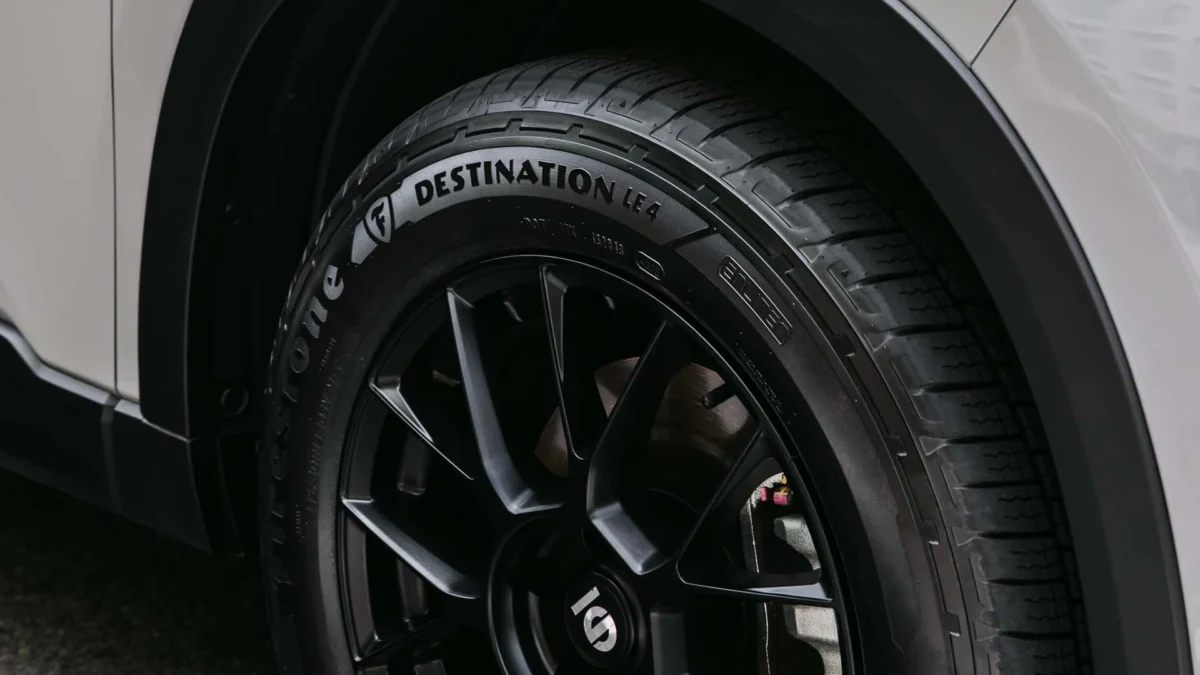
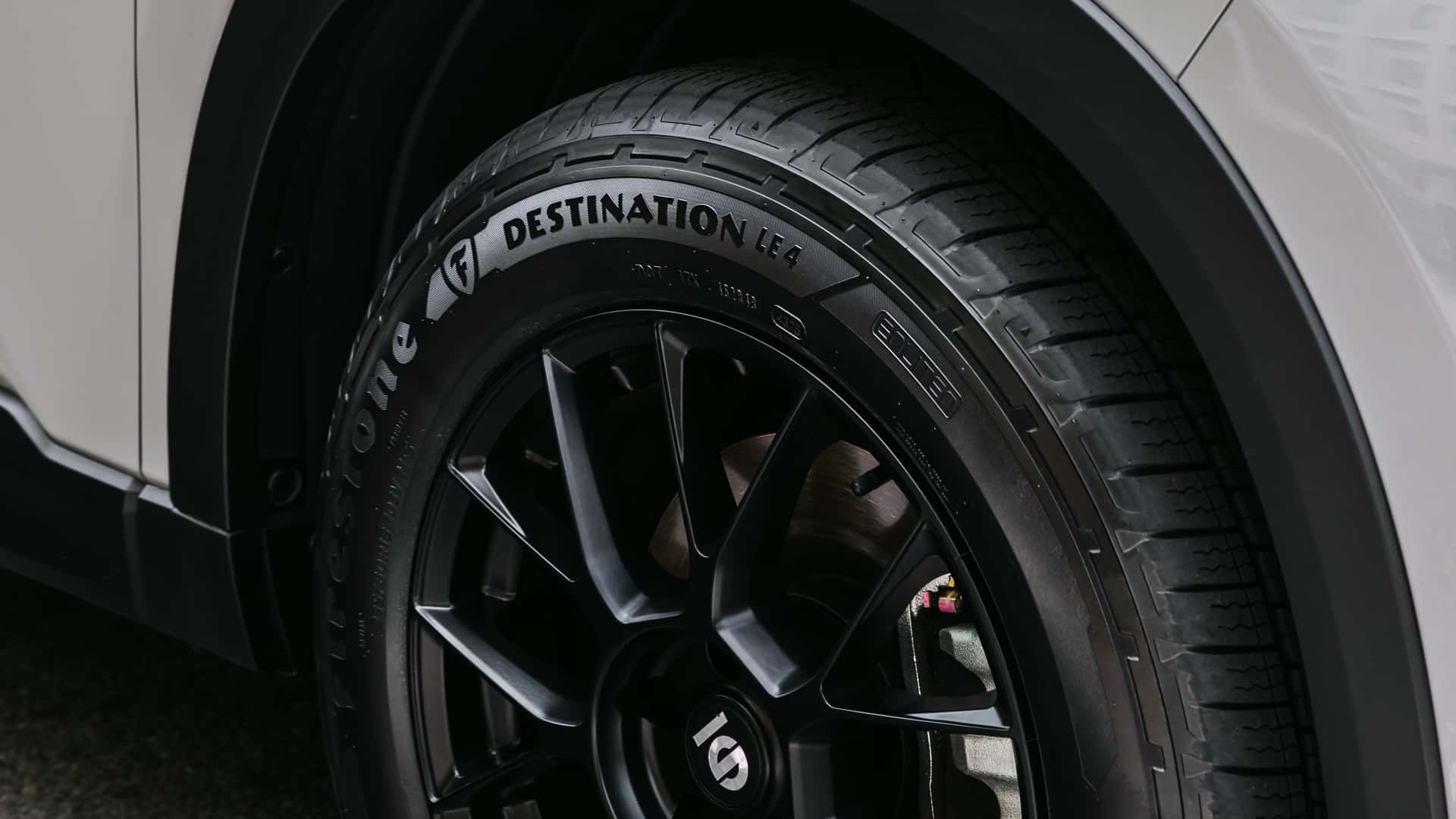
Firestone has officially unveiled the Destination LE4, an all-season highway tire engineered specifically to meet the evolving demands of the American automotive landscape. As the direct successor to the highly successful Destination LE3, the LE4 represents a strategic pivot for Firestone, focusing heavily on the segment dominated by crossovers, SUVs, and light trucks—the fastest-growing vehicle categories in the United States market today. By prioritizing longevity, wet-weather handling, and structural integrity, Firestone aims to solidify its position as a dominant force in the replacement tire market.
Engineering Advancements and Design Philosophy
The development of the Destination LE4 was guided by a need to address the heavier curb weights and increased towing capacities of modern utility vehicles. Firestone engineers implemented a series of technical enhancements designed to improve the tire’s lifespan and performance across varied environmental conditions.
Central to the LE4’s design are optimized rib widths. By refining the geometry of the tread pattern, Firestone has achieved a more uniform pressure distribution across the tire’s footprint, which significantly reduces irregular wear. This is complemented by a deeper initial tread depth compared to the LE3, providing more material to wear away before the tire reaches its minimum safe threshold.
Beyond tread geometry, the LE4 introduces advanced siping technology. The inclusion of thinner, 3D sipes allows for greater mechanical interlocking between the tread blocks. This design change provides two primary benefits: it maintains the stiffness required for dry-road handling while allowing the sipes to open more effectively under load, which dramatically improves grip on wet pavement and provides better traction in light snow conditions.
Internal Construction and Material Science
The performance of a tire is as much about what lies beneath the surface as the tread design itself. Inside the carcass of the Destination LE4, Firestone has utilized high-strength body plies and reinforced steel cords. This internal architecture is designed to handle the higher center of gravity and increased lateral forces typical of modern SUVs and pickup trucks.
Furthermore, Firestone has overhauled its manufacturing process to ensure greater ingredient consistency throughout the rubber compound. By achieving a more homogeneous molecular structure within the tread rubber, the company has managed to balance the traditional trade-off between rolling resistance and grip. This consistency ensures that the tire’s performance characteristics remain stable as it wears, preventing the degradation of traction that often plagues inferior compounds over time.
Competitive Benchmarking and Performance Data
Firestone’s internal testing protocols indicate that the Destination LE4 offers a substantial leap in performance over its predecessor and key market competitors. According to the company, the LE4 is expected to last 16 percent longer than the LE3. When measured against other major brands, the data remains compelling: the LE4 is engineered to last 9 percent longer than the General Grabber H/T and a significant 43 percent longer than the BFGoodrich Advantage Control HT.
Stopping distance remains one of the most critical safety metrics in tire development. The LE4 demonstrates a 2.6 percent improvement in dry stopping distance—effectively shaving two feet off the distance required to come to a complete stop from highway speeds compared to the outgoing model.
In direct comparative tests against the Toyo Open Country H/T II, the Firestone LE4 recorded an eight-foot reduction in stopping distance on both wet and dry surfaces. Against the BFGoodrich Advantage Control HT, the LE4 proved superior by two feet in dry conditions and four feet on wet pavement. These performance metrics are critical for manufacturers and consumers alike, as they directly correlate to accident avoidance and overall road safety.
Market Strategy and Vehicle Compatibility
The rollout of the Destination LE4 is designed for maximum market penetration, with the company offering the tire in 65 distinct sizes. This range covers wheel diameters from 15 to 22 inches, ensuring compatibility with a vast array of vehicles.
The target list of vehicles is broad, encompassing the high-volume models that currently define American roads. This includes compact crossovers such as the Mazda CX-5 and the Chevrolet Trailblazer, as well as heavy-duty and full-size platforms like the Ford F-150 and the Nissan Armada. By catering to such a wide spectrum of the automotive market, Firestone is signaling its intention to capture the replacement tire business for both family-oriented commuters and utility-focused work vehicles.
The Evolution of the Destination Line
The history of the Destination line serves as a barometer for Firestone’s technological progression. Since the inception of the Destination series, the brand has focused on the "Highway All-Season" segment. This segment represents the middle ground between high-performance touring tires and rugged all-terrain rubber.
The transition from the LE2 to the LE3 previously focused on improved mileage and winter traction. The shift to the LE4 marks the first time Firestone has heavily prioritized structural reinforcement for the specific purpose of supporting the increasing weight of electrified vehicles and heavy-duty chassis configurations. As the automotive industry shifts toward heavier battery-electric vehicles (BEVs) and increasingly large SUVs, the durability and load-bearing capacity of the tire carcass have become as important as the tread itself.
Broader Implications for the Tire Industry
The launch of the LE4 occurs against a backdrop of tightening regulatory environments regarding tire performance and environmental sustainability. Recent legislation in regions such as California has begun to address the environmental impact of tire wear particles, pushing manufacturers toward more durable compounds that produce less debris over their lifespan.
Firestone’s emphasis on increased tread life is not merely a marketing tactic; it is an economic and environmental imperative. By extending the interval between tire replacements, the company aligns itself with consumer demand for lower long-term maintenance costs and addresses the growing regulatory scrutiny regarding the lifecycle of synthetic rubber products.
Furthermore, the focus on wet-weather stopping distance indicates that Firestone is responding to the rising complexity of modern vehicle safety systems. As Automatic Emergency Braking (AEB) and other driver-assistance technologies become standard on the vehicles the LE4 is designed for, the tires must be capable of transferring that electronic input into physical friction with absolute reliability.
Conclusion and Outlook
The Firestone Destination LE4 arrives at a pivotal moment for the automotive industry. With vehicle ownership patterns favoring utility and long-term reliability, the market for a high-performance, durable, all-season tire is more competitive than ever.
By refining its rubber compounding, structural integrity, and tread design, Firestone has positioned the LE4 to maintain its legacy as a top-tier choice for the average American driver. While the tire must still prove itself in real-world, long-term testing by independent evaluators and fleet managers, the technical specifications and comparative data released by the manufacturer suggest a significant step forward. For consumers looking to maximize the utility and safety of their SUVs and trucks, the Destination LE4 offers a comprehensive package that balances the demands of modern driving with the fundamental requirements of safety and longevity. As the industry continues to evolve toward heavier and more sophisticated platforms, tires like the LE4 will serve as the essential interface between vehicle technology and the road.