BMW has dramatically resurrected the i3 moniker, shedding its former identity as a quirky, carbon-fiber compact hatchback with an optional range-extender. The reborn i3 emerges not as a continuation, but as a revolutionary statement: the inaugural sedan from BMW’s highly anticipated "Neue Klasse" platform. This bold reimagining breathes life into a concept that has been gestating within the Bavarian automaker’s design studios for years, signaling a profound shift in BMW’s electric vehicle strategy. The sportier i3 sedan is poised to join the growing electric lineup alongside the iX3 SUV, which is slated for a summer market debut.
This new i3 sedan is also strategically positioned as a de facto successor to the current i4 electric sedan, which is scheduled to cease production in 2027. Coincidentally, this timeline aligns closely with the anticipated market launch of the Neue Klasse models, suggesting a carefully orchestrated transition in BMW’s electric portfolio. The Neue Klasse, meaning "New Class" in German, represents a fundamental rethinking of BMW’s electric vehicle architecture, promising enhanced performance, efficiency, and digital integration across its future EV offerings.
A Striking Departure in Design Language
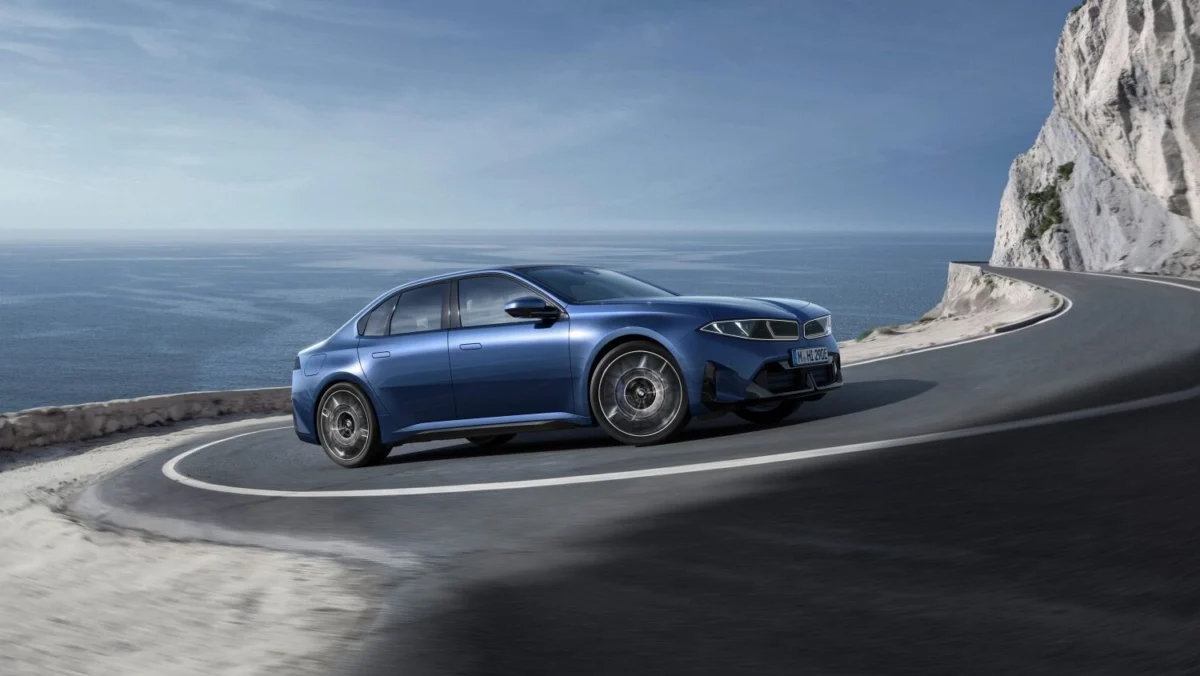
The visual transformation of the i3 is nothing short of dramatic. Gone are the signature long, prominent kidney grilles that have defined BMW’s aesthetic for decades. In their place, the new i3 presents a wide, aggressive front fascia where the grilles are subtly integrated with the sleek, modern headlights. This design amalgam creates a distinctive look that evokes a fascinating blend of early 2000s BMW sportiness and the muscularity of a contemporary muscle car, all rendered with an unmistakably futuristic edge. The overall profile is lower and more athletic than its SUV counterpart, emphasizing its dynamic intentions.
Powertrain and Performance: A Glimpse of the Future
The initial rollout of the Neue Klasse i3 will mirror the strategy seen with the iX3, with the mid-range model being the first to reach consumers. The i3 50 xDrive will feature a potent dual-motor setup, delivering all-wheel drive capability and an impressive output of just under 470 horsepower. This powerful configuration promises exhilarating acceleration and dynamic handling. BMW has confirmed that further variants are in development, including a more potent "M package" version for enthusiasts seeking ultimate performance, as well as a more accessible single-motor option designed to offer a compelling entry point into the Neue Klasse family.
Shared Innovations: The Foundation of the Neue Klasse
Despite its distinct identity, the new i3 sedan shares several critical technological advancements with the iX3 SUV, underscoring the unified platform approach of the Neue Klasse. Both vehicles will be equipped with a sixth-generation BMW battery pack. This new battery technology boasts a 20% increase in energy density compared to previous generations, translating directly into enhanced range and efficiency. Furthermore, both models will utilize an 800-volt electrical architecture. This advanced system is a game-changer for EV charging, enabling exceptionally rapid charging speeds. When connected to a 400kW DC fast charger, the Neue Klasse i3 is capable of replenishing approximately 248 miles of range in as little as 10 minutes. This capability significantly alleviates range anxiety and makes long-distance travel far more practical.
Digital Cockpit: A Seamlessly Integrated Experience
The interior of the Neue Klasse i3 also showcases significant technological integration, with a shared "panoramic vision" infotainment display stretching across the entire dashboard. This expansive, customizable screen offers a sophisticated and intuitive user interface. Drivers and passengers can easily personalize their experience through a drag-and-drop widget system, allowing for quick access to frequently used apps, navigation, media, and vehicle settings. This focus on digital integration aligns with BMW’s broader strategy to enhance the in-car experience and cater to the evolving expectations of connected consumers.
Differentiating Factors: Range and Dynamics

While sharing core technologies, the i3 sedan and iX3 SUV will offer distinct advantages. The i3 is projected to achieve a superior range, with estimated EPA figures reaching up to 440 miles on a single charge. This is a notable increase over the iX3’s estimated 400 miles. This difference is largely attributable to the inherent advantages of a sedan body style. Sedans are typically smaller and lighter than SUVs, and their more aerodynamic profiles contribute to greater efficiency. BMW engineers estimate that these factors combined can yield approximately a 10% improvement in battery utilization.
The inherent design and engineering of the i3 sedan also position it as a sportier proposition than the iX3. Its lower profile and more aerodynamic silhouette are conducive to enhanced performance. The suspension system will feature active dampers, designed to optimize handling and stability during cornering, further contributing to a more engaging driving experience.
A key innovation underpinning the dynamic capabilities of the Neue Klasse vehicles is BMW’s "Heart of Joy" centralized computer system. This sophisticated system integrates critical driving controls, including braking, steering, and throttle inputs. By centralizing these functions, BMW aims to significantly reduce latency, thereby enhancing responsiveness and delivering a more precise and exhilarating driving performance. This technological leap is central to the Neue Klasse’s promise of a fundamentally improved driving experience.
Chronology and Market Introduction
The production of the new BMW i3 is slated to commence in Munich this summer. The initial wave of vehicles is expected to reach European markets between November and December of 2026. Similar to the iX3, enthusiasts in the United States will face a slightly longer waiting period. The i3 sedan is not anticipated to arrive stateside until 2027, allowing for a phased global rollout. This staggered introduction is a common strategy for major automotive manufacturers, enabling them to fine-tune production and marketing efforts for different regions.
Background and Context: The Evolution of BMW’s Electric Vision
The original BMW i3, launched in 2013, was a pioneering vehicle in the electric car landscape. Its innovative use of carbon fiber reinforced plastic (CFRP) for its body structure and its compact, urban-centric design set it apart. However, its relatively limited range and polarizing styling limited its mainstream appeal. The "Neue Klasse" platform represents BMW’s ambitious response to the rapidly evolving electric vehicle market and the increasing demand for more versatile and performance-oriented EVs. This new generation of vehicles is designed to compete at the forefront of the industry, challenging established players and setting new benchmarks for electric mobility. The decision to repurpose the i3 nameplate for this new electric sedan is a strategic move, leveraging brand recognition while signaling a radical departure from its predecessor’s legacy.
Implications and Broader Impact
The introduction of the Neue Klasse i3 sedan and its accompanying platform carries significant implications for BMW and the automotive industry.
- Accelerated EV Transition: The Neue Klasse platform signifies BMW’s commitment to a rapid and comprehensive transition to electric vehicles. This platform is expected to underpin a wide range of future BMW EVs, from sedans to SUVs, accelerating the company’s electrification goals.
- Competitive Landscape: With its advanced battery technology, 800-volt architecture, and focus on performance and digital integration, the Neue Klasse i3 is poised to directly challenge competitors in the premium electric sedan segment. This will likely spur further innovation and competition among luxury automakers.
- Technological Advancement: The shared innovations across the Neue Klasse models, particularly the battery density improvements and 800-volt architecture, highlight the ongoing technological race in the EV space. These advancements are crucial for making EVs more practical and appealing to a wider audience.
- Brand Perception: The radical redesign and technological overhaul of the i3 aim to reposition BMW as a leader in innovative and desirable electric vehicles. By offering a compelling blend of performance, range, and cutting-edge technology, BMW seeks to capture a larger share of the growing EV market.
- Sustainability Focus: The increased efficiency and range offered by the Neue Klasse vehicles are not only beneficial for consumers but also contribute to BMW’s broader sustainability objectives, reducing the environmental impact of personal transportation.
Official Statements and Industry Reactions (Inferred)
While specific statements from BMW executives regarding the i3’s relaunch were not provided in the original article, it is highly probable that the company views this as a pivotal moment. Based on industry trends and BMW’s historical positioning, one can infer that executives would emphasize the "Neue Klasse" as a testament to BMW’s dedication to innovation, driving dynamics, and customer-centric design in the electric era. The revival of the i3 nameplate would likely be framed as a strategic nod to its pioneering spirit, now amplified by the transformative power of the new platform. Industry analysts are expected to closely monitor the i3’s market reception, particularly its ability to capture both existing BMW loyalists and new EV adopters seeking a blend of luxury, performance, and sustainability. The success of the i3 and the broader Neue Klasse rollout will be a critical indicator of BMW’s future trajectory in the rapidly evolving automotive landscape.
The reborn BMW i3, as the vanguard of the "Neue Klasse," represents more than just a new car; it embodies a fundamental redefinition of what an electric BMW can be. It signals a bold leap forward, combining heritage with pioneering technology to usher in a new era of sustainable and exhilarating mobility.