
Apple’s September 2026 launch event marked a historic turning point for the Cupertino-based technology giant. Commencing a new era following the long-term leadership of Tim Cook, newly appointed Chief Executive Officer John Ternus stepped onto the stage at the Steve Jobs Theater to host his inaugural product showcase. Spanning 78 minutes, the densely packed presentation introduced a slate of paradigm-shifting hardware and software, highlighted most notably by Apple’s long-awaited entry into the foldable smartphone market.
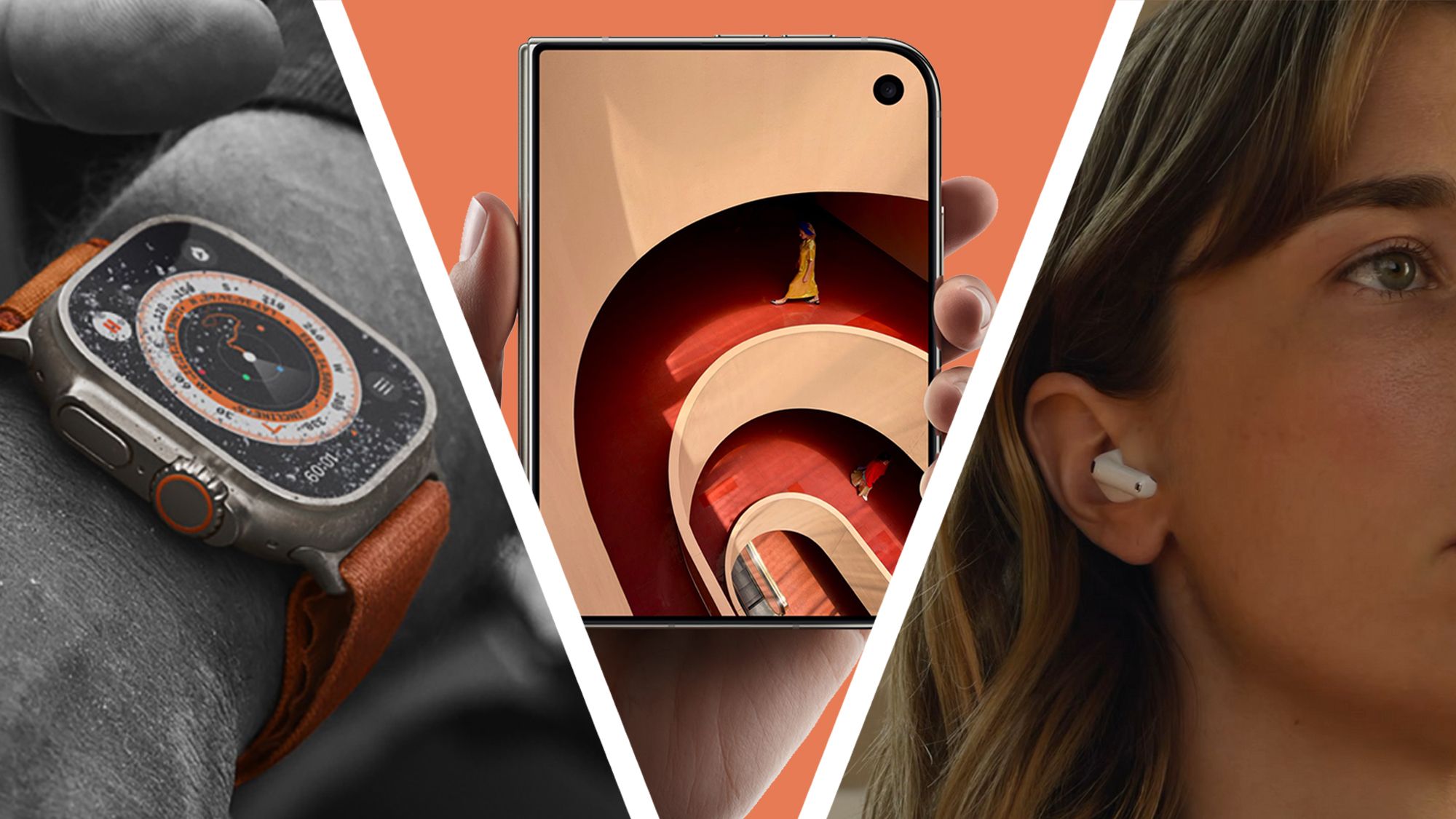
Beyond the foldable breakthrough, the event detailed significant advancements in mobile photography, battery optimization, artificial intelligence integration, and biometric health tracking. Industry analysts noted that the announcements reflect a strategic pivot by Apple to diversify its product schedule, reinforce its hardware ecosystem, and compete aggressively against rival manufacturers like Samsung and Google.
The Dawn of the Foldable Era: Introducing the iPhone Duo
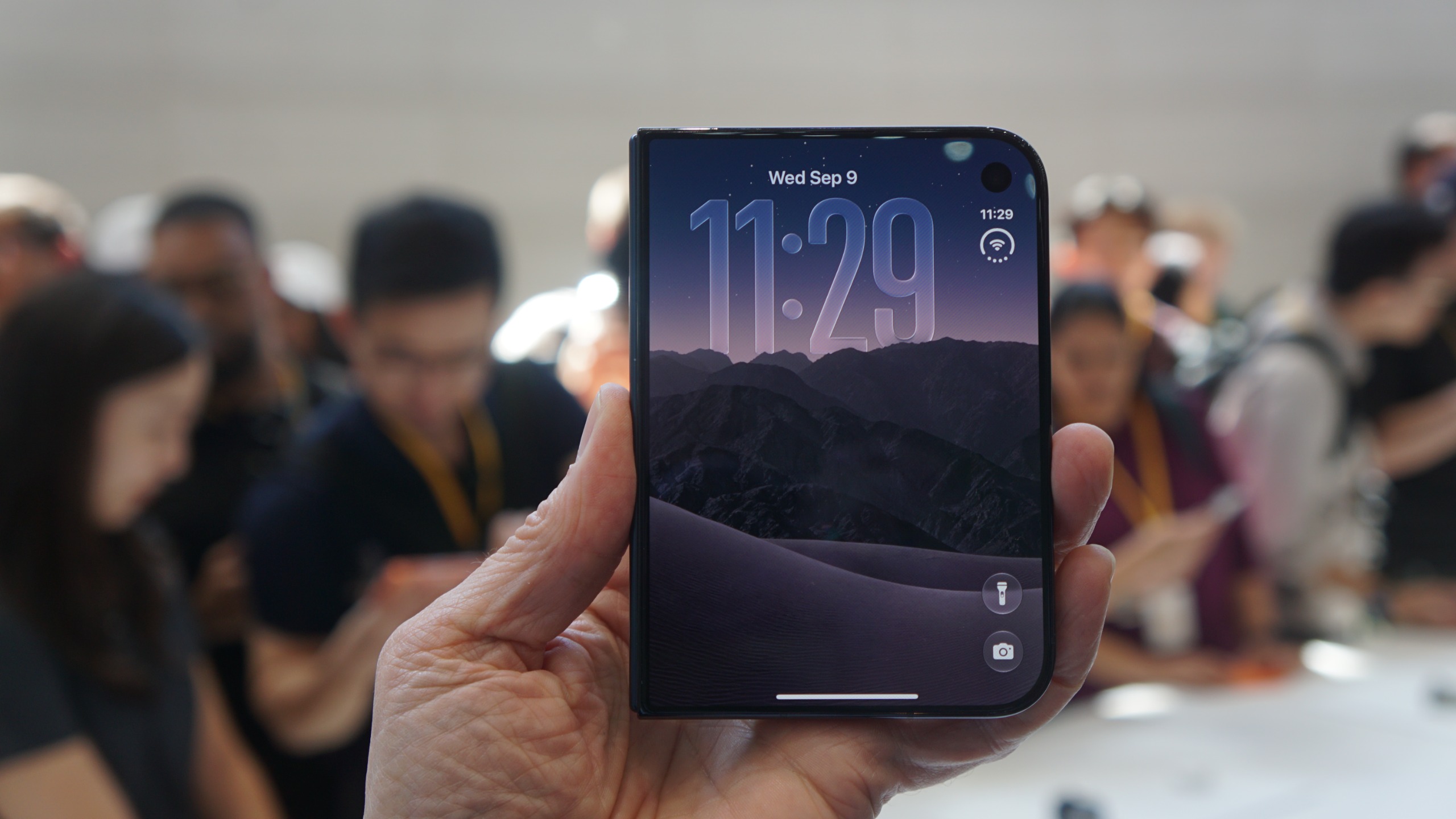
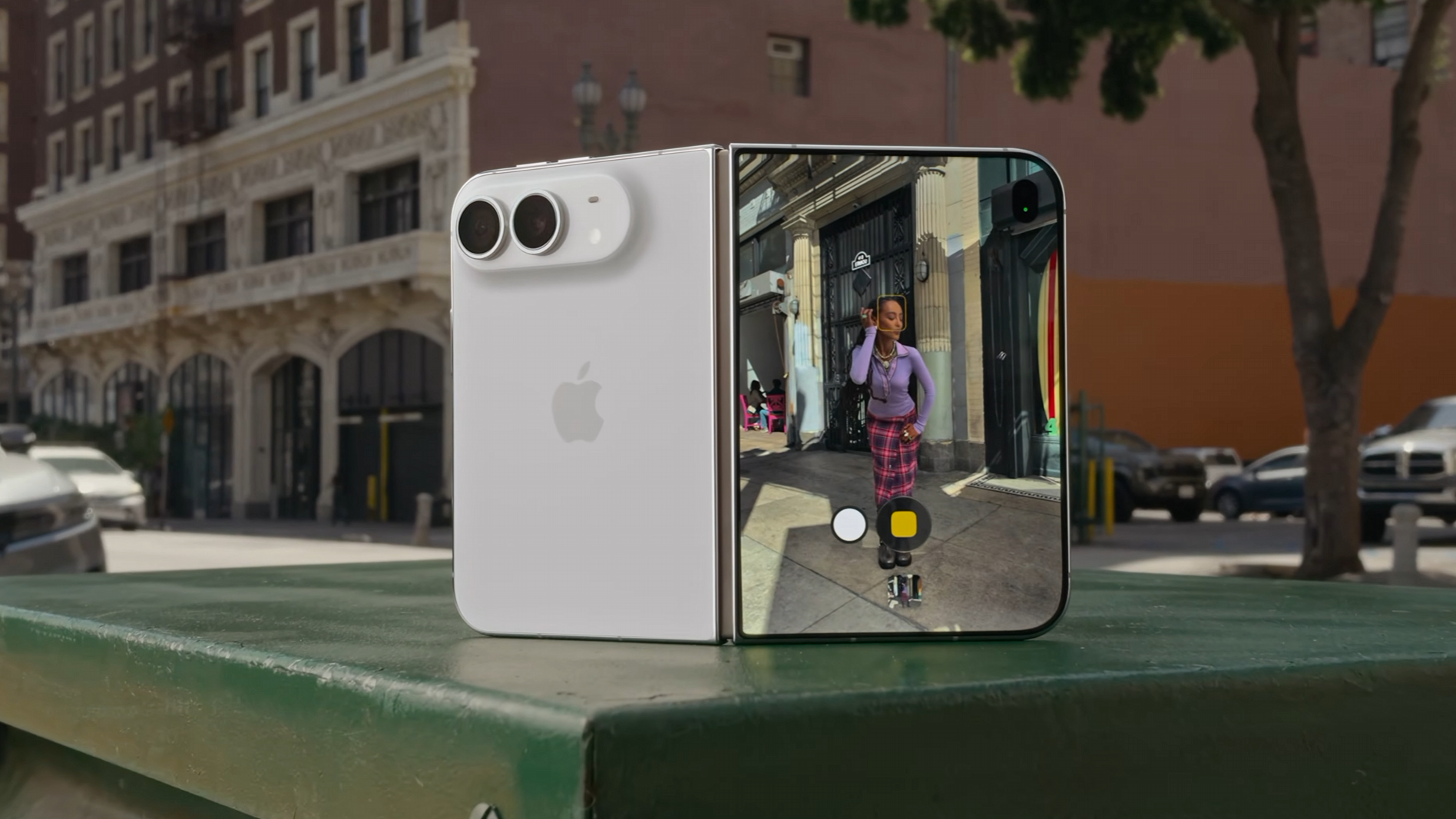
The centerpiece of the 2026 keynote was the official unveiling of the iPhone Duo, Apple’s first-ever foldable smartphone. Years of rampant industry speculation culminated in a device designed to challenge established folding flagships such as the Samsung Galaxy Z Fold 8 and the Google Pixel 11 Pro Fold.
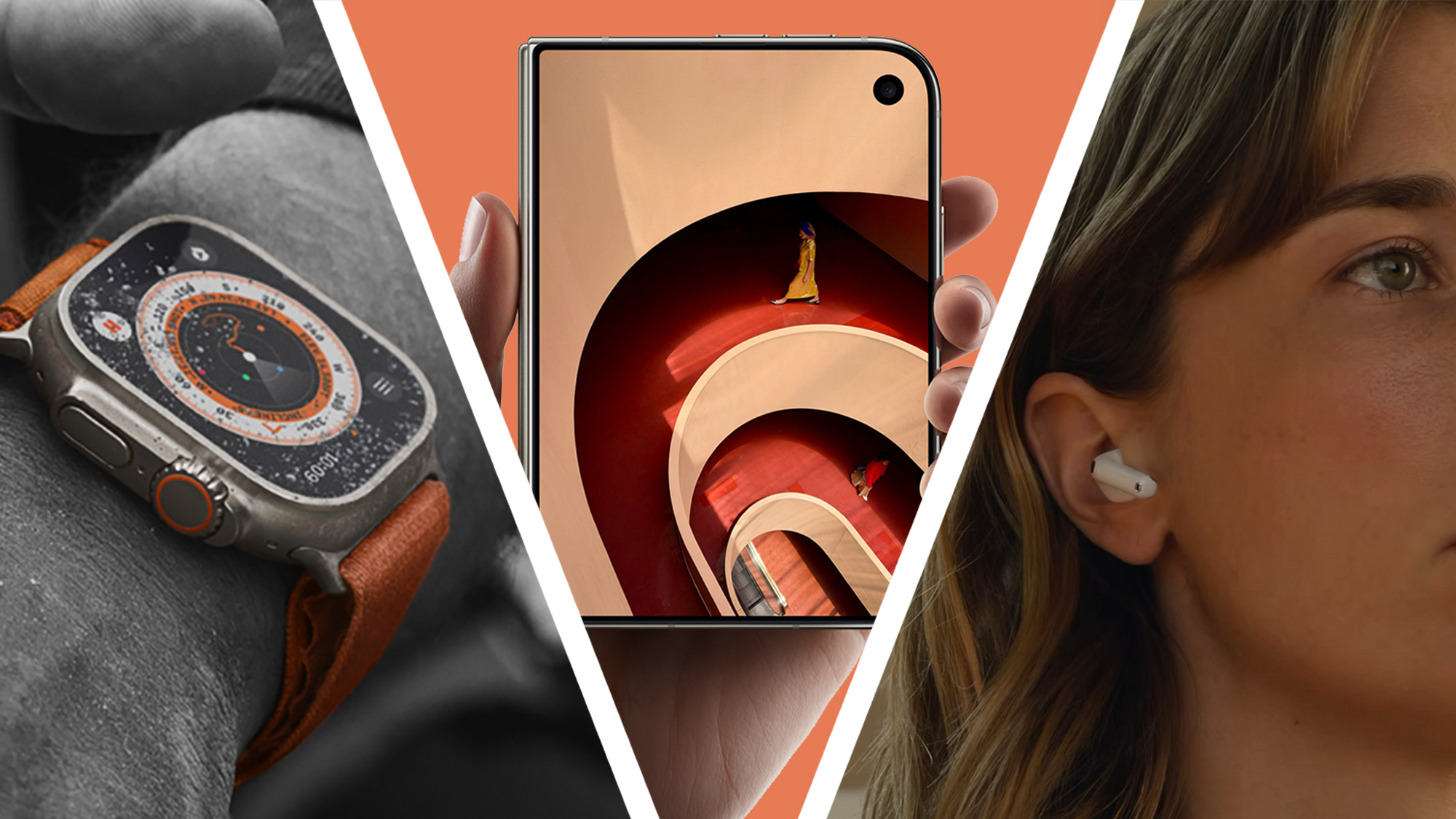
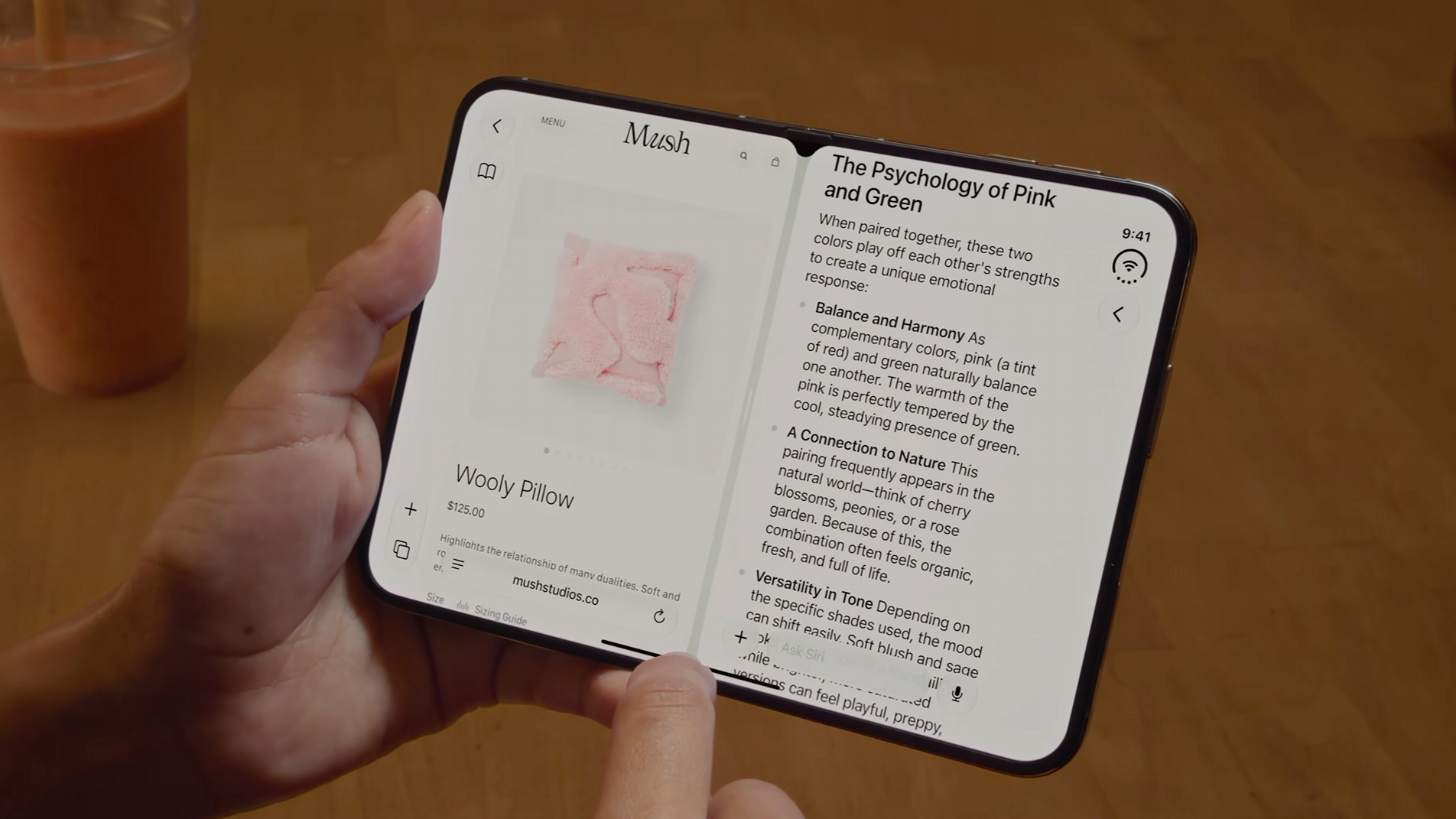
Adopting a wider, passport-style form factor, the iPhone Duo features a 5.4-inch outer display and an expansive 7.6-inch inner display when unfolded, offering a tablet-like computing experience. Apple engineers placed heavy emphasis on visual continuity, ensuring that both screens share a uniform 1:1.4 aspect ratio to eliminate jarring visual transitions when opening or closing the device.
In a surprising move that bridges the gap between the iPhone and iPad lineups, the iPhone Duo introduces Apple Pencil support for the first time on a smartphone. While the stylus is sold separately and lacks an integrated housing slot within the chassis, users can utilize the accessory across both screens for precise navigation and creative workflows.
Pre-orders for the iPhone Duo begin on Friday, October 16, with commercial availability slated for Friday, October 23. The device starts at $1,999 / £1,999 / AU$3,499 for the 256GB base configuration and is available in two colorways: star white and night sky.
Software Innovation: iOS 27 and Enhanced Multi-Tasking
To maximize the potential of the dual-screen form factor, Apple developed bespoke software adaptations within iOS 27. When closed, navigation elements dynamically shift to the right side of the outer display to facilitate effortless thumb-based reachability. When opened, the operating system supports robust side-by-side app multitasking, complete with the ability to pin frequently used app pairs for quick retrieval.

Furthermore, iOS 27 brings advanced computational photography techniques to the foldable design, allowing the outer display to act as a real-time viewfinder while utilizing the primary rear cameras for high-resolution selfies.
Globally, iOS 27 is scheduled for a wider public rollout on Monday, September 14, bringing deep artificial intelligence capabilities to millions of compatible iPhones worldwide. The core integration centers on a heavily upgraded, conversational Siri assistant. Powered by advanced generative models, the new Siri is designed to function on par with competing platforms like ChatGPT and Gemini, offering deep app-interoperability and comprehensive contextual responses.
Performance and Camera Milestones: The iPhone 18 Pro and Pro Max
Alongside the foldable Duo, Apple refreshed its traditional flagship tier with the announcement of the iPhone 18 Pro and iPhone 18 Pro Max. Both models are powered by the newly minted A20 Pro chipset, built upon a high-efficiency architecture featuring a 6-core CPU, a 7-core GPU, and dual 16-core Neural Engines dedicated to local artificial intelligence processing. Paired with a redesigned internal vapor chamber, the A20 Pro delivers up to a 40% sustained performance increase over the previous generation iPhone 17 Pro.
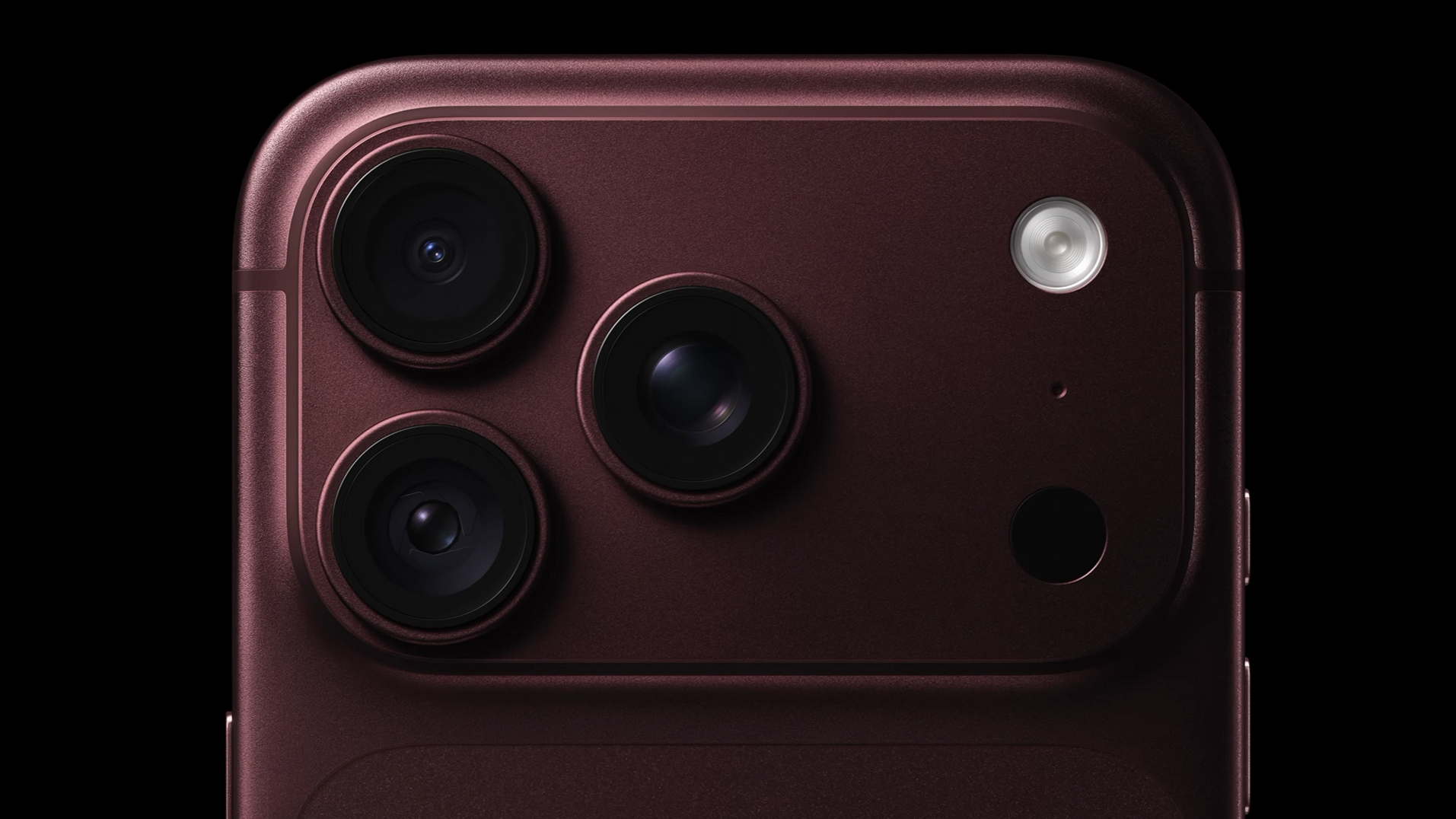
Camera technology took center stage during the hardware segment. The iPhone 18 Pro lineup features a primary 48-megapixel sensor equipped with variable aperture control—a first for an iPhone—providing users with superior light management in challenging lighting environments. The hardware upgrades are supported by a new computational imaging pipeline and enhanced Photographic Styles, giving professional creators granular control over image capture.
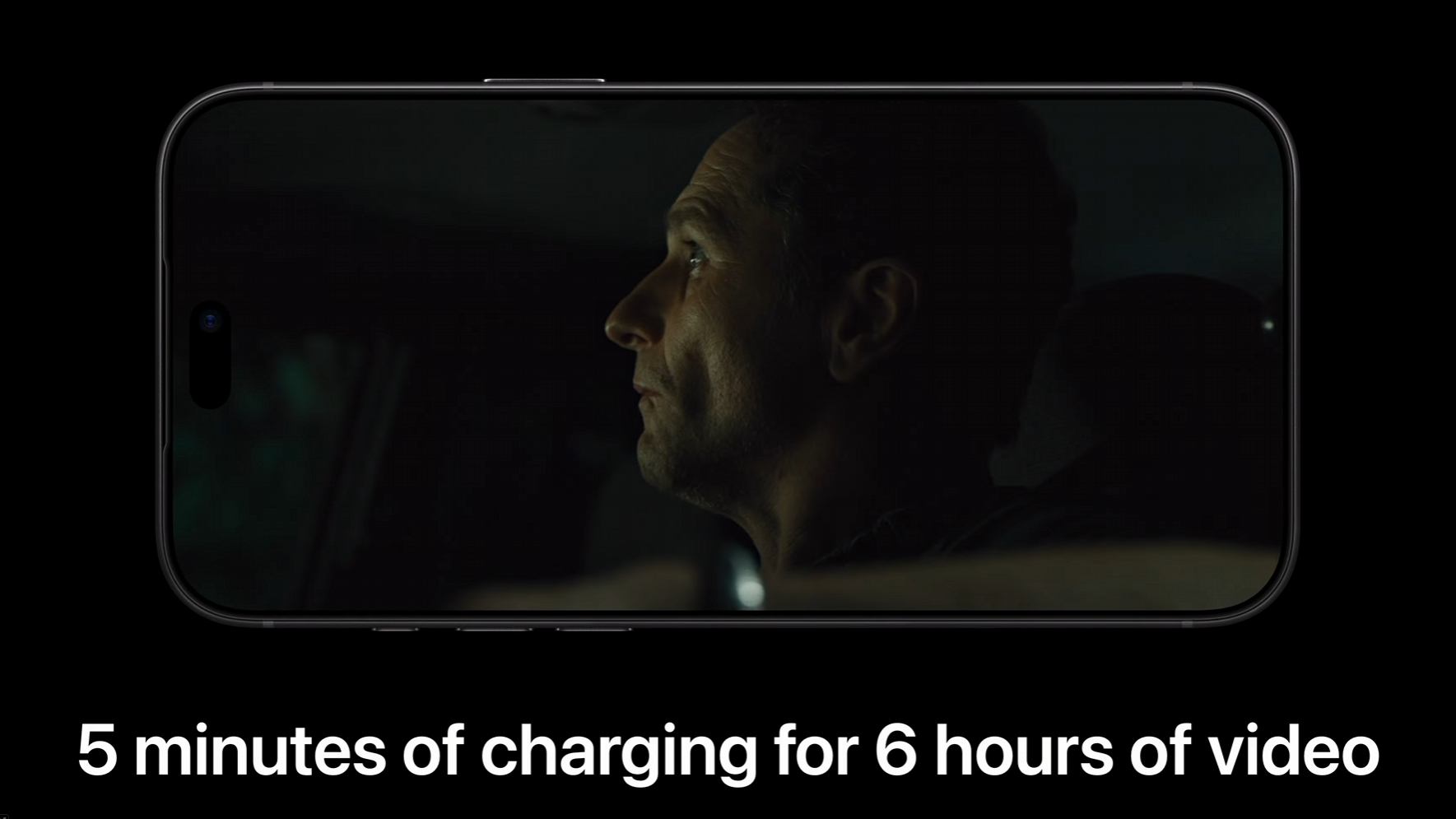
Battery life represents another major selling point for the 2026 Pro models. Thanks to optimizations within the A20 Pro chip and physical internal adjustments, the eSIM variant of the iPhone 18 Pro Max achieves up to 45 hours of continuous video playback on a single charge, setting a new benchmark for smartphone longevity. The smaller iPhone 18 Pro reaches up to 36 hours under similar conditions, complemented by accelerated fast-charging speeds.
Reimagining Wearables: AirPods 5 and Apple Watch Series 12
Apple’s audio and wearable portfolios also received significant upgrades. The open-ear AirPods 5 were introduced with built-in Active Noise Cancellation (ANC). Utilizing optimized acoustic architecture and advanced ambient algorithms, the earbuds deliver up to 50% more noise suppression than their predecessors, alongside a heavily recalibrated Transparency mode for more natural vocal passthrough.
In the wearable sector, the Apple Watch Series 12 and Apple Watch Ultra 4 were unveiled with claims of offering "the most accurate heart rate sensing in a wearable device." This is accomplished via higher-frequency optical and electrical sensors that track heart rate variability (HRV) with unprecedented precision.
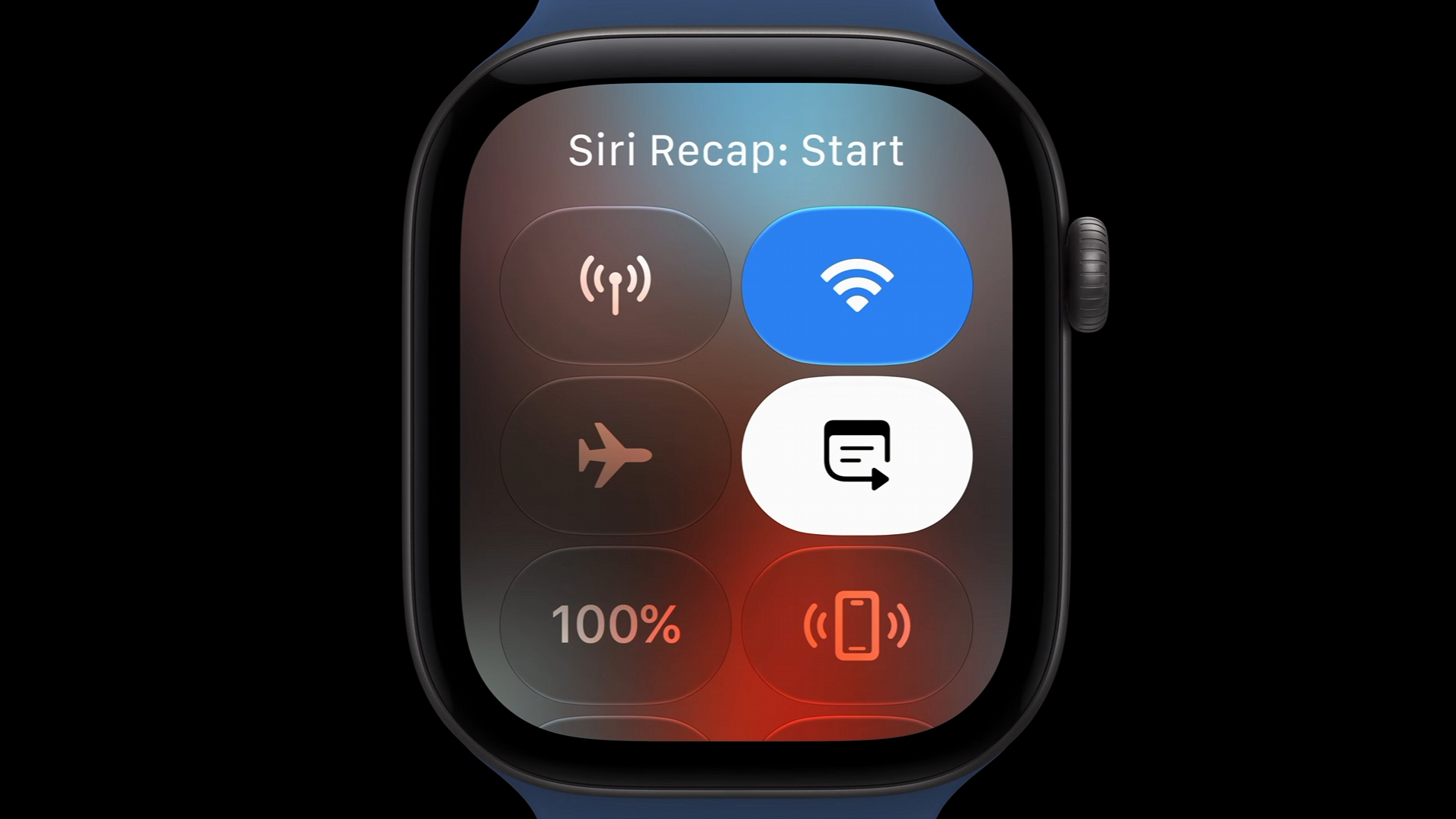
However, a polarizing feature introduced with the Apple Watch Series 12 is "Siri Recap." The tool utilizes always-on audio processing to summarize spoken conversations, aiming to assist users in recalling important details throughout their day. Addressing immediate privacy concerns, Apple emphasized that all audio data is processed locally in real-time, never permanently recorded, and remains entirely inaccessible to external parties, including Apple itself.
Health Ecosystem Overhaul and Market Strategy
Complementing the new biometric sensors on the Apple Watch, Apple announced a comprehensive redesign of the iOS Health app. The updated interface introduces an Insights tab designed to deliver timely wellness data, alongside a Longevity tab that calculates a user’s "Health Age" by comparing long-term fitness metrics against chronological age.
Industry analysts observed notable shifts in Apple’s broader release schedule and pricing strategy during the event. Significantly, standard base models for the non-pro iPhone 18 were absent from the September lineup. Citing supply chain leaks and industry reports, market watchers anticipate that the base iPhone 18, alongside the iPhone Air 2 and iPhone 18e, will debut in March. This staggered release schedule is viewed as an effort to distribute quarterly revenue more evenly and better compete with aggressive spring rollouts from competitors like Samsung.
Despite persistent global memory shortages affecting component costs across the consumer electronics industry, Apple largely avoided aggressive price inflation. While the iPhone 18 Pro and Pro Max saw modest $100 price increases over their predecessors, the Apple Watch lineup maintained its previous price points, and the new AirPods 5 launched at a lower initial price than the outgoing AirPods 4.
As pre-orders and software releases roll out through September and October 2026, John Ternus’s debut event signals a calculated evolution for Apple—balancing hardware experimentation with cautious economic positioning as the company enters its next technological chapter.