When analyzing the current landscape of personal computing, few brands carry the historical weight and market ubiquity of Dell. From the cultural phenomenon of the early 2000s "Dude, you’re getting a Dell" advertising campaign to the company’s evolution into a powerhouse of enterprise and consumer hardware, Dell has remained a consistent fixture in the technology sector since its founding in 1984. Today, as we move through 2025, the brand continues to dominate the conversation regarding laptop performance, battery efficiency, and industrial design, particularly through its flagship XPS series and the reliable, value-driven Inspiron lineup.

A New Era of Naming Conventions and Market Positioning
In January 2025, Dell implemented a sweeping overhaul of its product nomenclature, a strategic pivot designed to simplify its consumer and commercial offerings in a manner analogous to Apple’s tiered MacBook branding. The legacy labels—Inspiron, XPS, Latitude, and Precision—are being phased out in favor of a more streamlined hierarchy.
Under the new system, consumer-grade laptops are simply branded as "Dell" and "Dell Plus," while the premium tier, formerly known as XPS, is now categorized as "Dell Premium." The business-class Latitude line has transitioned into "Dell Pro," "Dell Pro Plus," and "Dell Pro Premium," and the high-end workstation Precision line is now "Dell Pro Max," subdivided into "Dell Pro Max," "Dell Pro Max Plus," and "Dell Pro Max Premium." This transition is intended to provide clarity for consumers, though the physical designs and internal architecture of these machines remain largely consistent with their predecessors as the company transitions its inventory.
Performance Leaders: The 2025 Top Picks
The current market environment is defined by a fierce competition between x86 architecture—represented by Intel’s Lunar Lake and Meteor Lake chips—and the rising dominance of ARM-based processors, specifically Qualcomm’s Snapdragon X series.
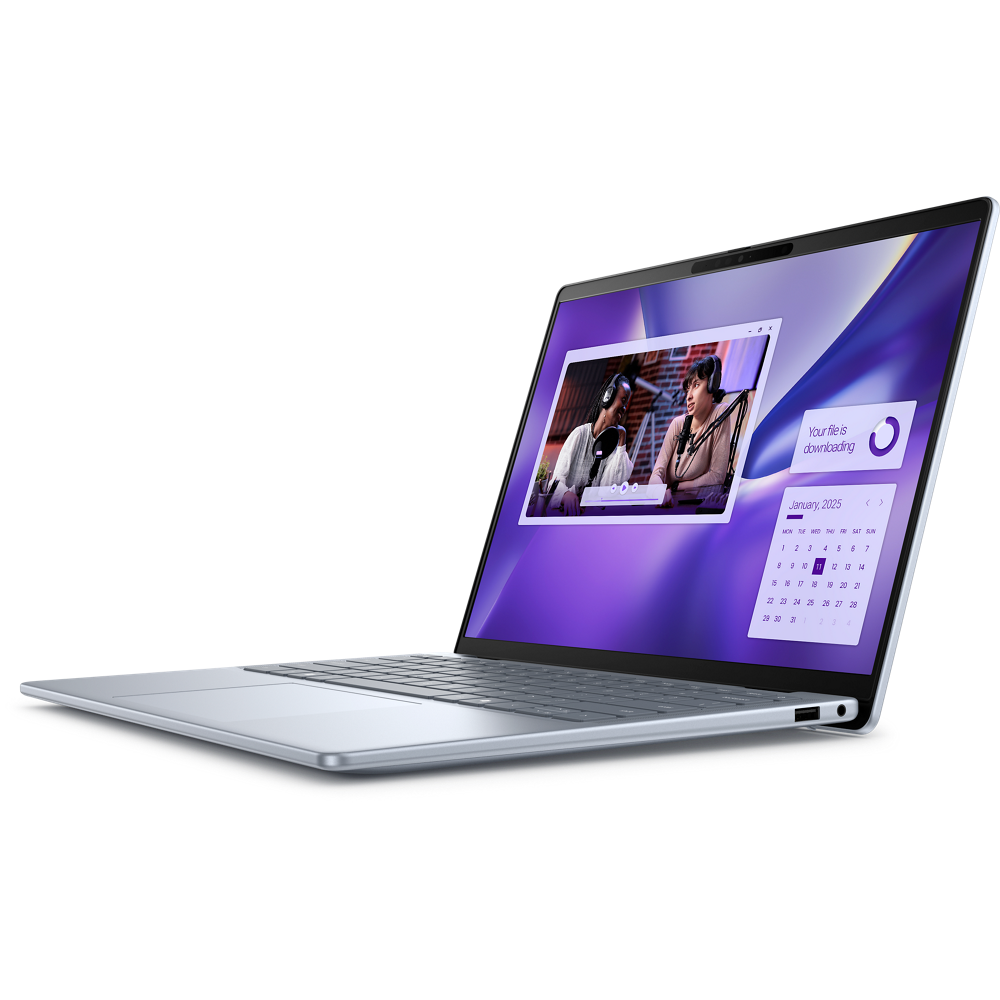
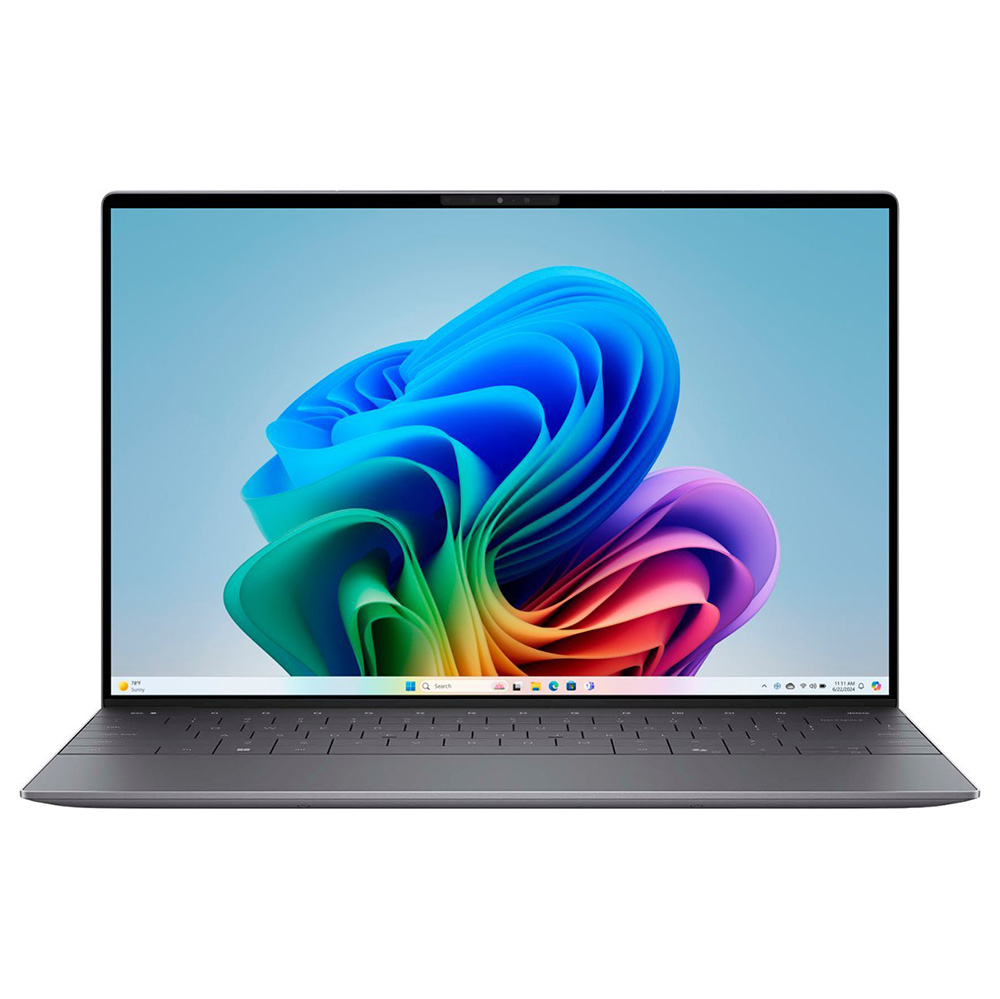
The Dell Inspiron 14 Plus (7441) currently stands as the benchmark for the modern, well-rounded laptop. Utilizing the Qualcomm Snapdragon X Plus, this device has redefined expectations for thin-and-light portability. In testing, it achieved a staggering 18 hours and 20 minutes of battery life in web-browsing simulations, far exceeding the industry average of approximately 13 hours. While it faces some compatibility hurdles due to the Windows-on-ARM ecosystem, its multicore performance—scoring 13,281 in Geekbench 6—positions it as a superior choice for the average user who prioritizes battery longevity and thermal efficiency.
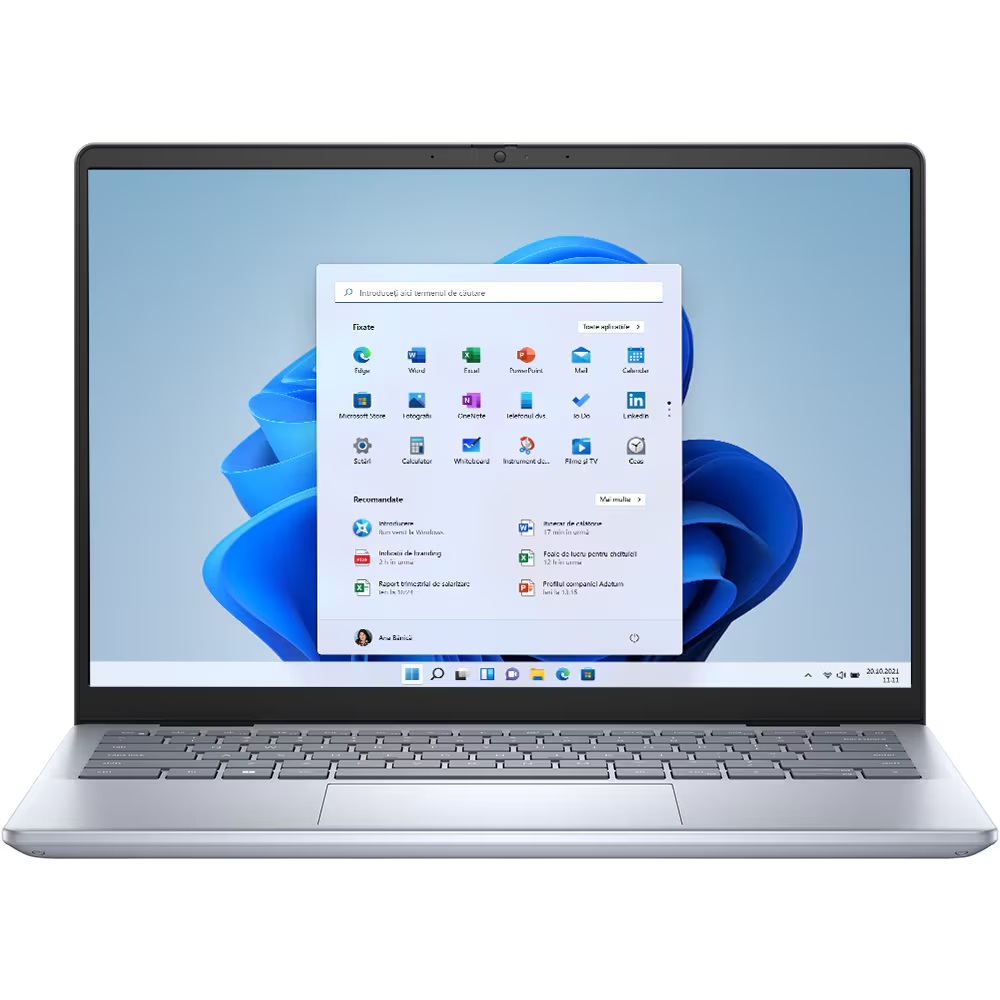
For those requiring traditional x86 compatibility and graphical power, the Intel-based Inspiron 14 Plus (7440) remains a formidable alternative. While it runs hotter than its ARM-based counterpart, it provides superior integrated graphics via Intel Arc. In synthetic benchmarks like 3DMark Fire Strike, the Intel configuration outscored the Snapdragon model by 27%, making it a viable option for users who engage in light gaming or specialized creative software that has yet to be fully optimized for ARM.
Gaming and Professional Workstations
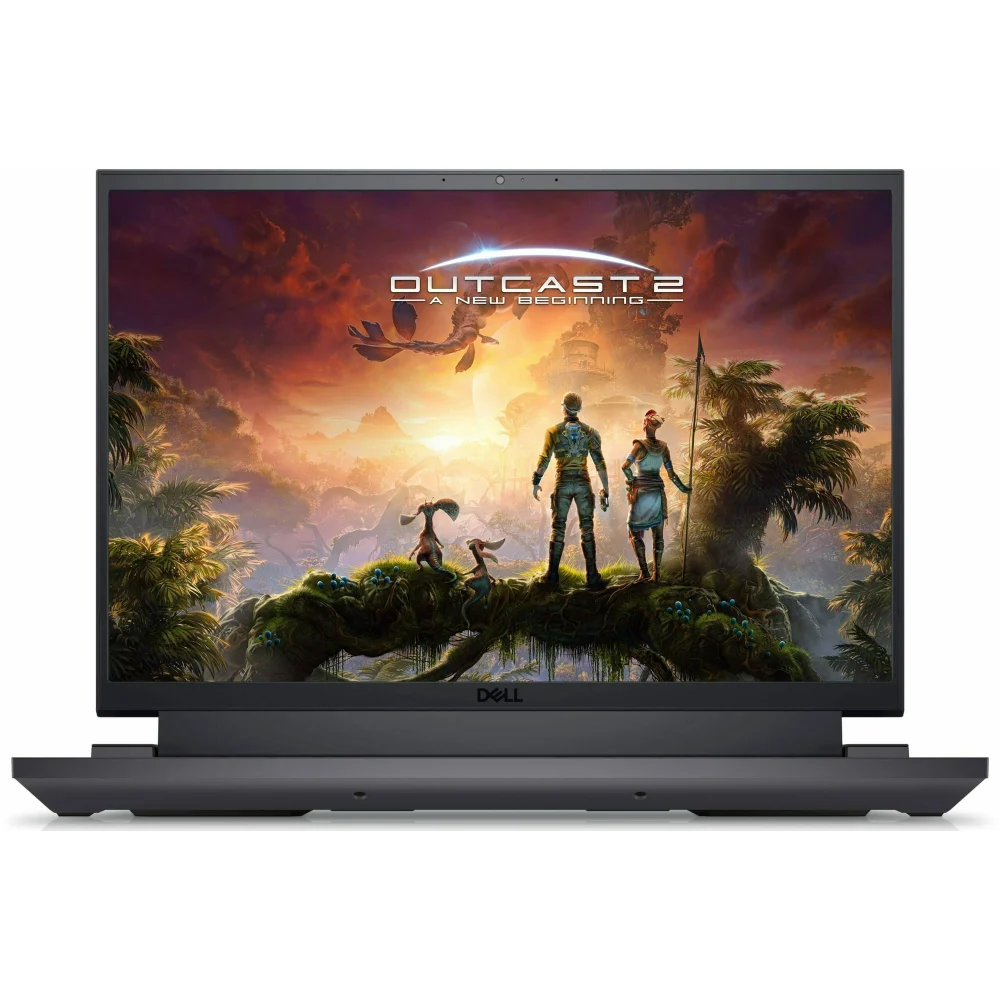
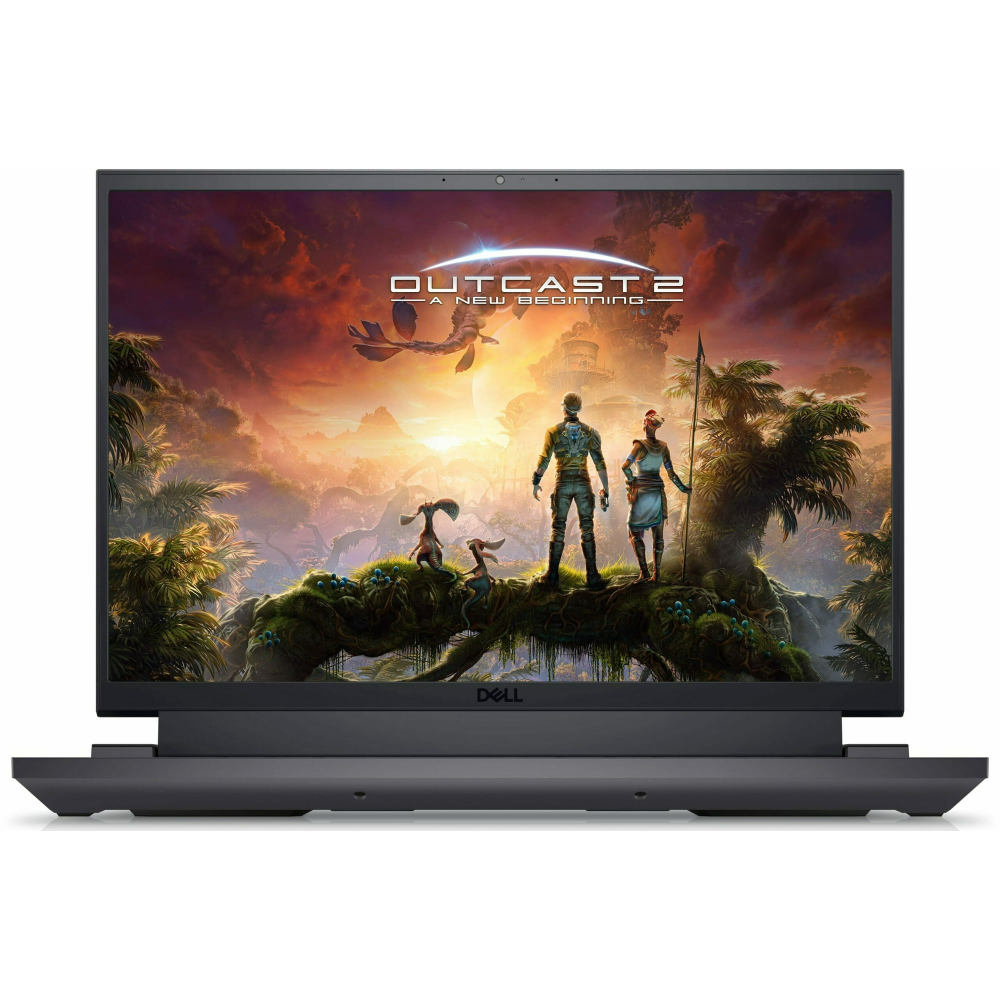
Dell’s G16 (7630) continues to be an outlier in the budget gaming market. Priced under $1,000, it challenges the narrative that quality gaming hardware must be prohibitively expensive. By incorporating an Nvidia GeForce RTX 4060 and a high-refresh-rate 240Hz display, the G16 offers a level of performance that typically commands a higher premium. Furthermore, the inclusion of a Cherry MX tactile mechanical keyboard provides a competitive edge in build quality, distinguishing it from rivals that utilize standard membrane keyboards.
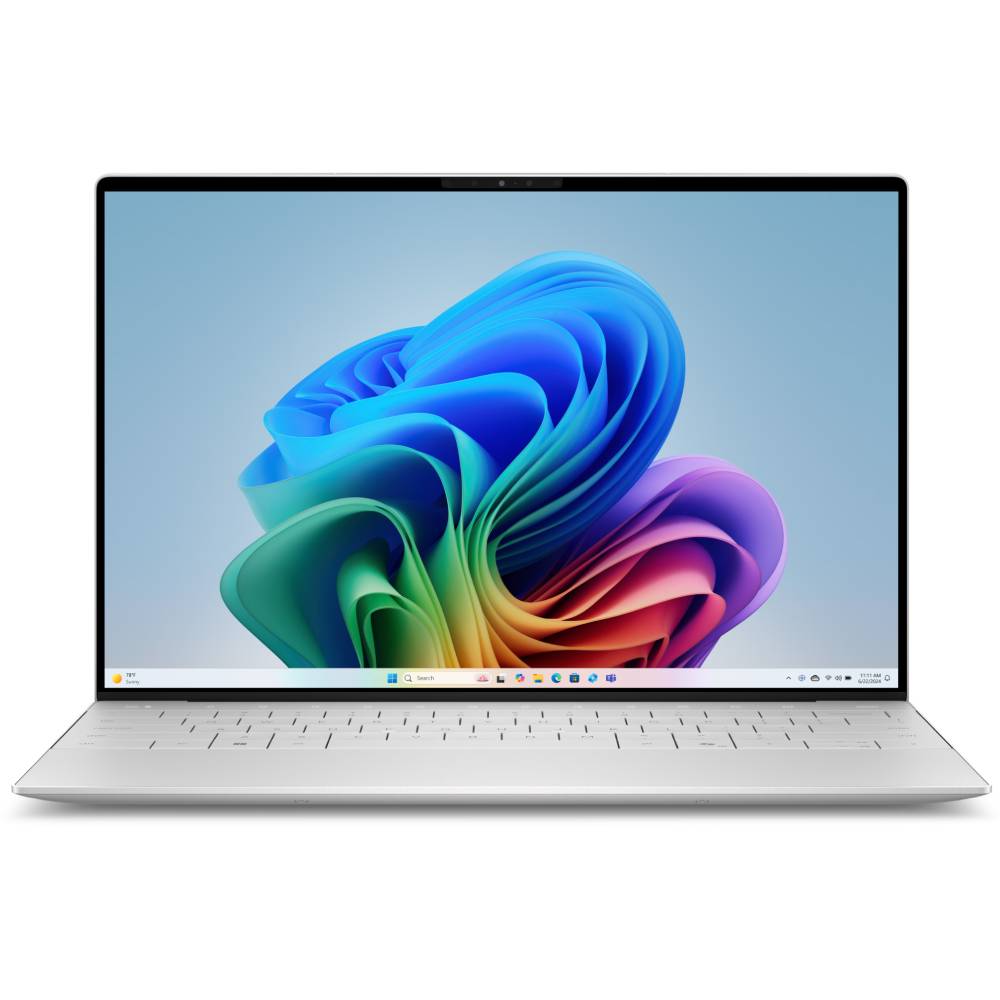
For professionals, the Dell XPS 13 (9350) represents the pinnacle of display technology. The tandem OLED panel option offers a color gamut coverage of 144.60% of the DCI-P3 spectrum, providing color accuracy that is critical for video editors and graphic designers. While the battery life on the OLED configuration is shorter—clocking in at roughly 8 hours and 40 minutes—the trade-off is a visual fidelity that remains unrivaled in the 13-inch form factor.
Technical Analysis: The Shift to ARM and Thermal Management
The internal data gathered from 2025 testing reveals a clear trend in thermal management and power efficiency. The Snapdragon-equipped models consistently outperform Intel configurations in power-per-watt efficiency, allowing for lighter chassis designs without sacrificing performance during sustained productivity tasks. However, the data also highlights the "comfort threshold" issue; Intel-based systems, such as the Inspiron 14 Plus (7440), frequently reach surface temperatures exceeding 105 degrees Fahrenheit under load, whereas the Snapdragon models typically remain below 90 degrees.
This disparity in thermal output suggests that while Intel remains the performance king for legacy applications and graphics-intensive workflows, the future of the ultra-portable category is increasingly leaning toward ARM architectures. Dell’s willingness to experiment with both platforms demonstrates a hedged strategy, ensuring they can capture both the legacy business market and the new wave of power-efficient mobile users.
Manufacturing and Global Supply Chain
Dell’s manufacturing footprint remains a critical component of its ability to scale. The company maintains significant production facilities in Austin, Texas, alongside massive operations in Shanghai, Shenzhen, Chengdu, and Limerick, Ireland. This global distribution network allows Dell to maintain a robust supply chain despite geopolitical volatility. As the company transitions its branding, it is also standardizing its manufacturing processes to ensure that a "Dell Pro" laptop built in Ireland meets the exact same quality control standards as one assembled in China.
Implications for the Consumer
For the prospective buyer, the 2025 rebranding presents a unique opportunity. As retailers clear out stock labeled with the legacy names (Inspiron, XPS, Latitude), significant discounts are currently available. Consumers should not be deterred by the "old" branding; the hardware remains high-quality, and the naming convention change is largely cosmetic rather than architectural.
However, consumers must exercise due diligence regarding the underlying processor architecture. Those who rely on specific, older software for their professional workflows should prioritize the Intel "Dell Premium" or "Dell Pro" lines to ensure total software compatibility. Conversely, users whose primary workload consists of web-based applications, video conferencing, and standard office suites will find the "Dell" (formerly Inspiron) models powered by Snapdragon chips to be a superior investment in terms of mobility and battery life.

Conclusion: Looking Ahead
Dell’s evolution throughout 2025 reflects a broader trend in the tech industry: a movement toward consolidation and simplification. By aligning its naming conventions with the expectations of the modern consumer, Dell is attempting to shed the "business-only" perception of its past while doubling down on the premium consumer market.
As we look toward the remainder of the year, the industry expects further refinements in the integration of AI-ready hardware. With the release of new "Lunar Lake" processors and further optimizations for Windows on ARM, the gap between performance and portability is closing. Whether one is a student, a creative professional, or a enterprise-level user, the current Dell lineup offers a specialized tool for every need, provided the user understands the distinct advantages of the new, simplified hierarchy. The company’s ability to navigate this transition will likely determine its market share in the years to come, but if current performance metrics are any indication, Dell remains as relevant and capable as ever.