The question of how much sound quality truly matters in the realm of audio equipment, particularly for enthusiasts and dedicated audiophiles, often elicits a resounding affirmation. For those deeply invested in high-fidelity (hi-fi) systems, the answer typically ranges from "quite a lot" to "it’s the paramount consideration." This philosophy has been a cornerstone for publications like What Hi-Fi?, which is celebrating its 50th anniversary this year. Over these five decades, the consistent prioritization of sonic excellence has been a guiding principle, and arguably, a justified one. However, the reality of evaluating audio products in the consumer market necessitates a more nuanced approach, where the "Sound First" principle, while vital, must be meticulously balanced against a constellation of other critical factors.
In the intricate landscape of audio consumerism, a product’s sonic prowess is merely one facet of its overall appeal and value proposition. Potential buyers, and indeed reviewers, must invariably weigh sonic performance against an array of other considerations. These include, but are not limited to, the product’s reliability, its feature set, the quality of its construction and materials, its aesthetic design, and its price point. Furthermore, the ease with which a consumer can interact with and operate the device – its usability – also plays a significant role in the overall ownership experience. This multifaceted evaluation process is crucial for delivering a comprehensive and accurate assessment that resonates with the broader market.
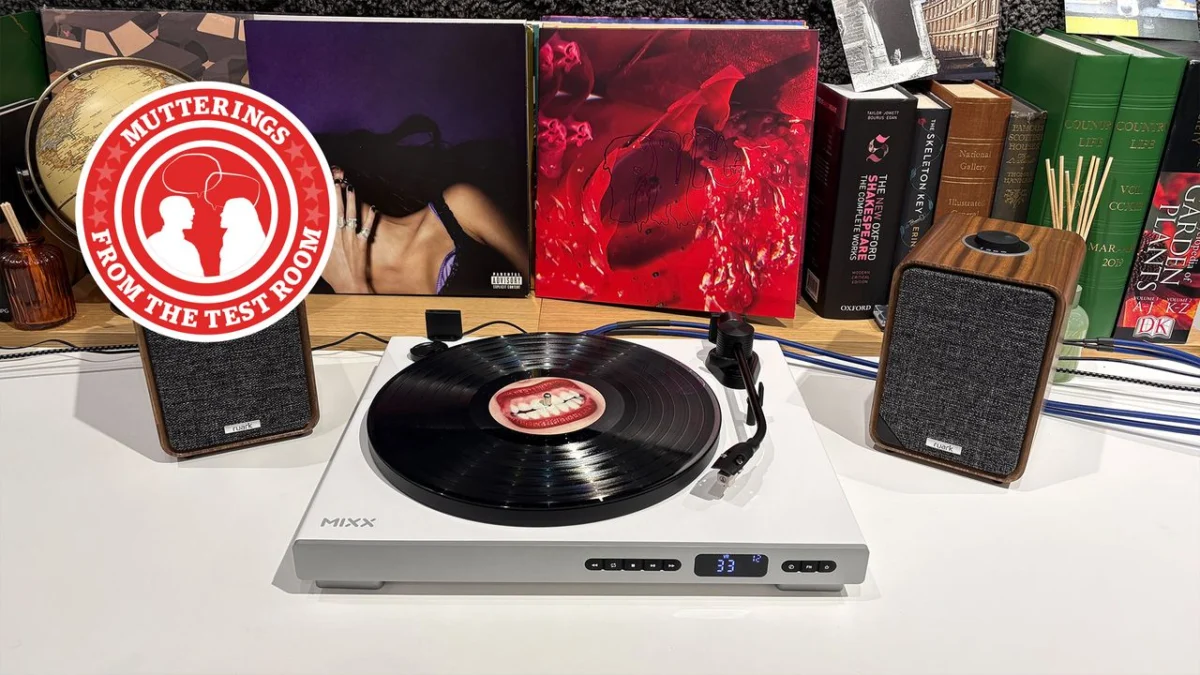
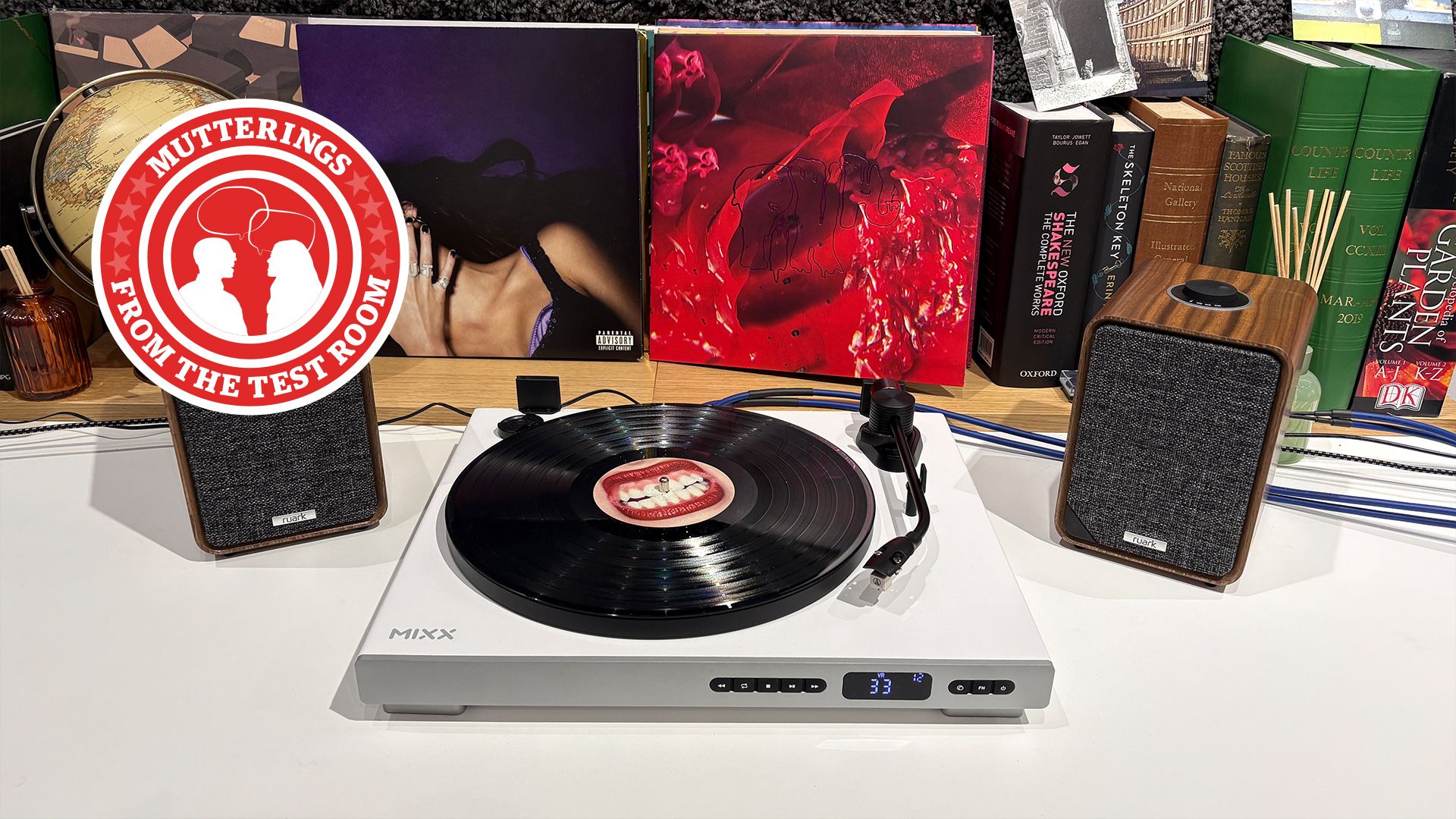
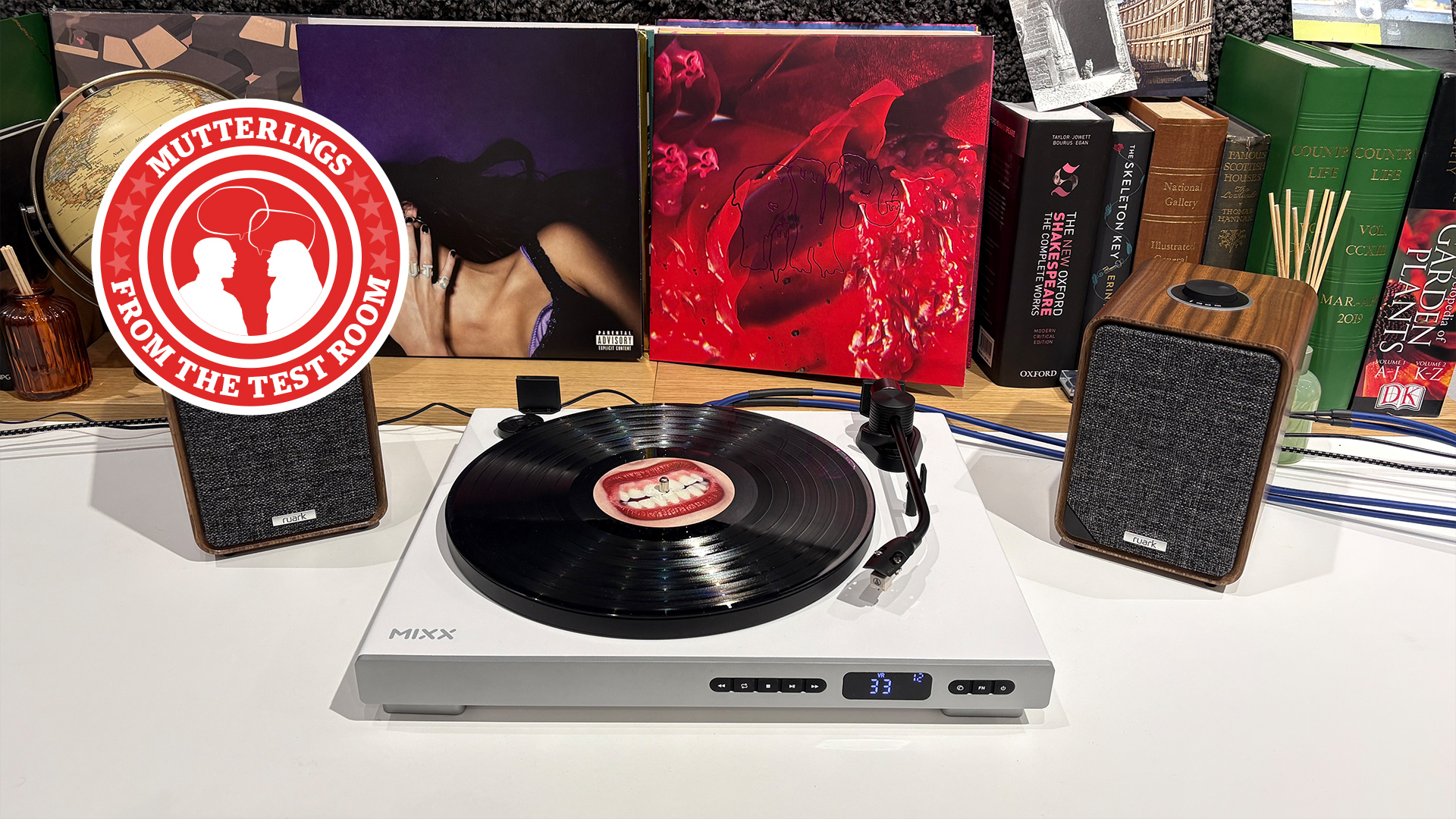
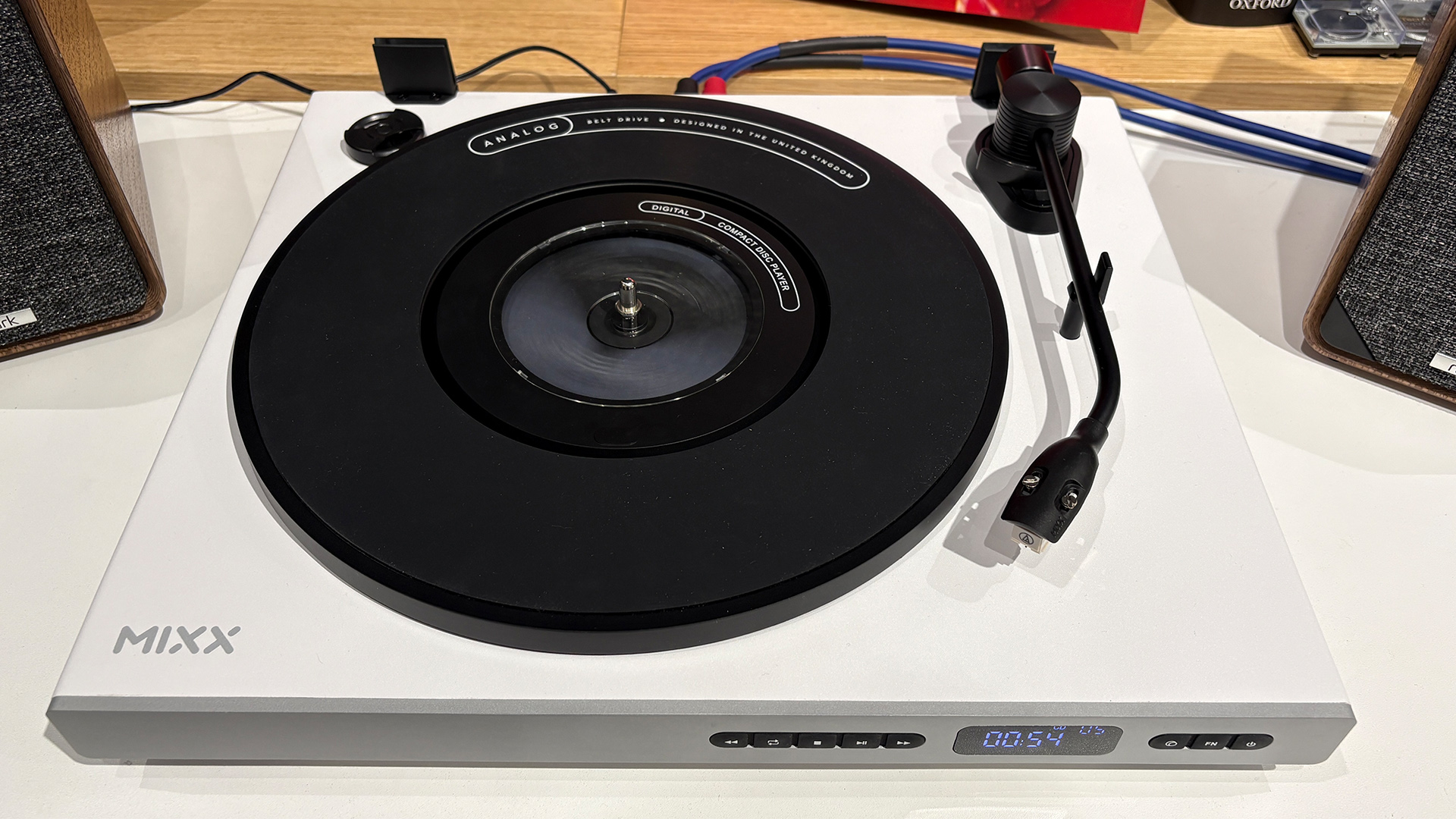
A compelling case study that exemplifies this complex balancing act is the Mixx Analog+, an audio device that merges the functionality of a record player and a CD player into a single unit. Available in the UK for a remarkably accessible price of £300, this product presents a significant challenge to conventional product evaluation. The question arises: how can a manufacturer deliver such a comprehensive feature set and a commendable build quality at such a modest price point? This apparent paradox immediately places the product under scrutiny, demanding a thorough examination of its strengths and weaknesses across all evaluation parameters.
The Mixx Analog+ distinguishes itself with a fully automatic record player section. Operated via a series of intuitive front-panel controls, the user is spared the necessity of manually handling the tonearm. The mechanism and controls operate with a smoothness and sophistication that starkly contrasts with the often clunky alternatives found in similar budget-friendly devices. While the operation of the automatic mechanism may produce faint whirring sounds, this was not perceived as an annoyance by the review team, indicating that it did not detract from the user experience. The inclusion of Bluetooth connectivity further enhances the product’s versatility, opening up a wide range of system integration possibilities, including compatibility with powered speakers and wireless headphones, thereby extending its utility beyond its core functions.
A visual inspection of the Mixx Analog+ reveals a casework that is both well-constructed and aesthetically pleasing, particularly given its price bracket. The unit feels solid and substantial, and the quality of the finish is noteworthy for an audio component retailing at this price. The tactile feedback from the controls is positive and reassuring, contributing to a sense of quality. Even the front-panel display is sufficiently crisp and legible, ensuring that information is easily discernible from a reasonable viewing distance. On the surface, the Mixx Analog+ presents itself as an exceptionally attractive proposition for individuals seeking a compact, all-in-one audio source capable of playing both vinyl records and CDs, all within a surprisingly modest financial outlay.
Despite these seemingly overwhelming positives, the Mixx Analog+ ultimately received a middling overall verdict of three stars, with a more critical two-star rating specifically for its sound quality. While the device competently performs its designated functions, it does so with a notable lack of sonic flair or engaging musicality. The review team found themselves in a dichotomy: on one hand, acknowledging the extraordinary value Mixx has managed to deliver for the price; on the other hand, recognizing that the fundamental purpose of any audio component is to reproduce sound faithfully and with a degree of fidelity that allows the listener to appreciate the recording. In this crucial aspect, the Mixx Analog+ fell significantly short of expectations, failing to translate the wealth of features and build quality into an equivalently impressive auditory experience.
This situation raises a pertinent question for audio enthusiasts and the industry at large: What is the ultimate purpose of acquiring an audio product if the listening experience it provides is not inherently enjoyable or compelling? The allure of vinyl, for instance, is often tied not just to the physical medium but to the warmth, detail, and immersive quality of its reproduction. When a device, however feature-rich or affordable, fails to deliver this fundamental sonic satisfaction, its other merits, while commendable, may not be sufficient to justify its inclusion in a discerning audiophile’s setup.
The Complexities of Reviewing and Consumer Expectations
The challenge of evaluating products like the Mixx Analog+ is a recurring theme in audio reviews. Publications and reviewers strive to provide a balanced perspective, acknowledging the economic realities faced by consumers and the compromises manufacturers must make. However, the core mission of a hi-fi review remains to assess how well a product reproduces sound. This often leads to a tension between praising value and features, and critically evaluating sonic performance.
Another example that highlights this evaluative complexity is the WiiM Ultra music streamer. This device, much like the Mixx Analog+, was lauded for its aggressive pricing, making advanced streaming technology accessible to a wider audience. The Ultra garnered a four-star rating for its sound quality, a commendable achievement in its own right, but received a perfect five-star rating for its overall verdict. The divergence in these scores underscores the impact of other evaluative criteria.
The WiiM Ultra’s success was attributed to a potent combination of an excellent accompanying app, a high-quality build, a generous array of features, and class-leading usability. These attributes, when bundled with its competitive price, were deemed significant enough to elevate its overall standing, even if its sound quality, while good, was not considered groundbreaking. The review team acknowledged minor misgivings regarding the sound, but ultimately concluded that the WiiM Ultra represented an exceptional value proposition for consumers. This instance demonstrates that while sound quality remains a primary consideration, other factors can significantly influence a product’s overall desirability and its ultimate rating.
The "Sound First" Principle in a Pragmatic World
The editorial stance of What Hi-Fi? has consistently championed the "Sound First" principle. This approach posits that while factors such as reliability, features, build quality, aesthetics, and price are important, they should not overshadow the fundamental requirement for excellent audio reproduction. In essence, an audio product’s primary function is to deliver a superior listening experience. If it fails in this core duty, even its other strengths may not compensate.
However, the practical application of this principle in the real world requires a degree of flexibility and pragmatism. The consumer electronics market is characterized by a constant interplay of innovation, cost-effectiveness, and consumer demand. Manufacturers must navigate these constraints to produce products that are not only sonically competent but also attractive to a broad spectrum of buyers. This often involves making deliberate trade-offs.
For instance, a product might sacrifice a marginal improvement in sonic detail for enhanced connectivity options or a more robust build. Conversely, a device might achieve exceptional sound quality at the expense of user-friendliness or a premium aesthetic. The role of the reviewer is to dissect these trade-offs, inform consumers about them, and ultimately guide them towards a purchase that best aligns with their individual priorities and budget.
The enduring appeal of vinyl, despite its inherent limitations in terms of convenience and potential for sonic imperfections, lies in its unique sonic character and the tactile ritual of playing a record. This is not solely about the technical accuracy of reproduction but also about the emotional engagement and the overall sensory experience. This appreciation for the subjective qualities of sound is a key driver for many audiophiles.
Evolving Consumer Preferences and Technological Advancements
The audio landscape has undergone dramatic transformations over the past five decades. The advent of digital audio, the rise of streaming services, and the proliferation of wireless technologies have reshaped how consumers access and experience music. While the pursuit of high-fidelity sound remains a constant for many, the definition of what constitutes "good sound" and the acceptable compromises for achieving it have evolved.
For a younger generation of consumers, who may have grown up with digital music and compressed audio formats, the nuances of high-resolution audio and the subtleties of analog reproduction might be less immediately apparent or prioritized. Their expectations are often shaped by convenience, accessibility, and the seamless integration of technology into their daily lives. This demographic may find devices like the Mixx Analog+ or the WiiM Ultra particularly appealing, as they offer a blend of legacy formats and modern connectivity, catering to a diverse range of listening habits.
The inclusion of Bluetooth, for example, is no longer a niche feature but a standard expectation for many audio products. It allows for effortless pairing with smartphones, tablets, and other wireless devices, democratizing access to music playback. Similarly, integrated streaming capabilities and app-controlled interfaces have become integral to the modern audio experience, offering vast libraries of music at the user’s fingertips.
The Broader Impact and Implications
The critical evaluation of products that attempt to balance diverse functionalities and price points has significant implications for both consumers and manufacturers. For consumers, these reviews provide essential guidance in navigating a crowded market and making informed purchasing decisions. They highlight the inherent trade-offs involved in product design and manufacturing, enabling buyers to prioritize what matters most to them.
For manufacturers, such reviews offer valuable feedback on product development. They underscore the importance of not only technical performance but also user experience, build quality, and value for money. The success of products that offer a compelling combination of these attributes, even with minor sonic compromises, suggests a growing market for accessible, feature-rich audio solutions.
Ultimately, the debate over sound quality versus holistic value is not about declaring one factor superior to the other. Instead, it is about recognizing the intricate interplay of these elements and understanding how they contribute to the overall desirability and success of an audio product. As What Hi-Fi? continues its 50-year mission, its commitment to assessing these diverse aspects will remain crucial in guiding consumers through the ever-evolving world of high-fidelity audio. The goal is not merely to identify the technically perfect product, but to help consumers find the product that brings them the most listening pleasure, irrespective of whether it’s achieved through pure sonic brilliance or a carefully orchestrated balance of virtues. The "interesting listen" remains paramount, but its supporting cast of attributes undeniably plays a vital role in shaping the complete audio experience.