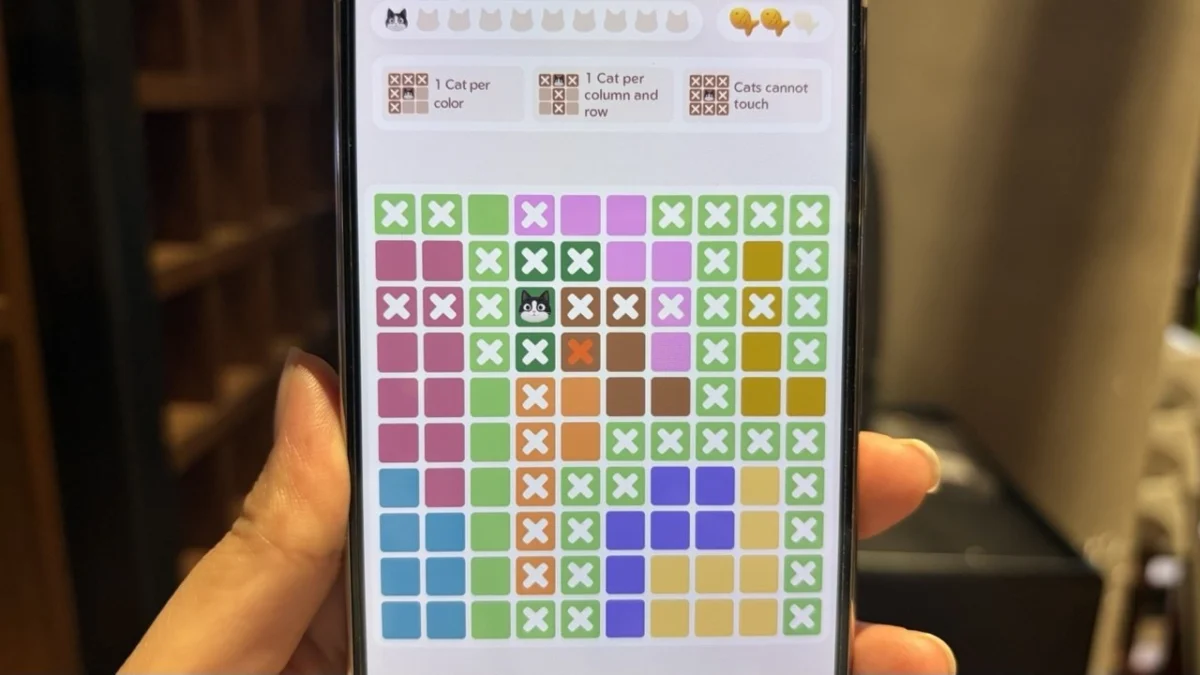
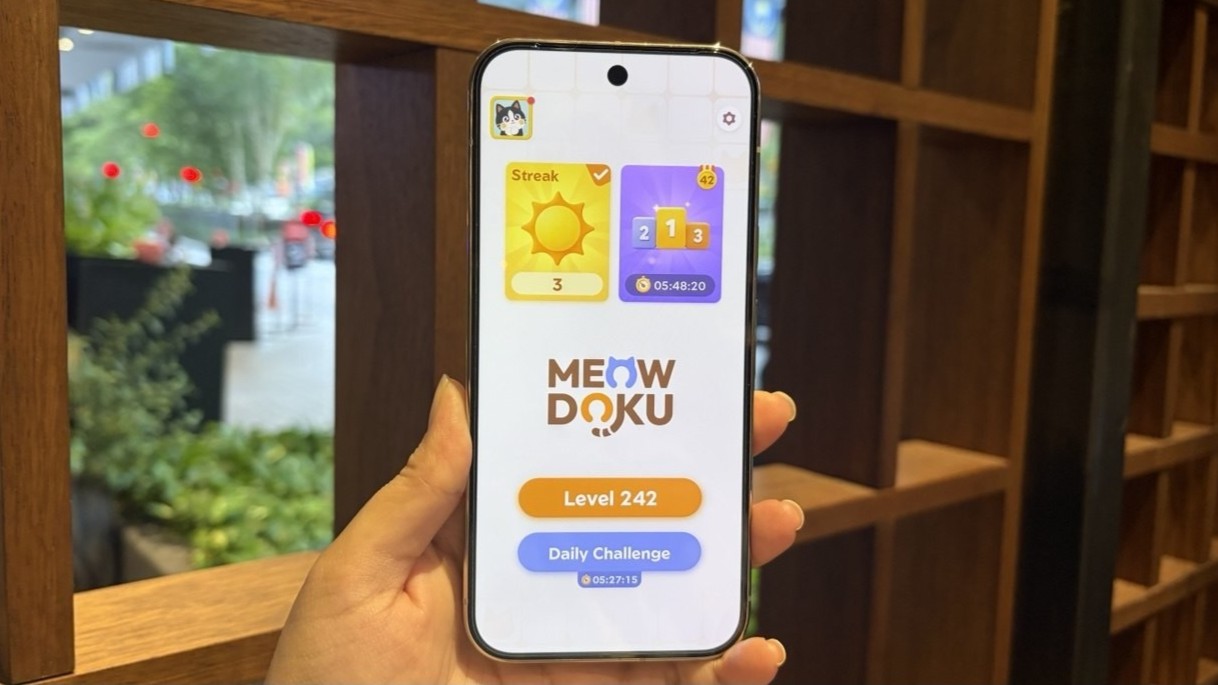
The modern mobile gaming landscape has witnessed a significant surge in the popularity of casual, low-friction puzzle applications designed to offer quick psychological respite for overstimulated users. Among the latest entries to capture widespread public attention is Meowdoku, a whimsical yet intellectually engaging variation of the traditional Japanese number puzzle, Sudoku. Developed by Oakever Games, the title has rapidly ascended viral status across social media platforms, including TikTok, Reddit, Instagram, and YouTube. By replacing numerical digits with vibrant colors and illustrated felines, the game reimagines a century-old pastime into an accessible aesthetic experience. However, despite its viral success and high user retention rates, the application has simultaneously sparked intense community debate regarding its aggressive advertisement-based monetization model, leaving a passionate consumer base eager for structural updates.
Origins and Mechanics: Reimagining the Classic Sudoku Framework
To understand the sudden cultural footprint of Meowdoku, it is necessary to examine the lineage of grid-based logic puzzles. Sudoku, popularized globally in the 1980s by the Japanese puzzle company Nikoli, requires players to fill a 9×9 grid so that each column, row, and 3×3 subgrid contains all digits from one to nine. While the traditional format remains a staple of daily newspapers and specialized puzzle books, its transition to mobile devices has occasionally suffered from stagnation, leading developers to experiment with alternative visual skins and altered constraint systems.
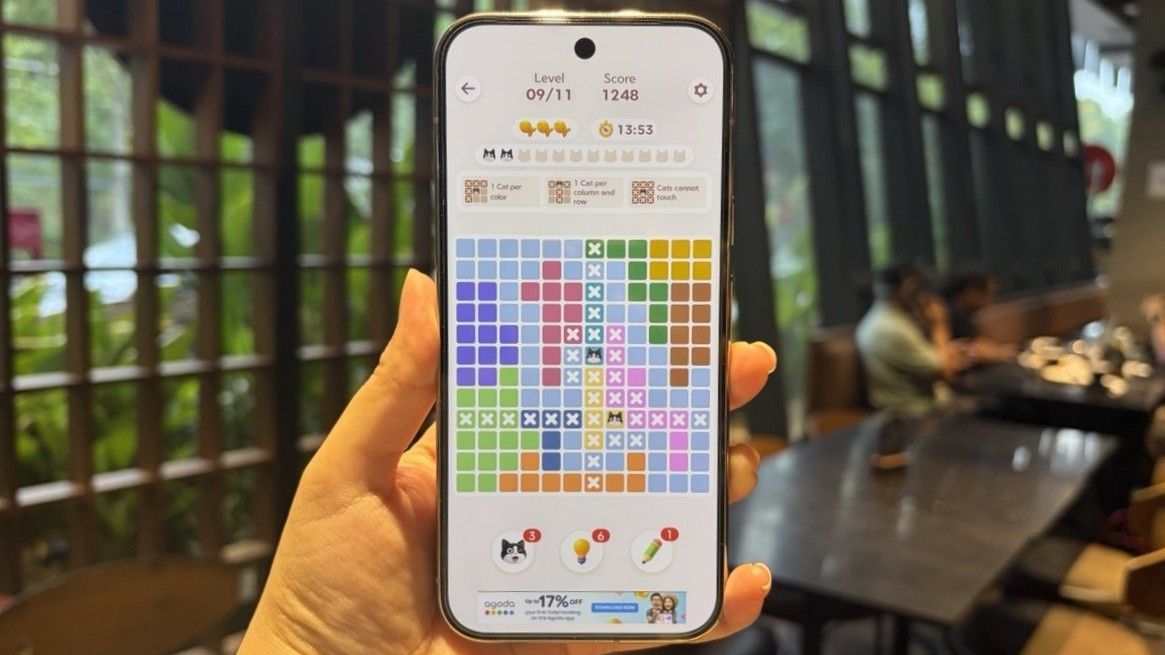
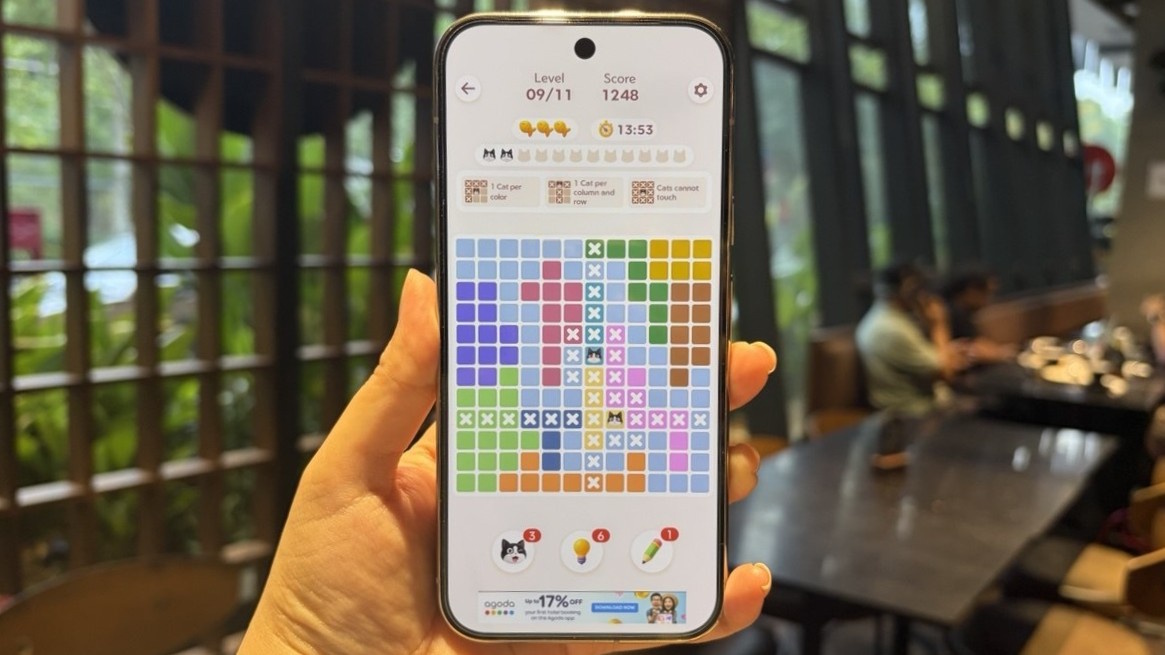
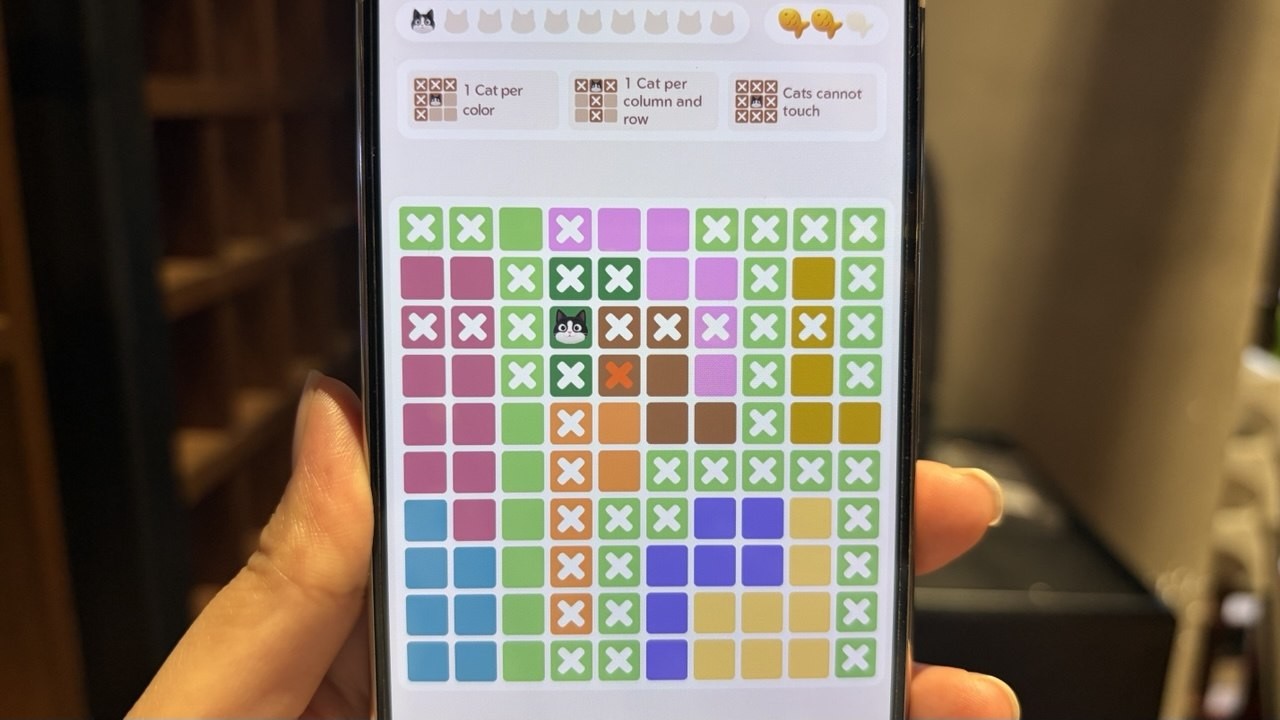
Meowdoku retains the foundational logic of its predecessor while stripping away arithmetic requirements. Instead of numbers, players navigate a grid utilizing distinct cat avatars and color codings. The structural rules governing each level are rigorously enforced: exactly one cat may occupy any given row or column, color matching is restricted to a single instance per row and column, and feline entities cannot be placed in immediately neighboring grid blocks.
Players must deduce the correct placement of up to ten cats per stage. The margin for error is narrow; participants are granted a maximum of three incorrect placements before failing the level entirely and being forced to restart. To assist users through increasingly complex stages, the game incorporates a limited hint system. These hints can be replenished either through in-game progression rewards or by viewing commercial advertisements. Additionally, the application features a dedicated daily challenge mode alongside its primary progression tiers, maintaining daily active user engagement.
The Viral Growth Trajectory and Cross-Platform Phenomenon
The trajectory of Meowdoku mirrors a broader trend within the hyper-casual mobile gaming sector, where targeted digital advertising campaigns successfully drive massive initial acquisition spikes. Over recent months, prospective mobile gamers reported heavy exposure to promotional videos across major social media ecosystems. Rather than suffering from banner fatigue, audiences responded positively to the game’s charming art style and familiar yet refreshing puzzle mechanics.
As user adoption expanded, organic word-of-mouth marketing took over. Communities on Reddit and enthusiast forums began sharing strategies, lamenting particularly difficult stages, and comparing puzzle layouts. This grassroots momentum transformed a routine indie app store release into a mainstream cultural touchpoint. Industry analysts note that titles successfully bridging the gap between nostalgic familiarity—such as classic board games or traditional logic puzzles—and modern, character-driven aesthetics frequently achieve disproportionate viral traction among demographics seeking low-stress digital entertainment.
Monetization Controversies and the Absence of an Ad-Free Tier
Despite its widespread critical reception for gameplay quality and design, Meowdoku has become the center of a burgeoning consumer grievance regarding its monetization strategy. Oakever Games relies heavily on an ad-supported revenue model, compelling users to watch unskippable commercial videos immediately following the completion of nearly every individual level.
For a significant portion of the player base, the frequency of these promotional interruptions disrupts the meditative, stress-relieving flow state that casual puzzle games are ostensibly designed to cultivate. Consumer frustration has been further exacerbated by a notable structural omission: the application currently lacks an in-app purchase option to unlock a permanent, ad-free experience.
In mobile application marketplaces, freemium models typically offer a one-time microtransaction to remove advertisements, satisfying both revenue generation goals for developers and user experience preferences for paying customers. The lack of this feature in Meowdoku has driven players to seek out unauthorized workarounds, ranging from network-level ad-blockers to offline play modes where supported. Industry observers suggest that Oakever Games is leaving substantial secondary revenue on the table by ignoring consumer demand for a paid, premium tier.
Broader Industry Implications and Future Outlook
The situation surrounding Meowdoku highlights a persistent tension within the contemporary mobile application economy. As developer acquisition costs rise and traditional ad networks yield lower per-impression revenues, studios frequently increase ad frequency to maximize monetization from free-to-play users. However, balancing ad load with user retention remains a delicate economic calculation. Excessive commercial interruptions risk driving churn among highly engaged cohorts who would otherwise convert into paying customers given the appropriate transactional options.
Market researchers point out that consumer willingness to pay for convenience in puzzle applications is exceptionally high, provided clear pathways exist. If Oakever Games chooses to address community feedback by implementing an ad-free purchase option, the studio could simultaneously mitigate negative user reviews, stabilize long-term retention, and capture untapped capital from its dedicated player base.
As the mobile gaming market continues to evolve, the success of titles like Meowdoku demonstrates that innovative presentation can breathe new life into legacy puzzle genres. Whether the developers will adapt their monetization framework to align with consumer expectations remains to be seen. In the interim, millions of players worldwide continue to navigate the delicate balance of feline logic, enduring intermittent commercial breaks in pursuit of the ultimate relaxing brain teaser.