The foldable smartphone market continues its rapid evolution, with Samsung’s anticipated Galaxy Z Fold 8 and Google’s recently launched Pixel 10 Pro Fold vying for supremacy. While the Galaxy Z Fold 8 remains shrouded in pre-release leaks and speculation, enough details have emerged to construct a comprehensive comparison against Google’s latest entry. This analysis provides a speculative yet informed look at how Samsung’s next flagship foldable is poised to stack up against the Pixel 10 Pro Fold, examining their prospective features, market positioning, and broader implications for the future of mobile technology.
Pricing and Market Positioning: A High-Stakes Battle
The cost of entry into the premium foldable segment remains a significant barrier for many consumers, and both Samsung and Google navigate this challenge with distinct strategies. Samsung typically unveils its new foldable smartphones during its summer Unpacked events, and rumors suggest the Galaxy Z Fold 8 will debut at an event in London on July 22, 2026. This potential shift in venue from traditional locations like South Korea or the U.S. could signal a broader global marketing push or a strategic move to capitalize on key European markets. While official pricing for the Galaxy Z Fold 8 is yet to be announced, historical trends indicate a starting price point around $1,999 for the base 256GB model, mirroring its predecessor, the Galaxy Z Fold 7. However, industry analysts widely anticipate a potential price increase this year. Reports of rising component and memory costs, coupled with Samsung’s recent adjustments to pricing on other high-end devices, suggest that foldables could become even more expensive. This upward pressure on pricing reflects the complex manufacturing processes and advanced materials required for these innovative devices.
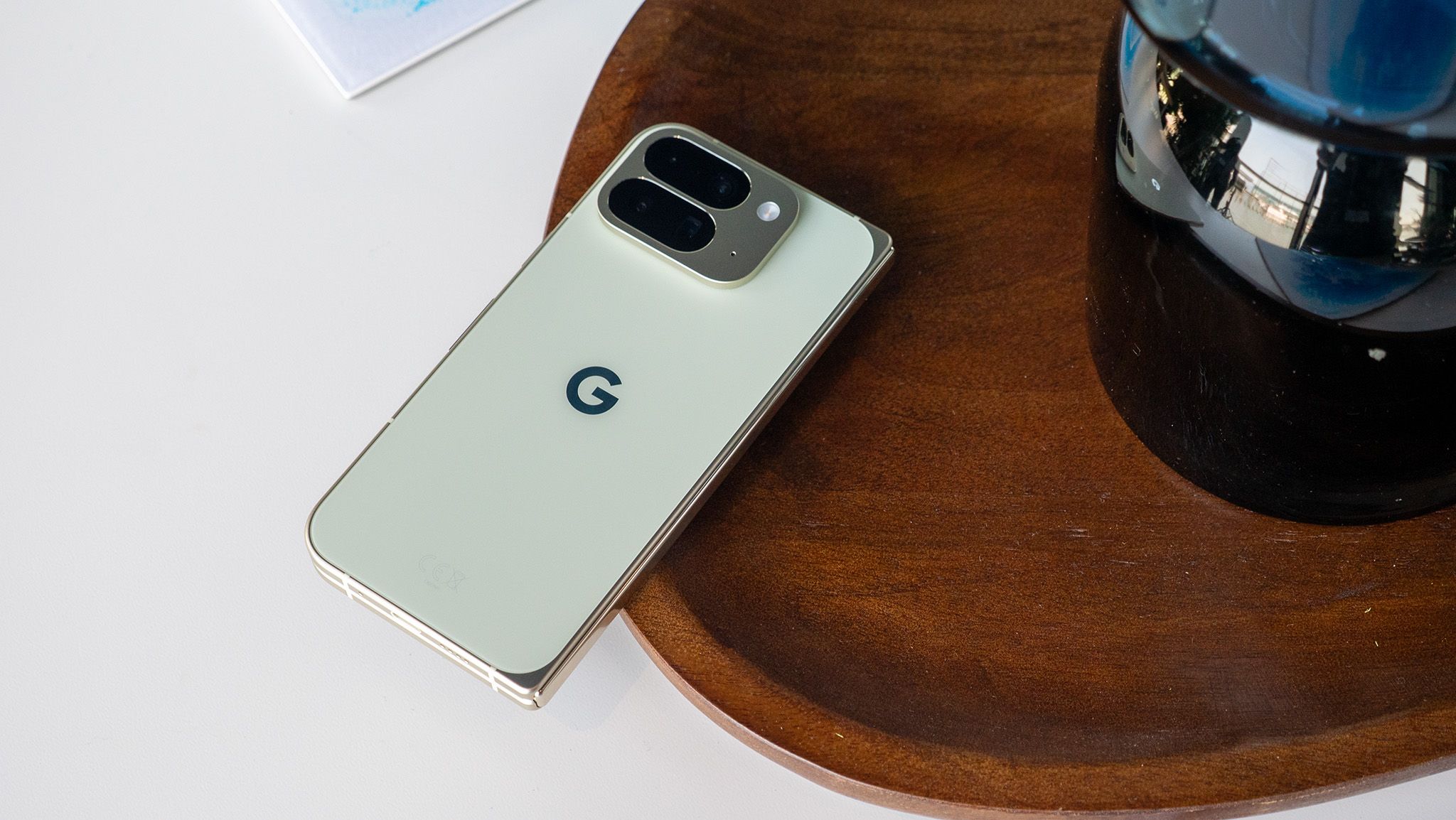
In contrast, Google’s Pixel 10 Pro Fold, launched alongside the Pixel 10 series on August 20, 2025, and subsequently released on October 9, 2025, entered the market with a more accessible starting price of $1,799 for its 256GB variant. It also offers 512GB and 1TB storage options at higher price points. The Pixel 10 Pro Fold is available in elegant Moonstone and Jade color finishes. Google has also demonstrated an aggressive pricing strategy, frequently running promotions that have brought the effective price down to approximately $1,499. This makes the Pixel 10 Pro Fold a highly compelling option, particularly for value-conscious consumers looking for premium foldable features without the anticipated top-tier Samsung price tag. This competitive pricing from Google could force Samsung to carefully consider its pricing strategy to maintain market share, especially in regions where price sensitivity is higher.
Design Evolution and Durability: Refining the Foldable Form Factor
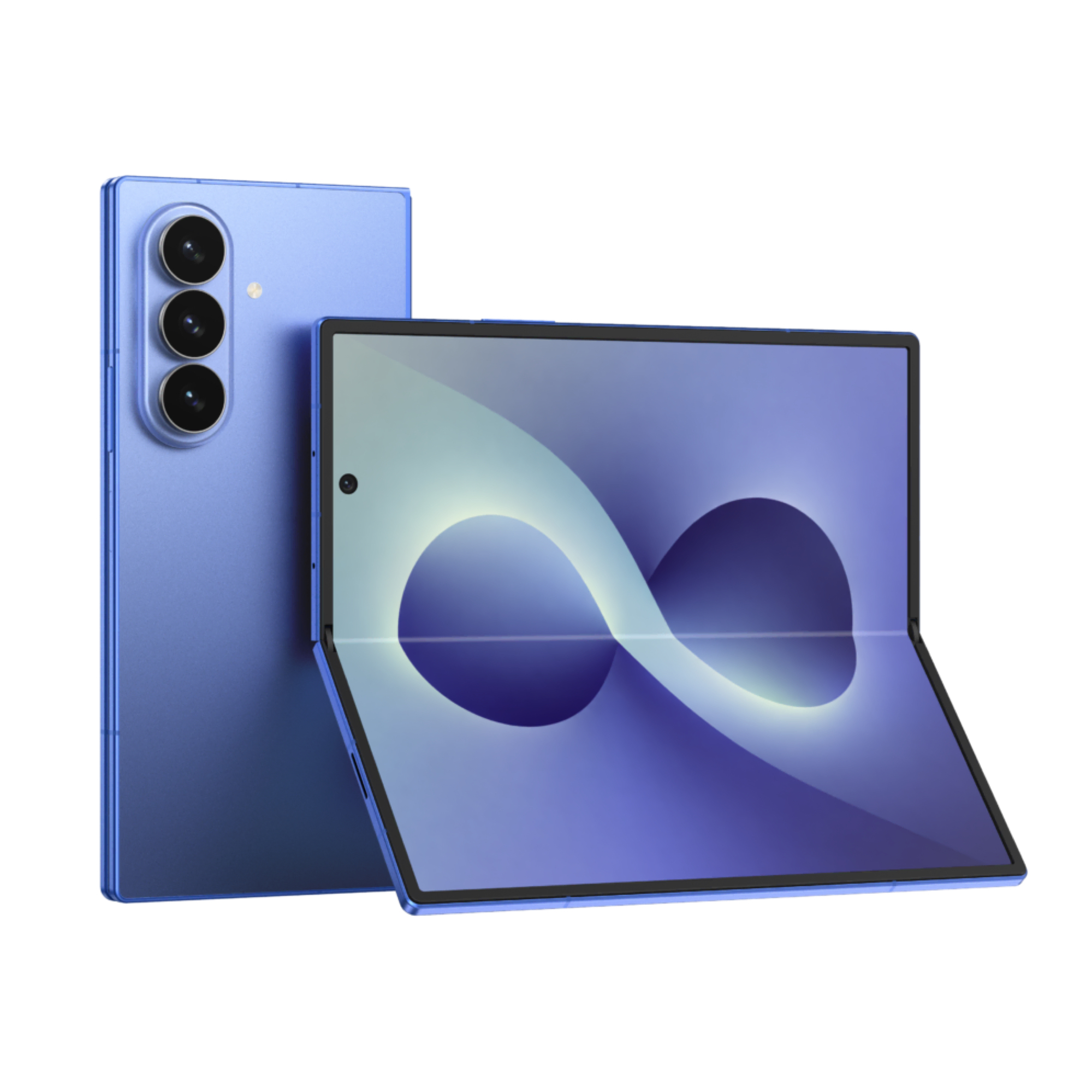
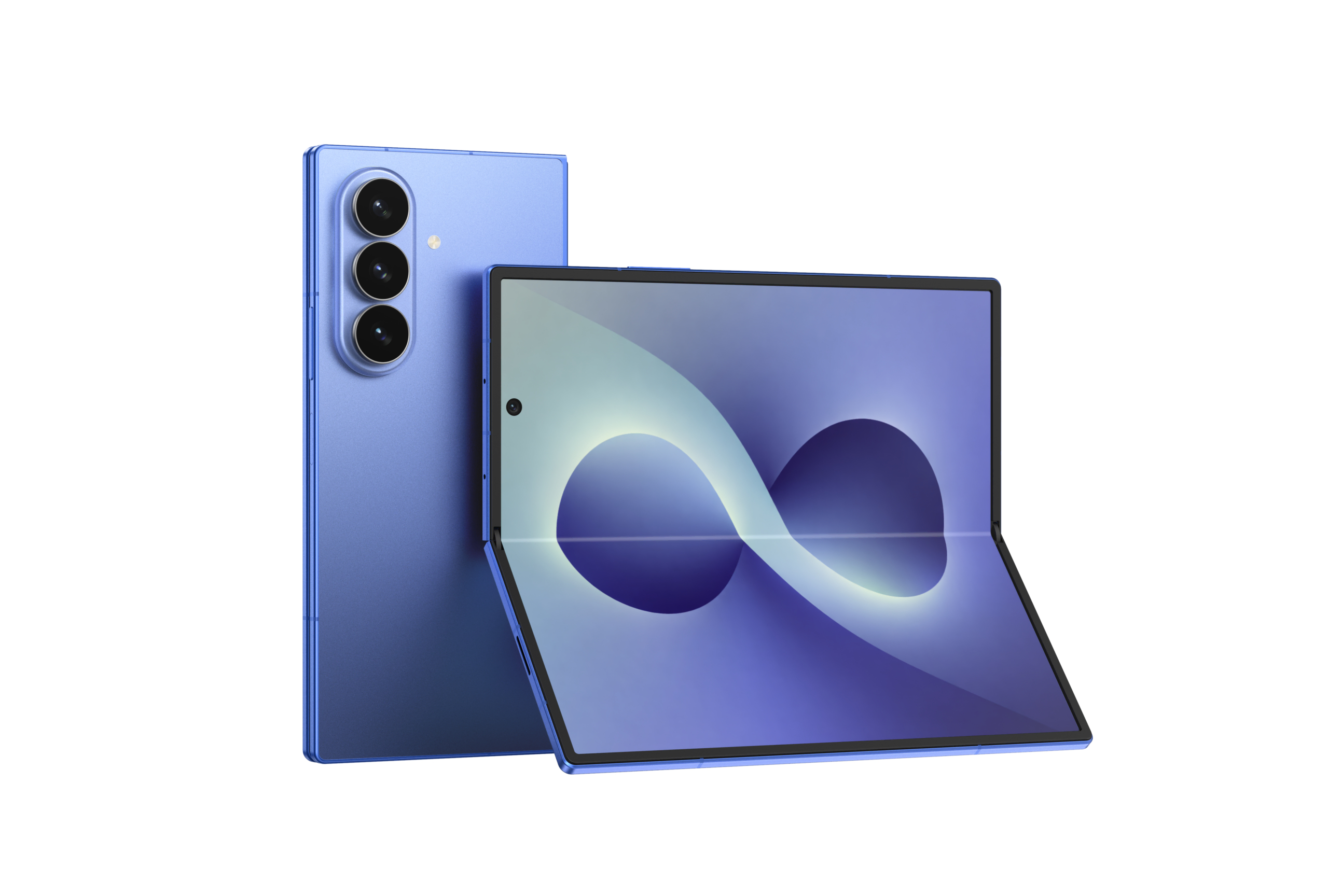
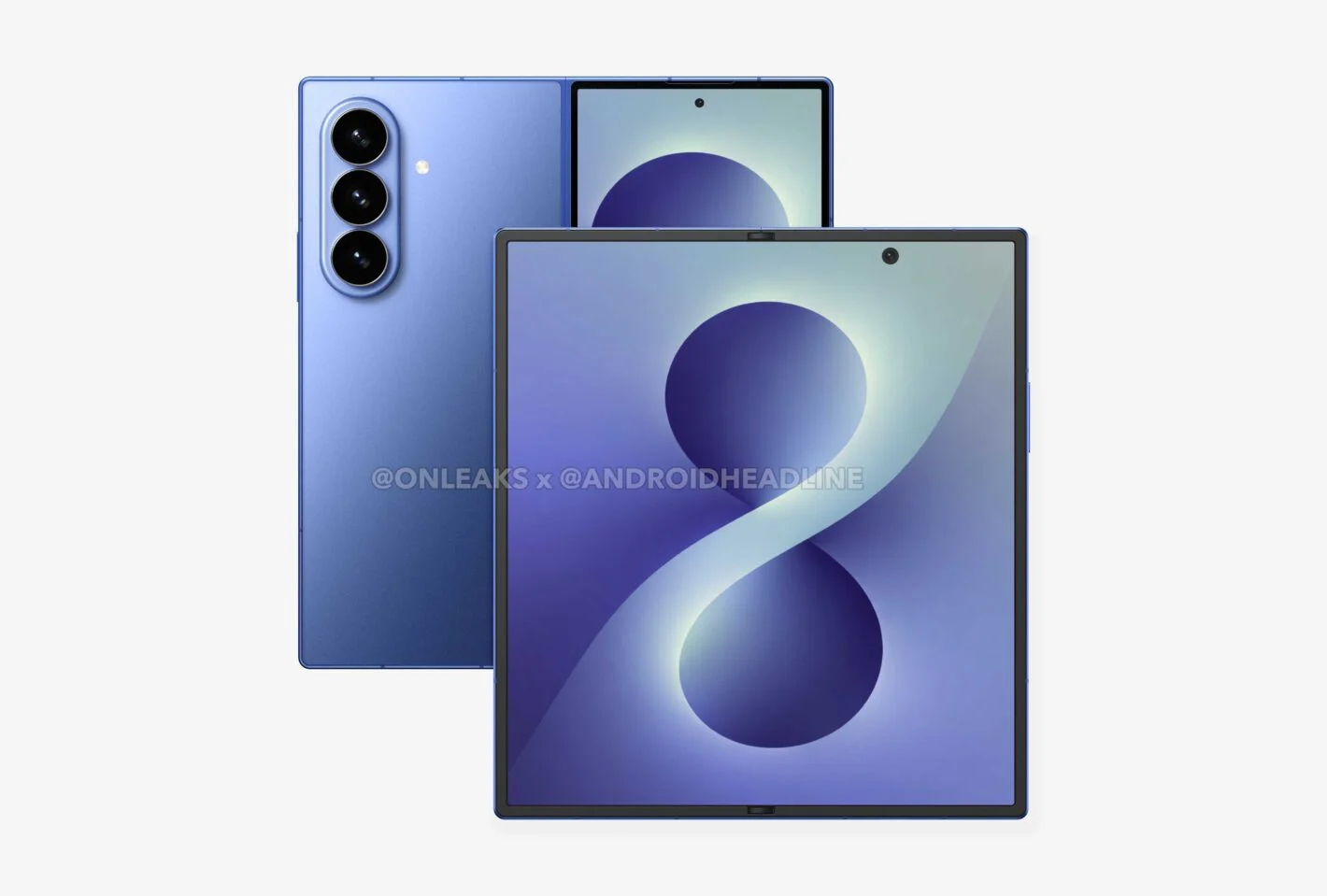
The design philosophy behind both devices reflects a maturity in the foldable market, with manufacturers focusing on refinement rather than radical overhauls. Samsung, having introduced significant design changes with the Galaxy Z Fold 7, is reportedly opting for minimal external upgrades for the Galaxy Z Fold 8. CAD-based renders, leaked in March 2026 through a collaboration between Android Headlines and OnLeaks, suggest a largely familiar aesthetic. The device is expected to retain a vertically arranged triple-camera setup within a pill-shaped module on the rear, complemented by a clean back panel and signature squared edges. The cover display is rumored to be slightly wider than previous iterations, enhancing usability when folded, while the inner display is projected to maintain a more square aspect ratio when unfurled, consistent with the Galaxy Z Fold 7. Dimensions are expected to remain very close to its predecessor, with some reports even suggesting a marginally thicker profile for the Fold 8. This slight increase in thickness, if accurate, could be attributed to a larger battery or enhanced internal components, indicating a focus on practical improvements.
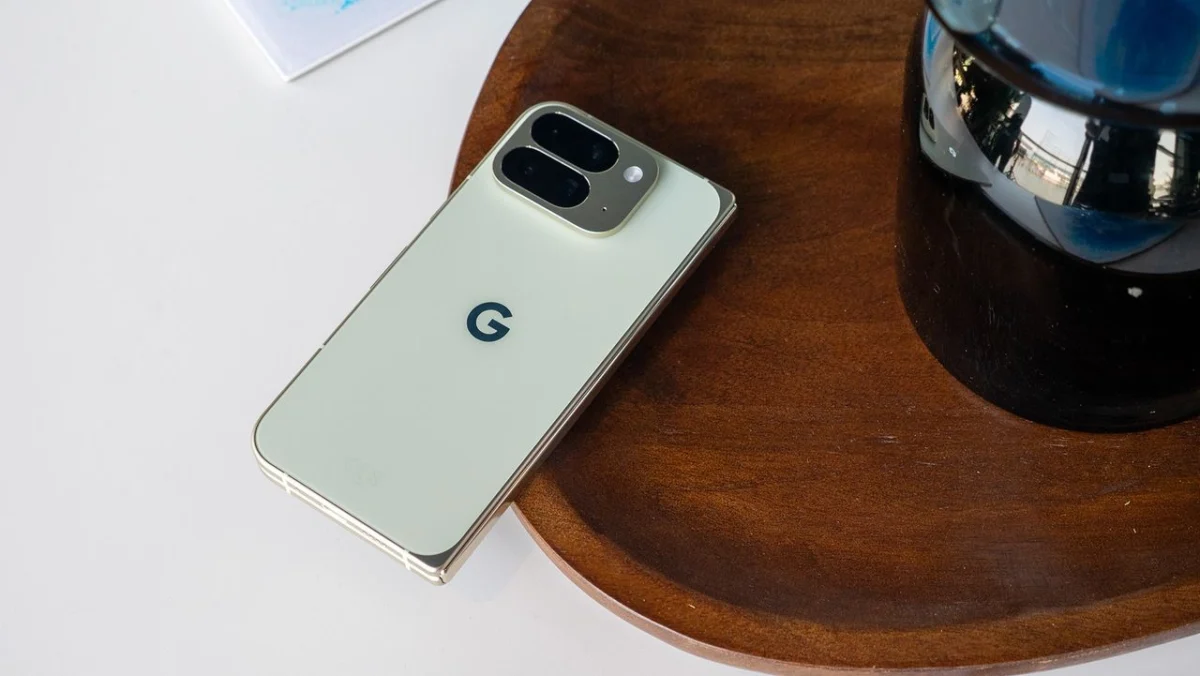
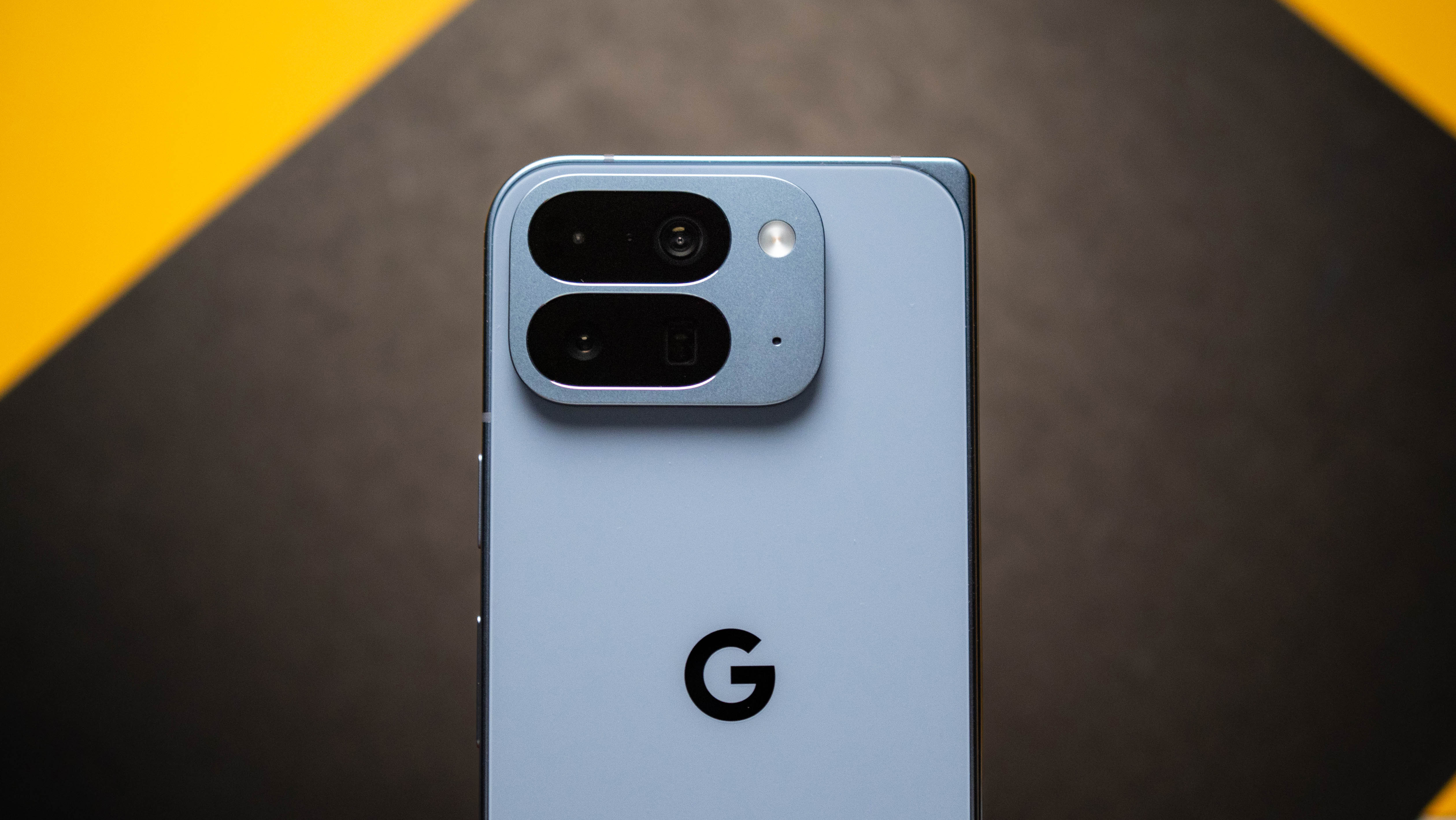
The Pixel 10 Pro Fold, conversely, continues Google’s established design language from the Pixel 9 Pro Fold. It features a distinctive horizontal camera bar on the rear, a sleek glass finish adorned with the iconic ‘G’ logo, and subtly curved edges on one side. Its cover display is notably wider, offering a more traditional smartphone experience when closed, and its inner display presents a slightly wider-than-tall aspect ratio when unfolded. While precise dimensions for the Galaxy Z Fold 8 are still under wraps, the Pixel 10 Pro Fold is known to be thicker and heavier. The Galaxy Z Fold 7 measured approximately 8.9mm when folded, whereas the Pixel 10 Pro Fold stands at about 10.8mm thick and weighs around 258g. This difference in form factor presents a clear choice for consumers: Samsung’s sleeker, more pocketable design versus Google’s more robust, albeit heavier, build.
A critical differentiator in durability lies in their respective IP ratings. The Pixel 10 Pro Fold boasts an impressive IP68 rating for dust and water resistance, a rarity among foldables and a standard feature on many traditional flagship smartphones. This certification provides users with a greater sense of security against environmental hazards. Samsung, however, is likely to stick with an IP48 rating for the Galaxy Z Fold 8, which, while offering protection against solid objects and splashes, still lags behind the Pixel in comprehensive water and dust resistance. This disparity highlights Google’s commitment to bringing conventional smartphone durability to the foldable form factor, an area where Samsung traditionally has been more cautious.
Display Innovations: The Quest for a Seamless Experience
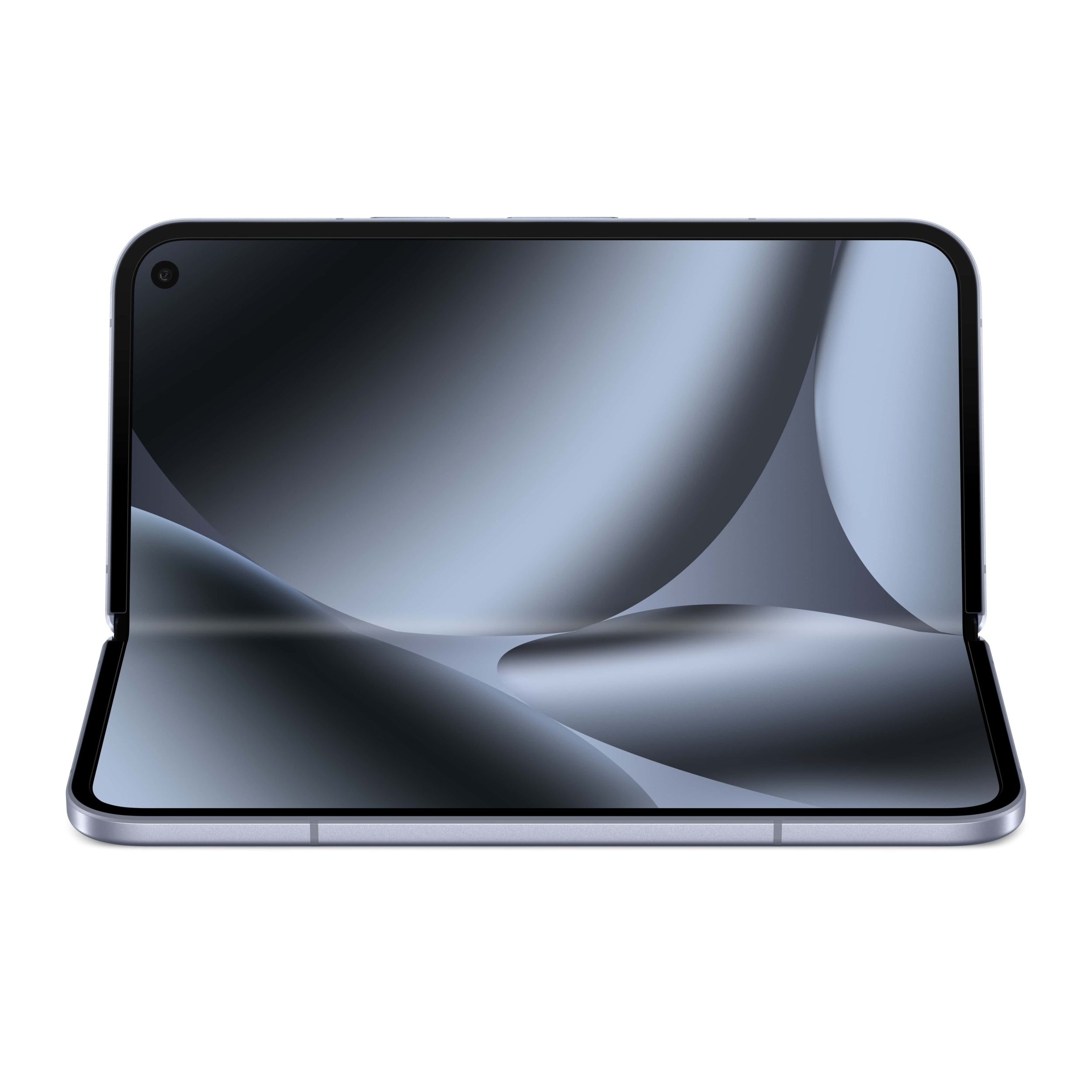
Both manufacturers are pushing the boundaries of display technology, particularly in addressing the inherent challenges of foldable screens. The Galaxy Z Fold 8 is anticipated to retain an 8-inch inner display and a 6.5-inch cover display, consistent with its predecessor. The most significant rumored upgrade, however, is a "much less visible crease" on the inner display. The crease has long been a minor aesthetic and tactile complaint for foldable users. Technologies like Oppo’s "zero-feel crease" on devices such as the Oppo Find N6 have demonstrated what’s possible, and Samsung’s potential advancements in this area would be a major usability win, enhancing the tablet-like experience when unfolded. This would likely involve refinements in hinge mechanisms and display panel flexibility.
The Pixel 10 Pro Fold features a slightly smaller 6.4-inch cover display, with its inner display also measuring around 8 inches. A key highlight for both of the Pixel’s displays is their ability to reach up to 3,000 nits of peak brightness. This high brightness level ensures excellent visibility even in direct sunlight, a feature not universally offered across all foldable devices. While the exact peak brightness for the Galaxy Z Fold 8’s displays has not been leaked, Samsung typically offers highly capable, vibrant AMOLED panels, and it would be expected to match or exceed such figures to remain competitive. The adoption of LTPO (Low-Temperature Polycrystalline Oxide) technology in both devices’ displays is crucial, enabling variable refresh rates up to 120Hz for smooth scrolling and animation while optimizing power consumption.
Core Performance: Chipsets, RAM, and Storage
At the heart of any modern flagship smartphone lies its processing power, and both the Galaxy Z Fold 8 and Pixel 10 Pro Fold are equipped with formidable chipsets. Samsung’s Galaxy Z Fold series traditionally features the latest top-tier Qualcomm Snapdragon processors, and the Galaxy Z Fold 8 is expected to be no exception. It is widely anticipated to be powered by the Snapdragon 8 Elite Gen 5 chipset, likely a "for-Galaxy" variant optimized specifically for Samsung devices, similar to the one found in the Galaxy S26 Ultra. This custom optimization typically allows for slightly higher clock speeds and better performance tuning compared to standard versions of the chip, offering unparalleled raw processing power and graphical capabilities, essential for multitasking and demanding applications on a large foldable screen.
Google’s Pixel 10 Pro Fold, meanwhile, is driven by the Tensor G5, the proprietary chipset developed by Google and integrated across the entire Pixel 10 lineup. The Tensor G5 represents a significant milestone for Google as its first TSMC-manufactured 3nm chipset. This advanced manufacturing process typically translates to substantial improvements in both performance and power efficiency over its predecessor, the Tensor G4. While the Tensor G5 is a considerable leap forward for Google’s silicon, it is generally expected that the Snapdragon 8 Elite Gen 5 will still hold an edge in raw CPU and GPU benchmarks. However, Google’s Tensor chips are specifically designed to excel in AI and machine learning tasks, which are integral to the Pixel experience, influencing everything from camera processing to voice recognition and on-device intelligence.
In terms of memory and storage, the Galaxy Z Fold 8 is rumored to offer 12GB of RAM with storage options including 256GB, 512GB, and 1TB. The Pixel 10 Pro Fold, on the other hand, comes with a generous 16GB of RAM as standard, available in 256GB and 512GB configurations. The higher RAM in the Pixel could offer a smoother experience for heavy multitasking, especially with multiple apps open on the large inner display. Samsung’s inclusion of a 1TB storage option caters to power users who require vast amounts of space for media, applications, and documents.
Battery Life and Charging Advancements
Battery endurance is a crucial factor for foldables, given their larger screens and powerful components. The Galaxy Z Fold 8 is reportedly slated for a significant upgrade in battery capacity, with leaks suggesting a move to a 5,000mAh battery. This would mark the largest increase in battery capacity for the Fold series since the Galaxy Z Fold 3 in 2021, addressing a long-standing desire among users for improved longevity. Complementing this, Samsung is also expected to boost wired charging speeds to 45W, which should considerably reduce the time needed to fully recharge the device.
The Pixel 10 Pro Fold already sets a high bar with its 5,015mAh battery, providing robust all-day power for most users. While the exact comparative battery life between the two devices will require real-world testing, Google’s current advantage lies in its charging convenience. The Pixel 10 Pro Fold supports PixelSnap, Google’s implementation of the Qi2 magnetic wireless charging standard. This integration of built-in magnets allows compatibility with a wide range of MagSafe-compatible accessories, providing a seamless and efficient wireless charging experience without the need for specialized cases. Samsung, while technically supporting Qi2 on devices like the Galaxy S26 Ultra and Z Fold 7, typically requires a specific case for magnetic wireless charging functionality. It is anticipated that the Galaxy Z Fold 8 will follow this same approach, meaning Google will likely maintain its lead in magnetic wireless charging convenience.
Camera Capabilities: Hardware Prowess vs. Computational Photography
The camera systems in high-end smartphones are often a primary differentiator, and both Samsung and Google approach photography with distinct philosophies. Samsung, with the Galaxy Z Fold 7, upgraded its main camera sensor to a massive 200MP. For the Galaxy Z Fold 8, the focus appears to shift to enhancing the auxiliary sensors. Leaks indicate an upgrade to a newer 15MP ultra-wide camera, a bump from the previous 12MP. Furthermore, the telephoto lens is rumored to see an improvement from 10MP to 12MP, while maintaining the 3x optical zoom for delivering sharper, more detailed zoomed-in shots. This strategy suggests Samsung is aiming for a comprehensive, high-resolution hardware suite across its foldable’s camera array.
The Pixel 10 Pro Fold, on the other hand, features a 48MP primary sensor, a 10.5MP ultra-wide lens, and a 10.8MP telephoto lens with an impressive 5x optical zoom. While its megapixel counts might seem lower than Samsung’s, Google’s strength lies in its industry-leading computational photography. Pixel devices are renowned for their ability to produce consistently excellent images, leveraging advanced algorithms and AI to optimize exposure, dynamic range, color accuracy, and detail, often outperforming phones with theoretically superior hardware. The 5x optical zoom on the Pixel 10 Pro Fold also offers a greater reach for distant subjects compared to Samsung’s rumored 3x zoom.
It is challenging to definitively declare a winner without direct comparisons, but Samsung’s consistent hardware refreshes over the past few generations suggest a strong contender. However, Google’s computational photography prowess often compensates for hardware differences, delivering reliable and aesthetically pleasing results across various conditions. A proper camera comparison will be essential once the Galaxy Z Fold 8 officially launches to assess which approach yields superior real-world performance.
Software Experience and AI Integration
Beyond the hardware, the software experience and the integration of artificial intelligence are increasingly vital in the premium smartphone segment. The Galaxy Z Fold 8 is expected to launch with One UI 9, based on Android 17. Samsung’s One UI offers a heavily customized Android experience, optimized for its foldable form factor, including features like Multi-Active Window for enhanced multitasking, Flex Mode for unique usage scenarios, and S Pen support (if applicable). Crucially, Samsung has been aggressively integrating its Galaxy AI features, bringing advanced generative AI capabilities directly to the device for tasks like real-time translation, advanced photo editing, and intelligent content summarization.
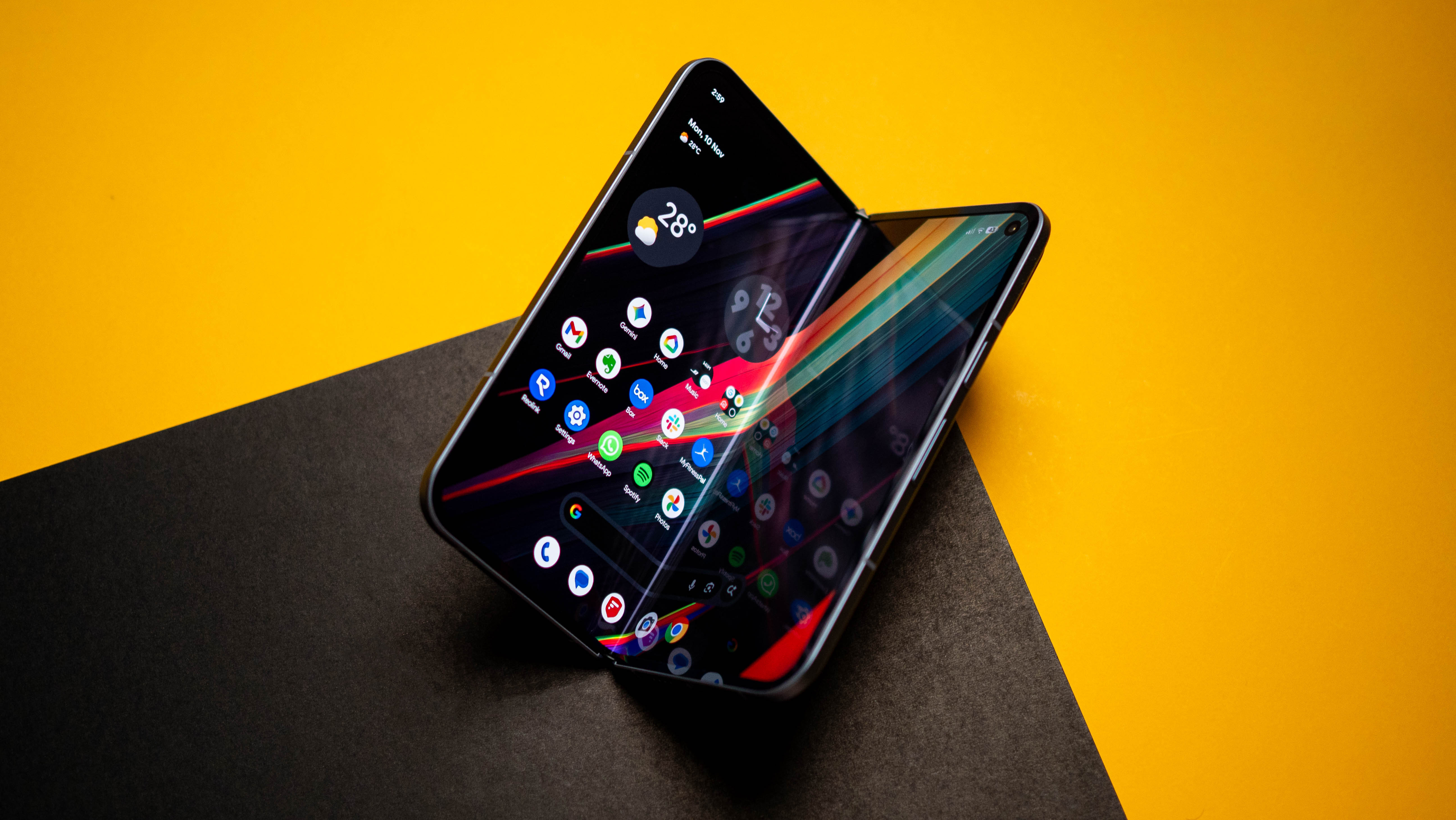
The Pixel 10 Pro Fold runs on Android 16 and benefits from Google’s commitment to seven years of OS upgrades, providing an unparalleled longevity in software support. The Pixel experience is characterized by its clean, intuitive interface and rapid access to the latest Android features. Google’s Tensor G5 chip is specifically designed to power advanced on-device AI features, and the Pixel 10 Pro Fold comes packed with a suite of Pixel-exclusive AI tools. These include sophisticated call screening, enhanced voice typing, Magic Editor for advanced photo manipulation, and Google Gemini integration, offering a highly personalized and intelligent user experience. The deep integration of AI across the Pixel ecosystem is a significant draw for users who prioritize smart features and a seamless Google experience.
Broader Market Context and Competition
The foldable market is no longer solely dominated by Samsung. While Samsung remains the market leader, Google, alongside Chinese manufacturers like Oppo, OnePlus, Honor, and Huawei, has intensified competition. Oppo’s Find N series, for instance, has been praised for its innovative hinge design and less visible crease, pushing Samsung to innovate further in this area. OnePlus and Honor have also introduced compelling foldable options, often at more competitive price points, expanding consumer choice and driving technological advancements.
Samsung’s strategy with the Galaxy Z Fold 8 appears to be one of steady refinement, building upon its established leadership by addressing user feedback, such as the desire for a less visible crease and improved battery life. This incremental approach aims to solidify its position as the premium foldable benchmark. Google, as a challenger, leverages its software expertise, AI capabilities, and aggressive pricing to carve out its niche, appealing to users who prioritize a pure Android experience, robust durability, and cutting-edge AI features. The existence of strong competition benefits consumers, fostering innovation and pushing manufacturers to deliver better products at competitive prices.
Conclusion: Which Foldable Will Reign Supreme?
Based on current leaks and available information, the Samsung Galaxy Z Fold 8, with its rumored upgrades including a less visible crease, a more powerful Snapdragon 8 Elite Gen 5 chipset, a larger 5,000mAh battery with faster charging, and refined camera hardware, appears poised to offer a highly polished and superior overall experience. Samsung’s continuous investment in optimizing its foldable hardware and software, coupled with its market leadership, suggests the Fold 8 will likely be a formidable device, particularly for those seeking the ultimate in performance and a refined multitasking experience.
However, the Google Pixel 10 Pro Fold is by no means a secondary option. Its robust IP68 durability rating, Google’s unparalleled commitment to seven years of software updates, and its powerful Tensor G5 chip with deep AI integration make it a compelling choice. Moreover, its significantly lower effective price, particularly with ongoing promotions, makes it an attractive proposition for consumers seeking premium foldable technology without the highest financial outlay. The Pixel 10 Pro Fold appeals strongly to users who prioritize a pure Android experience, Google’s cutting-edge computational photography, and robust physical protection for their device.
Ultimately, the choice between the Galaxy Z Fold 8 and the Pixel 10 Pro Fold will depend on individual priorities. For those who demand the absolute peak of hardware performance, a sleeker design, and potentially a less noticeable display crease, the Galaxy Z Fold 8 could emerge as the top contender. For users who value exceptional durability, long-term software support, a software-first approach to photography, and a more budget-friendly entry into the foldable market, the Pixel 10 Pro Fold stands as an incredibly strong alternative. The official launch of the Galaxy Z Fold 8 in July 2026 will provide the definitive answers needed for a conclusive comparison, but the competition is clearly heating up in the exciting world of foldable smartphones.