









Apple Inc.’s announcement of the redesigned MacBook Pro featuring the PROLED XDR display marks a significant milestone in the evolution of personal computing, successfully merging technological advancements traditionally reserved for the mobile ecosystem into the professional laptop form factor. For nearly a decade, the consumer electronics market has observed a distinct divergence in how Apple implements cutting-edge hardware innovations. While mobile devices such as the iPhone and iPad Pro rapidly adopted advanced display technologies, biometric integrations, and cellular integration, the Mac lineup prioritized sustained thermal performance, expansive input peripherals, and desktop-class processing architecture. The introduction of the PROLED XDR MacBook Pro challenges this long-standing industry dichotomy, offering a hybrid user experience that tempts long-term tablet enthusiasts back to the macOS ecosystem. However, despite its overwhelming hardware sophistication, the device arrives without native cellular connectivity, highlighting an ongoing strategic divide in Apple’s hardware portfolio.
Main Facts and Core Hardware Enhancements
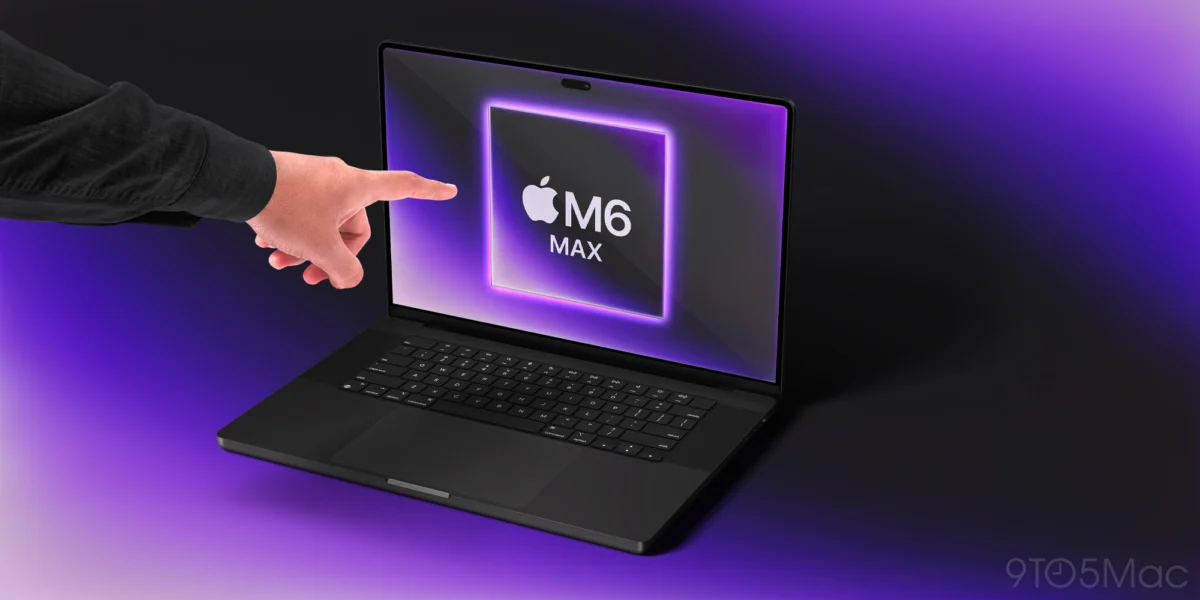
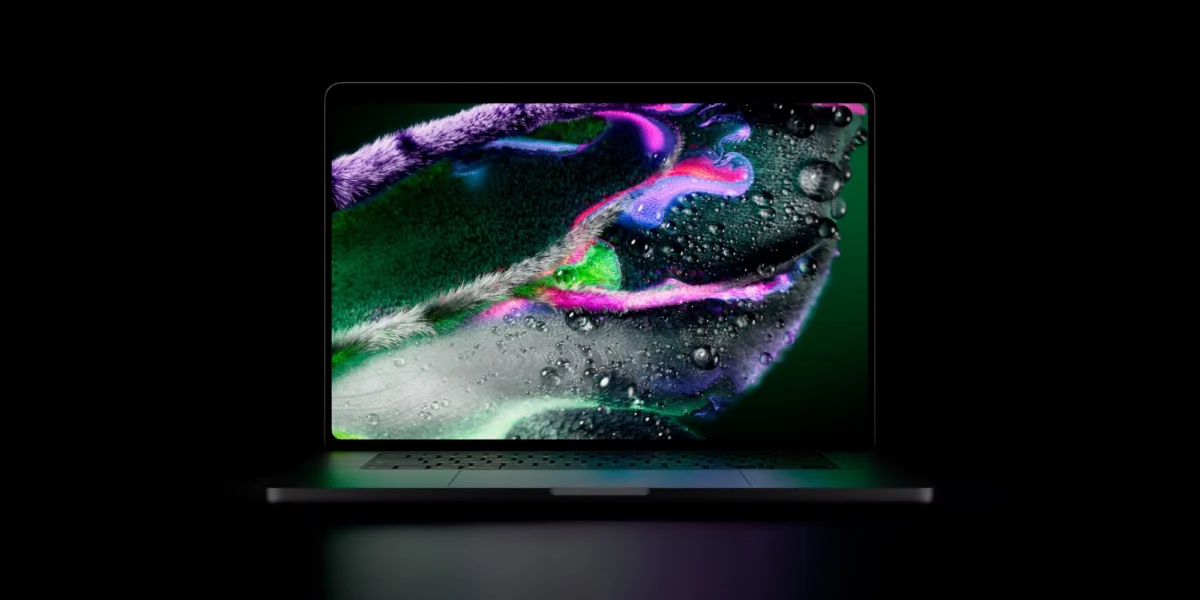
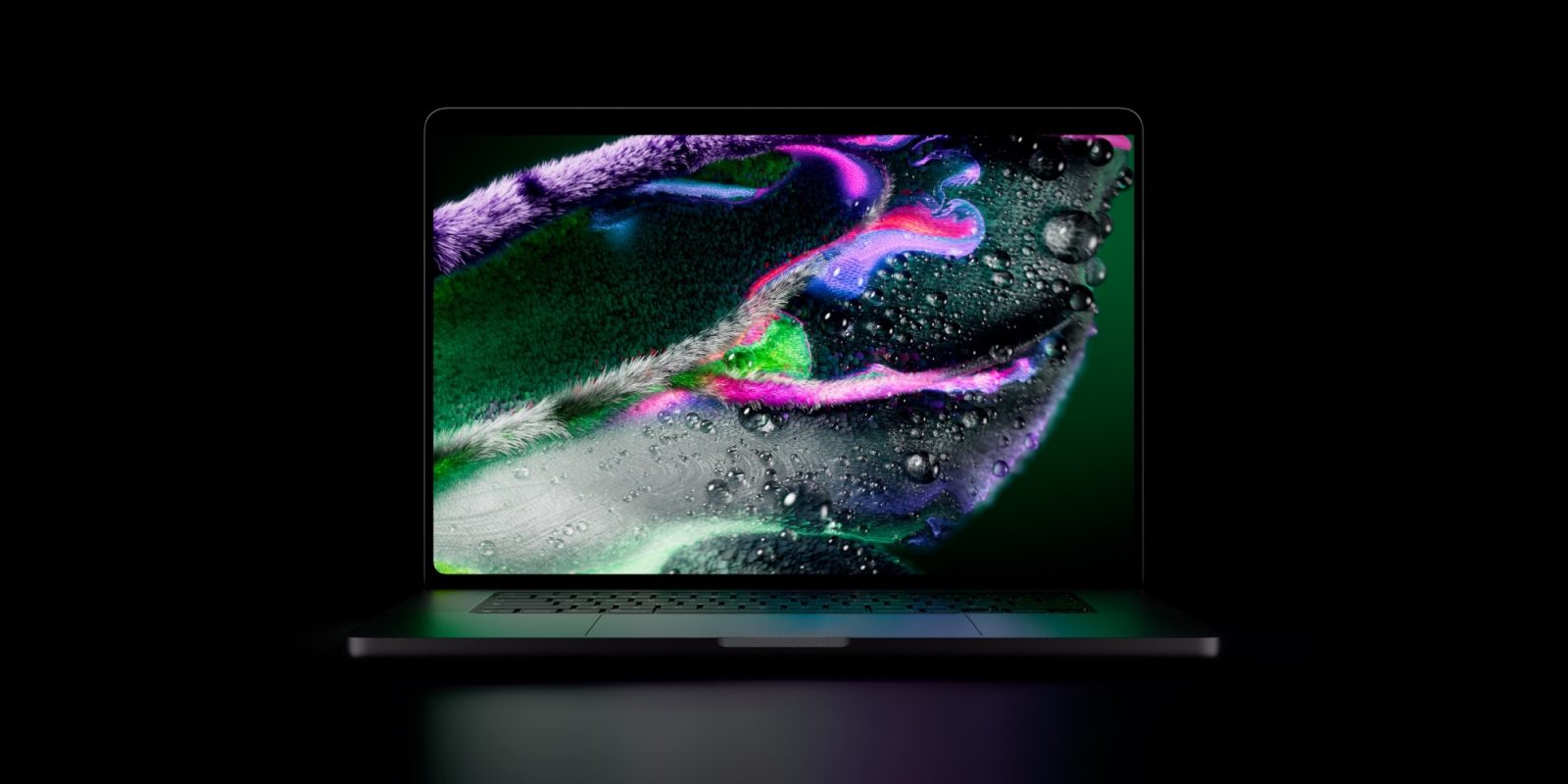
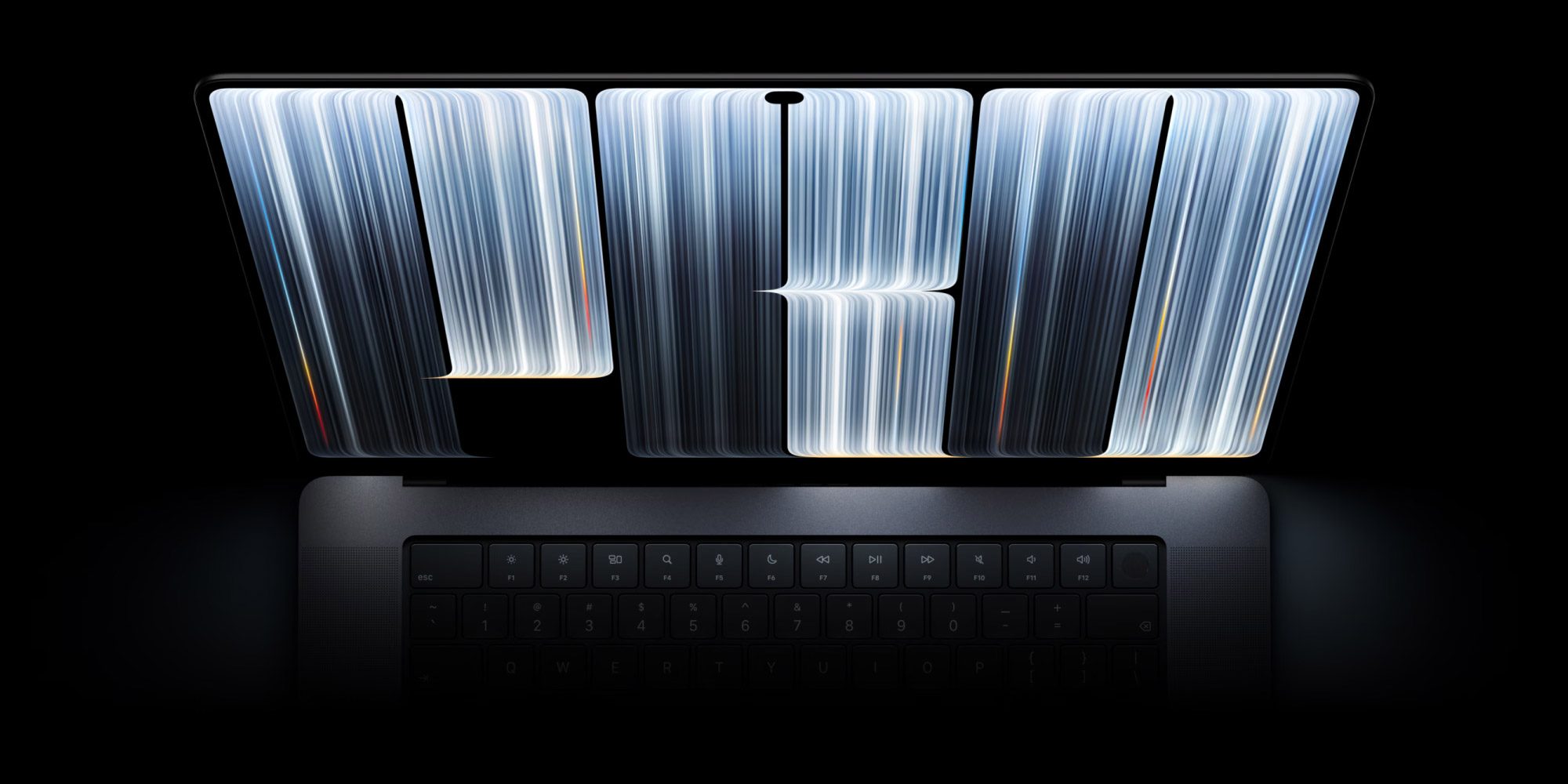
The newly unveiled MacBook Pro represents a comprehensive redesign from the ground up, moving past incremental specification bumps to introduce foundational architectural shifts. At the center of this update is the PROLED XDR display panel, which brings the deep contrast ratios, exceptional peak brightness, and energy efficiency of organic light-emitting diode technology to a professional notebook footprint. For years, users accustomed to the vibrant color reproduction and high dynamic range of the iPad Pro lamented the visual compromises of traditional liquid crystal displays found on standard laptops. The new PROLED XDR panel resolves this discrepancy, offering a visual fidelity that caters directly to professional creatives, photographers, and media editors.
Beyond the display, the hardware incorporates several design cues and interface paradigms pioneered in the mobile space. Touch screen capabilities, long resisted by Apple leadership under the rationale of ergonomic impracticality for desktop operating systems, have finally been integrated into the MacBook Pro framework. This addition acknowledges a shifting consumer demographic that increasingly expects fluid, multi-modal interaction across all computing devices. Furthermore, software elements such as the Dynamic Island have successfully transitioned from the iPhone interface into macOS, establishing a unified visual language across Apple’s hardware ecosystem. Despite these advanced features, the device maintains a slim profile and lightweight chassis that rivals ultra-portable machines, lowering the physical burden of daily transit for mobile professionals.
Background Context and Evolution of the Ecosystem
The trajectory leading to the release of the PROLED XDR MacBook Pro is rooted in Apple’s strategic pivot toward custom silicon and hardware convergence. In 2020, the debut of the M-series processors initiated a renaissance for the Mac platform, revitalizing sales and establishing industry-leading performance-per-watt metrics. Prior to this silicon transition, the Mac line experienced a period of stagnant hardware development, prompting many users to migrate toward the iPad Pro as a lightweight, highly responsive primary computing device.
Since 2015, a distinct segment of the consumer base—comprising writers, consultants, and light creative professionals—adopted the iPad Pro not merely as a secondary screen, but as their principal workstation. These users valued the instant-on nature of mobile operating systems, cellular connectivity, touch-based navigation, and high-end display panels. Recognizing this trend, Apple gradually expanded iPadOS capabilities to mirror desktop functionalities, while simultaneously borrowing successful design elements back for macOS. The integration of touch support and PROLED XDR technology into the new MacBook Pro serves as the culmination of this cross-pollination strategy, signaling that Apple no longer views the tablet and laptop paradigms as mutually exclusive user journeys.
Chronology of Technological Convergence
The convergence of mobile and desktop hardware features did not happen overnight, but rather followed a calculated multi-year developmental timeline.
In 2015, the launch of the original iPad Pro established the tablet as a viable productivity tool for professionals seeking a lightweight alternative to traditional clamshell computers. Throughout the late 2010s, Apple focused heavily on advancing mobile display technology, transitioning the iPhone and iPad Pro lines to OLED panels while leaving MacBook displays reliant on standard LED backlighting.
By 2020, the introduction of Apple Silicon unified the underlying architecture of iPhones, iPads, and Macs under the ARM instruction set, laying the technical foundation for software and hardware feature parity. In subsequent years, features like spatial audio, advanced neural engines for machine learning, and refined power management protocols migrated fluidly across product categories.
By 2025 and 2026, advances in wireless networking—including the rollout of Apple’s proprietary N1 wireless chip—significantly improved peripheral connectivity, Bluetooth stability, and personal hotspot reliability. The culmination of this timeline is the current MacBook Pro release, which synthesizes a decade of mobile display engineering, touch integration, and silicon efficiency into a cohesive professional workstation.
The Cellular Connectivity Dilemma
Despite the extensive list of technological upgrades, the omission of a native cellular data option remains a point of critical discussion among mobile professionals. For users who operate outside traditional office environments—frequently utilizing coffee shops, public transit, and remote outdoor locations—persistent internet connectivity is an operational necessity. Industry data consistently indicates that public Wi-Fi networks present substantial cybersecurity vulnerabilities and reliability issues, making them suboptimal for professional workloads.
Throughout the history of the iPad Pro, built-in LTE and 5G connectivity served as a decisive differentiator, allowing users to remain online without depending on external tethering devices or insecure networks. The decision to exclude a cellular modem from the MacBook Pro forces users to rely on alternative solutions, such as activating a personal hotspot via their iPhone. While Apple has noted that advancements in wireless architecture, including the N1 chip, dramatically improve the speed and stability of personal hotspots, the manual overhead of managing device-to-device tethering remains an inconvenience compared to an always-connected device.
Market Implications and Industry Analysis
The launch of the PROLED XDR MacBook Pro carries profound implications for the premium laptop market and internal product cannibalization dynamics within Apple’s portfolio. By equipping the MacBook Pro with touch capabilities and superior display technology, Apple has removed the primary hardware barriers that previously drove touch-preferent users toward the iPad Pro.
Industry analysts suggest this move could trigger a significant migration of long-term tablet users back to macOS, particularly as modern workflow demands require robust multi-window management, legacy file system access, and complex application support that mobile operating systems still struggle to deliver efficiently. However, the absence of cellular options preserves a distinct niche for the iPad Pro, ensuring that ultra-mobile users who prioritize constant, independent connectivity without the friction of tethering will maintain a demand for cellular-enabled tablets.
Furthermore, the pricing strategy associated with the new MacBook Pro positions it firmly within the ultra-premium tier of consumer electronics. As high-end display manufacturing costs and custom silicon development expenses remain elevated, the device targets enterprise users, software engineers, and creative professionals who justify the expenditure through productivity gains.

Broader Impact on the Future of Personal Computing
The debut of the MacBook Pro with PROLED XDR underscores a broader industry trend toward hardware homogenization, where the historical boundaries separating smartphones, tablets, and traditional computers continue to dissolve. Consumers increasingly evaluate devices based on feature sets rather than form factors, expecting uniform display quality, touch responsiveness, and seamless ecosystem integration regardless of whether they are interacting with a phone, a tablet, or a clamshell notebook.
As Apple continues to refine its silicon capabilities and wireless infrastructure, future iterations of the Mac lineup will likely face mounting consumer pressure to incorporate persistent cellular connectivity. Whether engineering constraints, thermal considerations, or internal market segmentation strategies will eventually yield to the demand for built-in cellular remains to be seen. In the interim, the PROLED XDR MacBook Pro stands as a technological tour de force, redefining the visual and interactive standards of professional computing while continuing to spark vital debates about the future of mobile connectivity in the workplace.