








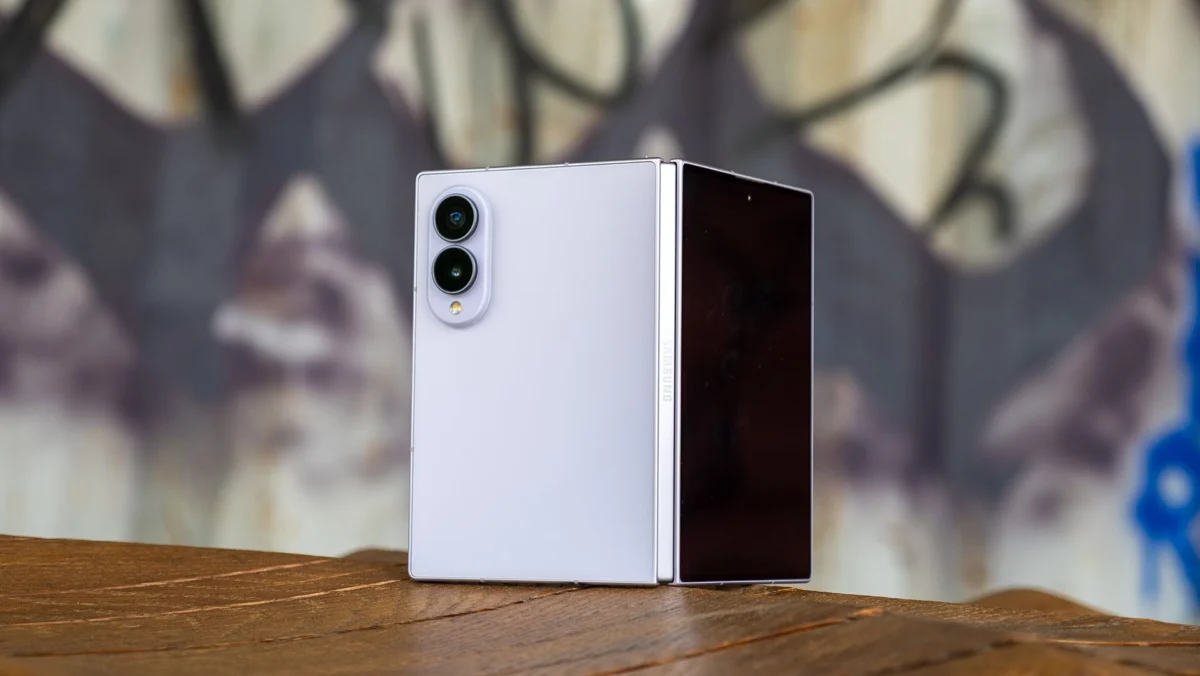
The global foldable smartphone market continues to undergo rapid transformation, characterized by shifting consumer preferences, fierce competition among original equipment manufacturers (OEMs), and changing macroeconomic pressures. According to a comprehensive market analysis report published by Smart Analytics Global (SAG) regarding the third quarter of 2026, the global foldable smartphone sector experienced a modest 2.5 percent year-over-year decline in total shipments, translating to roughly 7.5 million units shipped worldwide during the quarter. Despite this minor contraction in overall volume, the market dynamics shifted significantly at the top. Samsung Electronics solidified its dominant position by capturing an impressive 69 percent market share, largely propelled by the successful launch and strong international reception of the Galaxy Z Fold 8 and its variant models.
This latest performance highlights a major rebound for the South Korean tech giant, which faced severe competitive pressure in previous years from aggressive Chinese manufacturers. As the industry looks ahead, market analysts predict that 2027 will usher in a massive new growth cycle, potentially surging global foldable shipments by over 55 percent year-over-year. This expected market resurgence is projected to be driven by the broader adoption of wide-format foldable designs, aggressive international expansion by Chinese OEMs, and the highly anticipated market entry of Apple with its rumored iPhone Duo lineup.
The Evolution of the Foldable Form Factor: From Narrow to Wide
To understand Samsung’s commanding lead in Q3 2026, industry experts point directly to a fundamental evolution in device design: the transition from narrow, tall cover screens to wider, more ergonomic form factors. For years, early iterations of horizontal folding smartphones featured elongated, narrow outer displays that many consumers and reviewers found cumbersome for everyday typing and general utility. Competitors, particularly Chinese brands such as Huawei, Honor, and Vivo, began experimenting with wider aspect ratios that closely mimic traditional slab smartphones when closed.
Recognizing this shift, Samsung overhauled its design philosophy with the introduction of the Galaxy Z Fold 8. As the company’s first true "wide-foldable," the device addresses the longstanding ergonomic criticisms of its predecessors. The wider cover screen provides a more natural typing experience, improved media consumption, and enhanced app compatibility without requiring users to unfold the device for routine tasks.
According to SAG’s Q3 2026 report, this strategic hardware redesign paid immediate dividends. Samsung reported double-digit shipment growth not only in its domestic South Korean market but across key European territories as well. The Galaxy Z Fold 8, alongside the Galaxy Z Fold 8 Ultra, accounted for the lion’s share of consumer upgrades. Meanwhile, Huawei maintained the second-largest market presence with 14 percent of the global foldable share during the same period, supported by devices like the Pura X View, though the brand experienced a slight year-over-year shipment decline due to intensifying competition and regional supply constraints.

A Historical Timeline of the Foldable Smartphone Market
The journey of foldable smartphones from an experimental luxury niche to a mainstream commercial category has been marked by fierce rivalry, technological breakthroughs, and sudden shifts in market leadership.
The category officially gained commercial traction in 2019 when Samsung launched the original Galaxy Fold, followed quickly by the introduction of the clamshell-style Galaxy Z Flip series in 2020. For the first several years, Samsung enjoyed an almost uncontested monopoly, controlling upwards of 70 to 80 percent of the global foldable market share. During this period, the technology was largely defined by high price points, durability concerns regarding the flexible displays, and visible creases along the folding axis.
However, a major turning point occurred in the first quarter of 2024. Amid mounting consumer perceptions that Samsung had grown complacent with incremental updates to its Z series, Chinese tech giant Huawei surpassed Samsung to become the world’s leading vendor of foldable smartphones. In Q1 2024, Samsung’s foldable shipments plummeted by 42 percent year-over-year, while Huawei recorded an explosive 257 percent surge in shipments, driven by innovative domestic releases that boasted thinner profiles, larger batteries, and less noticeable screen creases.
The period from late 2024 through 2025 marked an era of intense market correction and technological maturation. OEMs across the globe raced to solve the engineering triad of reducing device thickness, improving hinge durability, and expanding battery capacity without compromising structural integrity. By mid-2026, the industry had broadly converged on the wide-format design philosophy. Samsung’s aggressive counter-offensive with the Galaxy Z Fold 8 in late 2026 successfully clawed back market share, allowing the company to reassert its global dominance with a 69 percent market grip by the third quarter.
Broader Mobile Market Headwinds and Shipment Trends
While foldable smartphones represent the bleeding edge of mobile hardware innovation, they do not exist in a vacuum. The broader global smartphone market has faced severe macroeconomic headwinds over recent years. Industry research released in late 2026 indicates that global smartphone shipments suffered one of the steepest declines in over a decade during the third quarter, with overall device shipments dropping by approximately 20 percent year-over-year.

High inflation, extended device replacement cycles among consumers, and economic uncertainty in key global regions have made buyers increasingly hesitant to invest in new hardware. In this strained economic climate, premium and ultra-premium devices—including foldables—face a unique paradox. On one hand, mainstream consumers are holding onto their existing slab phones for longer periods, depressing baseline upgrade volumes. On the other hand, the consumers who are willing to upgrade are often gravitating toward high-end, differentiated form factors that offer tangible productivity or entertainment enhancements, helping insulate top-tier manufacturers to some degree.
Despite the broader market slump, Samsung’s high average selling prices (ASPs) and strong brand loyalty in the premium segment allowed the company to weather the downturn better than many competitors. The success of its foldable portfolio cushioned the blow of declining mid-range and budget slab phone shipments globally.
Industry Analysis and Future Outlook for 2027
Looking ahead, market research firms and industry analysts are expressing cautious optimism regarding a sector-wide recovery. Smart Analytics Global has forecasted a dramatic market expansion for 2027, projecting a potential 55 percent year-over-year increase in global foldable smartphone shipments.
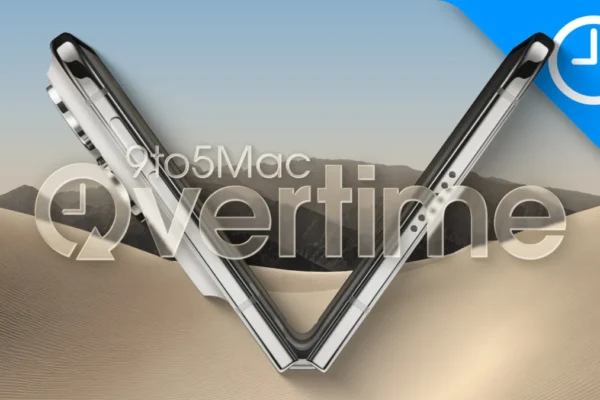
Several key catalysts are expected to fuel this upcoming growth cycle. First, the ongoing maturation of display manufacturing technologies is driving down component costs, which may eventually translate to more accessible price points for consumers. Second, the anticipated market entry of Apple into the foldable arena—frequently referenced in industry reports under the moniker "iPhone Duo"—is widely expected to legitimize and mainstream the foldable category for millions of mainstream consumers who have thus far remained hesitant to adopt Android-based alternatives.
However, significant hurdles remain. Pricing continues to be the single greatest barrier to mass adoption. Even within the traditional slab phone market, flagship prices have escalated rapidly; newly released high-end devices routinely command prices upwards of $1,600, while premier foldable smartphones frequently surpass the $2,000 threshold. For the projected 2027 market surge to materialize fully, manufacturers will need to balance cutting-edge engineering with pricing strategies that align with consumer purchasing power in a stabilizing global economy.
As the industry prepares for the next generation of mobile computing, the competition between established Android pioneers like Samsung and Huawei, combined with the imminent arrival of new ecosystem players, ensures that the foldable market will remain the most dynamic and closely watched sector of consumer electronics for the foreseeable future.