






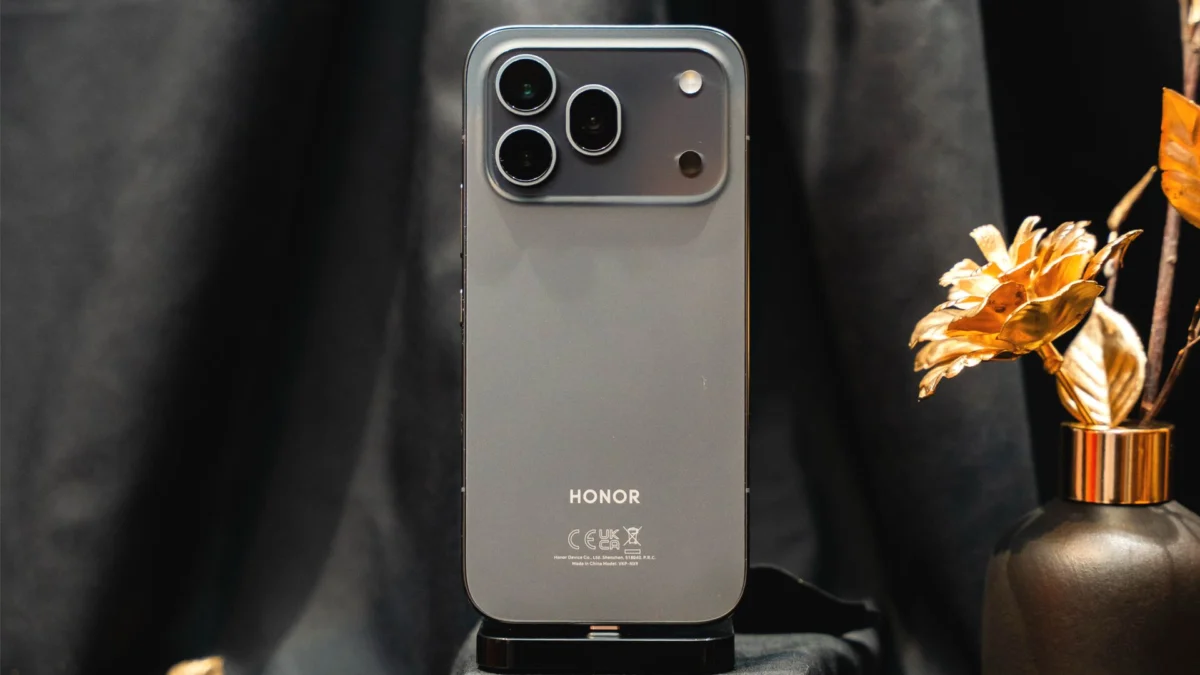
The smartphone industry is once again abuzz with anticipation as Honor initiates its official promotional campaign for its next-generation mobile devices. Ahead of the slated launch event in China, leaks and official teasers have unveiled significant design shifts and technological integrations for the upcoming Honor 700 series. Among the most notable hardware additions is a compact rear secondary display, a design choice previously explored by competing brands such as Xiaomi, but one that Honor has tailored to include advanced health-tracking telemetry.
As consumer demand shifts toward versatile form factors and integrated wellness technology, Honor’s strategic pivot with the 700 lineup signals an aggressive push to capture market share in the fiercely competitive mid-range and upper-mid-range segments. Industry observers and technology analysts are closely monitoring these developments as the official debut approaches, evaluating how these hardware choices will position Honor against major rivals in both domestic and international markets.
The Leak: Technical Specifications and Design Insights
Initial details regarding the Honor 700 series surfaced via prominent industry tipster Digital Chat Station on Weibo, subsequently being amplified across specialized technology publications. According to these early reports, the base Honor 700 is expected to feature a 6.5-inch primary display framed by exceptionally narrow bezels, maximizing the screen-to-body ratio for an immersive visual experience.
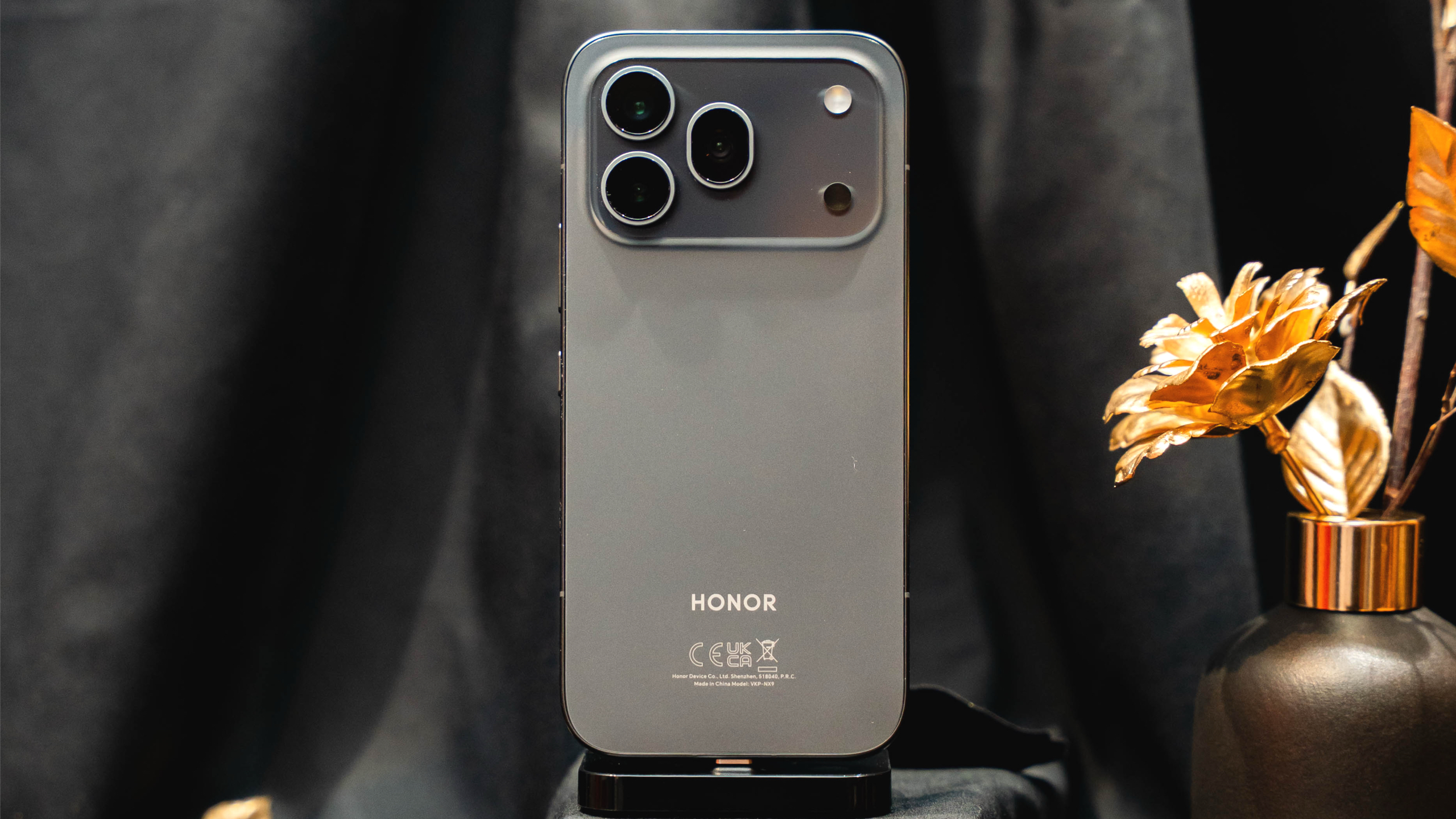
However, the focal point of the leaks centers on the implementation of a rear auxiliary screen. While rear-facing displays are not entirely unprecedented in the mobile market—notably utilized in Xiaomi’s 17 Pro and 18 Pro iterations—Honor’s execution aims to integrate multi-function utility into a smaller footprint. Leaked promotional materials and insider details suggest that the rear panel will support dynamic system notifications, interactive mini-games, and what has been described through machine-translated reports as an "industry-exclusive" software feature.
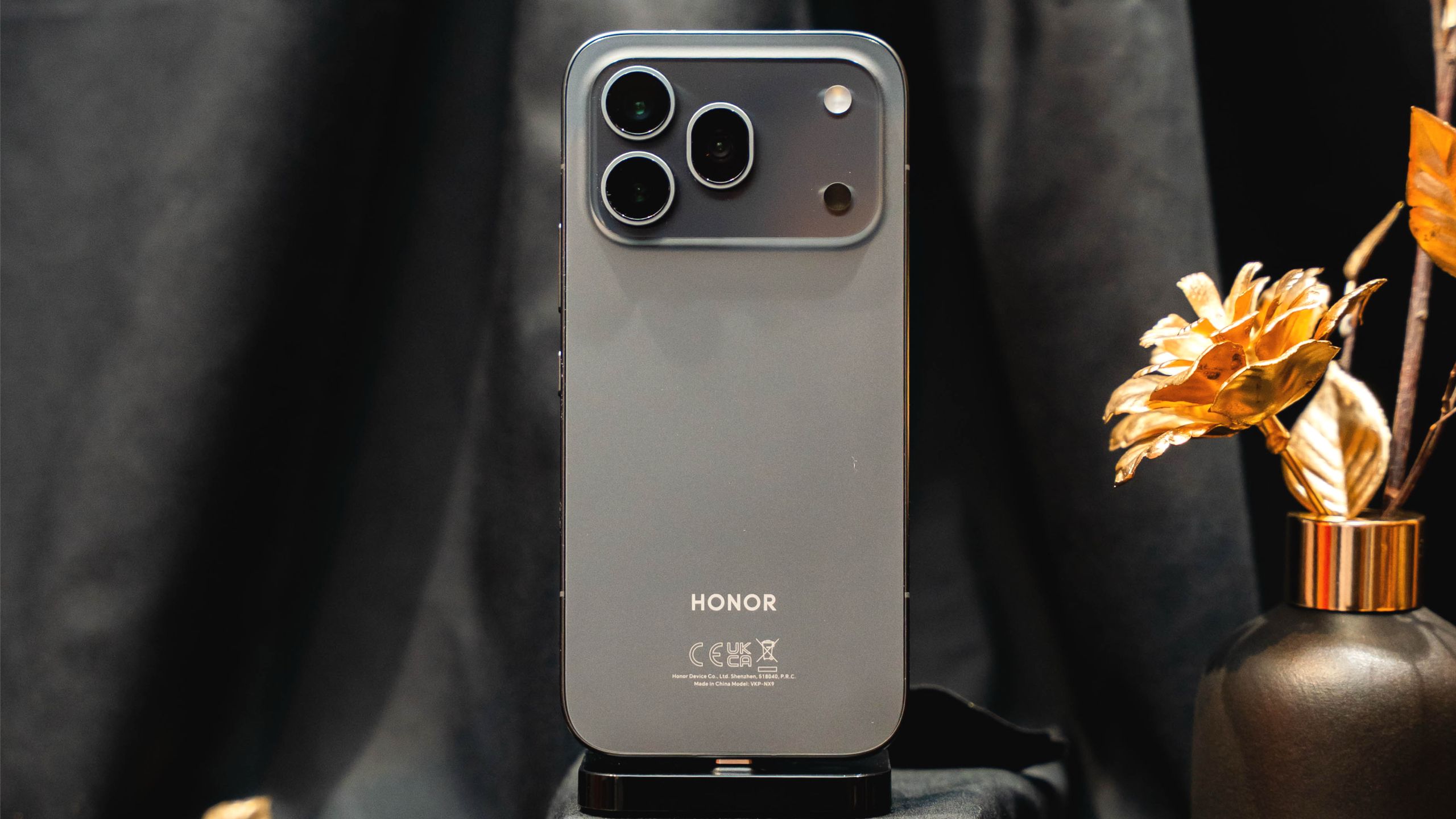
The most compelling aspect of this secondary screen, however, is its health-monitoring functionality. Official teasers released by Honor demonstrate the rear display rendering real-time biometric data, specifically heart rate in beats per minute (BPM) and blood oxygen saturation levels. While the company has not yet published comprehensive documentation on the exact optical sensors driving this capability, engineering consensus points toward an integrated in-display biometric sensor located beneath the rear panel, functioning similarly to the photoplethysmography (PPG) sensors found in modern smartwatches and fitness bands.
Chronology of the Honor Number Series
The rapid cadence of Honor’s product lifecycle has become a defining characteristic of its current market strategy. The predecessor to the upcoming lineup, the Honor 600 series, was officially introduced to consumers in April during the company’s spring product launch event. The 600 and 600 Pro models established a strong foundation by emphasizing flagship-tier camera systems—featuring 200-megapixel primary sensors and 12-megapixel ultrawide lenses, with the Pro variant adding a dedicated 50-megapixel telephoto lens—alongside integrated artificial intelligence capabilities.
Under the hood, the previous generation demonstrated a distinct tier separation: the Honor 600 Pro adopted Qualcomm’s high-performance Snapdragon 8 Elite system-on-chip, whereas the standard Honor 600 utilized the mid-range Snapdragon 7 Gen 4 processor.
The impending arrival of the Honor 700 series—scheduled to be officially unveiled on November 13 in China—represents an unusually swift turnaround. Industry analysts indicate that the lineup will expand to encompass three distinct variants: the standard Honor 700, the advanced Honor 700 Pro, and a specialized 700S model. This trifecta strategy allows Honor to target granular price points within the mid-range sector, though final confirmation regarding processor distributions and regional availability remains pending until the official presentation.
Market Context and Supply Chain Realities
The launch of the Honor 700 series occurs against a complex macroeconomic backdrop for the consumer electronics sector. Global supply chains continue to navigate pricing pressures and fluctuating availability concerning critical components, particularly dynamic random-access memory (DRAM) and NAND flash storage. These hardware shortages have historically exerted upward pressure on bill-of-materials (BOM) costs, forcing manufacturers to carefully balance retail pricing against hardware upgrades.
When evaluating the trajectory from the 600 series to the 700 series, market researchers note that mid-range smartphones are increasingly required to adopt features traditionally reserved for ultra-premium flagships to justify consumer upgrades. By incorporating biometric health sensors and secondary displays into a mid-tier chassis, Honor is attempting to redefine consumer expectations for devices that sit below the traditional flagship price ceiling.
Competitors in the Android ecosystem have similarly experimented with dual-screen configurations and advanced health diagnostics, but widespread commercial adoption has varied. By embedding health-tracking directly into the chassis of a smartphone rather than relying exclusively on wearable accessories, Honor is exploring a hybrid paradigm of personal health monitoring that could appeal to consumers who do not routinely wear smartwatches or fitness bands.
Industry Implications and Strategic Outlook
The inclusion of heart rate and blood oxygen monitoring on a secondary rear display highlights a broader industry trend toward health-centric mobile computing. As smartphones evolve into comprehensive personal assistants, manufacturers are increasingly leveraging biometric sensors to differentiate their hardware in saturated markets.
However, the commercial success of the Honor 700 series will ultimately depend on several critical factors yet to be disclosed:
- Pricing Strategy: Given ongoing memory shortages and component cost inflation, maintaining an aggressive price-to-performance ratio will be vital for capturing cost-conscious mid-range consumers.
- Software Optimization: The utility of a rear display relies heavily on third-party app integration, battery management, and software stability. Ensuring that the secondary screen does not negatively impact overall device power consumption will be a major technical hurdle.
- Global Availability: While the initial launch is anchored for the Chinese market, Honor’s expanding international footprint means that the eventual rollout of the 700 series to European and global markets will be a critical test of its brand strength outside of mainland China.
As the official November 13 launch date approaches, industry stakeholders await definitive specifications, pricing tiers, and hands-on evaluations to determine whether Honor’s ambitious hardware integrations will set a new benchmark for mid-range smartphone design or remain a specialized niche feature.