

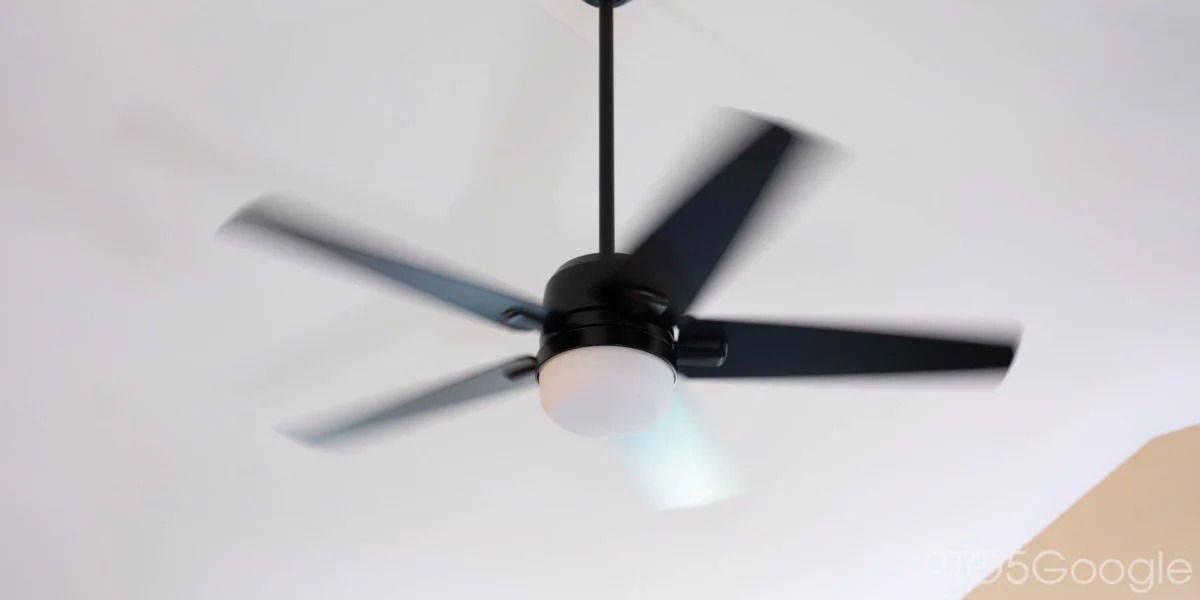
The Hunter Fan Company, a cornerstone of the American home appliance industry for over a century, has announced a significant shift in its digital infrastructure that will impact thousands of smart home users. Effective January 1, 2027, the manufacturer will officially discontinue support for the legacy cloud-to-cloud connections that currently bridge "HunterSMART" ceiling fans with popular smart home ecosystems, specifically Google Home and Amazon Alexa. While the physical remote controls and the proprietary HunterSMART mobile application will remain functional, the integration that allows for voice commands, automated scenes, and remote scheduling via third-party smart hubs will be permanently severed. This transition represents a broader industry pivot toward the Matter smart home standard, though the move leaves a segment of the company’s existing customer base facing potential hardware obsolescence or a loss of functionality.
The Scope of the Digital Sunset
The decision to pull support for legacy connectivity is not an isolated event but rather a calculated step in the company’s migration toward the Matter protocol—an open-source connectivity standard developed by the Connectivity Standards Alliance (CSA). Hunter has stated that the legacy cloud-reliant bridge, which has facilitated communication between HunterSMART fans and external ecosystems like Google Assistant and Alexa for years, is being decommissioned to streamline maintenance and improve security protocols.
Beginning at the start of 2027, any user relying on the current "linked account" method to control their fan via voice or smart home automation will lose that capability. The company has clarified that this is not a total failure of the device, but a reduction in "smart" utility. The fans will continue to circulate air and operate via their included physical remotes, and the native HunterSMART app will still offer localized control, provided the user’s mobile device remains compatible with the app’s ongoing updates.
Chronology of the Transition
The move toward Matter integration has been a slow-moving process that gained significant momentum in late 2023 and throughout 2024. The following timeline outlines the transition as it stands for consumers:
- Pre-2023: HunterSMART fans rely heavily on proprietary cloud-to-cloud bridges to interact with Google Home and Amazon Alexa, requiring users to link their Hunter account credentials within the third-party smart home apps.
- 2024: Hunter begins rolling out firmware updates for specific "eligible" fan models, enabling native Matter support. The company publishes an initial list of compatible hardware on its support portal.
- Mid-2024 to 2026: A two-year window is provided for users to migrate their devices. During this period, the company encourages users to update firmware through the HunterSMART app to ensure future-proofing.
- January 1, 2027: The official "sunset" date. All legacy cloud-based API endpoints for HunterSMART integration with Google Home and Amazon Alexa are deactivated.
- Post-January 2027: Devices that have not been migrated to the Matter-compatible standard—or those that are physically incompatible—will function solely as "dumb" fans or via the proprietary mobile app, losing all integration with broader smart home automations.
Technical Implications and Hardware Limitations
The transition to Matter is not as simple as a software patch for every consumer. The company has categorized its legacy product lineup into those that are "eligible" for a firmware-based migration and those that are effectively locked into the legacy system.
For fans that are Matter-eligible, the migration process fundamentally changes how the device behaves within the home network. Under the old system, a user linked their Hunter account to Google Home, allowing a remote server to relay commands. With Matter, the device communicates locally. Users must remove the device from their existing ecosystem, perform the firmware update, and then re-pair the fan directly using the Matter setup protocol within the Google Home or Alexa apps. This local control is touted as faster and more reliable, but it requires the user to manually reconfigure their smart home network.

The challenge arises for users with older hardware or models that do not support the necessary radio protocols for Matter. Some legacy fans, even those sold within the last five years, may require specific hardware components or controller swaps that are no longer being manufactured or supported. For these users, the January 2027 deadline marks the end of their ability to use voice commands or integrate their fan into existing "Good Morning" or "Away" routines.
Industry Context: The Rise of Matter
To understand Hunter’s decision, one must look at the state of the Internet of Things (IoT) industry. For over a decade, smart home devices were fragmented; a fan might work with Amazon, but not Google, or require a proprietary hub that cluttered the home network. The introduction of Matter was intended to solve this by creating a universal language for devices to talk to one another locally.
By forcing a migration to Matter, Hunter is effectively offloading the burden of maintaining disparate cloud servers. Maintaining a cloud-to-cloud bridge for various generations of fans is resource-intensive, requiring constant patches for security vulnerabilities and API updates from Google and Amazon. By moving to Matter, Hunter transitions the responsibility of integration to the platform providers—Google, Amazon, and Apple—while simultaneously increasing the privacy and speed of the user experience, as local commands do not need to route through a remote server.
However, this transition creates a "digital divide" among consumers. Users who are less tech-savvy may find the process of firmware updates, hardware verification, and re-pairing devices daunting. Furthermore, the reliance on an app that may, in some cases, exhibit instability (as reported by some users during the update process) adds an additional layer of frustration.
Official Guidance and Support
Hunter Fan Company has directed customers to a dedicated resource page on its website to determine their model’s eligibility. The company’s official communication emphasizes that the transition is necessary for long-term compatibility:
"Hunter is transitioning eligible HunterSMART products to Matter, an industry standard designed to support broader smart-home compatibility. If your fan is eligible for Matter-compatibility, you will be able to continue using all smart functionality within the Google Home and/or Alexa ecosystems after completing the applicable Matter migration and setup."
The company maintains that for those with incompatible models, the loss of cloud integration is a necessary byproduct of moving away from an aging architecture. While they have not announced a trade-in or discount program for those left with legacy hardware, the focus remains on the "Matter-enabled" future.

Analysis: The Cost of Smart Home Evolution
This event highlights a growing trend in the consumer electronics sector: the "software-defined lifespan" of home appliances. While a ceiling fan is a piece of hardware designed to last for decades, the "smart" components within it are subject to the pace of digital change. When a manufacturer decides to sunset a bridge, it creates a situation where a perfectly functional piece of hardware loses its advertised features.
From a data-driven perspective, the move is a logical consolidation. Supporting legacy APIs for thousands of unique device IDs is a significant drain on corporate IT budgets. By sunsetting these services, Hunter can consolidate its server-side infrastructure. However, the move risks brand loyalty. Consumers who purchased a "Smart Fan" at a premium price point in 2020 may not be satisfied with the explanation that their device has reached its digital expiration date by 2027.
The industry as a whole is watching this transition. If the migration to Matter proves seamless for the majority of users, it will serve as a blueprint for other appliance manufacturers looking to offload their cloud burdens. If, however, the process is plagued by connection errors, firmware update failures, and abandoned hardware, it may lead to a consumer backlash and a push for more stringent "right-to-repair" and "right-to-operate" regulations concerning smart home devices.
Preparing for the Sunset
For homeowners currently using HunterSMART fans, the next two years are critical. The recommended steps for any smart home enthusiast with these devices include:
- Verification: Visit the official Hunter Fan website to check the specific model number of the fan installed.
- Assessment: Determine if the model is marked as Matter-compatible.
- Maintenance: If the model is compatible, ensure that the HunterSMART app is updated to the latest version.
- Migration: Follow the provided instructions to initiate the firmware update process.
- Reconfiguration: Be prepared to re-add the device to the Google Home or Alexa app once the firmware update is complete, as the new Matter-based connection will be treated as a new device by the smart home hub.
As the industry moves toward a more unified smart home environment, the transition of Hunter’s ecosystem serves as a reminder of the volatility inherent in connected home technology. While the promise of Matter is a more stable, local, and secure home network, the path to that future involves leaving behind the legacy systems that pioneered the connected home. By 2027, the "HunterSMART" experience will be defined by whether a user has successfully navigated this digital migration, marking a definitive end to the first generation of cloud-linked ceiling fans.