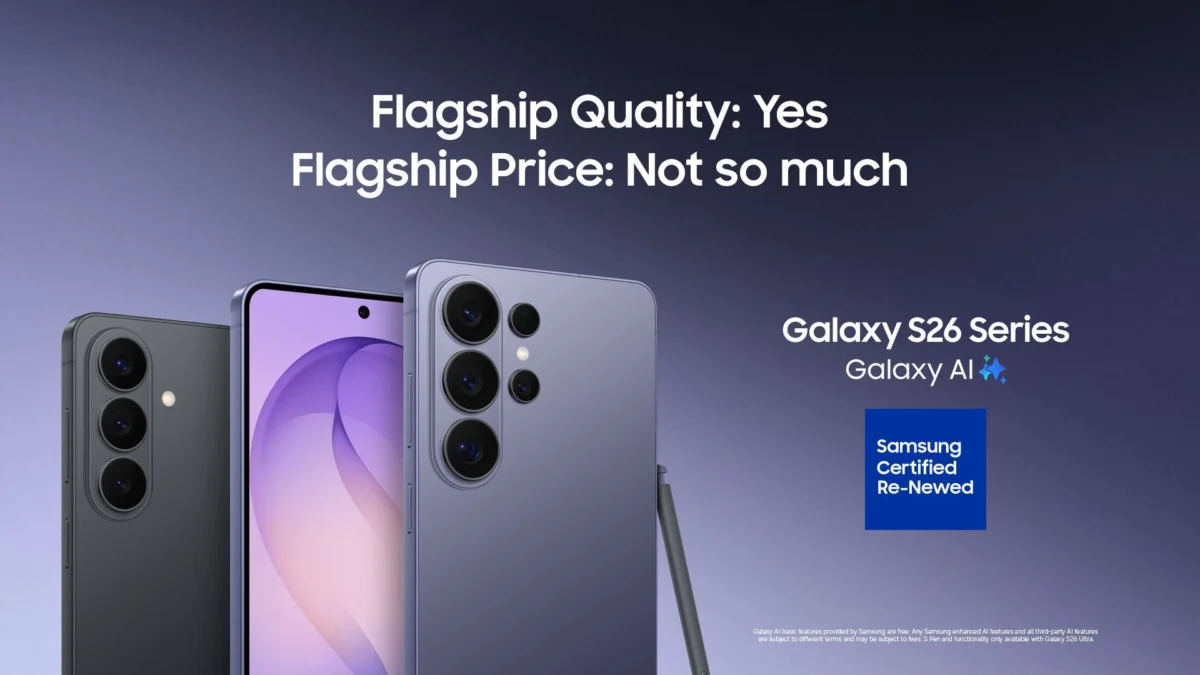
The consumer electronics landscape has long been defined by a familiar cycle: the breathless anticipation of a new flagship smartphone release, followed almost immediately by a reality check regarding its steep sticker price. For many prospective buyers, high-end mobile devices have crossed the threshold of luxury items, with standard flagship base prices routinely hovering near or above the thousand-dollar mark. In response to this economic friction and growing consumer demand for sustainable technology alternatives, major manufacturers have increasingly leaned into official refurbishment initiatives. Samsung Electronics has officially expanded this strategy by integrating its latest flagship smartphone lineup, the Galaxy S26 series, into its Certified Re-Newed program.
Announced via the company’s official channels, the inclusion of the Galaxy S26, Galaxy S26 Plus, and Galaxy S26 Ultra into Samsung’s dedicated refurbished ecosystem offers a formalized, direct-from-manufacturer pathway for consumers seeking high-tier hardware at a reduced cost. By channeling pre-owned, trade-in, and open-box inventory back through rigorous factory restoration processes, Samsung aims to bridge the gap between premium technology and budget-conscious purchasing. This development arrives alongside attractive financial incentives, including significant upfront price cuts, trade-in valuations, and eligibility for comprehensive device protection plans.
Main Facts and Pricing Structure of the Certified Re-Newed Galaxy S26 Lineup
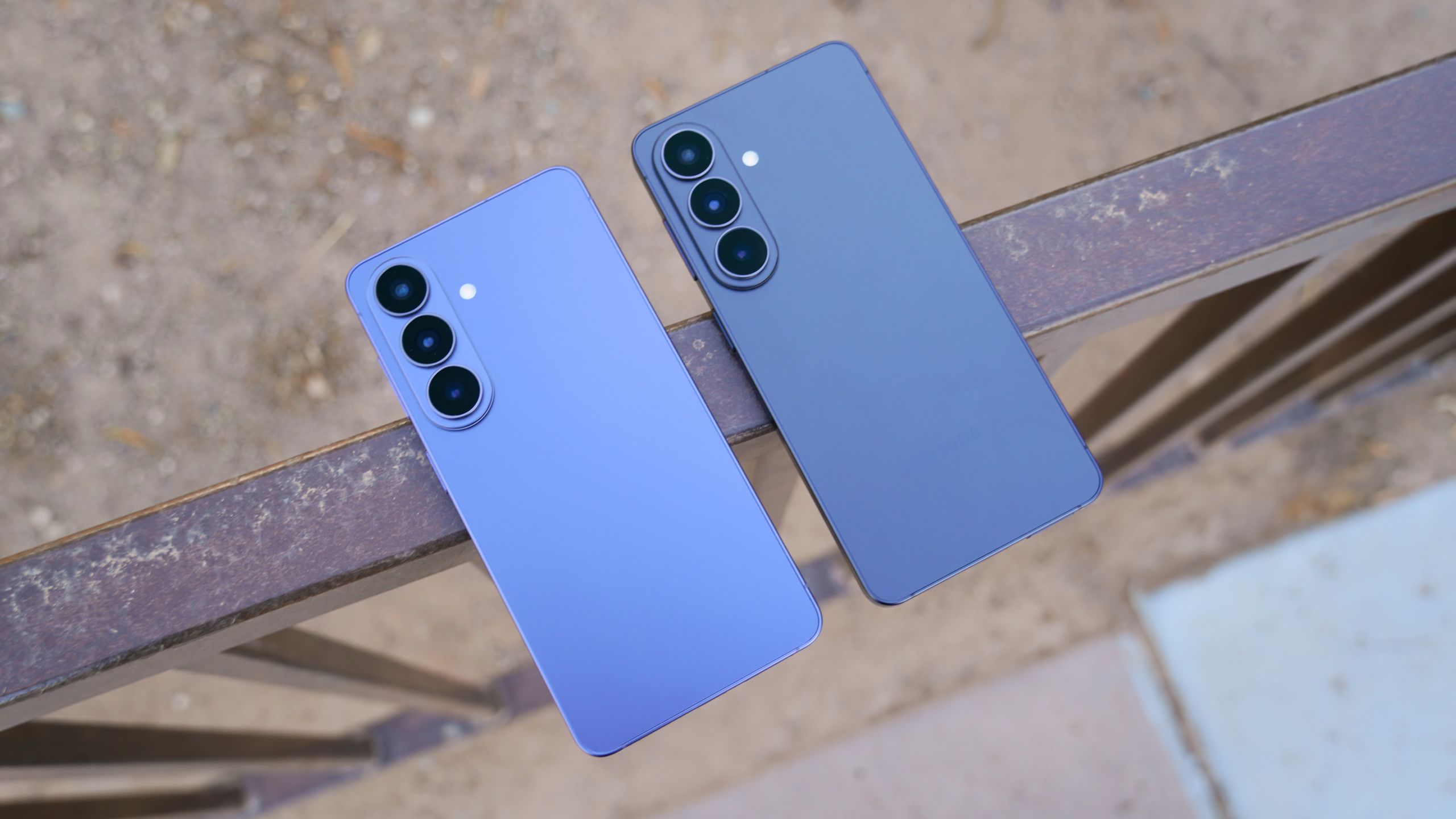
The newly updated Certified Re-Newed catalog covers all three core models of the flagship generation, providing buyers with options tailored to various preference tiers regarding screen size, battery capacity, and camera hardware. According to details released by the company, the pricing structure for these refurbished units represents a notable discount compared to their brand-new counterparts at launch.
At the apex of the lineup sits the Galaxy S26 Ultra. Equipped with its signature integrated stylus, advanced multi-lens camera array, and a massive high-resolution display, the Certified Re-Newed Galaxy S26 Ultra starts at $1,099 for the baseline 256GB storage configuration. This figure reflects an approximate $200 price drop from the standard retail price of a brand-new equivalent model.
Meanwhile, the middle-tier Galaxy S26 Plus enters the refurbished market at $929, while the more compact base model, the Galaxy S26, sees its entry barrier lowered to $759. These price points are designed to appeal directly to consumers who require high-performance processing and modern software ecosystems without paying the premium associated with day-one retail purchases.
Crucially, Samsung’s Certified Re-Newed program differentiates itself from independent third-party resellers by maintaining strict manufacturing and hardware replacement standards. The company explicitly states that every device entering the program undergoes exhaustive multi-point inspections and is outfitted with genuine Samsung replacement parts where necessary. Most notably, each phone in the refreshed lineup receives a brand-new battery, addressing one of the primary consumer anxieties surrounding pre-owned mobile hardware: long-term battery degradation.
Furthermore, these devices are sold with aesthetic conditions guaranteed to offer a like-new visual and tactile experience, backed by a standard manufacturer warranty that mirrors aspects of purchasing new hardware directly from the primary storefront.
Chronology and Context: The Evolution of Samsung’s Refurbished Strategy
To fully understand the significance of the Galaxy S26 series entering the Certified Re-Newed program, it is helpful to examine the historical timeline of Samsung’s shifting retail strategies. Historically, original equipment manufacturers (OEMs) maintained a strict divide between new retail products and secondary-market or refurbished goods, often leaving the latter to third-party liquidators, carrier clearance sales, or online auction platforms. However, environmental pressures, regulatory pushes for circular economies, and evolving consumer habits have forced a paradigm shift across the global technology sector.
Samsung initially accelerated its direct-to-consumer refurbished efforts in a systematic manner over recent years. As a point of comparison, the predecessor generation—the Galaxy S25 series—was integrated into the Certified Re-Newed program in November, arriving roughly ten months after its initial market debut. The price reductions seen during that rollout generally ranged from $150 to $260 depending on the specific model and memory configuration, with the entry-level Galaxy S25 (256GB) launching into the refurbished ecosystem at $709. Alongside that S-series rollout, Samsung also extended the program to foldables such as the Galaxy Z Fold 6 and Galaxy Z Flip 6, signaling a company-wide commitment to supporting secondary-market ecosystems for high-value flexible displays and traditional slates alike.
The accelerated incorporation of the Galaxy S26 series indicates that Samsung is streamlining its refurbishment pipeline, shortening the operational latency between a flagship’s initial release and its entry into the pre-owned direct-sales channel. This efficiency suggests that inventory collection—driven by trade-in programs, early upgrade cycles, and carrier returns—is moving faster than in previous generations, allowing the company to capture value from secondary hardware while consumer demand for the current generation remains high.
Financial Incentives, Trade-Ins, and Extended Protection
Purchasing a Certified Re-Newed Galaxy S26 device is subject to specific administrative channels, as Samsung has stipulated that these units are available exclusively through its official online storefront rather than through third-party retailers or physical carrier stores. This direct distribution model enables the manufacturer to maintain absolute control over pricing, quality assurance, and customer service touchpoints.
To further lower the barrier to entry, Samsung has integrated its active trade-in framework into the Certified Re-Newed purchasing flow. Consumers opting to transition from an older smartphone can leverage trade-in credits valued at up to $720, contingent upon the make, model, and physical condition of the device being surrendered. When combined with the baseline $200 discount inherent to the refurbished tier, a maximum trade-in value could theoretically reduce the out-of-pocket cost for a Galaxy S26 series device to a fraction of its original retail price, making flagship hardware accessible to a significantly broader demographic.
In addition to hardware guarantees and trade-in credits, Samsung has addressed post-purchase security by extending eligibility for its comprehensive insurance offerings to Certified Re-Newed buyers. Customers purchasing a refurbished Galaxy S26 unit can opt to add Samsung Care Plus—specifically the tier featuring Loss and Theft protection. This coverage plan includes distinct operational benefits, such as unlimited battery repairs and free screen replacements, mitigating traditional post-warranty risks that often deter buyers from investing in pre-owned technology.
Hardware Features and Software Capabilities Retained in Refurbished Units
A common consumer misconception regarding refurbished electronics is that purchasing a pre-owned device necessitates a compromise in computing power, software feature sets, or long-term system support. Samsung’s integration of the Galaxy S26 series into its Re-Newed lineup explicitly avoids this trade-off by ensuring that hardware and software parity is preserved between new and refurbished units.
Underneath the exterior chassis, Certified Re-Newed Galaxy S26 models retain the high-performance architecture that defines the generation. This includes Qualcomm’s flagship Snapdragon 8 Elite Gen 5 chipset, ensuring that users experience zero degradation in computational throughput, graphics rendering speeds, or artificial intelligence processing capabilities. Whether utilized for heavy multitasking, high-end mobile gaming, or complex on-device machine learning tasks, the refurbished units perform identically to models purchased directly off the assembly line on launch day.
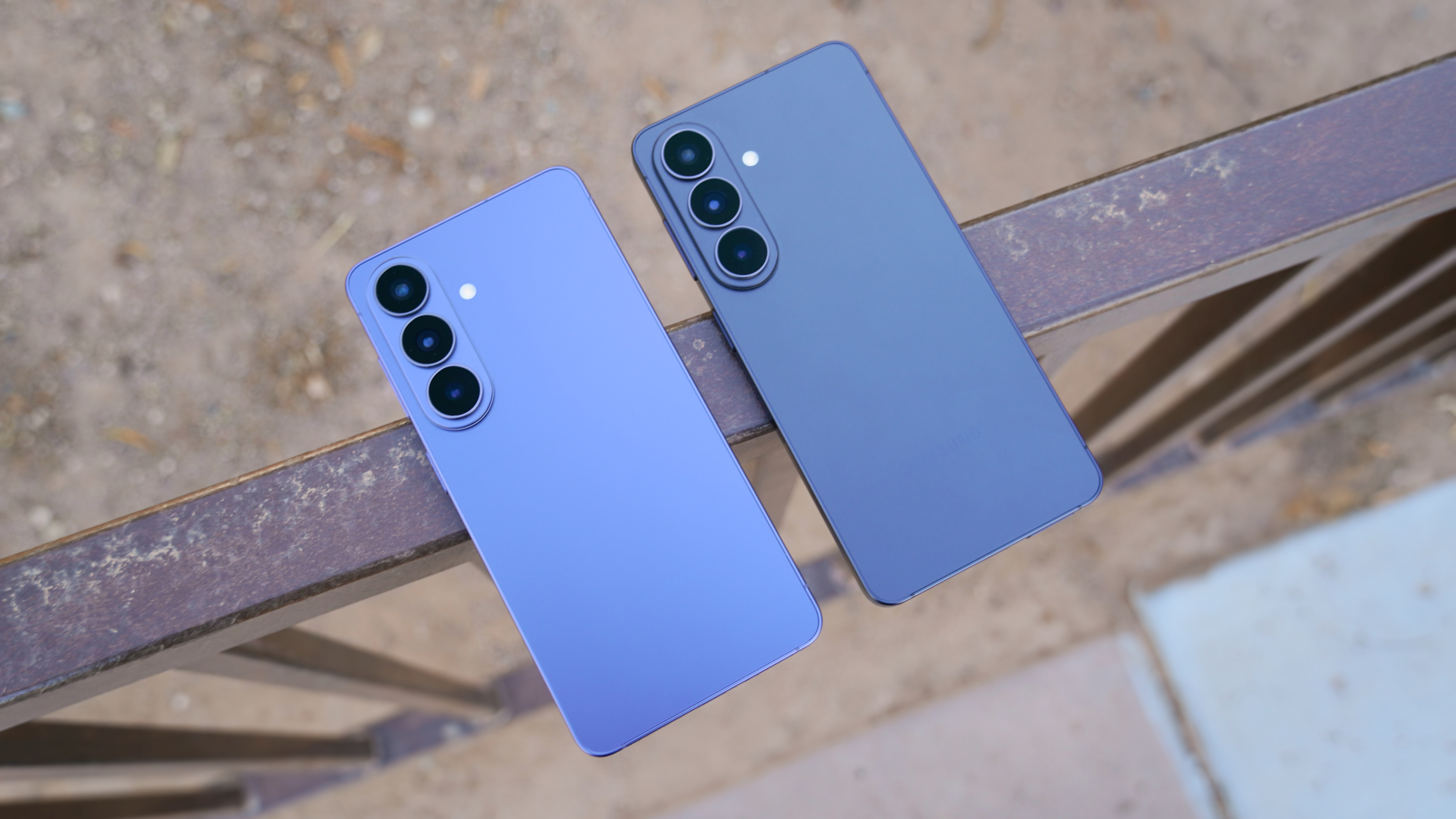
On the software and user-experience front, buyers gain full access to Samsung’s latest ecosystem advancements. Prominently featured capabilities such as Now Nudge and Now Brief are fully operational, providing context-aware organizational and informational updates seamlessly within the user interface. Furthermore, buyers opting for the top-tier Galaxy S26 Ultra retain access to specialized hardware innovations, such as the advanced Privacy Display, which utilizes specialized panel engineering to restrict off-angle viewing in public spaces.
By guaranteeing that refurbished buyers receive uncompromised software support, baseline artificial intelligence tools, and core hardware specifications, Samsung ensures that the Re-Newed label functions merely as an economic modifier rather than a functional limitation.
Broader Market Implications and Industry Impact
The expansion of Samsung’s Certified Re-Newed program to include the Galaxy S26 series carries significant implications for the broader smartphone industry, reflecting a maturation in how manufacturers view the product lifecycle of consumer electronics.
From an economic standpoint, official refurbishment programs allow OEMs to capture revenue from value-seeking consumers who might otherwise gravitate toward budget-oriented mid-range devices from competing brands, or who might choose to retain aging hardware far beyond its optimal security and performance window. By offering a factory-backed, lower-cost alternative with genuine parts and new batteries, Samsung effectively creates an internal competitor to third-party refurbished marketplaces, ensuring that the revenue generated from secondary device sales remains within the corporate ecosystem.
From a sustainability and environmental perspective, the scaling of direct-manufacturer refurbishment aligns with global regulatory pressures and corporate sustainability mandates. Electronic waste (e-waste) remains one of the fastest-growing waste streams globally, and extending the operational lifespan of high-value computing hardware directly mitigates the carbon footprint associated with the manufacturing of entirely new units. Replacing components like batteries and outer casings while retaining core processors, camera modules, and chassis structures significantly reduces the demand for raw material extraction, rare earth mining, and industrial manufacturing energy.
Ultimately, the inclusion of the Galaxy S26 series in the Certified Re-Newed lineup signals a normalization of refurbished technology as a mainstream, first-class purchasing option. As consumer sentiment increasingly favors economic pragmatism alongside environmental responsibility, official manufacturer-backed refurbishment programs are positioned to play an increasingly vital role in the distribution and lifecycle management of premium mobile technology.