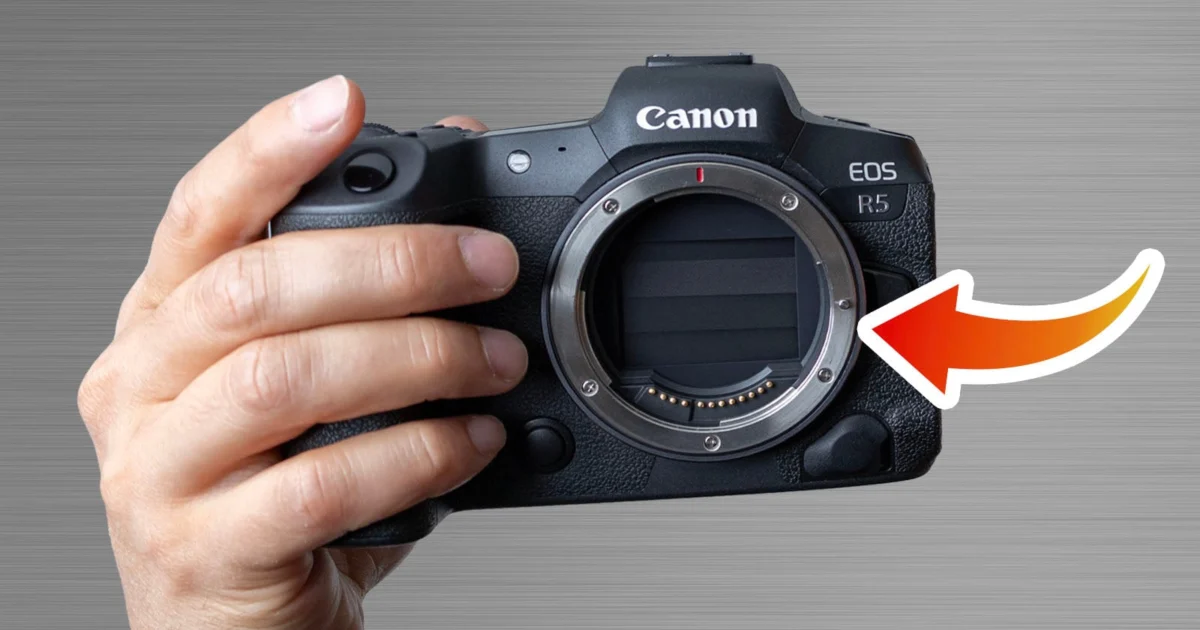
In a landmark decision handed down this past summer, the China National Intellectual Property Administration (CNIPA) ruled in favor of Shenzhen Jueying Technology, known globally as Viltrox, in a high-stakes patent infringement lawsuit initiated by Nikon. The ruling not only effectively cleared Viltrox of allegations that its autofocus lenses violated Nikon’s proprietary Z-mount intellectual property but also resulted in the invalidation of a core Nikon design patent. This legal outcome has sent shockwaves through the photography industry, signaling a potential paradigm shift in how major camera manufacturers protect their closed mirrorless ecosystems. For years, companies like Canon and Nikon have maintained tight control over their lens mounts, citing patent protections to block third-party manufacturers from producing autofocus-enabled glass. The CNIPA ruling suggests that this strategy may no longer be legally sustainable, particularly in the Chinese market, and potentially elsewhere.
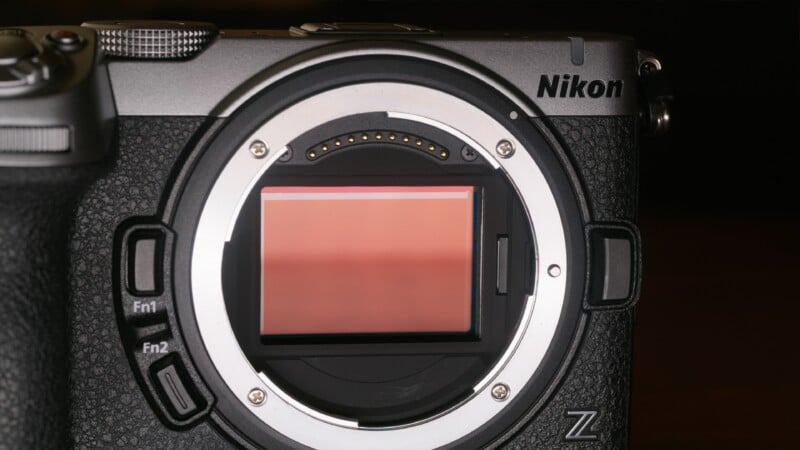
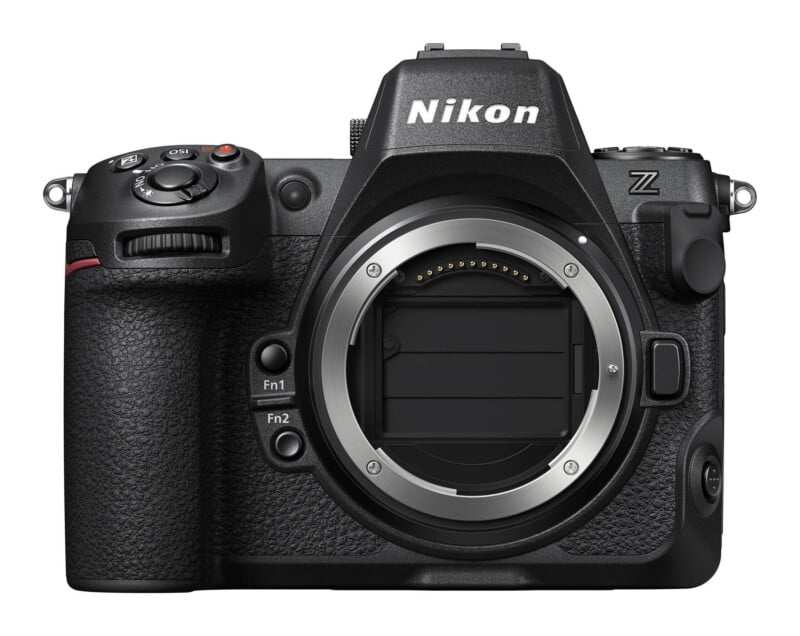
The legal battle began in earnest in January 2026, when Nikon filed suit in China, seeking both royalties and damages for what it termed an unauthorized use of its Z-mount technology. Nikon’s legal argument rested on the assertion that the physical bayonet tabs, terminal pins, and electronic communication protocols of its Z-mount system were protected inventions. However, the CNIPA’s subsequent investigation and ruling offered a starkly different interpretation. The regulatory body determined that Nikon’s patent lacked an "inventive step"—the Chinese equivalent of the "non-obviousness" requirement in U.S. patent law. The court concluded that modifications to bayonet dimensions and terminal pin arrangements, when applied to existing optical mount architectures, represent routine engineering choices rather than novel, patentable breakthroughs. By invalidating the core patent, the court effectively removed the legal foundation upon which Nikon’s claims for damages and injunctions were built.
A Chronology of the Conflict
The friction between legacy camera manufacturers and agile third-party lens producers has been escalating for the better part of a decade. The transition from DSLR to mirrorless systems provided camera brands with an opportunity to reset their proprietary ecosystems. Because mirrorless mounts require complex electronic communication for autofocus, aperture control, and image stabilization, manufacturers treated these mounts as "closed," requiring expensive licensing agreements for third parties to participate.
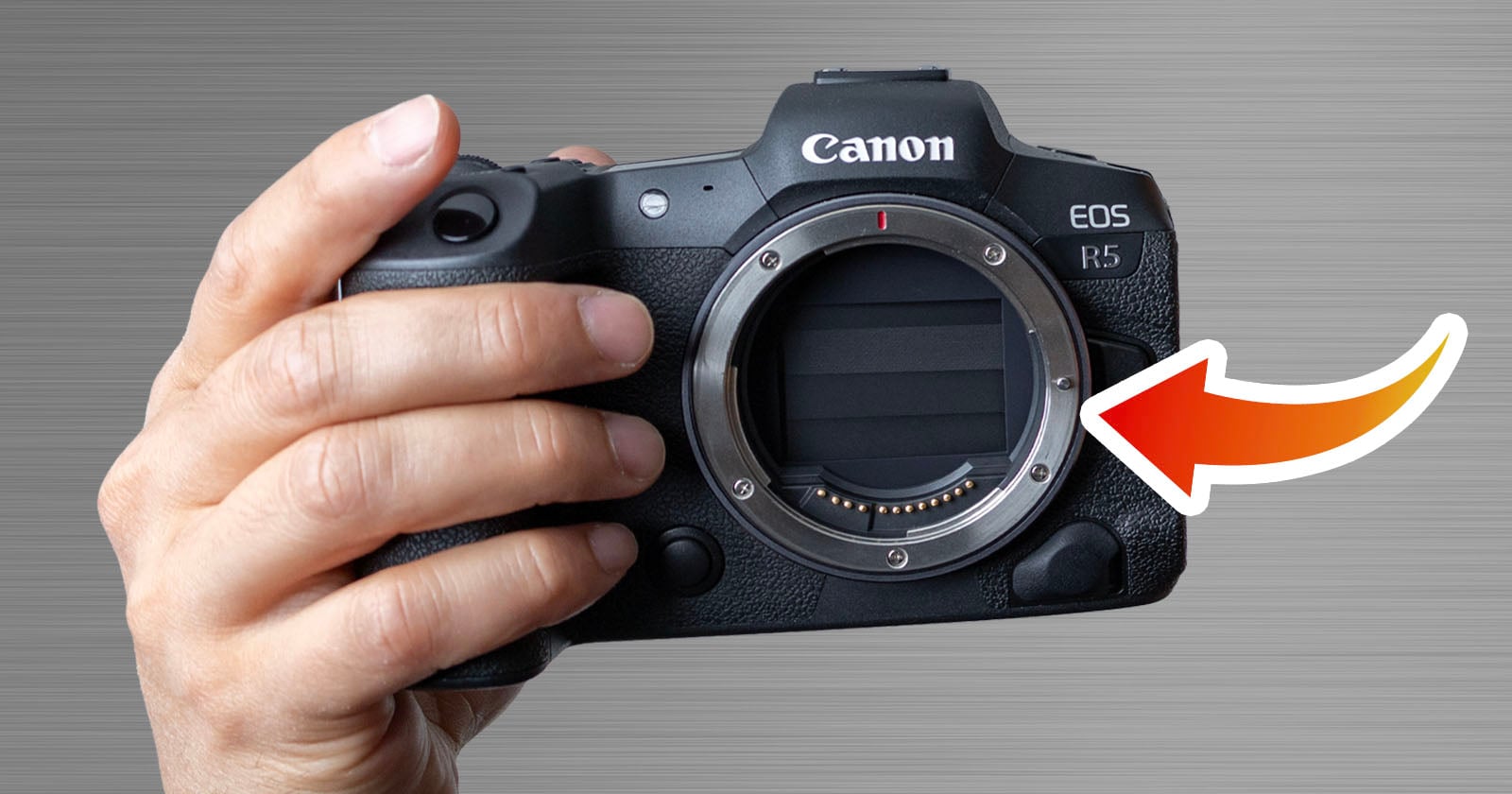
- 2022: Canon publicly asserted its intellectual property rights, leading to Viltrox and other manufacturers ceasing the production of autofocus-equipped RF-mount lenses. Canon’s move was widely viewed as a successful "show of force" that deterred competitors without the need for litigation.
- January 2026: Nikon escalated tensions by filing a formal lawsuit against Viltrox in China, marking a departure from the "cease-and-desist" strategy previously favored by the industry.
- July 2026: The CNIPA ruled against Nikon, invalidating the Z-mount design patent in question and effectively ending the legal effort to block Viltrox’s manufacturing activities.
- Late 2026: Industry analysts began to pivot their attention toward the broader implications for the Canon RF-mount, which shares similar legal vulnerabilities regarding its patent architecture.
The Problem with "Iterative" Patenting
At the heart of the CNIPA’s decision is a technical critique of how camera companies define innovation. Patents are intended to protect truly novel inventions, not incremental improvements on established designs. The court’s findings suggest that because the physical interface of the Z-mount relies on a historical lineage of lens-to-camera mounting systems—dating back decades—the minor variations in flange distance and electronic pin layout do not rise to the level of a unique discovery.
Legal experts suggest this creates a significant risk for other manufacturers. Canon, for instance, protects its RF-mount through a combination of design and utility patents that cover the 12-pin interface and the proprietary algorithms governing autofocus and the customizable "Control Ring." If these patents were to be challenged in a similar venue, they might face the same scrutiny regarding "inventive step." The precedent now exists for third-party manufacturers to proactively challenge the validity of these patents rather than simply complying with cease-and-desist letters.
Economic and Market Implications
The importance of the Chinese market cannot be overstated. As the second-largest camera market globally, the inability to legally restrict competition there presents a significant financial risk to Nikon and, by extension, Canon. If third-party manufacturers can legally produce and distribute autofocus lenses within China, the "closed" nature of the mount is essentially breached. Even if Nikon or Canon were to attempt to block imports of these lenses into the United States or the European Union, the manufacturers could continue to operate profitably in East Asia, effectively undermining the global exclusivity of the mount.
Furthermore, there is a clear distinction between a legal victory and a practical victory. While Nikon has officially stated, "Out of respect for the judicial system, we will refrain from providing further details at this time," the lack of a successful injunction means that Viltrox is currently under no legal obligation to alter its business model. Viltrox, for its part, has maintained a cautious stance, stating that it has no official updates to share regarding future implications or other mounts. This silence is likely strategic, as the company navigates a landscape where it is no longer the underdog but a potent disruptor.
The Path Forward: Cooperation vs. Confrontation
The industry now faces a crossroads. Camera manufacturers have two primary options to mitigate the impact of this ruling: technical obfuscation or strategic licensing.
Technical obfuscation involves the use of firmware updates to create encrypted "handshakes" between the lens and the camera body. While this has been used as a defensive measure in the past, it carries significant reputational risk. Consumers have reacted negatively to perceived attempts to "brick" or degrade the performance of third-party equipment. Furthermore, as seen in recent tests, third-party developers are often capable of reverse-engineering these protocols within days or weeks, creating a perpetual "cat-and-mouse" game that ultimately frustrates the end user.
The more sustainable, albeit less profitable, path for manufacturers like Canon and Nikon is to move toward an open-licensing model, similar to the one employed by Sony for its E-mount system. Under this model, third-party manufacturers pay a licensing fee to gain access to the technical specifications of the mount. This allows the camera brand to retain control over the ecosystem and ensure a certain standard of performance, while simultaneously generating revenue from the third-party ecosystem.
For Canon, which has been particularly protective of the RF-mount, this shift would represent a significant change in policy. However, the pressure from the CIPA board—which includes executives from major Japanese camera firms—suggests that there is a collective interest in maintaining the health of the industry. If Chinese manufacturers continue to gain market share through aggressive, low-cost innovation, the Japanese giants may find that a collaborative licensing approach is the only way to maintain the integrity of their platforms.
Conclusion
The CNIPA’s ruling serves as a stark reminder that patent law is not a static shield, particularly when it is tested against the rapid evolution of technology and the emergence of well-funded, independent manufacturers. By challenging the validity of Nikon’s Z-mount patent, Viltrox has not only cleared a path for its own growth but has also forced a conversation that the photography industry has been avoiding for years. Whether or not this leads to a "democratization" of camera mounts remains to be seen, but the era of the absolute, uncontested closed mount is officially under threat. As manufacturers weigh the costs of international litigation against the potential for a new licensing-based business model, the power dynamic in the photography market has irrevocably shifted toward those who can innovate faster and more effectively than the legacy guard.