The landscape of wearable technology underwent a significant recalibration on September 22, 2026, as Apple officially released the Apple Watch Ultra 4. While competitors like Garmin and Coros have long dominated the professional training sector, Apple’s latest iteration signals a strategic shift toward high-fidelity physiological monitoring. By integrating a sophisticated "Training Readiness" score and enhanced heart rate sensor architecture, the company is attempting to bridge the gap between general consumer convenience and the rigorous data demands of high-performance athletes.
A Chronology of Apple’s Health Integration
Apple’s trajectory in the wearables market has been characterized by a "late-mover" advantage. Historically, the company has deferred the release of specific advanced hardware features—such as foldable display technology or advanced recovery metrics—until it could achieve a level of software integration that differentiates its user experience from the fragmented ecosystems of its competitors.
The timeline of Apple’s health-tracking evolution reflects this patient approach:
- 2022: The debut of the original Apple Watch Ultra, positioning the brand as a competitor in the rugged outdoor space.
- 2024: Incremental updates to battery management and screen brightness.
- 2026 (September): The launch of the Apple Watch Ultra 4 and Series 12, marking the introduction of the proprietary Training Readiness score and upgraded sensor arrays designed to mitigate the noise-to-signal ratio inherent in wrist-based heart rate monitoring.
Technical Architecture and Accuracy Benchmarks
Central to the Apple Watch Ultra 4’s appeal is the claim of "market-leading accuracy." To validate this, Apple conducted an extensive clinical study comparing the Ultra 4’s sensor performance against a wide array of existing wrist- and arm-based wearables. The study methodology accounted for variables often cited as sources of error in optical heart rate monitoring, including varying skin tones, body mass indices (BMI), age ranges, and biological sex.
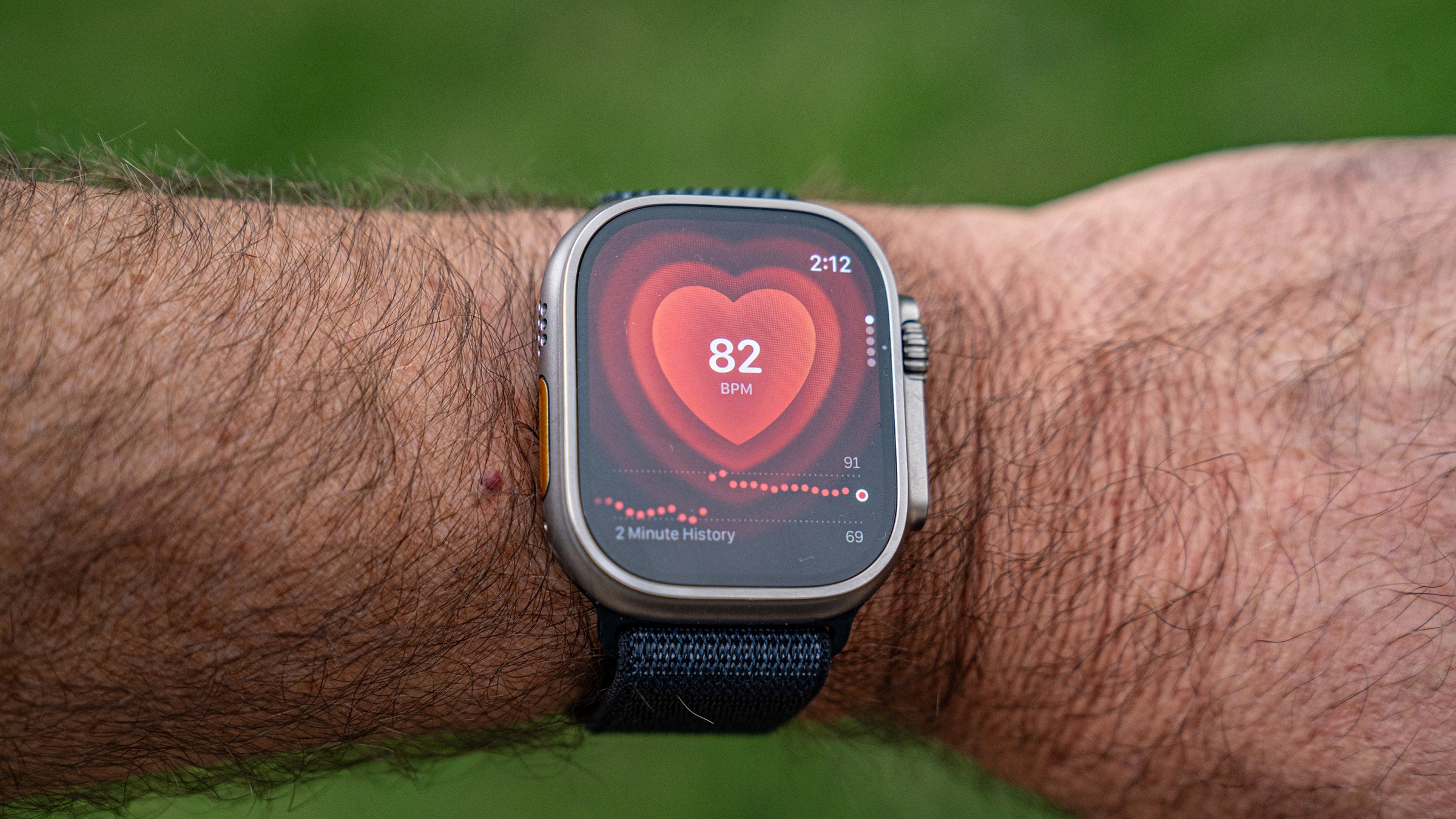
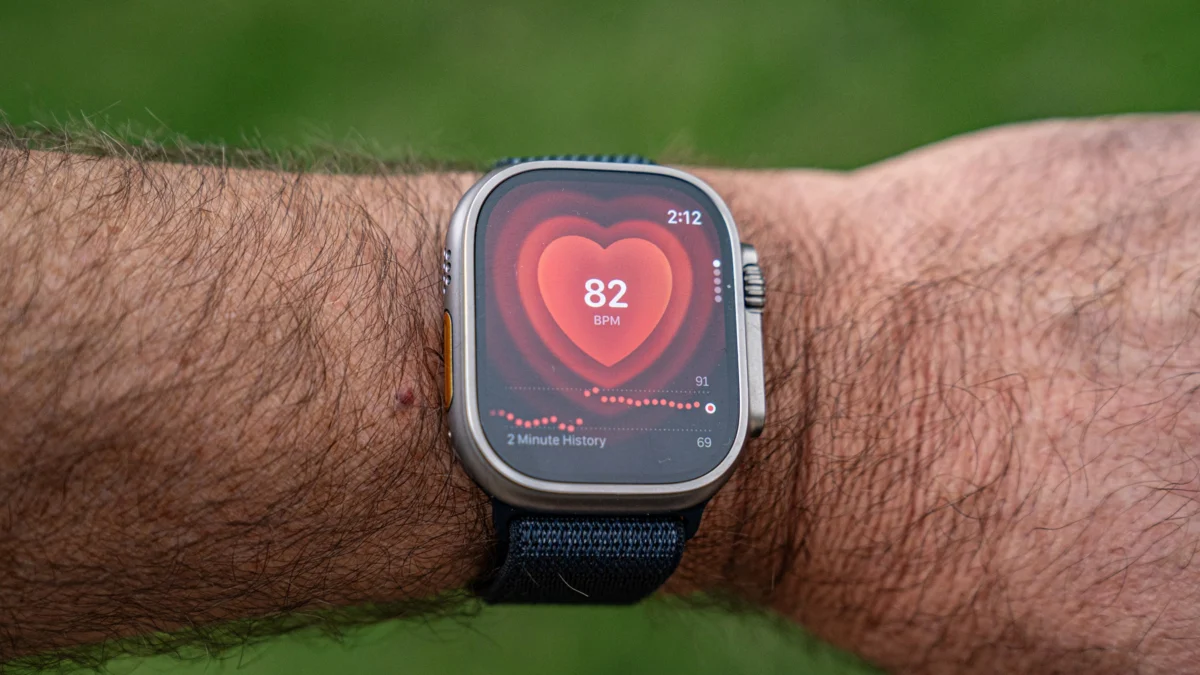
The hardware upgrade facilitates high-frequency data sampling. The Ultra 4 now records heart rate variability (HRV) at five-minute intervals during periods of rest, both day and night, and general heart rate readings at five-second intervals throughout the day. HRV, the measurement of the millisecond variations between consecutive heartbeats, serves as the primary metric for the new Readiness score.
While this frequency represents a notable improvement over the Ultra 3, it highlights the ongoing tension between battery optimization and data granularity. Garmin devices, for instance, often sample at one-second intervals, providing a more continuous stream of data for high-intensity interval training (HIIT). Apple’s approach, however, prioritizes a balance that keeps the device functional for multi-day use while maintaining high statistical confidence for the average user.
Decoding Training Readiness
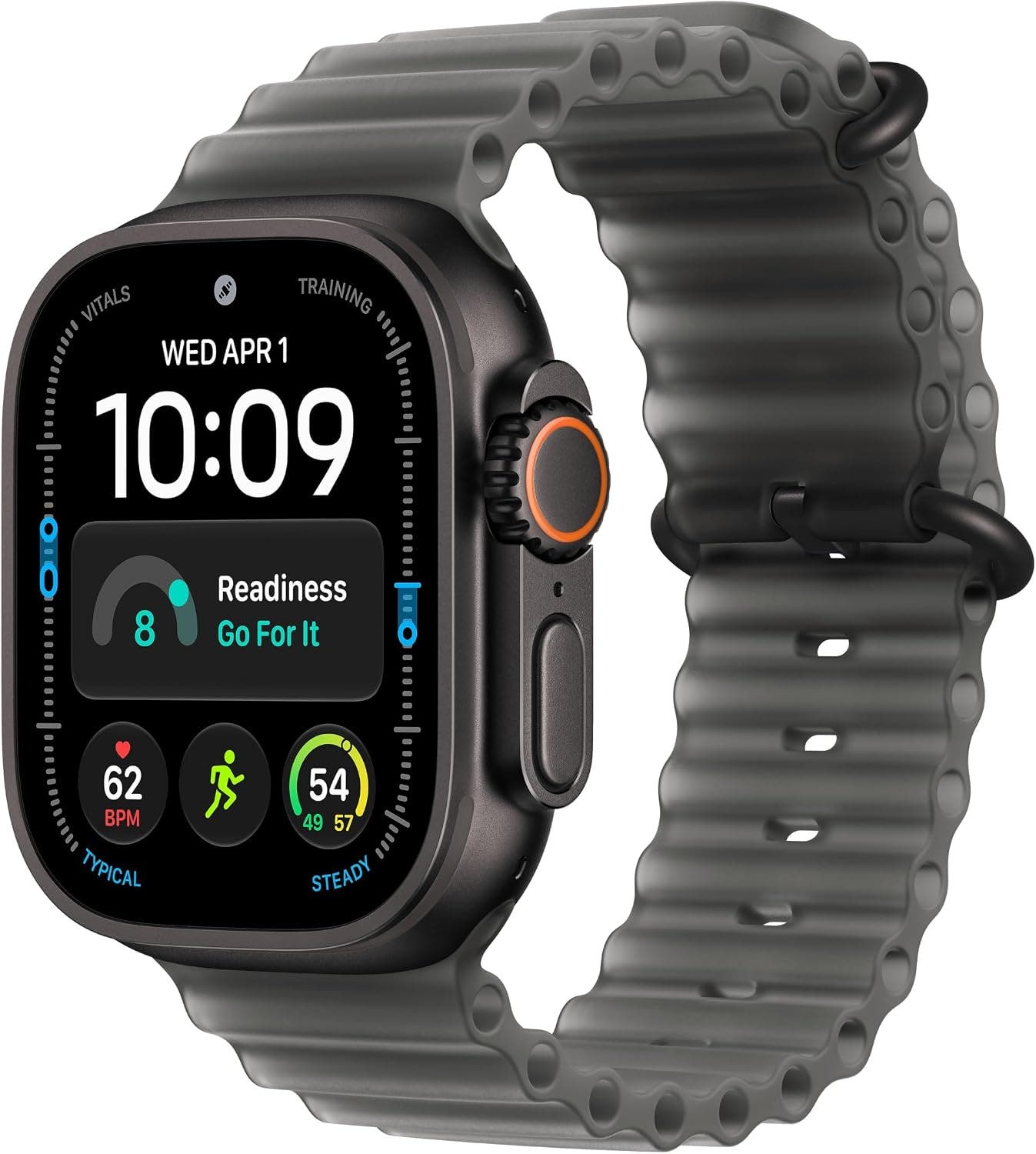
The Readiness score, scaled from 1 to 10, functions as an interpretative layer for raw health data. Unlike the more complex, granular metrics often found in professional-grade sports watches, Apple’s implementation utilizes simplified, actionable directives:
- 0–1 (Recover): Indicates significant physiological or mental strain, suggesting a total rest day.
- 2–4 (Pace Yourself): Indicates moderate stress; light movement is recommended.
- 5–7 (Ready): Indicates the body has sufficiently recovered for standard activity levels.
- 8–10 (Go For It): Indicates optimal physiological markers for high-intensity training.
This design philosophy reflects a broader trend in health-tech: the transition from "data-dumping"—where users are presented with overwhelming, raw statistics—to "intelligent synthesis," where the device acts as a diagnostic intermediary.
Future Integration: Apple Intelligence and Health Longevity
Beyond the current wearable hardware, Apple has outlined a significant expansion of its health software ecosystem. Scheduled for deployment later in 2026, the updated Health app on the iPhone will feature an "Insights" tab, powered by Apple Intelligence. This system will synthesize longitudinal data from heart health, sleep cycles, metabolic markers, and even nutritional intake.
A key feature in this upcoming update is "Health Age," a comparative metric designed to benchmark an individual’s physiological status against their chronological age. This, paired with a new "Longevity" tab, indicates that Apple is positioning its devices not merely as fitness trackers, but as essential tools for preventative healthcare. By analyzing long-term trends, the company aims to provide users with proactive health coaching, potentially shifting the focus from short-term performance to long-term wellness outcomes.
Comparative Battery Performance and Endurance Limitations
One of the most persistent criticisms of the Apple Watch series, particularly when compared to specialized endurance hardware like the Garmin Enduro 3 or the Coros Pace 4 Pro, is battery life. The Ultra 4 provides up to 50 hours of normal use and approximately 18 hours of continuous, full-power GPS workout tracking.
While this is a substantial improvement over the Series 12, it remains a point of contention for endurance athletes participating in ultra-distance events, such as 100-mile races. For these users, the requirement to switch to "Extended Workout" modes—which sacrifice sensor frequency and GPS precision to conserve power—is often seen as a significant trade-off.
Official statements from industry analysts suggest that Apple’s engineering strategy is unlikely to pivot toward the week-long battery life seen in competing outdoor watches. Instead, the company focuses on "fast-charging" as the solution; the Ultra 4’s ability to gain 18 hours of usage from a 15-minute charge is marketed as a way to circumvent the need for extreme power-saving modes.
Market Implications
The release of the Ultra 4 and Series 12 underscores a critical divergence in the wearables market. On one hand, there is the specialized performance segment, where devices like the Coros Pace 4 Pro offer superior battery longevity and specialized metrics at a significantly lower price point ($350 less than the Ultra 4). On the other, there is the "lifestyle-performance" segment, where Apple dominates by offering a seamless integration of daily productivity, health monitoring, and fitness tracking.
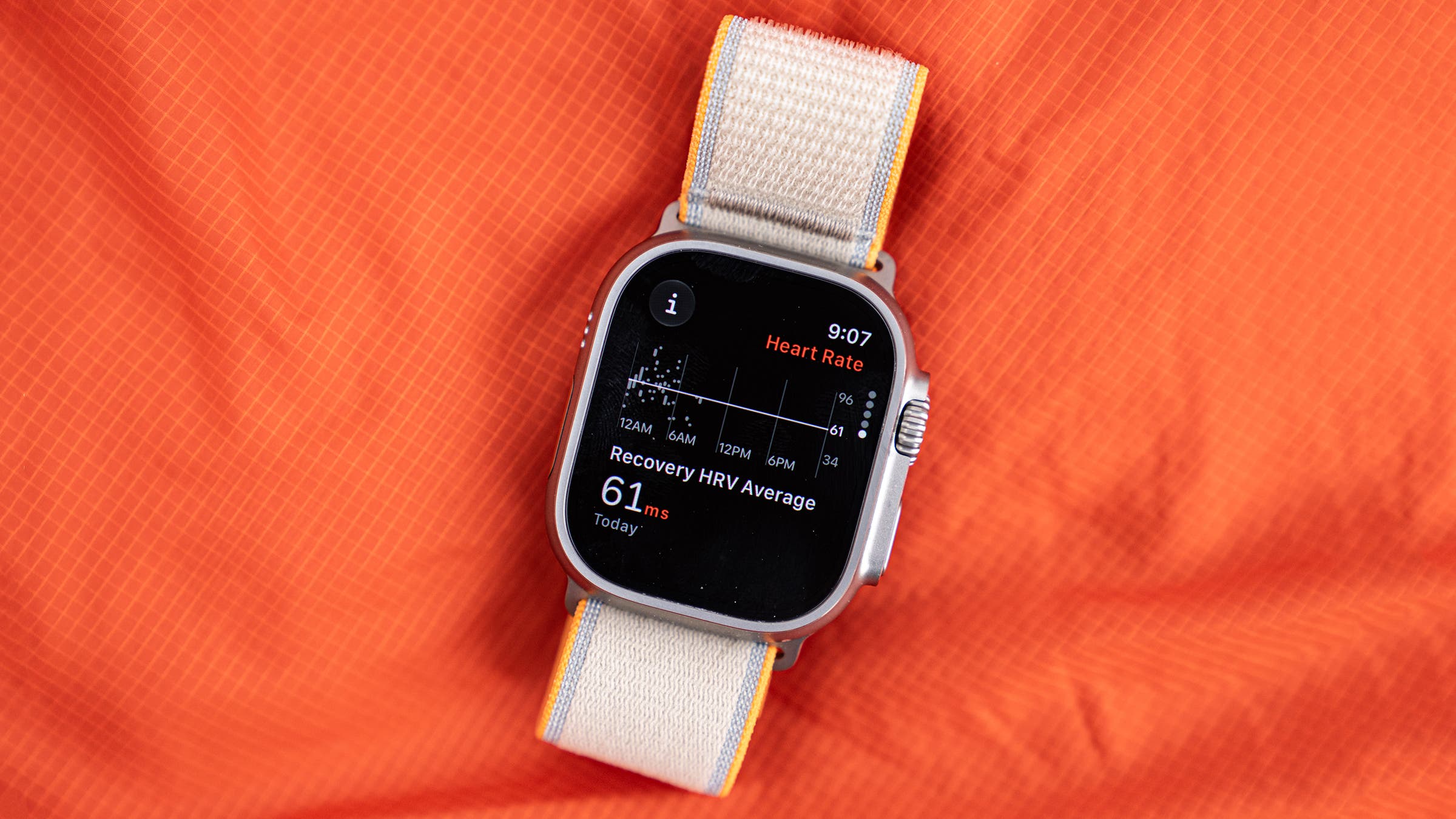
For the vast majority of consumers, the Ultra 4 represents the pinnacle of user-centered design. By stripping away the complexity of traditional athletic data and replacing it with human-readable, context-aware insights, Apple has created a device that is as comfortable in a boardroom as it is on a mountain trail.
However, for the competitive athlete, the choice remains clear. If the primary requirement is absolute sensor endurance and long-duration GPS tracking without the need for constant, rapid-fire charging, third-party alternatives remain the industry standard. Apple has succeeded in creating the most accessible health-coaching device on the market, but it has not yet neutralized the specialized value proposition of dedicated sports-watch manufacturers.
Conclusion: The Strategic Pivot
The Apple Watch Ultra 4 is a testament to the company’s "if you build it better, they will come" philosophy. By waiting to enter the readiness-metric space, Apple has avoided the early pitfalls of inaccurate algorithms, instead launching a product backed by a comprehensive clinical study.
As the "Health Age" and "Longevity" features roll out, the role of the Apple Watch will likely transition from a secondary fitness companion to a primary, longitudinal health diagnostic tool. While it may not yet be the device of choice for the 100-mile ultra-runner, it is rapidly becoming the essential device for the data-conscious individual who prioritizes clarity, integration, and the intersection of technology and daily wellness. Whether this will disrupt the core market of specialized athletic watch manufacturers remains to be seen, but the baseline for consumer expectation in wearable health tech has undoubtedly been elevated.