The Strategic Pivot to AI-Integrated Hardware
The delay in updating Apple’s smart home hardware was not a matter of engineering oversight but a deliberate, albeit lengthy, waiting game. Apple required a robust, on-device AI capability to justify new hardware cycles, particularly as competitors like Amazon and Google leaned heavily into large language models (LLMs) for their respective smart home hubs. The introduction of Siri AI serves as the catalyst for this hardware refresh. By migrating computational tasks from the cloud to local processing, Apple intends to prioritize privacy and responsiveness—two hallmarks of its brand identity—while simultaneously breathing new life into devices that have historically been criticized for being less "smart" than their rivals.
Imminent Hardware Refresh: The Fall 2026 Pipeline
Current reports indicate that the first wave of this refresh will focus on evolutionary updates to established products: the HomePod mini and the Apple TV 4K. These devices are expected to arrive in the fourth quarter of 2026, marking a critical step in standardizing the internal architecture required for Apple Intelligence across the ecosystem.
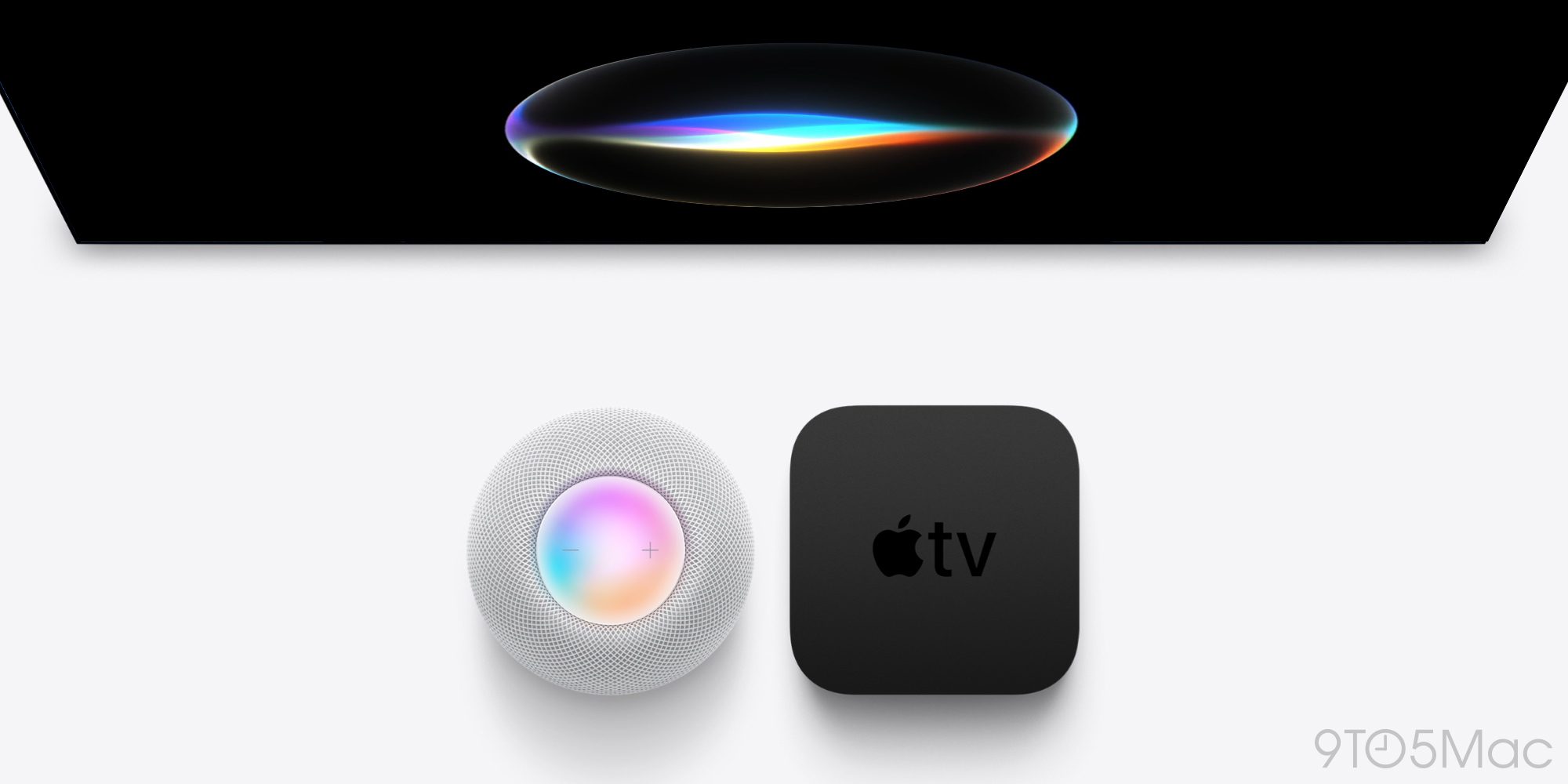
The HomePod mini, currently anchored by the S5 chip, is slated for a significant internal upgrade. Industry expectations point toward the inclusion of the S9 chip or a more modern variant, which provides the necessary neural engine overhead to run complex Siri AI tasks locally. Beyond the silicon, the device is expected to incorporate the N1 wireless chip, similar to the one introduced in the latest iPhone iterations. This update is designed to improve local connectivity, reduce latency, and potentially offer better handoff capabilities. While hardware aesthetics may remain consistent with current offerings, the addition of new colorways and internal audio tuning are expected to maintain market interest.
Simultaneously, the Apple TV 4K is scheduled for a processor upgrade, shifting from the A15 Bionic to the A17 Pro. While the A17 Pro is approaching its third year in the market, it remains significantly more capable than its predecessor, providing the graphical and computational horsepower needed to manage on-device AI operations. Beyond the chip, rumors suggest a subtle redesign of the Apple TV remote, potentially aimed at enhancing tactile feedback or integrating better controls for the new AI-driven interface. Pricing remains a point of focus; having introduced price adjustments in mid-2026, Apple is expected to maintain its current price tiers—$129 for the HomePod mini and $199 for the Apple TV 4K—to ensure competitive positioning against lower-cost alternatives.
The Evolution of the Smart Hub: The HomePad Initiative
Perhaps the most significant development in Apple’s roadmap is the emergence of a dedicated smart home hub, internally referred to in various reports as the "HomePad." This product represents Apple’s answer to the Google Nest Hub and Amazon Echo Show, effectively bridging the gap between a speaker, a tablet, and a smart home controller.
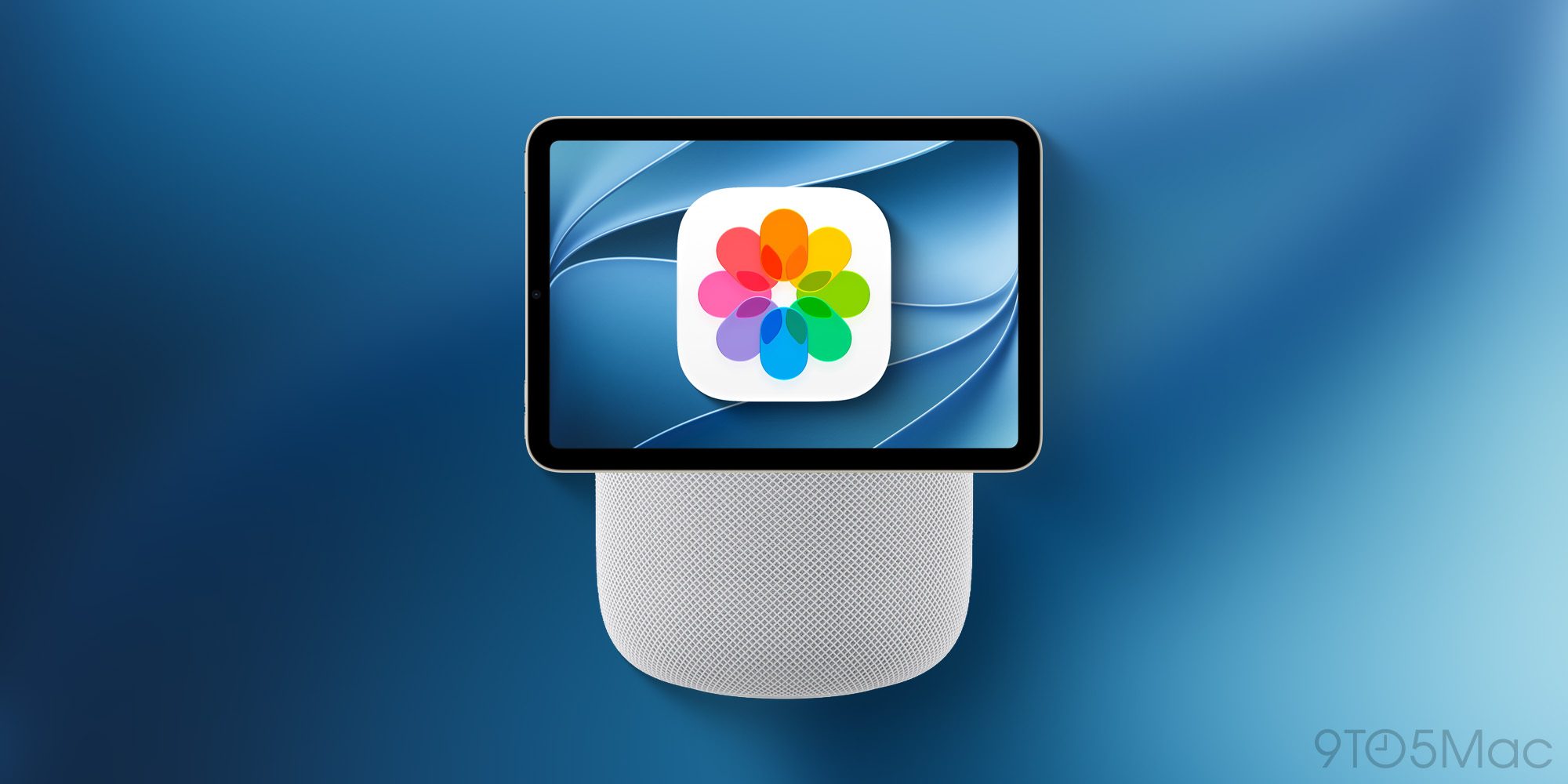
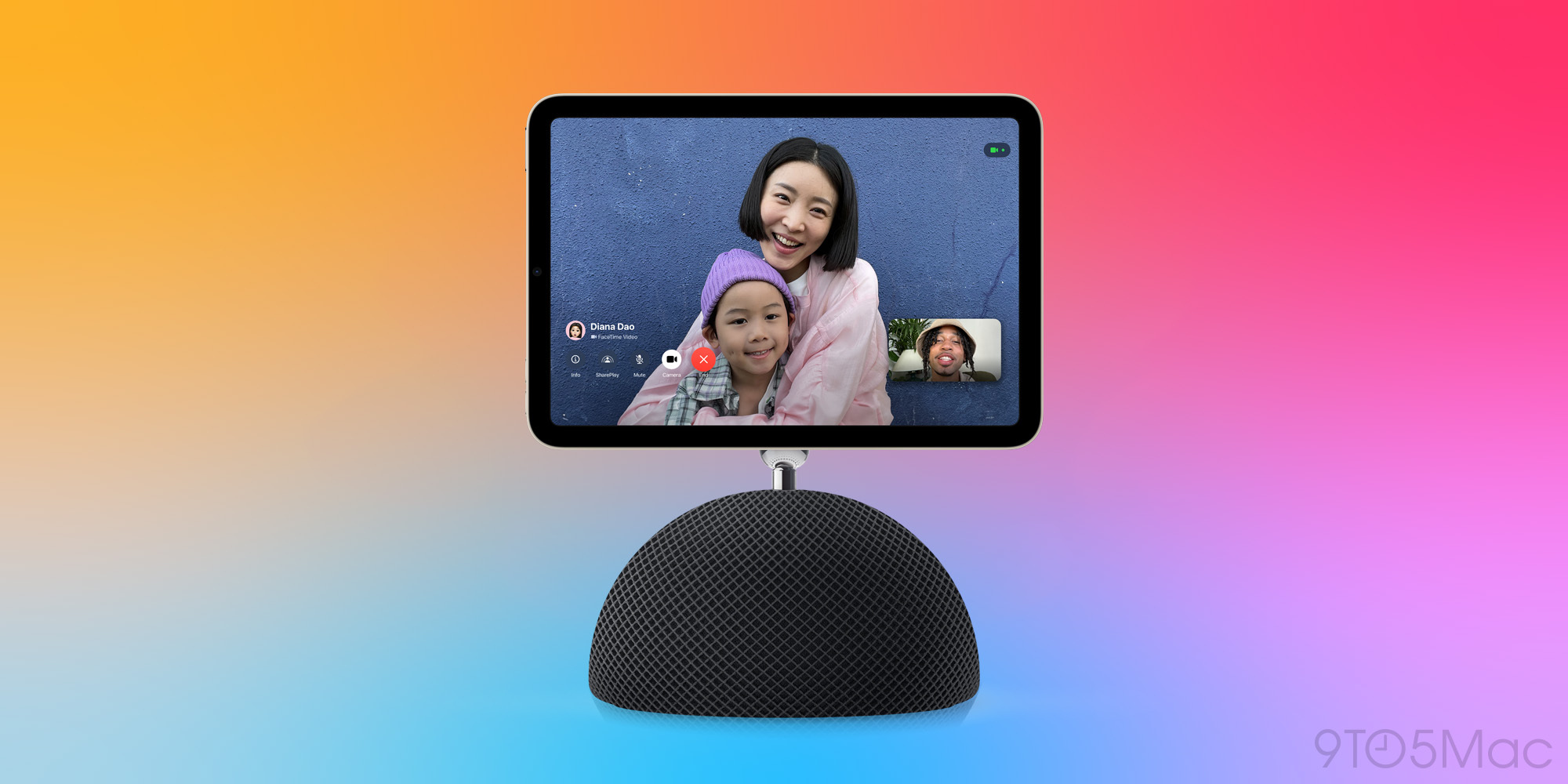
Development of this device has followed a bifurcated path. One model is designed as a wall-mounted display utilizing a magnetic attachment system, intended to serve as a sleek, low-profile interface for home management. The second variant features an integrated speaker base, providing a more robust audio experience. Both models are expected to feature a 7-inch square display, running a specialized operating system—homeOS—that focuses on contextual awareness and user interaction.
Equipped with an A18 chip, this device is being engineered to handle advanced AI workflows, including real-time video processing for FaceTime, gesture control, and predictive smart home management. The inclusion of the A18 suggests that Apple is not merely repurposing mobile hardware but is instead creating a dedicated performance ceiling for its smart home division. A launch window between October 2026 and the first quarter of 2027 has been identified, reflecting the complexity of integrating a new, unreleased operating system with established home automation protocols.
Long-term Strategy: Ecosystem Expansion and Robotics
Looking further ahead, Apple’s ambitions extend beyond the living room and into the broader security and automation sector. The company is reportedly developing a suite of smart home accessories, including high-definition security cameras and AI-integrated doorbells. By moving from a software-first approach (HomeKit) to a vertical integration strategy, Apple aims to secure the entire data pipeline from the camera lens to the end user’s device.
The most ambitious project on the horizon is the development of a tabletop robotic device. This product, which reportedly features a 9-inch display mounted on a sophisticated robotic arm, represents a departure from static smart home devices. The robotic arm would allow the display to track the user during video calls or rotate to follow the user as they move through a room. While still in the earlier stages of development compared to the HomePod mini refresh, this project indicates Apple’s long-term interest in ambient computing—the idea that technology should fade into the background, becoming active only when necessary.
Market Implications and Competitive Landscape
The impact of these releases on the broader market cannot be overstated. For years, Apple has relied on the strength of its ecosystem to maintain loyalty among HomeKit users, even as the hardware itself fell behind in terms of AI capabilities. By standardizing the A-series and S-series chips across its home product line, Apple is building a unified "intelligence layer" that allows for seamless interaction between the Apple TV, the HomePod, and the new smart display devices.
From a competitive standpoint, this move is a direct challenge to the incumbents in the smart home space. Amazon and Google have largely defined the current landscape through aggressive pricing and broad hardware distribution. Apple’s strategy, conversely, focuses on premium integration and privacy. If Apple can successfully deploy on-device AI that does not require constant cloud communication, it will create a distinct value proposition that appeals to privacy-conscious consumers—a demographic that has historically been wary of "always-listening" smart speakers.
Analytical Perspective: The Challenge of HomeOS
The transition to a dedicated homeOS is perhaps the most critical component of this strategy. Managing a device that serves as a media player, a security hub, and an AI assistant requires a highly stable and efficient software environment. Previous attempts by competitors to create unified smart home interfaces have often struggled with latency and inconsistent UI/UX. Apple’s advantage lies in its ability to control both the hardware and the software, ensuring that the A18 or S9 chips are utilized with maximum efficiency.
However, the success of this initiative will depend on how Apple handles the "fragmentation" of its own user base. Many users currently rely on older hardware that will not be able to support the full suite of Apple Intelligence features. The company will need to manage this transition carefully, providing enough incentive for users to upgrade while maintaining support for legacy devices.
Conclusion
As the end of 2026 approaches, Apple stands at a pivotal moment. The company has moved beyond the speculation phase and into a concrete hardware execution strategy. By aligning its home product releases with the rollout of Siri AI, Apple is attempting to reclaim the narrative in the smart home sector. Whether the upcoming HomePod mini, the refreshed Apple TV, or the much-anticipated HomePad can translate this technical capability into market dominance remains to be seen. What is clear, however, is that the era of "dumb" smart home hardware is coming to an end, and Apple is positioning itself to lead the shift toward a more intelligent, proactive, and privacy-focused domestic environment. Through a combination of iterative updates and the introduction of entirely new form factors, the company is laying the groundwork for a future where the home is not just a place to live, but a responsive, AI-driven entity.