In a move that clarifies the financial requirements for its upcoming smart home enhancements, Apple has confirmed that several high-profile artificial intelligence features for the Home app will be restricted to users subscribed to the 2TB iCloud+ storage tier. This requirement was discovered within the documentation for the third developer beta of macOS 27 and iOS 27, signaling a shift in how the company monetizes its advanced HomeKit Secure Video (HKSV) capabilities. While Apple has long integrated its smart home ecosystem with its cloud subscription services, the decision to gate specific AI-driven utility behind a premium $9.99-per-month plan marks a significant development in the company’s services strategy.
The upcoming software updates, originally previewed at the Worldwide Developers Conference (WWDC), aim to transform the user experience for home security by leveraging "Apple Intelligence." These updates focus on reducing notification clutter, improving video resolution, and providing sophisticated search tools for recorded footage. However, the discovery of the 2TB iCloud+ prerequisite suggests that the hardware and processing costs associated with these features are being passed directly to the consumer via a recurring subscription model.
The Evolution of Apple Intelligence in the Home App
At the core of the new update is a suite of features designed to make home security more intuitive. Currently, users of HomeKit-enabled cameras often deal with "notification fatigue," a phenomenon where multiple alerts are triggered by a single event. For example, a resident returning home might trigger separate alerts for motion in the driveway, the opening of a garage door, the closing of the same door, and the unlocking of the front door.
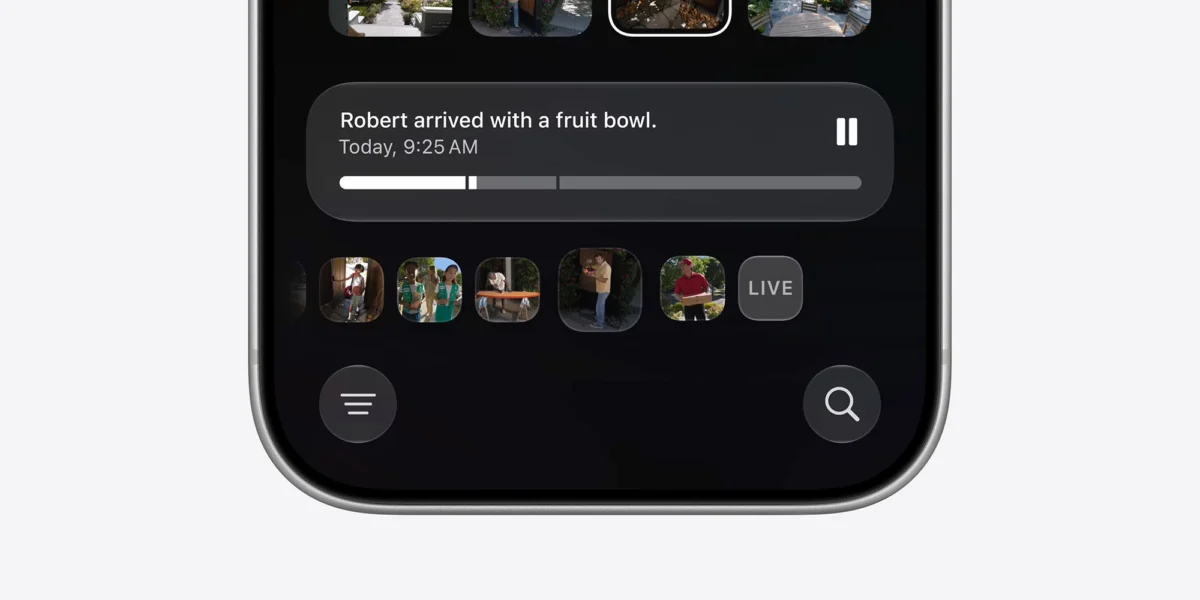
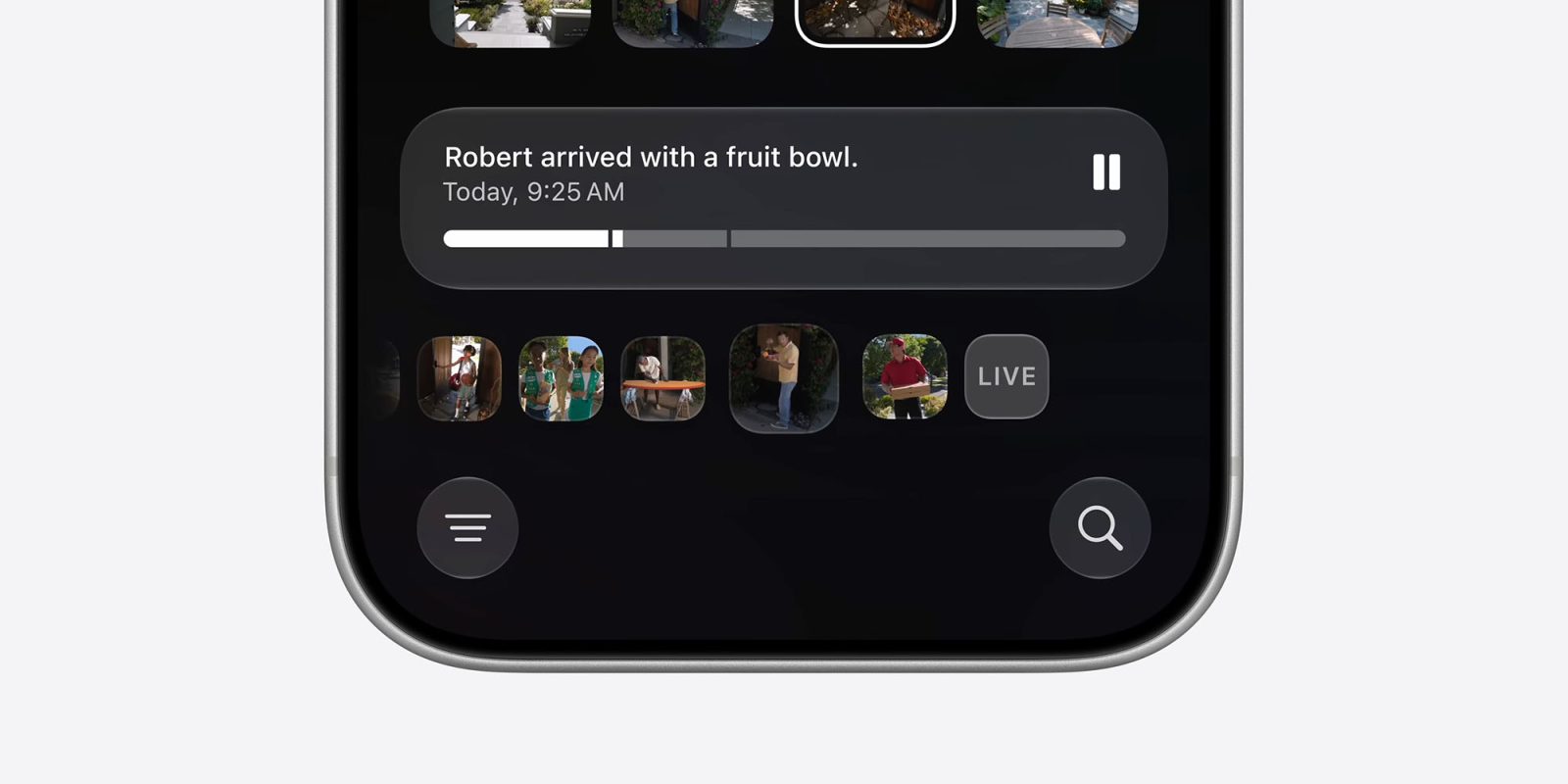
In the forthcoming version of the Home app, Apple Intelligence will synthesize these discrete events into a single, cohesive notification. Instead of a flurry of pings, the user receives one summary stating that a specific family member has arrived home. This "Intelligent Notification Summary" is part of a broader effort to use on-device and cloud-based processing to provide context rather than raw data.

Beyond notification management, Apple is introducing three primary AI-driven capabilities for video analysis:
- Generated Video Descriptions: The system will use large language models to create text-based summaries of video clips. This allows users to understand the contents of a recording—such as "a delivery driver left a package and a neighbor’s dog ran across the lawn"—without having to watch the actual footage.
- Natural Language Search: Users will be able to search through their library of recorded clips using specific queries. Instead of scrolling through a timeline, a user could search for "white truck in the driveway" or "package delivery on Tuesday afternoon," and the AI will surface the relevant segments.
- Noteworthy Clip Curation: The Home app will automatically highlight "noteworthy" events at the top of the search page. Using machine learning, the system identifies anomalies or significant actions, such as a stranger approaching the door or an unexpected vehicle, ensuring that critical moments are not lost in hours of mundane footage.
Technical Milestones and the Leap to 4K
Accompanying these AI features is a long-awaited hardware-adjacent upgrade: the transition from 1080p to 4K resolution for HomeKit Secure Video. Since its inception, HKSV has been capped at 1080p High Definition, a limitation that many users felt was lagging behind competitors like Arlo and Nest, which have offered 4K options for years.
The move to 4K is technically demanding. Higher resolution video requires significantly more bandwidth for uploading and substantially more storage space for the standard 10-day recording window provided by HKSV. Industry analysts suggest that the 2TB iCloud+ requirement is likely tied to the increased storage overhead and the computational power required to index 4K footage for AI searching. By mandating the 2TB tier, Apple ensures that users have enough cloud "headroom" to store high-bitrate video while also subsidizing the server-side processing costs associated with Apple Intelligence metadata.
A Chronology of HomeKit Secure Video Requirements
To understand the context of this new requirement, it is helpful to look at the history of how Apple has tiered its HomeKit services:
- 2019 (iOS 13): Apple introduces HomeKit Secure Video, allowing users to store encrypted footage in iCloud. Initially, a 200GB plan supported one camera, and a 2TB plan supported up to five.
- 2021 (iOS 15): Apple rebrands the service to iCloud+. The 50GB plan ($0.99/mo) supports one camera, the 200GB plan ($2.99/mo) supports up to five, and the 2TB plan ($9.99/mo) supports an unlimited number of cameras.
- 2023: Apple adds 6TB and 12TB tiers to iCloud+, primarily targeting professional photographers and power users, though the camera limits remained "unlimited" for these higher tiers.
- Present (macOS 27/iOS 27 Beta): The discovery of the 2TB mandate for AI features. Regardless of whether a user has one camera or twenty, the advanced "Apple Intelligence" features now require the $9.99 monthly plan.
Comparative Market Analysis
Apple’s decision to link AI features to a specific subscription tier mirrors trends across the smart home industry, though it deviates from Apple’s traditional "privacy-first" marketing, which often emphasizes on-device processing.
Competitors such as Amazon-owned Ring and Google-owned Nest have long utilized subscription walls for AI features. Ring’s "Protect" plans and Nest’s "Nest Aware" subscriptions are required for person detection, package alerts, and familiar face recognition. However, those services often start at lower price points (approximately $5 to $6 per month) for basic AI functionality.
The 2TB iCloud+ plan, priced at $9.99 per month, is a more expensive entry point if viewed solely as a "security camera subscription." However, Apple bundles this with 2TB of general cloud storage, Private Relay, "Hide My Email," and custom email domains. For users already integrated into the Apple ecosystem, the value proposition is broader, but for those who only use iCloud for camera backups, the price hike from the 200GB tier ($2.99) to the 2TB tier ($9.99) represents a 234% increase in monthly costs to access AI tools.
Industry and Consumer Reactions
Early reactions from the developer community and smart home enthusiasts have been mixed. On one hand, the introduction of 4K support is seen as a necessary evolution for the platform to remain competitive. On the other hand, the "subscription wall" for AI features has sparked a debate regarding "subscription fatigue."
Privacy advocates have also raised questions. Apple has historically marketed HomeKit Secure Video as a more private alternative to other brands because the analysis for person, pet, and vehicle detection was performed locally on a "Home Hub" (such as an Apple TV or HomePod). The new requirement for a 2TB cloud plan suggests that while the video remains end-to-end encrypted, the more intensive generative AI summaries and search indexing may rely more heavily on cloud infrastructure than previous iterations.
"Apple is essentially creating a premium class of smart home users," says one industry analyst. "By tying these features to the 2TB tier, they are targeting high-intent customers who likely have multiple devices and a high reliance on the Apple ecosystem. It’s a clear play to increase Average Revenue Per User (ARPU) within the Services division."

Financial and Strategic Implications for Apple
The Services division has become a cornerstone of Apple’s financial growth. In recent fiscal quarters, Services—which includes the App Store, Apple Music, and iCloud—has consistently outpaced hardware growth. By moving desirable AI features behind a higher-tier subscription, Apple is leveraging its software innovation to drive recurring revenue.
For users with six or more cameras, the 2TB requirement is already a reality, as the 200GB plan only supports up to five cameras. However, the new policy impacts the "single-camera" or "small-apartment" user who might only have a doorbell camera or one indoor camera. Previously, these users could access basic HKSV features for $0.99 or $2.99 per month. Under the new rules, if they want the AI-generated summaries or 4K support, they must jump to the $9.99 plan, regardless of their hardware footprint.
Looking Ahead
As macOS 27 and iOS 27 move toward a general public release, typically expected in the fall, Apple may provide further clarification on the technical necessity of the 2TB requirement. It remains to be seen if the company will offer a "middle ground" or if the $9.99 threshold will remain firm.
The integration of Apple Intelligence into the Home app represents a major step forward in making the smart home truly "smart," moving beyond simple motion triggers to actual situational awareness. However, the cost of entry for this intelligence is now clearly defined, placing Apple’s most advanced home security tools firmly in the premium category of consumer electronics. For the average user, the choice will come down to whether the convenience of AI-generated summaries and the clarity of 4K video are worth a three-to-ten-fold increase in their monthly cloud storage costs.