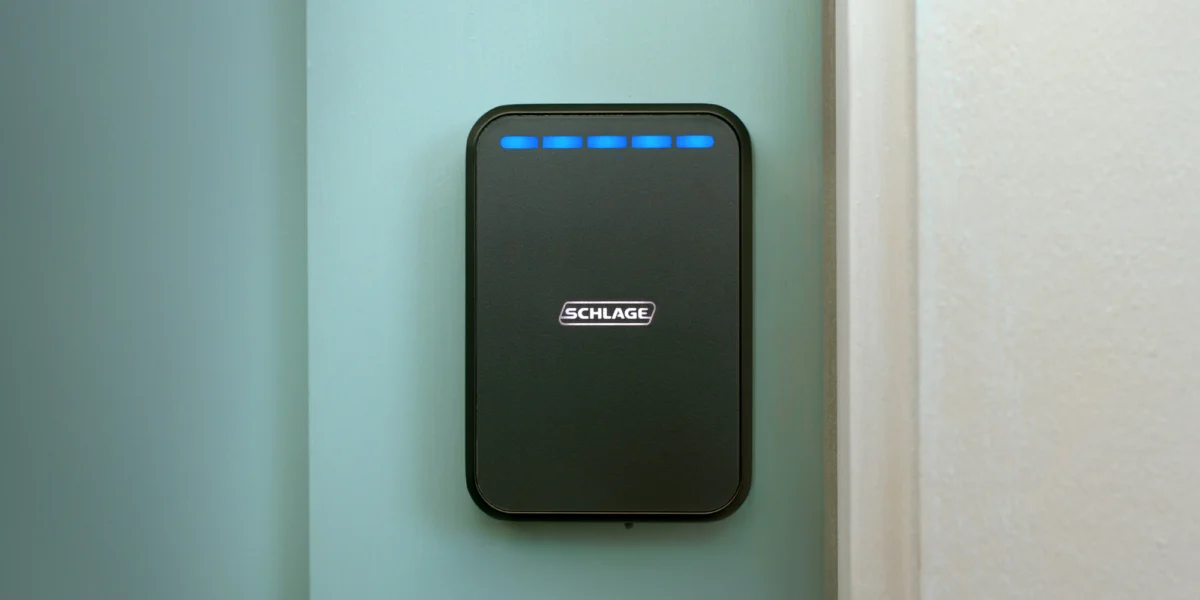
The residential security landscape has reached a significant milestone with the official market release of the Schlage Sense Pro Smart Deadbolt, a device that integrates Ultra Wideband (UWB) technology to redefine the hands-free entry experience for the Apple Home ecosystem. Following its initial unveiling at the Consumer Electronics Show (CES) in early 2025, Schlage, a brand synonymous with mechanical door hardware for over a century, has confirmed that its most advanced digital lock to date will be available for purchase starting June 29. Retailing at $399, the Sense Pro enters the market as one of the most sophisticated entries in the smart home sector, aiming to solve long-standing frustrations regarding the reliability and security of proximity-based unlocking mechanisms.
The Shift from Bluetooth to Ultra Wideband Precision
For years, the smart lock industry has grappled with the "auto-unlock" feature. Early iterations of this technology relied primarily on Bluetooth Low Energy (BLE) or GPS-based geofencing. While innovative, these methods often suffered from latency issues or "false positives," where a door might unlock while the user was still in their driveway or, conversely, fail to unlock until the user had been standing at the door for several seconds.
Ultra Wideband technology represents a generational leap over these predecessors. Operating on a high-frequency spectrum with a wide bandwidth, UWB allows for spatial awareness and centimeter-level accuracy. Unlike Bluetooth, which estimates distance based on signal strength (RSSI), UWB measures the "time of flight"—the actual time it takes for a radio pulse to travel between the lock and the authorized device, such as an iPhone or Apple Watch. This precision ensures that the lock only engages or disengages when the user is within an immediate, predefined radius of the door, significantly enhancing both convenience and physical security.

The Schlage Sense Pro utilizes this technology through its proprietary "Schlage Converge" system. This software suite does more than just detect proximity; it calculates the user’s trajectory and speed. By analyzing whether a person is approaching the door with the intent to enter or simply walking past it from the inside, the system minimizes accidental unlocks. This level of "intent recognition" is a critical safety feature for high-traffic households and urban environments.
Integration with Apple Home and the Aliro Standard
A primary selling point of the Sense Pro is its deep integration with the Apple Home ecosystem. It is only the second smart lock on the market—following the Aqara U400—to support Apple’s UWB-based Home Key implementation. For users with a compatible iPhone (iPhone 11 or later) or Apple Watch (Series 6 or later), the Sense Pro offers a "Express Mode" experience. This allows the door to unlock automatically as the user approaches, without the need to wake the device, open an app, or even provide biometric authentication in most scenarios.
Furthermore, the Sense Pro is built on the Matter over Thread protocol. Matter is the industry-unifying communication standard designed to ensure that smart home devices from different manufacturers work seamlessly together. By utilizing Thread—a low-power, self-healing mesh networking protocol—the Sense Pro achieves faster response times and better battery efficiency than traditional Wi-Fi-based locks.
The device also carries compatibility with Aliro, a new communication standard spearheaded by the Connectivity Standards Alliance (CSA). Aliro aims to standardize the way mobile devices and wearables interact with access control readers, ensuring that digital keys remain interoperable across different hardware brands and mobile operating systems in the future. By including Aliro support, Schlage is effectively future-proofing the Sense Pro against shifts in the digital credential landscape.
Comparative Market Analysis: Schlage vs. Aqara
The launch of the Sense Pro sets up a direct competition with the Aqara U400, which debuted earlier this year at a significantly lower price point of $269. While the $130 price gap is notable, industry analysts suggest that Schlage is positioning the Sense Pro as a premium, "security-first" alternative.
Schlage brings a century of mechanical engineering expertise to the table. The Sense Pro is expected to maintain the brand’s reputation for Grade 1 or Grade 2 ANSI/BHMA durability ratings, which measure the lock’s resistance to physical force, picking, and environmental wear. In contrast, Aqara, while a leader in smart home sensors and electronics, is often viewed as a tech-centric brand. For many homeowners, the decision between the two will come down to a choice between the lower entry price of the Aqara and the established mechanical reliability and aesthetic finishes of the Schlage brand.
The Sense Pro will be available in several popular finishes, including Satin Nickel and Matte Black, designed to match existing residential hardware. Its physical design remains relatively traditional, concealing its advanced sensors within a chassis that does not immediately scream "electronic gadget," a preference for many homeowners seeking to maintain curb appeal.
Technical Specifications and Battery Performance
One of the historical pain points for smart locks has been power consumption. Maintaining a constant connection to a network can drain batteries in a matter of weeks. Schlage claims that the Sense Pro will offer up to six months of battery life under normal usage conditions. This efficiency is largely attributed to the use of Thread, which requires significantly less power than Wi-Fi to maintain a stable connection to a smart home hub.
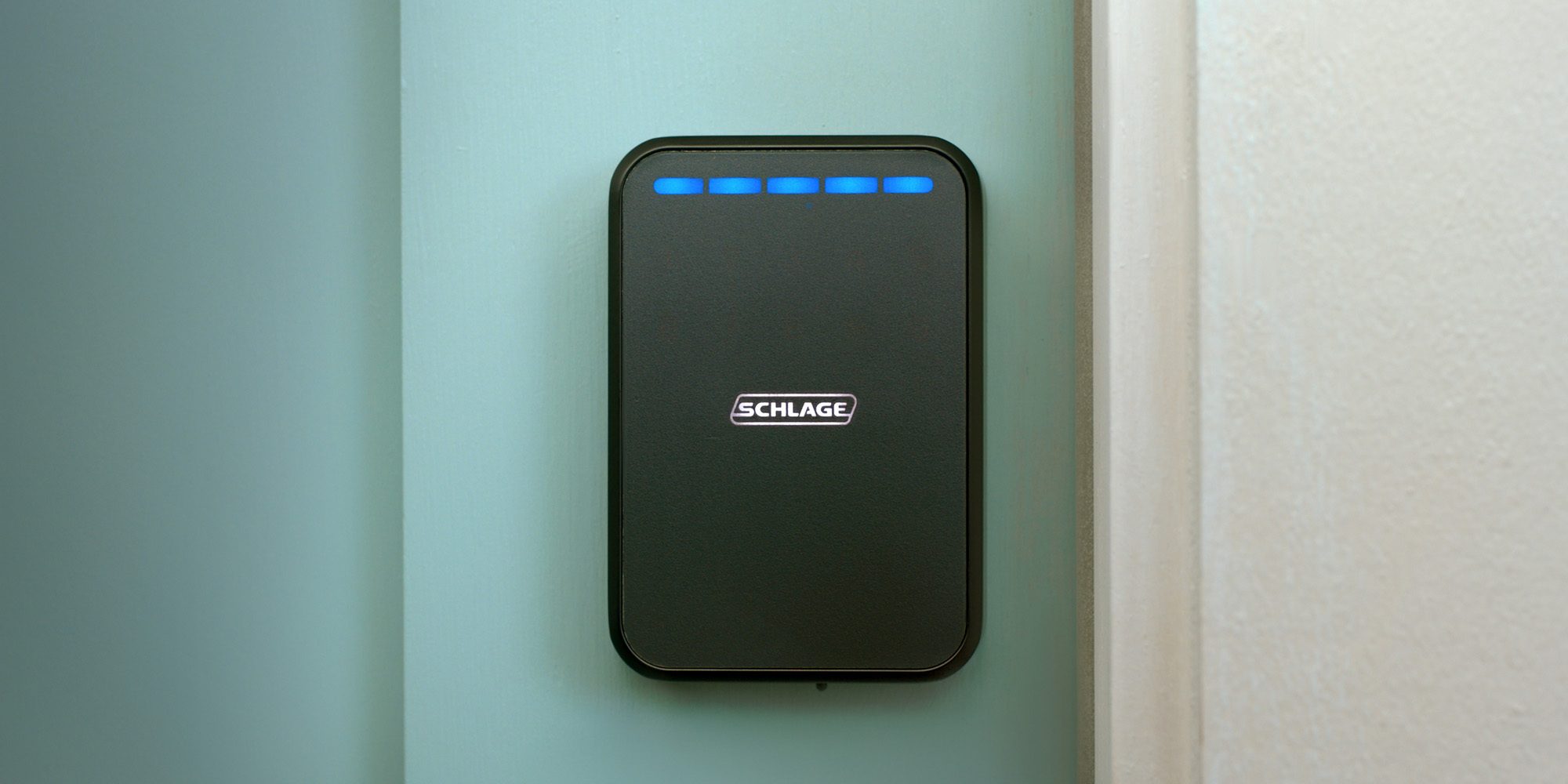
In the event of a battery failure, the Sense Pro includes a physical key cylinder, a feature that some "all-digital" competitors have phased out. This "fail-safe" approach remains a high priority for the North American market, where users are often hesitant to rely entirely on electronic components for home access.
Chronology of Development
The path to the Sense Pro’s launch reflects the broader timeline of UWB adoption in the consumer electronics space:
- September 2019: Apple introduces the U1 chip (UWB) in the iPhone 11, laying the groundwork for spatial awareness.
- June 2021: Apple announces Home Key at WWDC, allowing users to store digital house keys in the Apple Wallet.
- January 2025: Schlage officially announces the Sense Pro at CES in Las Vegas, demonstrating the "Converge" technology for the first time.
- Early 2025: The Aqara U400 launches, becoming the first UWB-enabled lock for Apple Home.
- June 2025: Schlage begins mass production and confirms the June 29 retail date for the Sense Pro.
Official Responses and Industry Impact
In a statement accompanying the launch announcement, Schlage emphasized that the Sense Pro is not merely an incremental update but a "redefinition of home access." The company noted that the integration of UWB is a response to customer feedback requesting a more "invisible" entry experience—one where the technology works in the background without requiring active user intervention.
Industry experts view the release as a sign that UWB is becoming the new standard for the premium smart home segment. "We are moving away from the era of ‘smart’ meaning ‘controllable via an app’ and toward an era where ‘smart’ means ‘anticipatory,’" says tech analyst Marcus Thorne. "The Sense Pro uses high-frequency radio tech to anticipate the user’s needs. This is the level of friction-less interaction that will eventually move smart locks from a niche enthusiast product to a standard feature in new home construction."

Broader Implications for Residential Security
The arrival of the Schlage Sense Pro also signals a shift in how digital security is perceived. By moving away from Bluetooth—which is susceptible to relay attacks where a signal is intercepted and re-broadcast to trick a lock—and toward UWB, which is inherently more resistant to such exploits due to its time-of-flight calculations, Schlage is addressing the "security" half of the smart lock equation.
Furthermore, the inclusion of Matter over Thread ensures that the device is not siloed within a single ecosystem. While its most advanced features (UWB auto-unlock) currently favor Apple users, the Matter foundation allows the lock to be controlled via Amazon Alexa, Google Home, or Samsung SmartThings, albeit with varying degrees of proximity functionality depending on those platforms’ support for UWB.
As the June 29 launch date approaches, the Sense Pro stands as a bellwether for the industry. If successful, it will likely prompt other major hardware manufacturers like Yale and Kwikset to accelerate their own UWB roadmaps. For the consumer, the result is a more competitive market where the "perfect" hands-free entry—once a futuristic concept—becomes a standard convenience of the modern home. Regardless of the $399 price tag, the Sense Pro represents the current pinnacle of residential access technology, blending a century of mechanical heritage with the cutting edge of wireless communication.