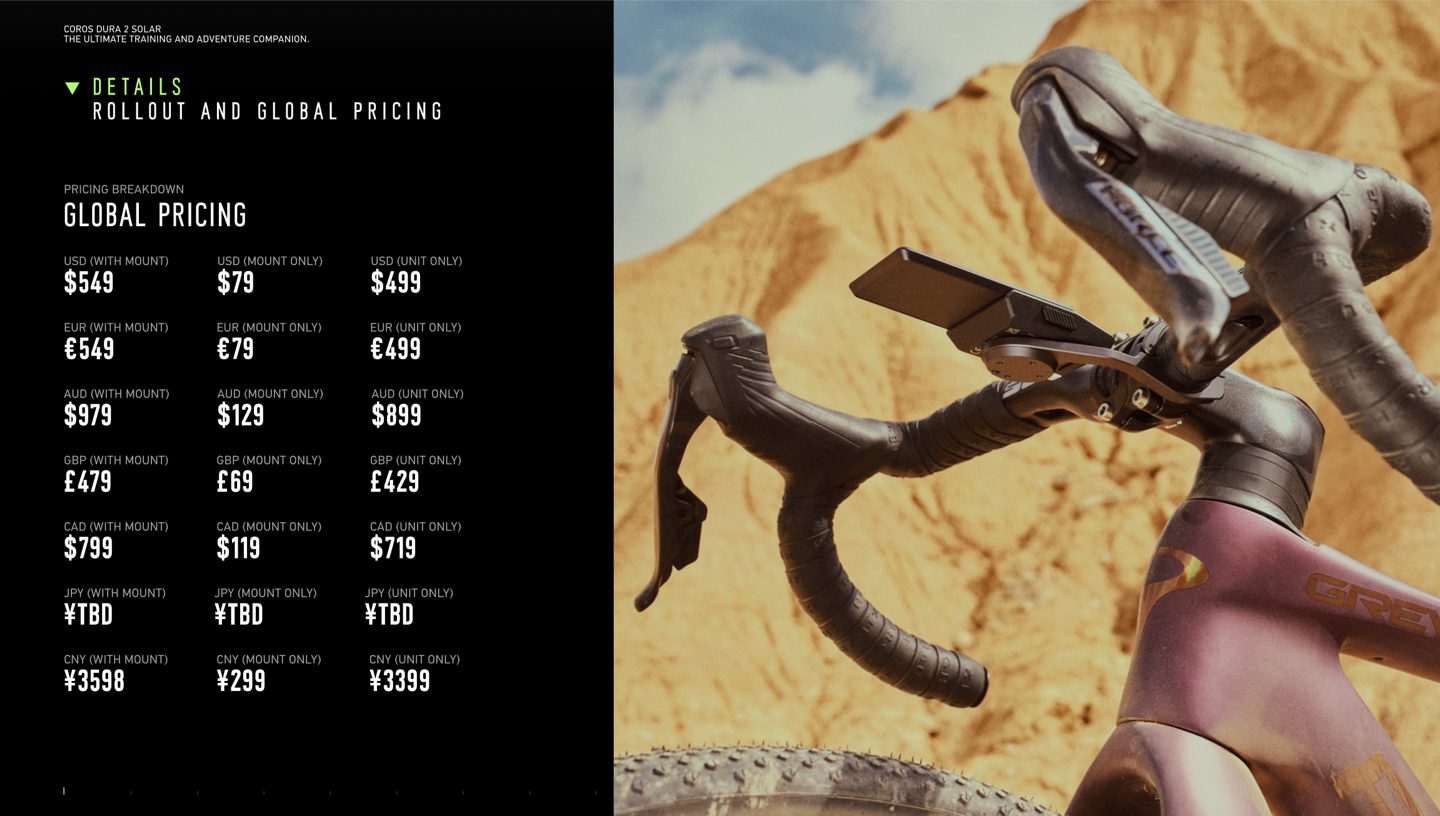
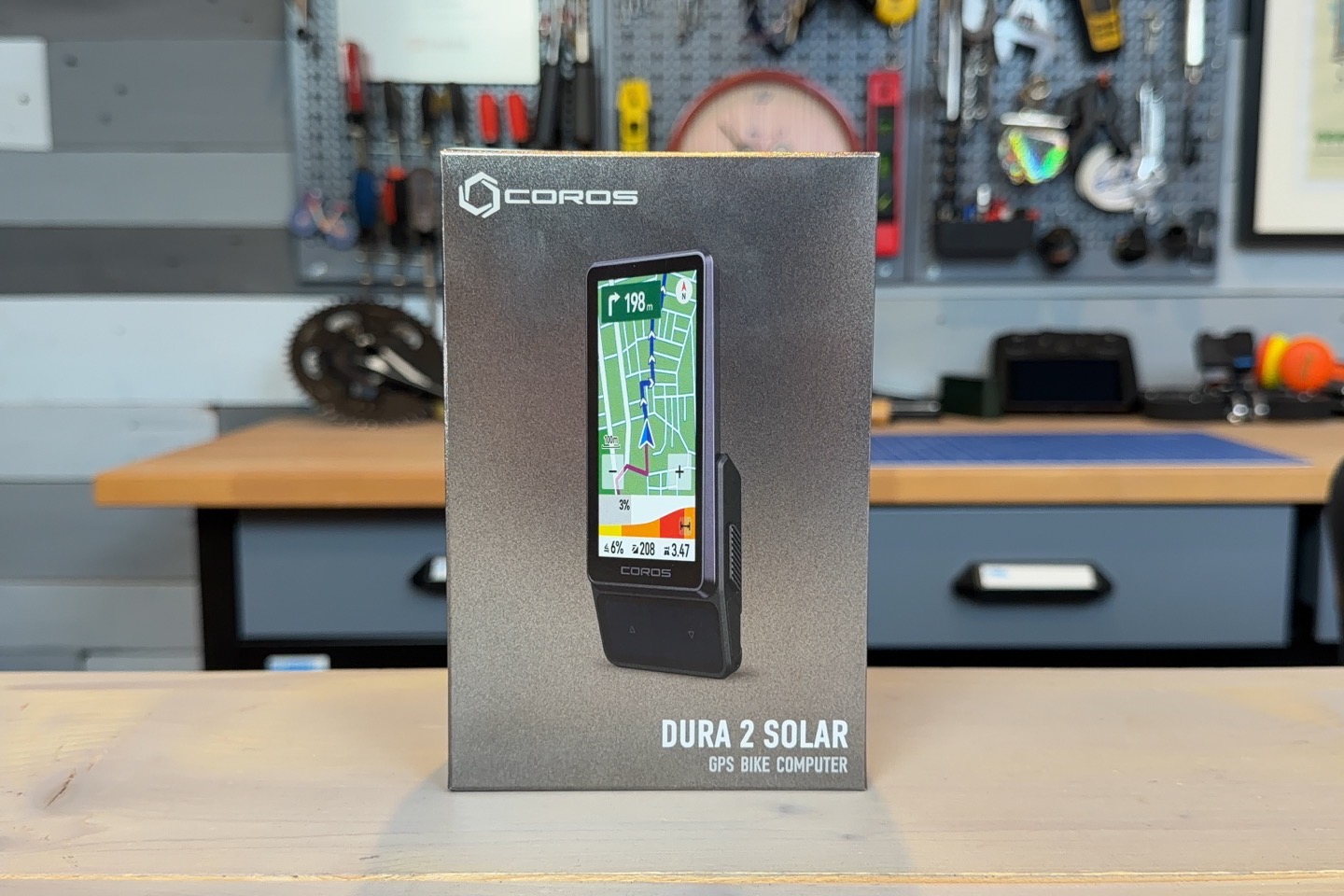
COROS has officially announced the launch of its latest cycling computer, the COROS Dura 2, entering the market with a striking redesign, expanded functionality, and a major price jump that places it in direct competition with established industry titans. The new unit effectively more than doubles the price of its predecessor, the now-discontinued Dura 1, transitioning from a budget-friendly alternative to a premium-tier device priced at $549 with a mount included, or $499 without mounting hardware. While the device preserves the brand’s signature industry-leading battery life claims and introduces a sleeker exterior, real-world testing reveals a mix of impressive engineering achievements and persistent software instability.

Background and Strategic Shift
When COROS originally introduced the Dura 1, the company carved out a niche by offering exceptional battery longevity under solar power at a significantly lower price point than competitors like Garmin and Wahoo. The strategy was clear: undercut the dominant players on price while delivering fundamental performance metrics for endurance cyclists willing to overlook early-stage software rough edges.
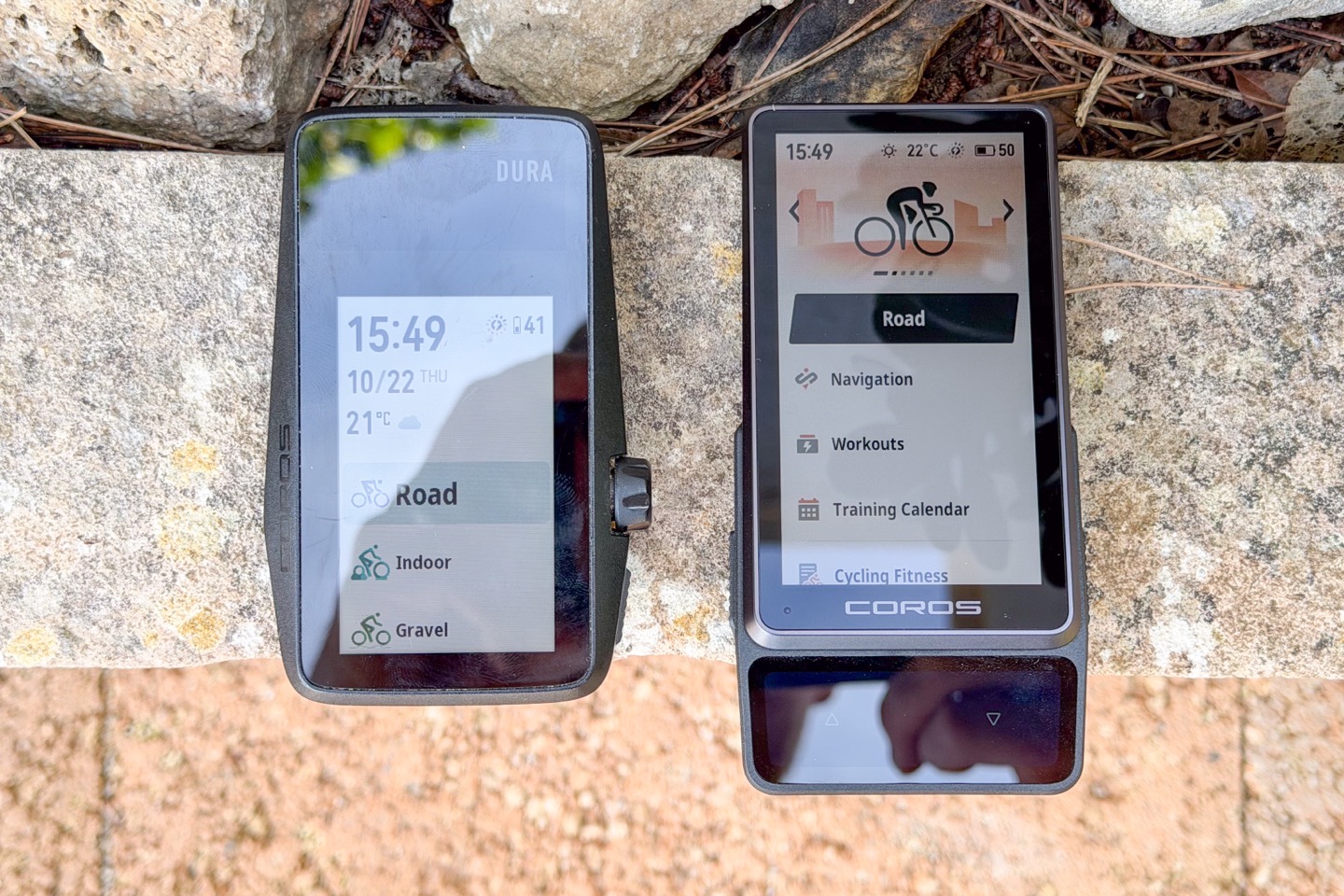
With the Dura 2, COROS has pivoted aggressively toward the premium market segment, redesigning the unit entirely. The device abandons the rotating Digital Crown seen on earlier hardware in favor of a modern silhouette reminiscent of a clamshell mobile device. Furthermore, the solar panel has been relocated from the top of the unit—which previously created a prominent bezel—to the bottom chin, creating a more balanced aesthetic. However, this strategic shift in pricing brings heightened consumer expectations, raising questions about whether the device justifies its new tier.
Hardware Revisions and Specification Changes
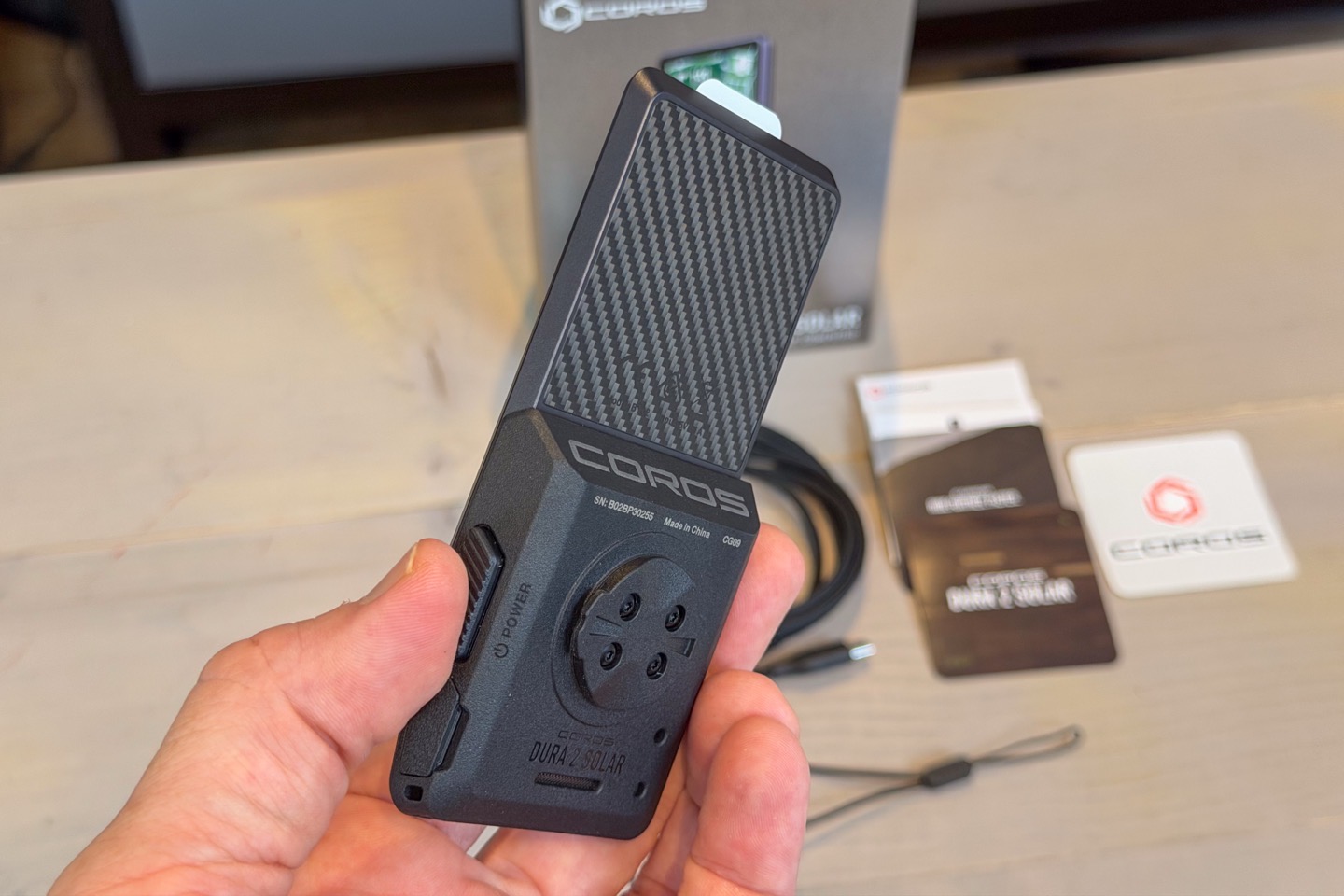
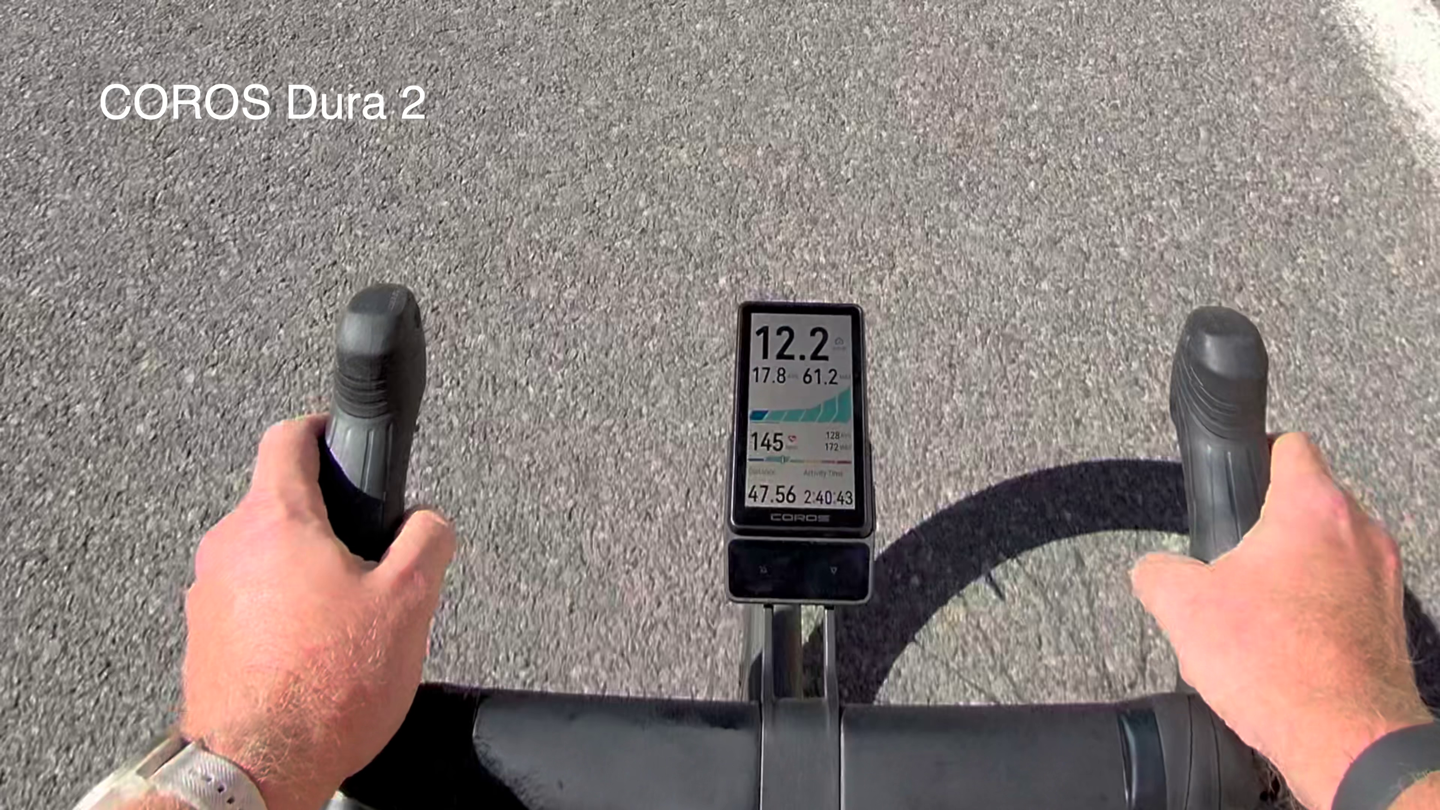
The COROS Dura 2 introduces several notable physical and functional upgrades alongside controversial omissions. The display has been enlarged from 2.7 inches to 3.5 inches, featuring a Memory-in-Pixel (MIP) refresh rate of 38 Hz, which COROS claims is the fastest of any MIP display on the market.
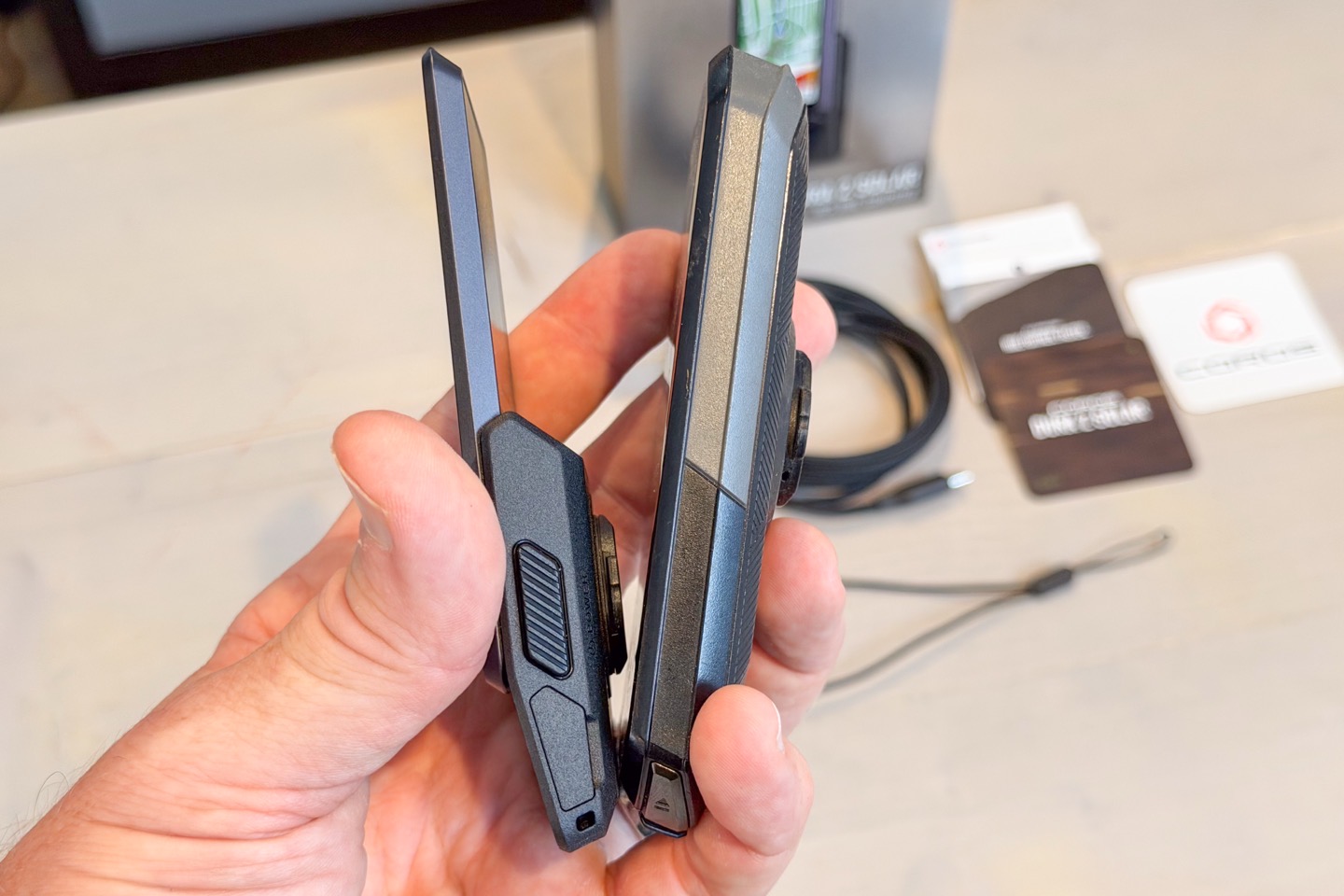
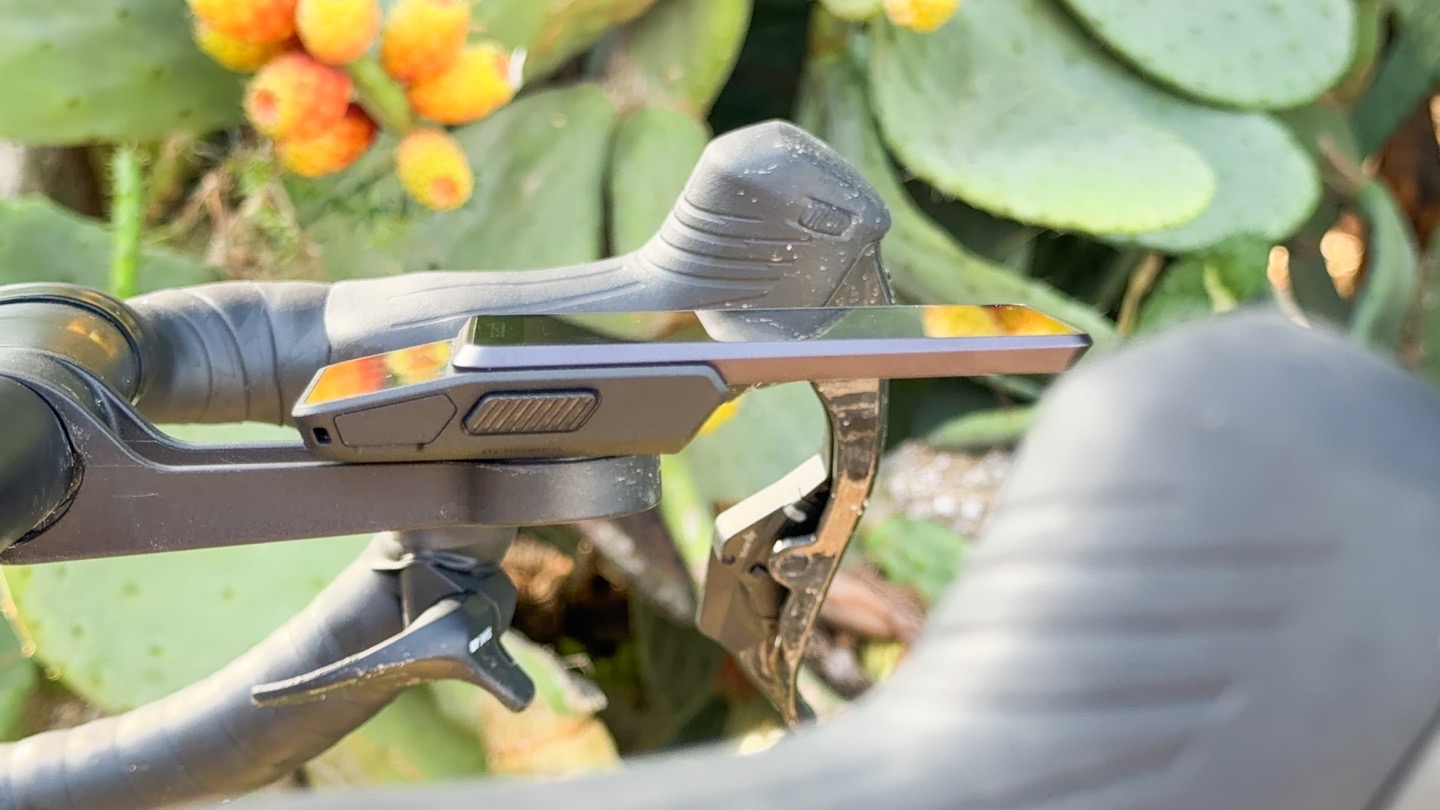
Control schemes have also undergone a major overhaul. The unit features two physical side buttons alongside two pressure-sensitive areas located above the bottom-mounted solar panel. These pressure-sensitive buttons function as up/down menu navigators and page flippers during rides. Crucially, because they rely on pressure detection rather than capacitive touch, they remain fully functional when operated in heavy rain or while wearing thick cycling gloves.
However, the in-box contents have drawn criticism from reviewers and consumers alike. The Dura 2 ships with zero mounting hardware—not even basic rubber bands or plastic handlebar mounts that typically cost pennies to produce. Users must source quarter-turn mounts separately, a departure from industry standards where foundational hardware is included in the purchase price.
Feature Additions and Functional Realities
The feature list for the Dura 2 is extensive, incorporating capabilities previously absent from the original Dura model. Additions include a built-in speaker, a digital bike bell, turn-by-turn voice prompts, a microphone for voice control, voice pin saving, manual lap cancellation, power curve charts, tire pressure sensor support, and a dedicated media control page for managing smartphone audio playback.
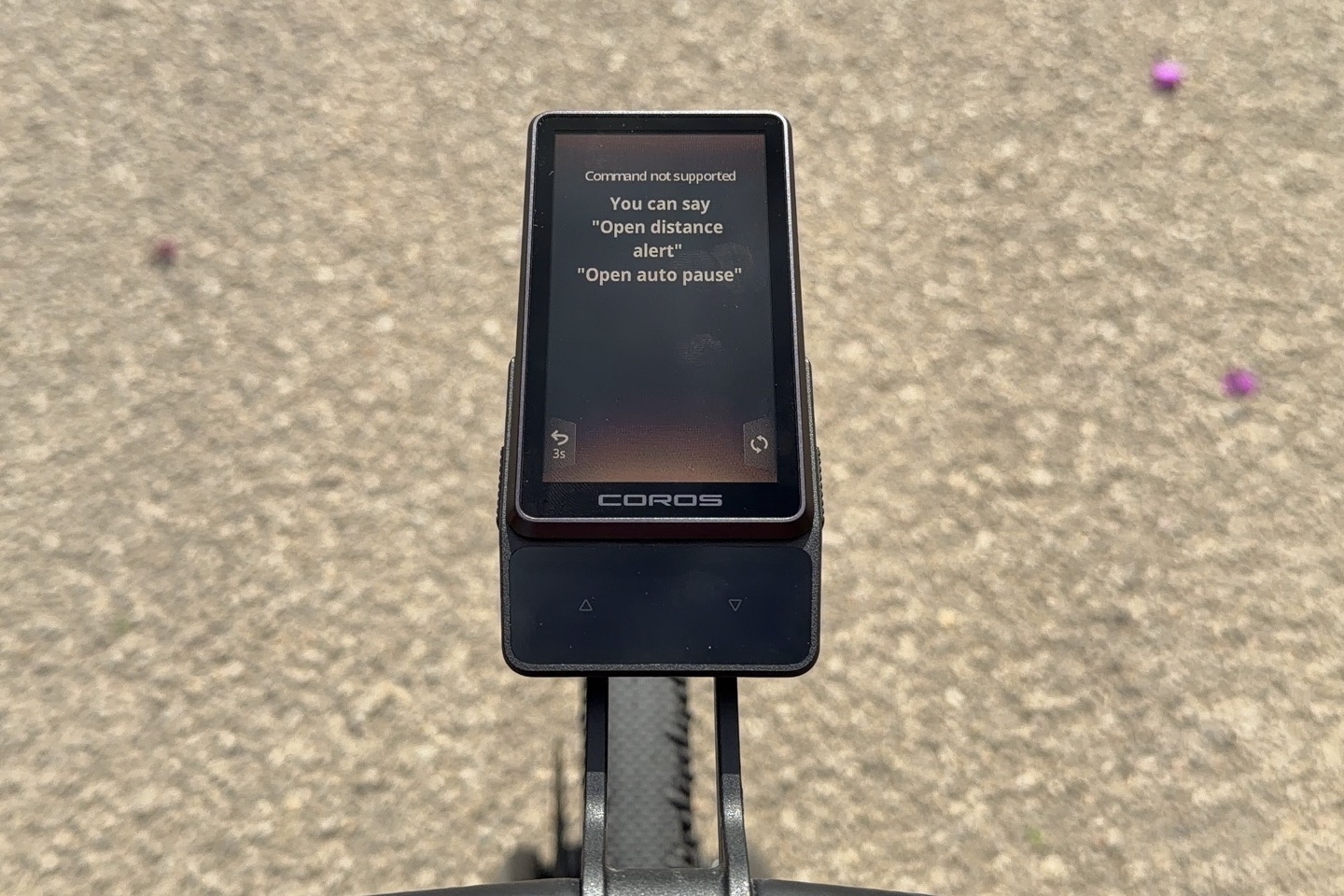
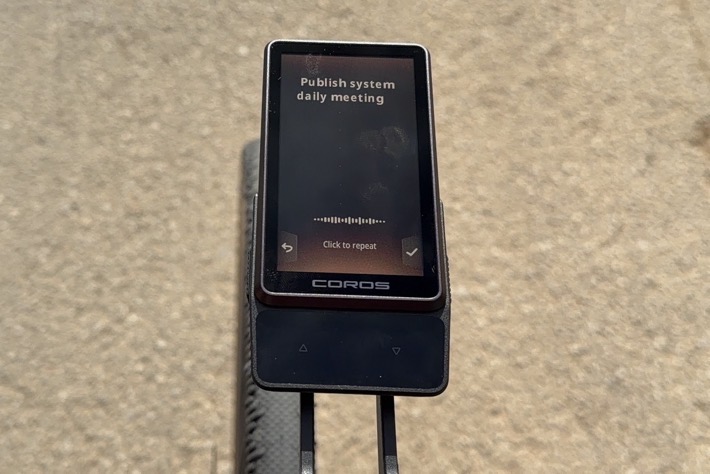
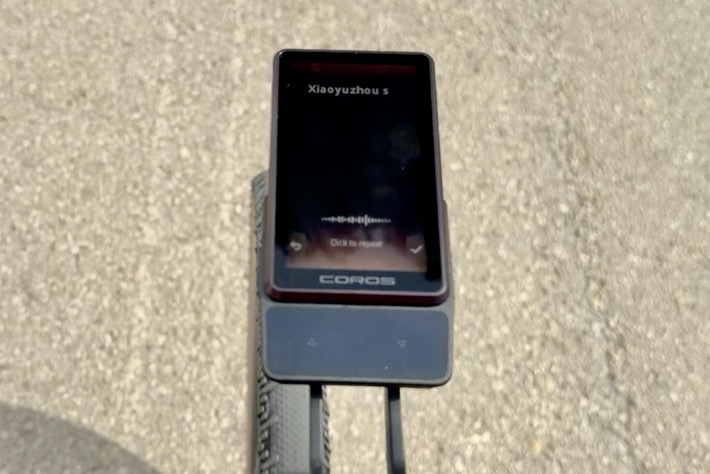
Despite these additions, testing of specific features has highlighted significant performance gaps. The voice control feature, activated by holding the lower left side button, struggles significantly in real-world conditions. Wind noise generated at speeds as low as 15 to 20 kilometers per hour frequently impairs voice recognition, rendering the feature largely impractical while actively riding.
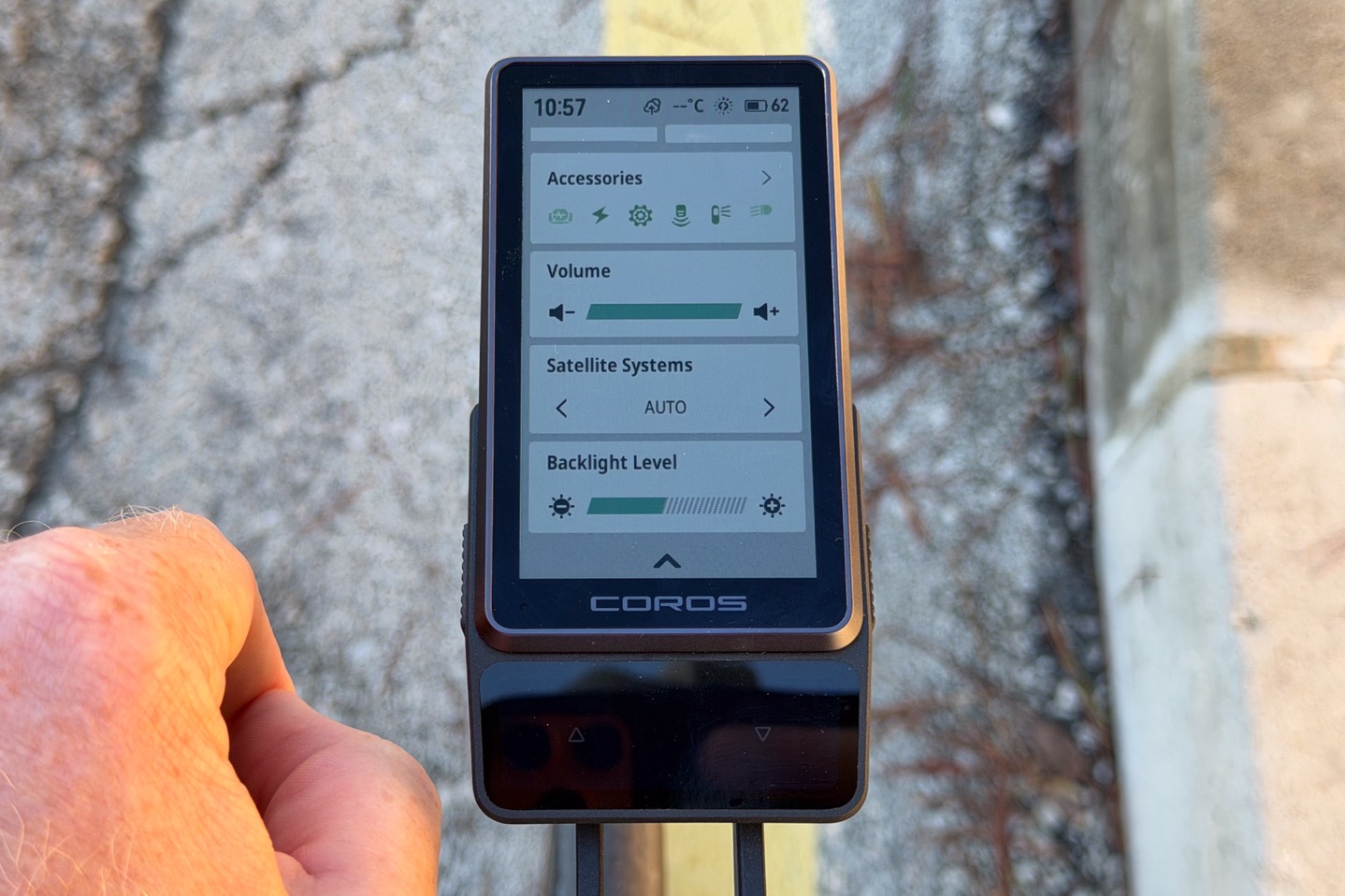
Similarly, the electronic bike bell—triggered by a double-tap on the screen—produces a pleasant tone but lacks the acoustic penetration of competitor devices. At maximum volume, the sound fails to travel effectively in noisy environments, and the unit currently lacks integration with electronic shifting buttons (such as SRAM or Shimano auxiliary switches) to allow remote actuation from the handlebars.
Navigation and Mapping Performance
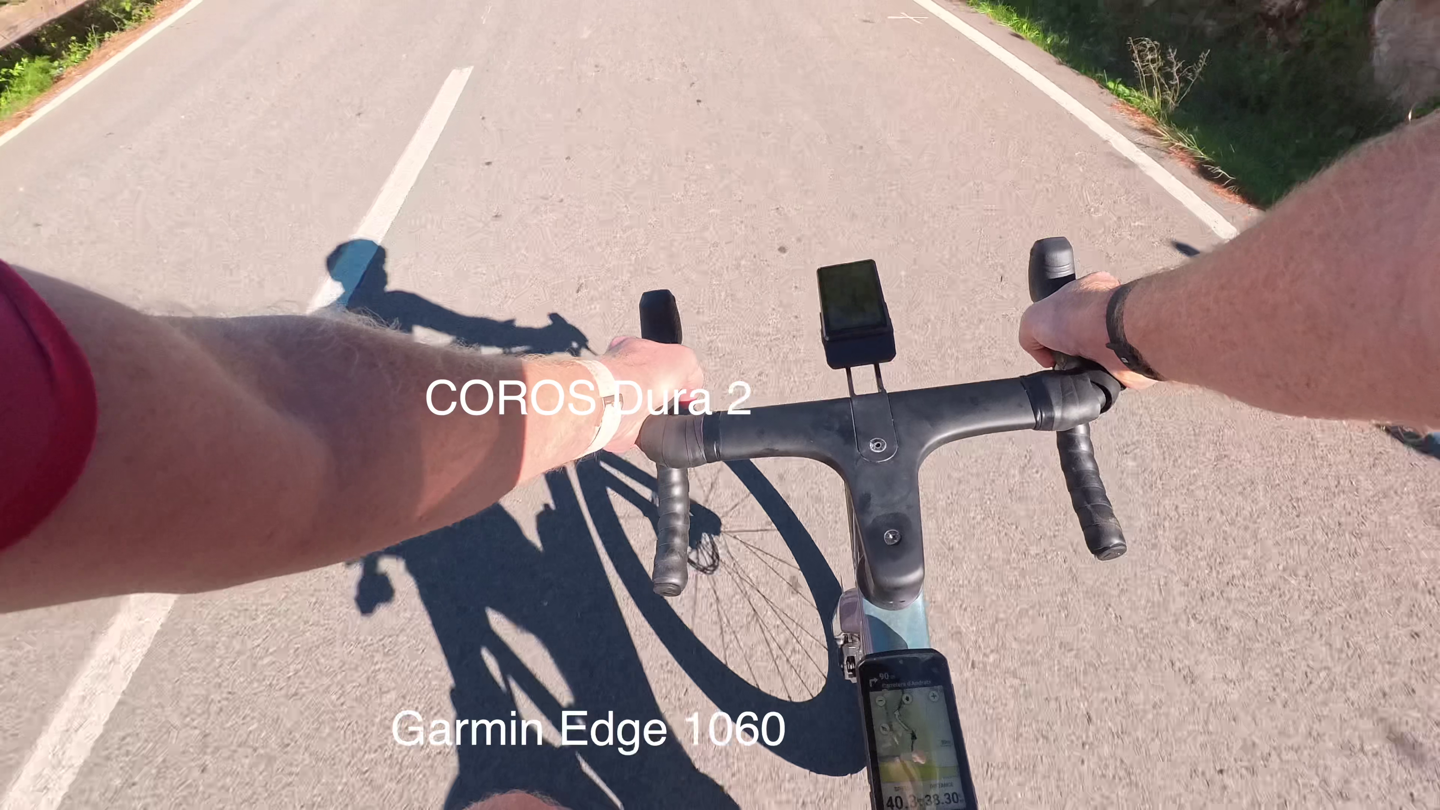
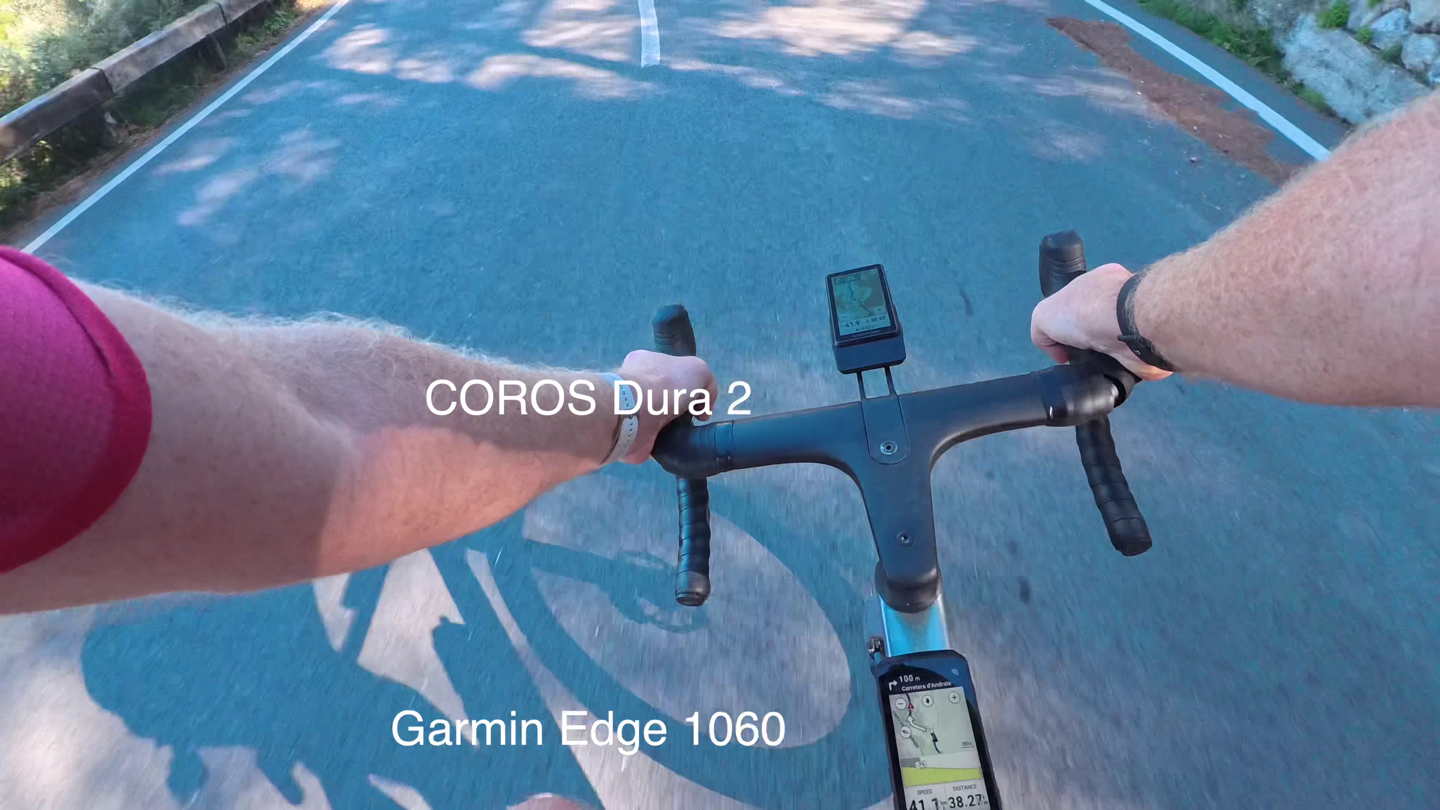
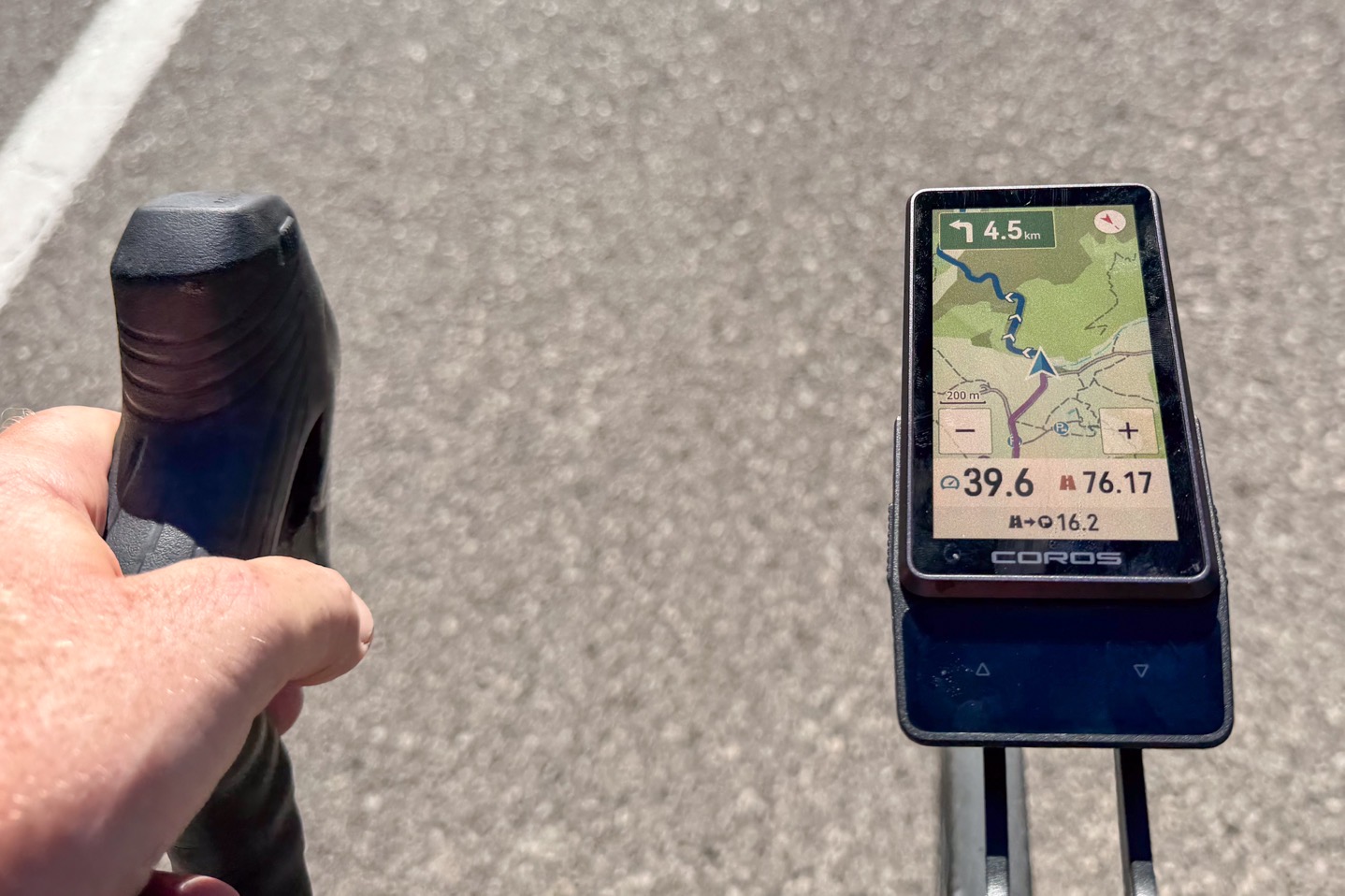
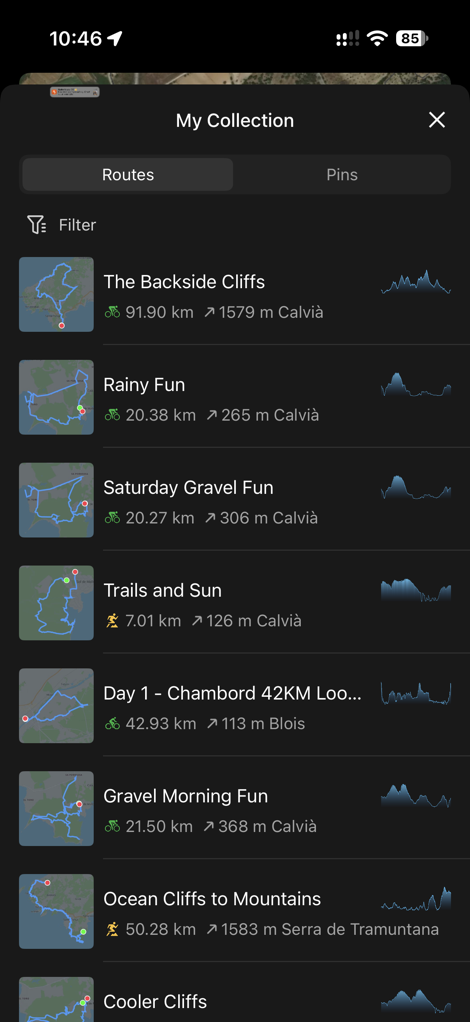
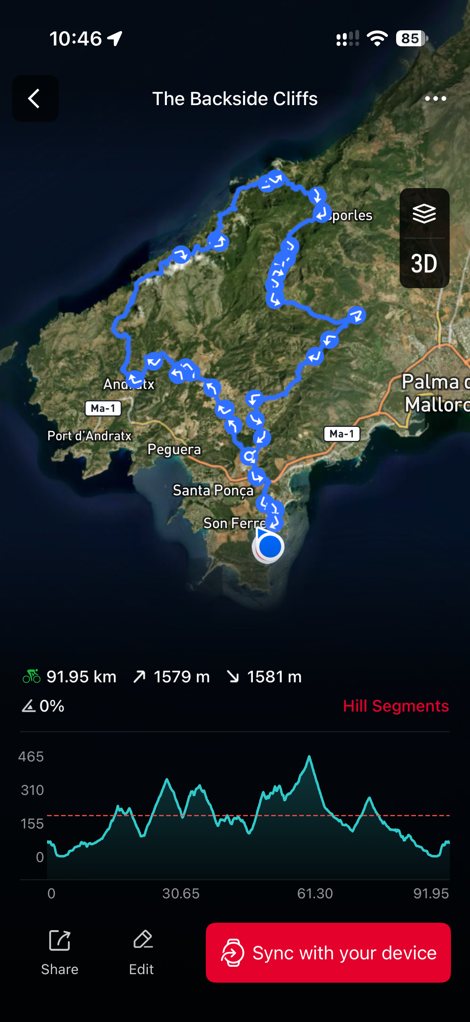
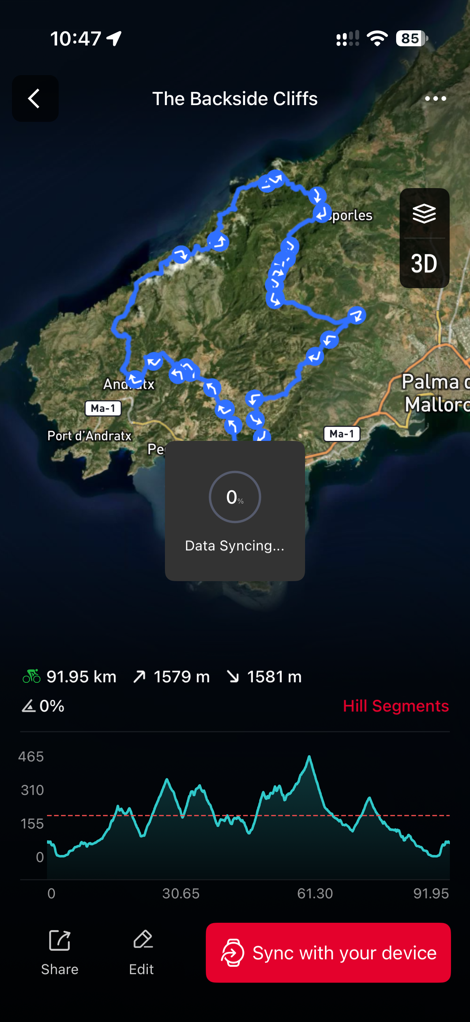
Navigation on the COROS Dura 2 supports pre-planned routes synced via third-party platforms like Strava, alongside on-demand routing when connected to a smartphone. The mapping interface provides clear visual layouts on sunny days, and turn prompts generally issue accurate warnings roughly 100 meters prior to a junction.
Nevertheless, re-routing functionality remains a persistent weakness. While the device can execute minor corrections when a rider misses an immediate turn, more complex detours frequently yield erratic results. In certain instances during testing, the routing algorithm suggested impassable pedestrian trails and steep coastal rock formations unsuitable for cycling. Furthermore, offline re-routing heavily depends on an active Bluetooth connection to the companion smartphone, occasionally resulting in loops or failures when connectivity falters.
Battery Life and Solar Performance
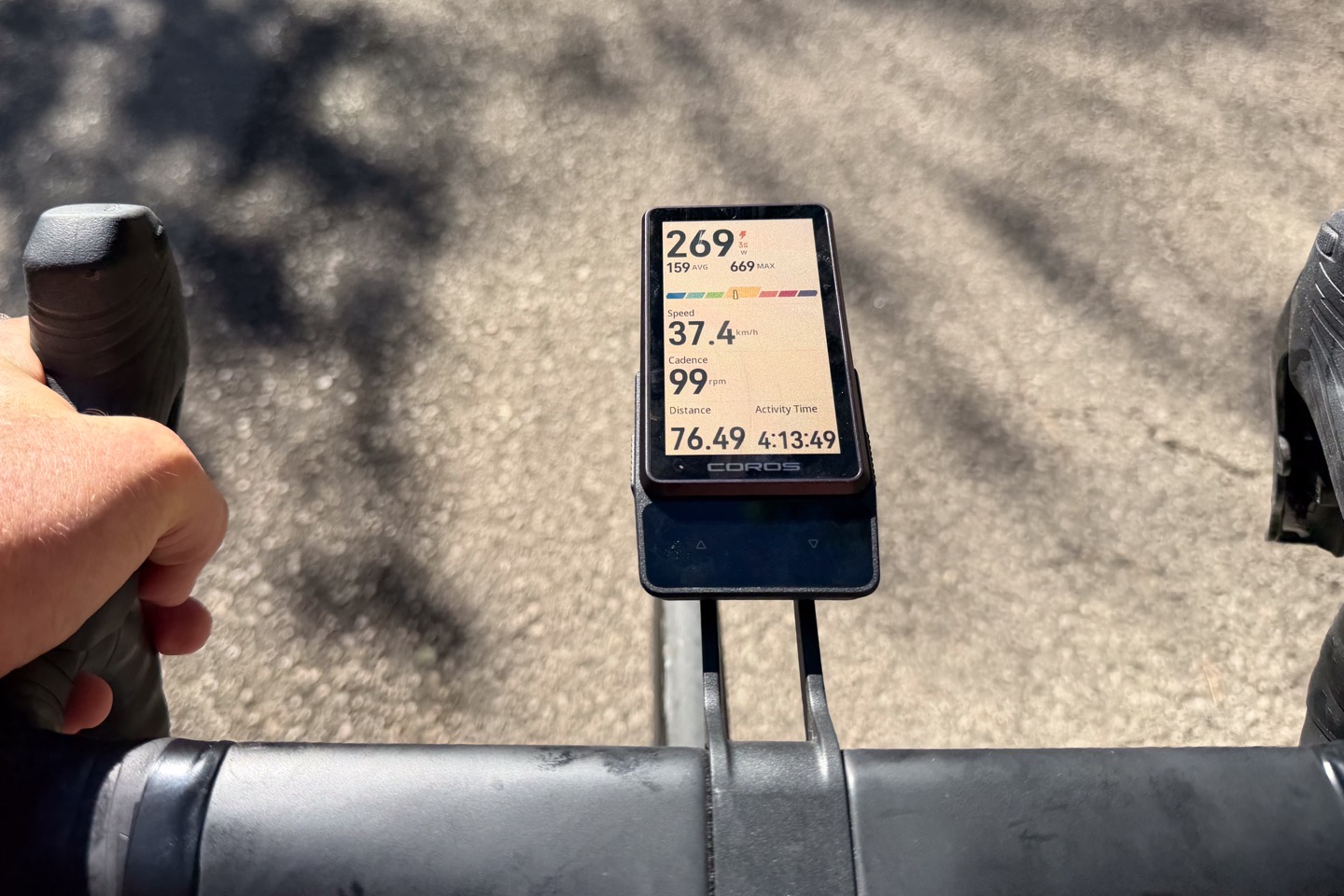
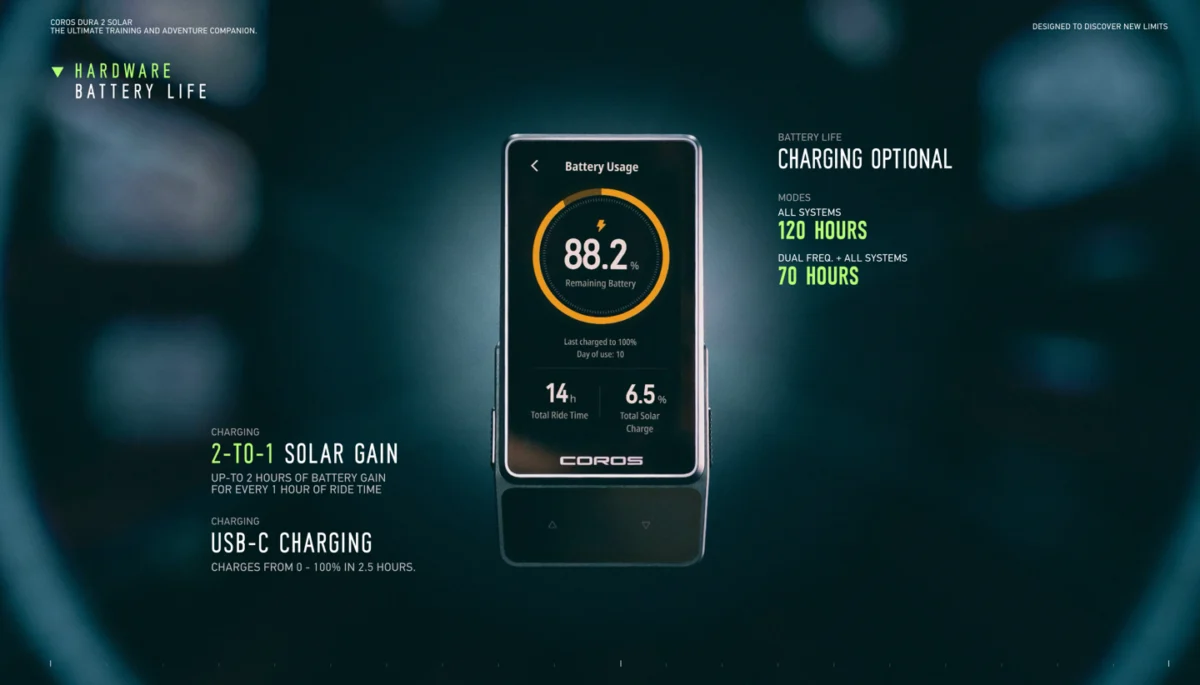
Battery efficiency remains one of the strongest attributes of the COROS Dura 2, though real-world results vary depending on weather conditions and display usage. COROS claims up to 120 hours of battery life under optimal conditions, excluding solar contributions.
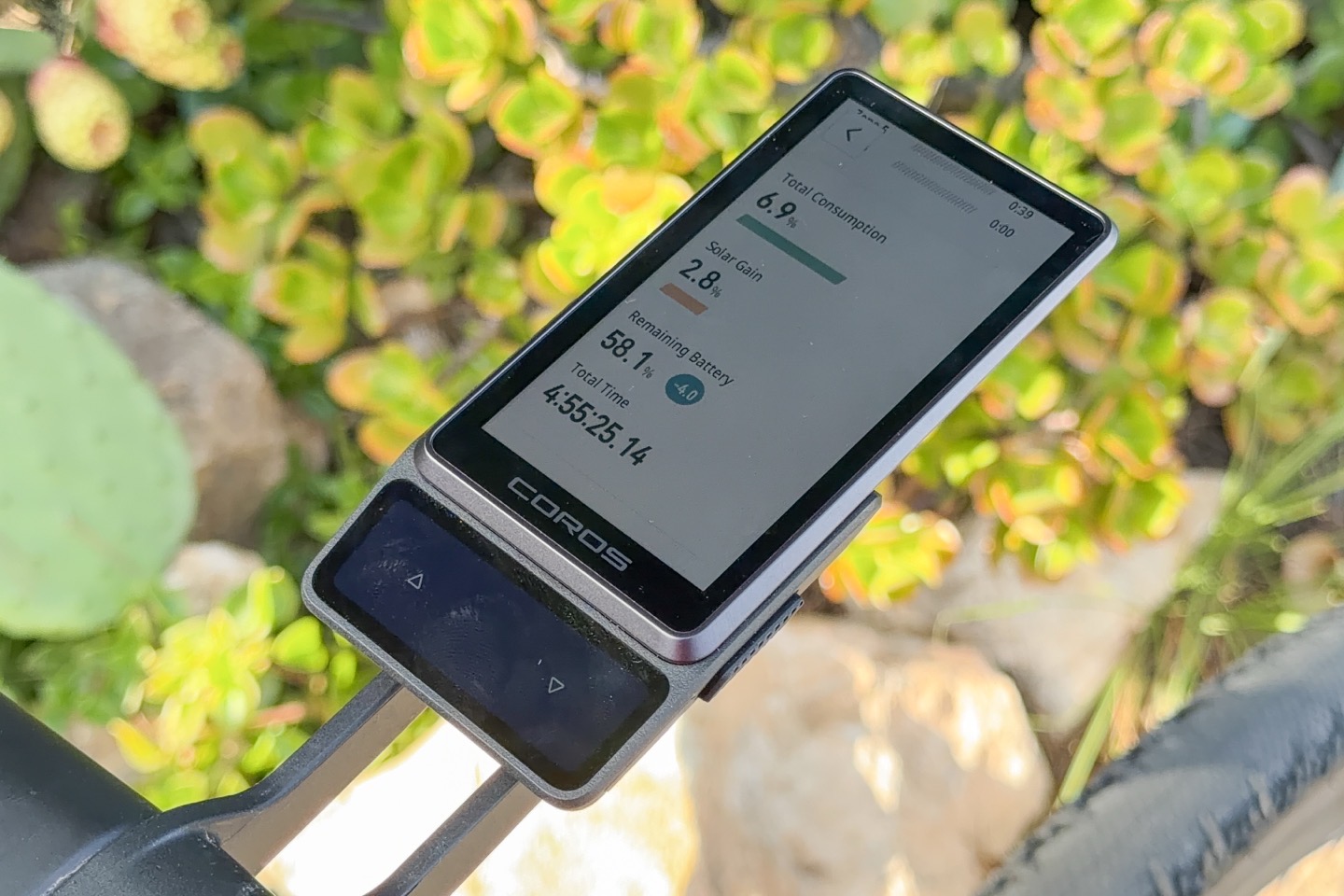
System software automatically tracks power consumption and solar gains, displaying metrics both in the system menu and in post-ride summaries. Under bright Mediterranean blue-sky conditions, solar recovery can offset power consumption by roughly 0.5% per hour. Conversely, under overcast skies, heavy rain, or night conditions where solar panels remain inactive, battery depletion accelerates significantly.
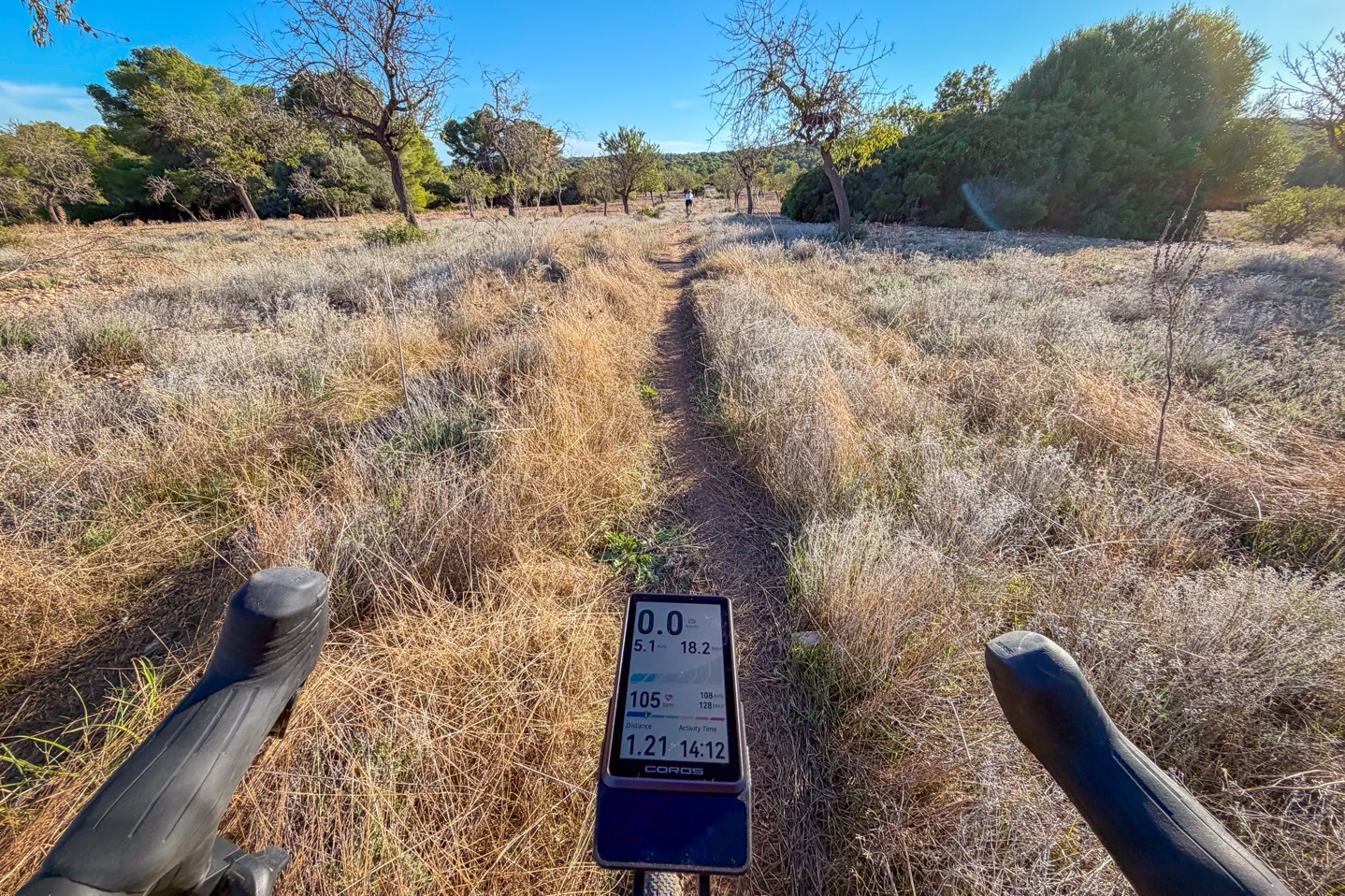
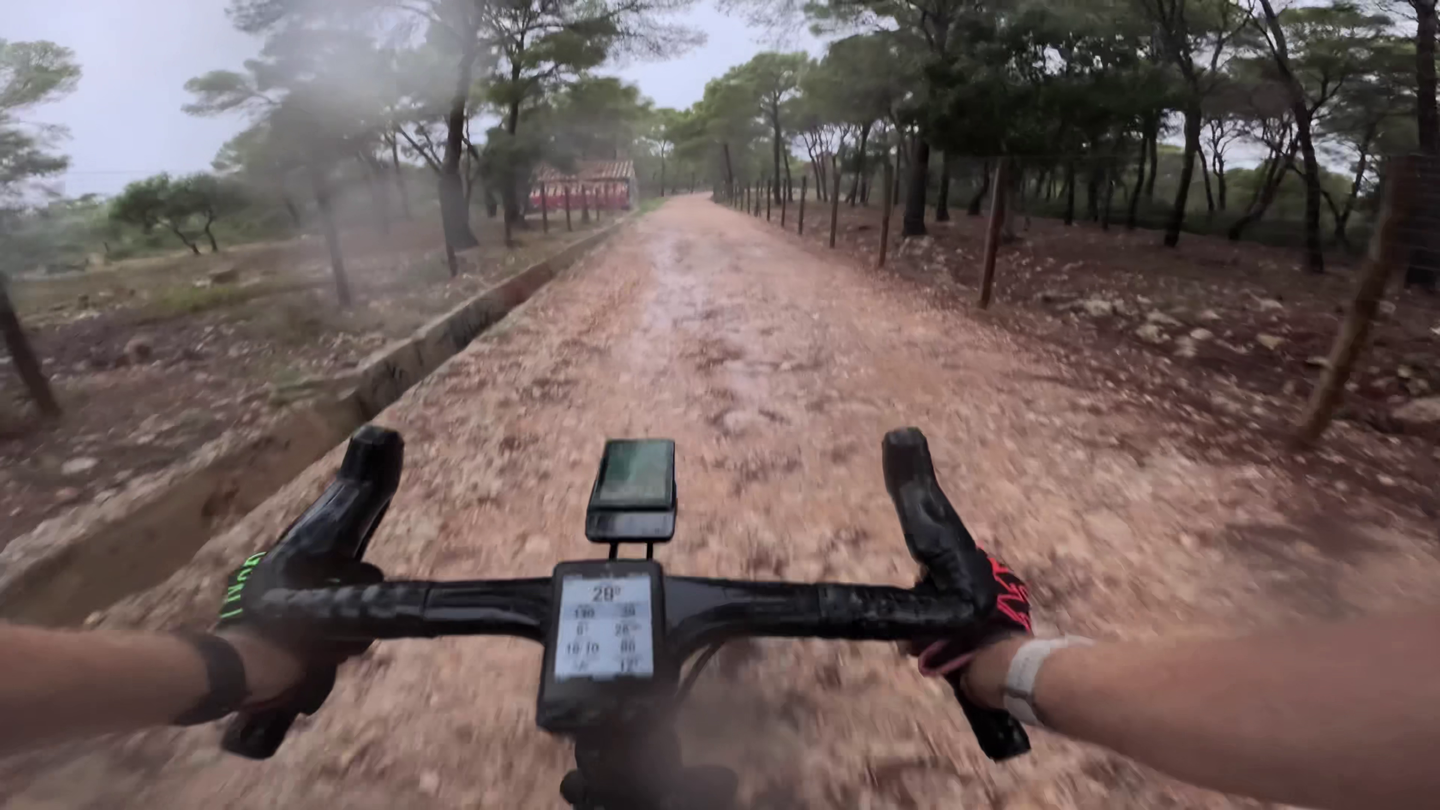
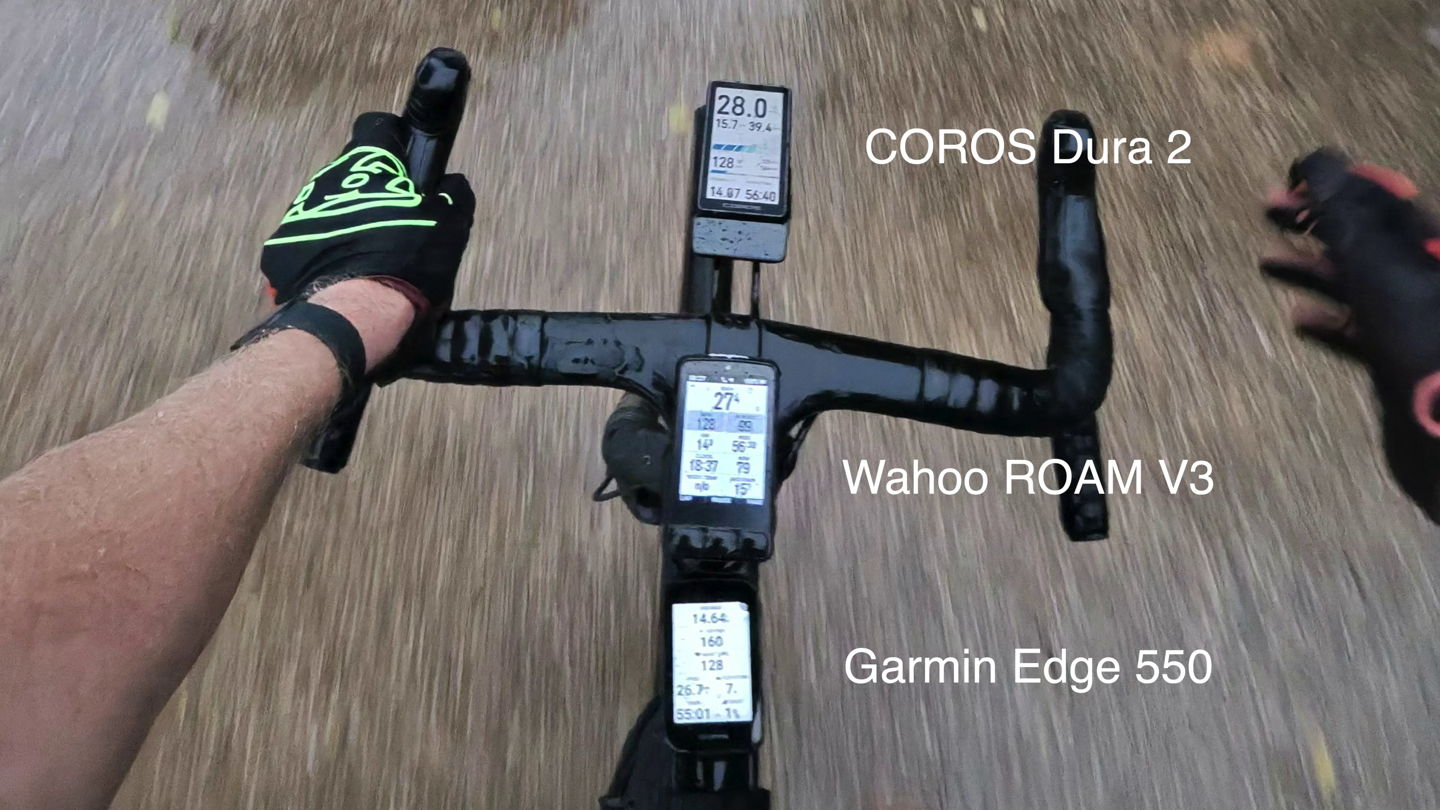
Data comparisons indicate a fundamental trade-off: COROS achieves exceptional battery longevity by utilizing a less illuminated display panel compared to backlit alternatives from Garmin and Wahoo. While the screen remains readable under direct sunlight, it appears comparatively dim when transitioning rapidly in and out of shaded tree cover or when viewed from angles obscured by the rider’s body.
Sensor Integration and Accuracy
Sensor pairing supports both ANT+ and Bluetooth protocols across heart rate monitors, power meters, radar systems, smart lights, e-bikes, and electronic drivetrains. However, testing revealed intermittent ANT+ sensor dropouts when simultaneously paired with Bluetooth peripherals, suggesting firmware-level handshake issues that require refinement.
In terms of positional accuracy, the device performs reliably. GPS tracking matches competitor traces through complex mountain switchbacks and open-road segments. Barometric altimeter data similarly aligns closely with established reference devices following a brief stabilization period during the initial minutes of operation.
Software Stability and Launch Bugs
Industry observers have noted a recurring pattern of premature product rollouts across the consumer technology sector, and the COROS Dura 2 launch has faced similar scrutiny. Despite a late firmware update issued immediately prior to commercial release, multiple operational bugs remain documented:
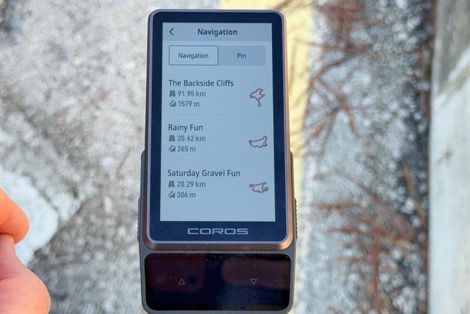
- Voice control recognition failure under normal riding speeds.
- Intermittent ANT+ sensor and smartphone connection dropouts.
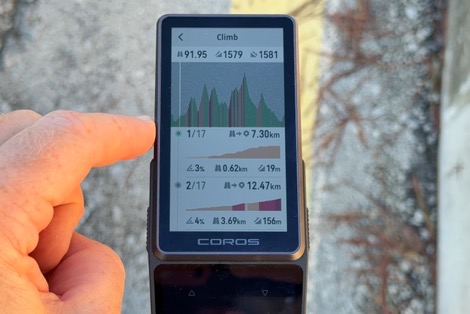
- Inaccurate climb metrics displaying distance to the start of a climb rather than remaining ascent or distance.
- Unreliable re-routing paths suggesting non-cyclable terrain.
- Complete absence of Strava Live Segment triggers on standard routes.
Market Implications and Outlook
The release of the COROS Dura 2 at a price point of $549 positions the brand directly against premium ecosystem offerings from Garmin and Wahoo. While COROS retains a dedicated user base drawn to exceptional battery efficiency, the current software instability and lack of foundational accessories risk alienating consumers expecting a polished flagship experience. Fact-based analysis suggests that while hardware craftsmanship and solar integration show promise, software maturity must improve rapidly through subsequent firmware updates to justify the premium valuation.