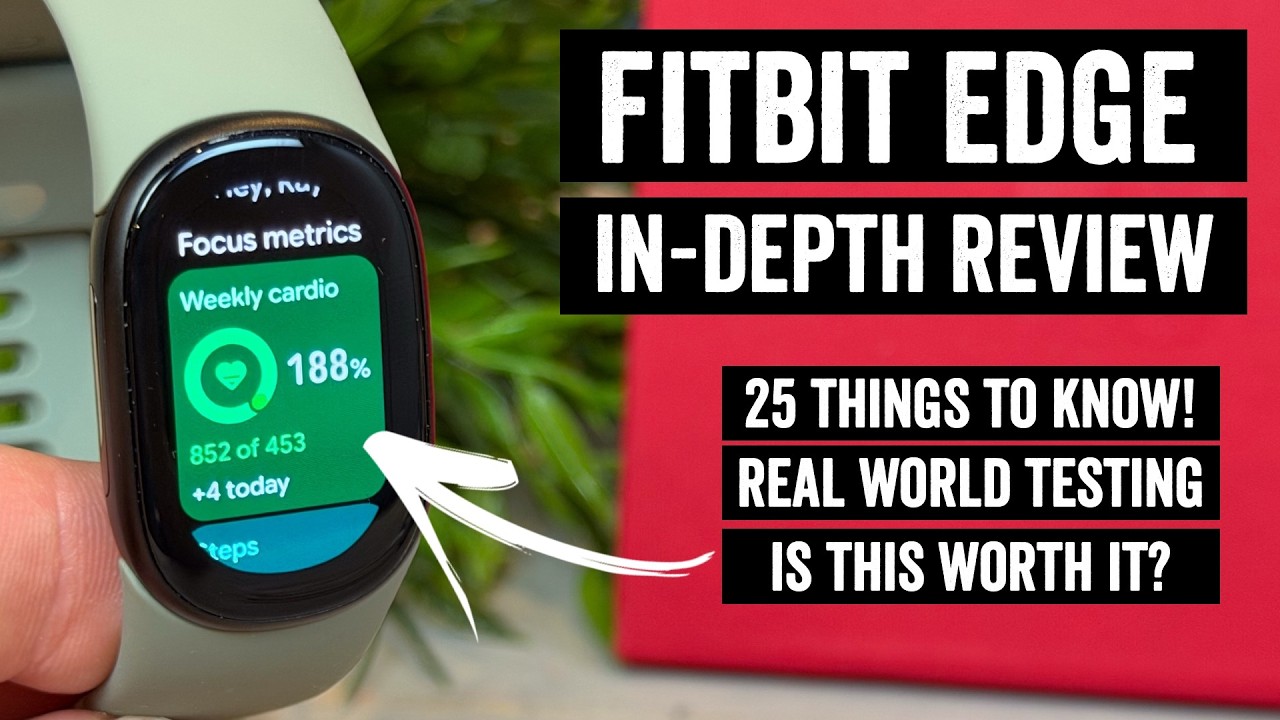
The evolution of fitness tracking technology has reached a new milestone with the release of the Fitbit Edge, a device that effectively serves as the spiritual successor to the immensely popular Fitbit Charge 6 while incorporating design elements and software philosophy from Google’s high-end Pixel Watch series. Positioned at a retail price point of $179—with a specialized Stephen Curry edition priced at $219—the Edge aims to capture the mainstream wellness market by balancing advanced health monitoring, extended battery endurance, and a refined aesthetic. However, its arrival also highlights strategic shifts within Google’s hardware ecosystem, raising questions about feature segmentation and software maturity in the competitive wearable market.
Background Context and Product Positioning
For years, the Fitbit Charge series occupied a dominant position in the fitness tracker segment, bridging the gap between basic step counters and full-fledged smartwatches. When Google acquired Fitbit, industry analysts anticipated a convergence of Google’s software ecosystem with Fitbit’s hardware expertise. The Fitbit Edge represents the culmination of that integration strategy.
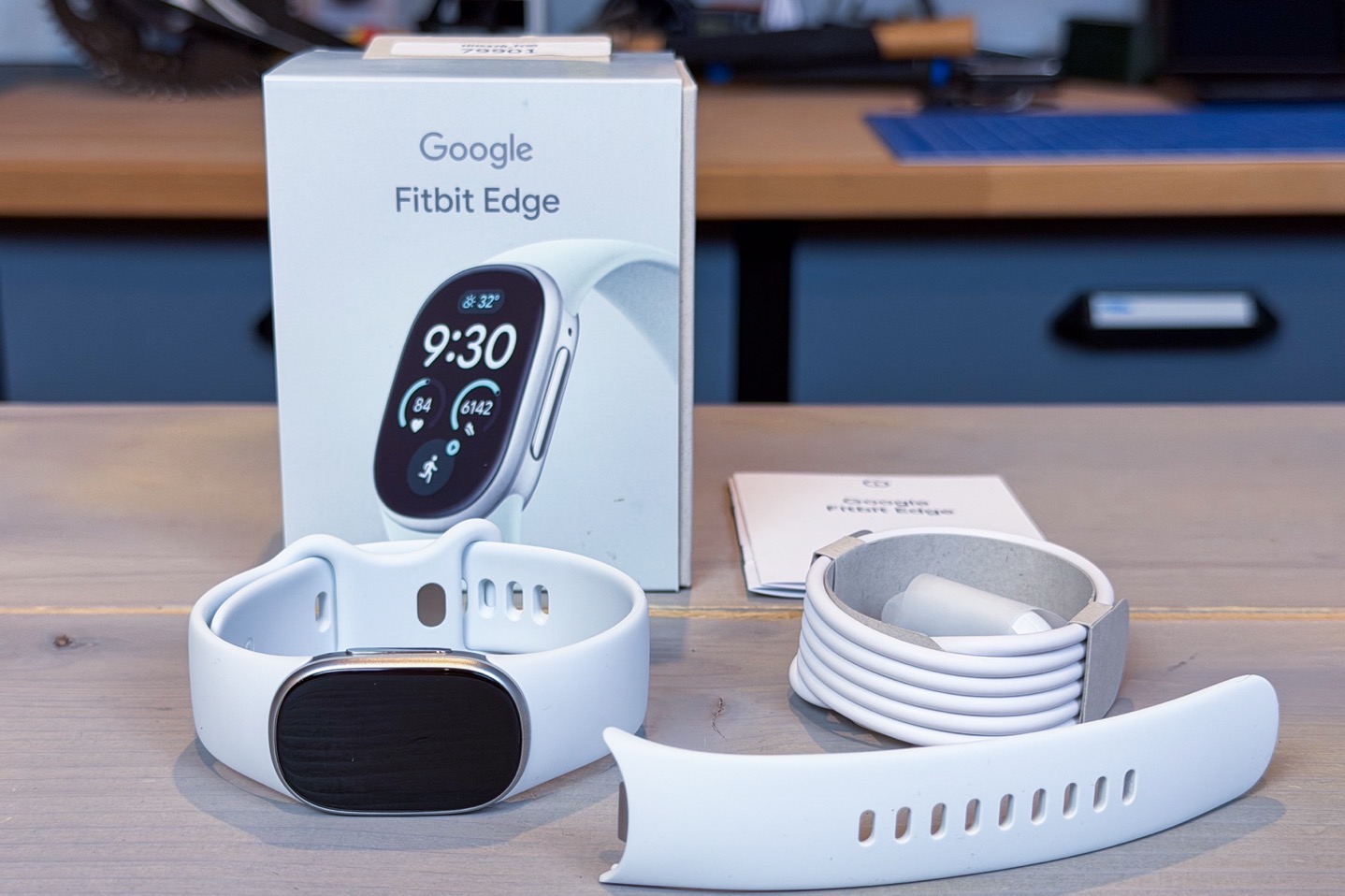
By stepping away from the "Charge" moniker, Google is deliberately signaling a fresh start, merging the lightweight, fitness-first ergonomics of traditional trackers with the modern user interface paradigms seen on the Pixel Watch 5 and the screenless Fitbit Air. Yet, this transition has not been entirely seamless. While the device inherits sophisticated metrics and a significantly larger display, it also sheds certain legacy features—most notably Google Pay (NFC contactless payments)—which may alienate specific user demographics, particularly within the iOS ecosystem where Google’s higher-end smartwatches lack full compatibility.
Hardware Redesign and Specifications
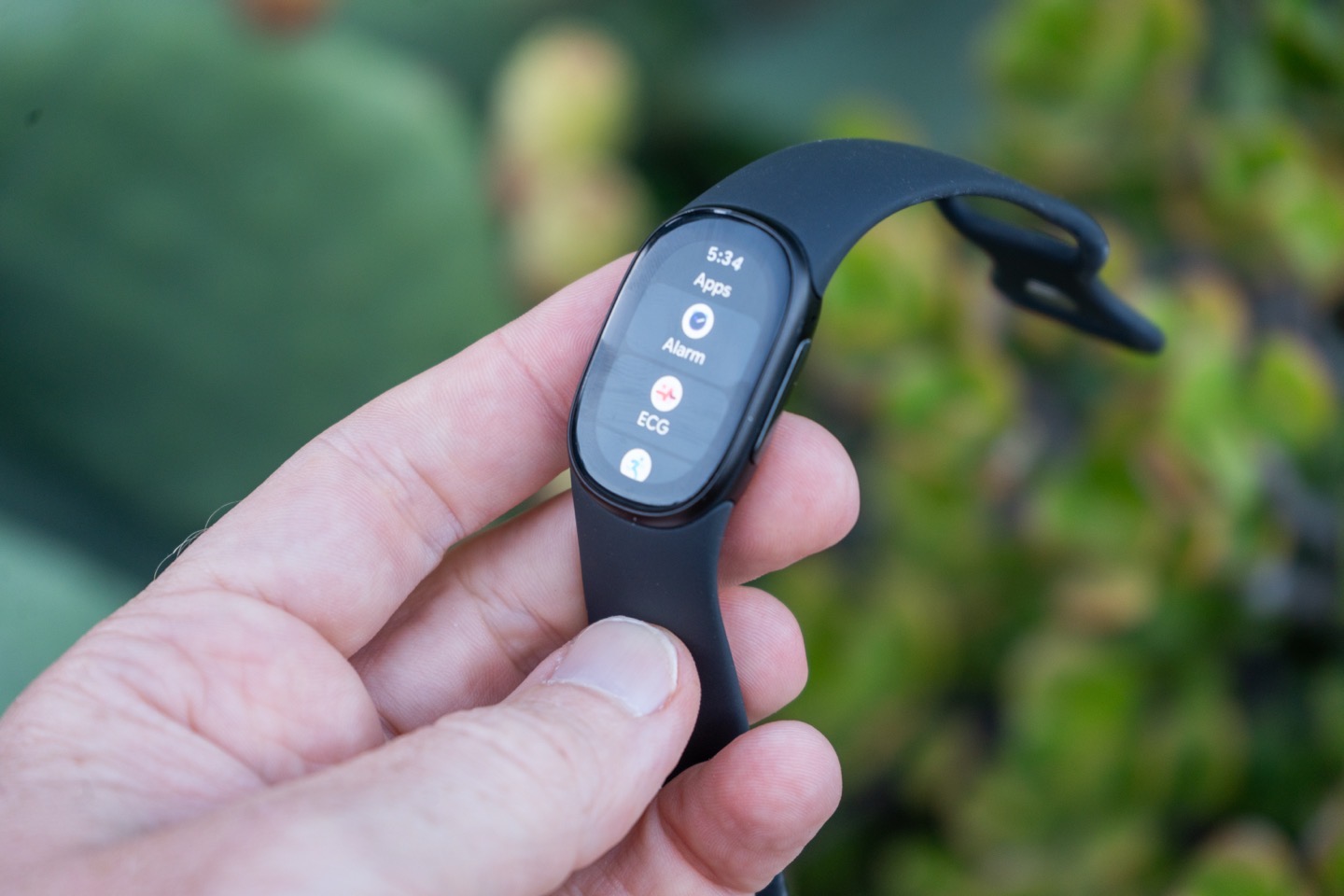
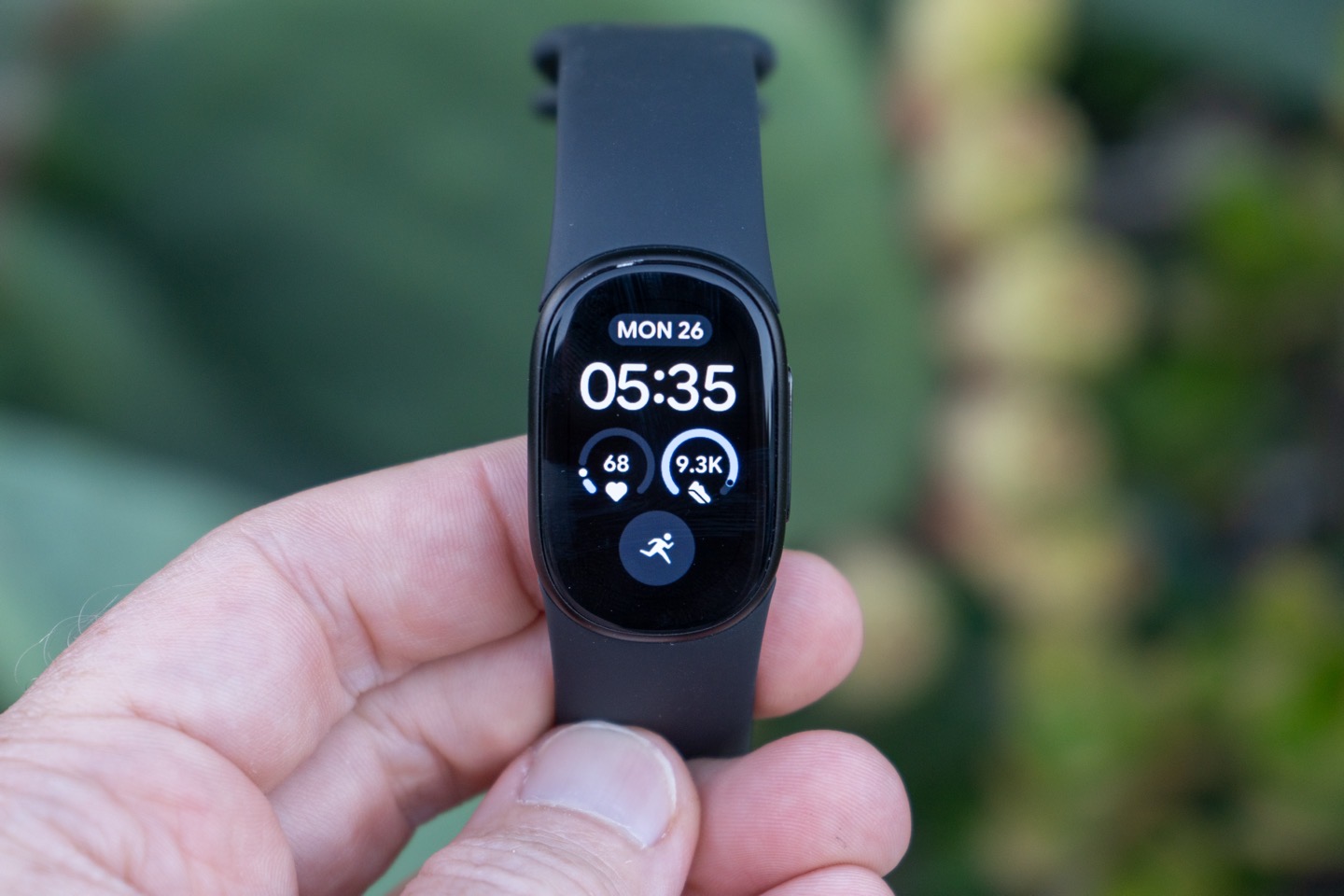
The Fitbit Edge introduces substantial physical and internal upgrades compared to its 2023 predecessor, the Charge 6. Built around a 100% recycled aluminum case with an 11.5mm thickness, the device features a 1.34-inch AMOLED display that represents a 46% increase in screen estate over the previous generation.
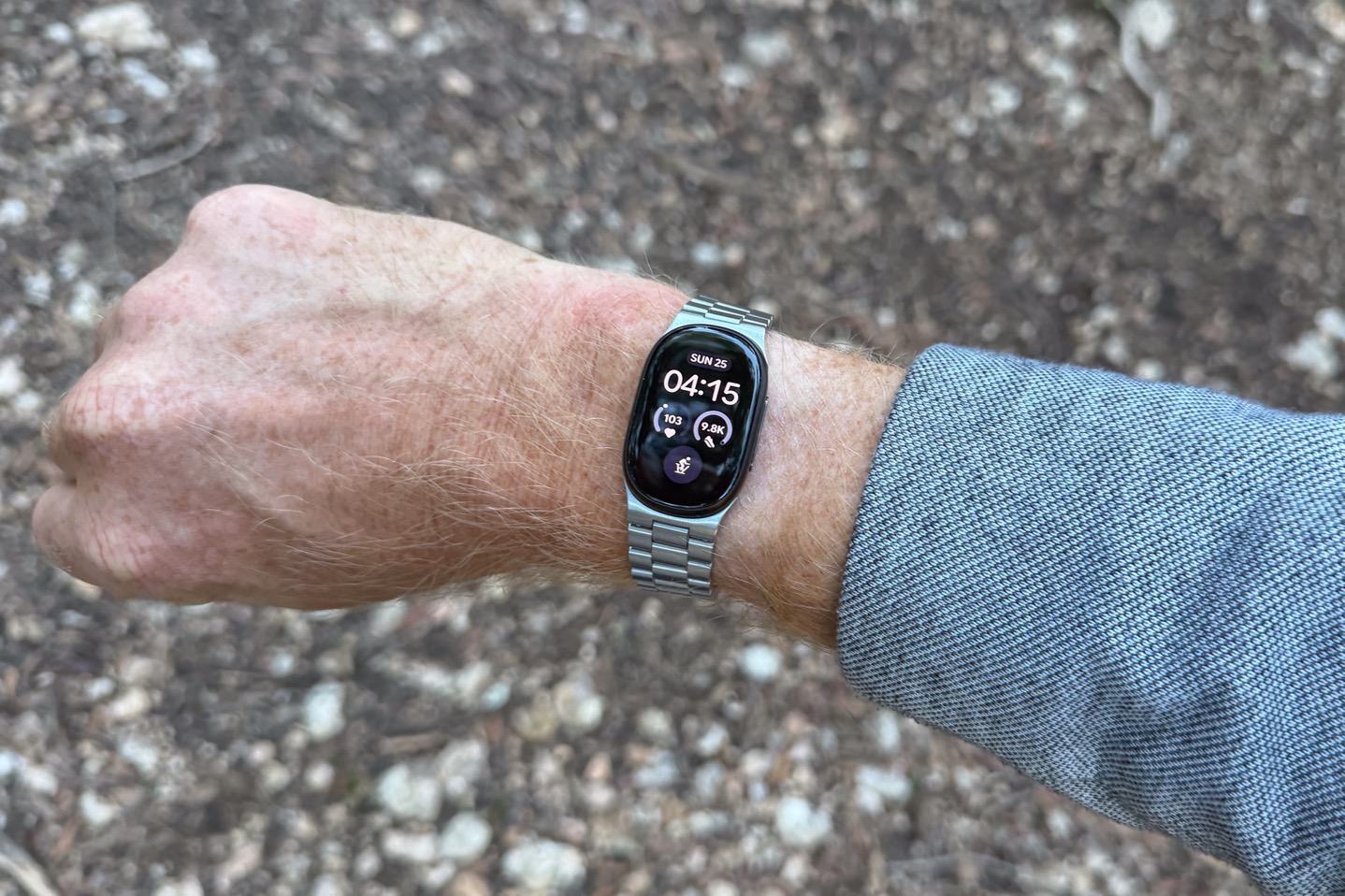
Crucially, Google has responded to user feedback by replacing the touch-sensitive indentation of the Charge 6 with a tactile, physical side button that provides definitive click feedback when navigating the updated user interface. Under the hood, the device is powered by an Ambiq AP5 MCU, paired with Bluetooth 5.4 and an upgraded GPS chipset that supports multi-constellation tracking (GPS and Galileo in the US; GPS, Galileo, GLONASS, BeiDou, and QZSS internationally).
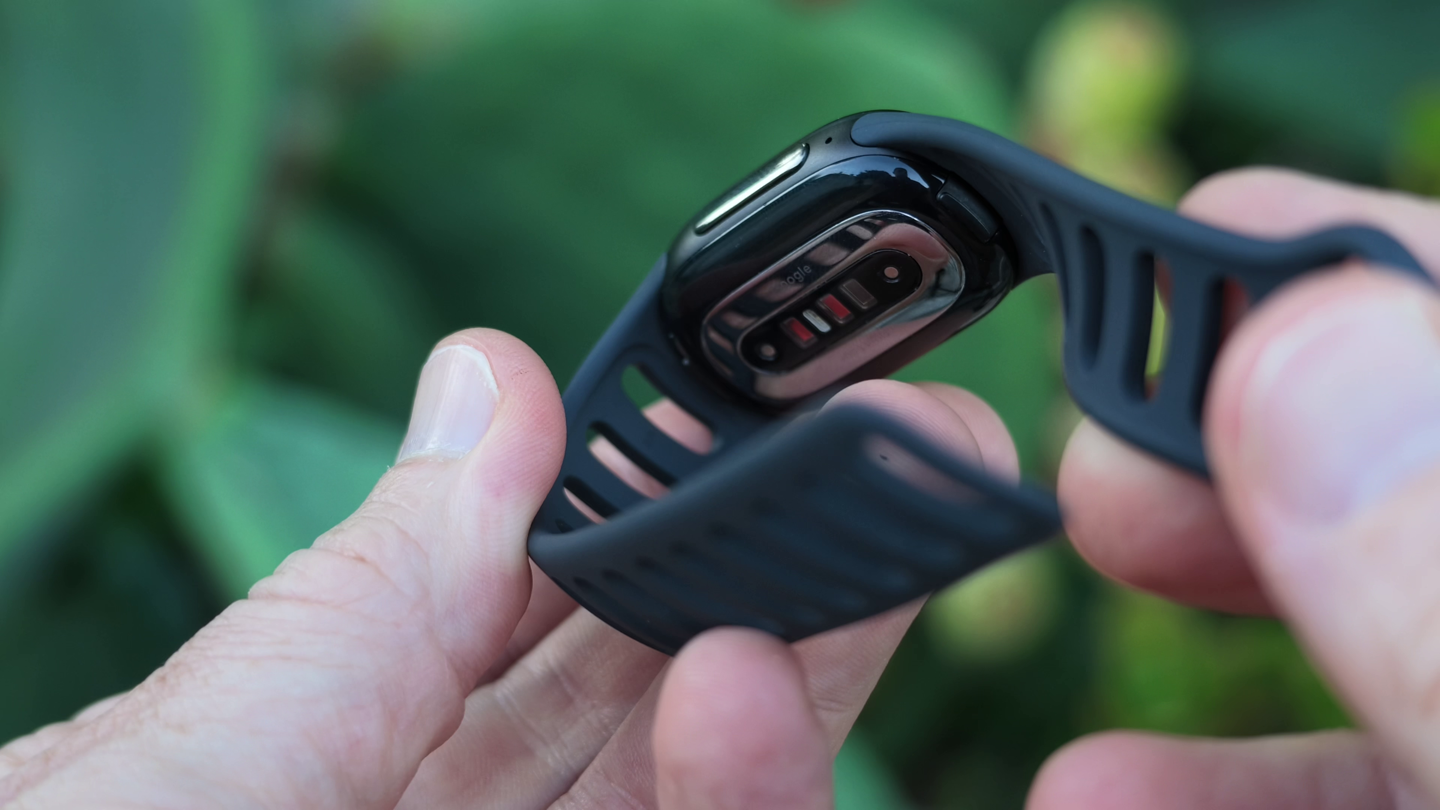
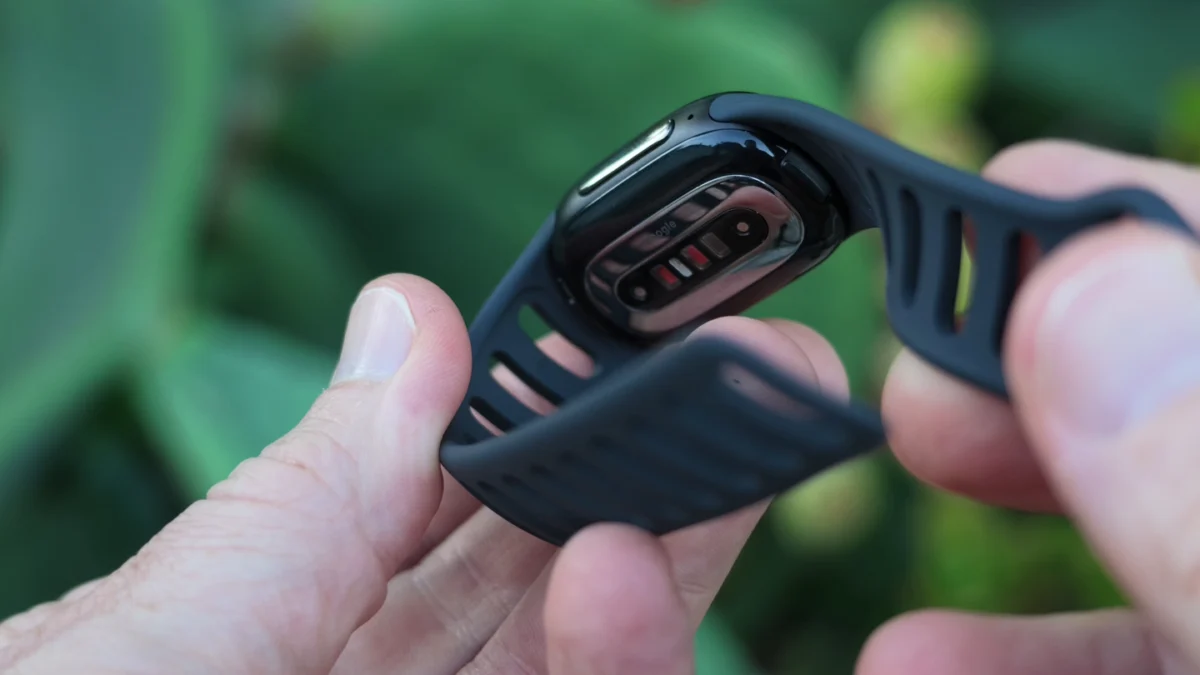
A landmark engineering achievement for the brand is the introduction of a user-replaceable, serviceable battery—a first for any Fitbit-branded product. The device houses a 65mAh battery capable of delivering up to seven days of typical use under gesture-based display settings, though utilizing the always-on display configuration reduces longevity to approximately two days. Furthermore, fast-charging capabilities allow a five-minute charge to yield a full day of battery life, reaching 100% capacity in 90 minutes.
Comprehensive Feature Set and Health Monitoring
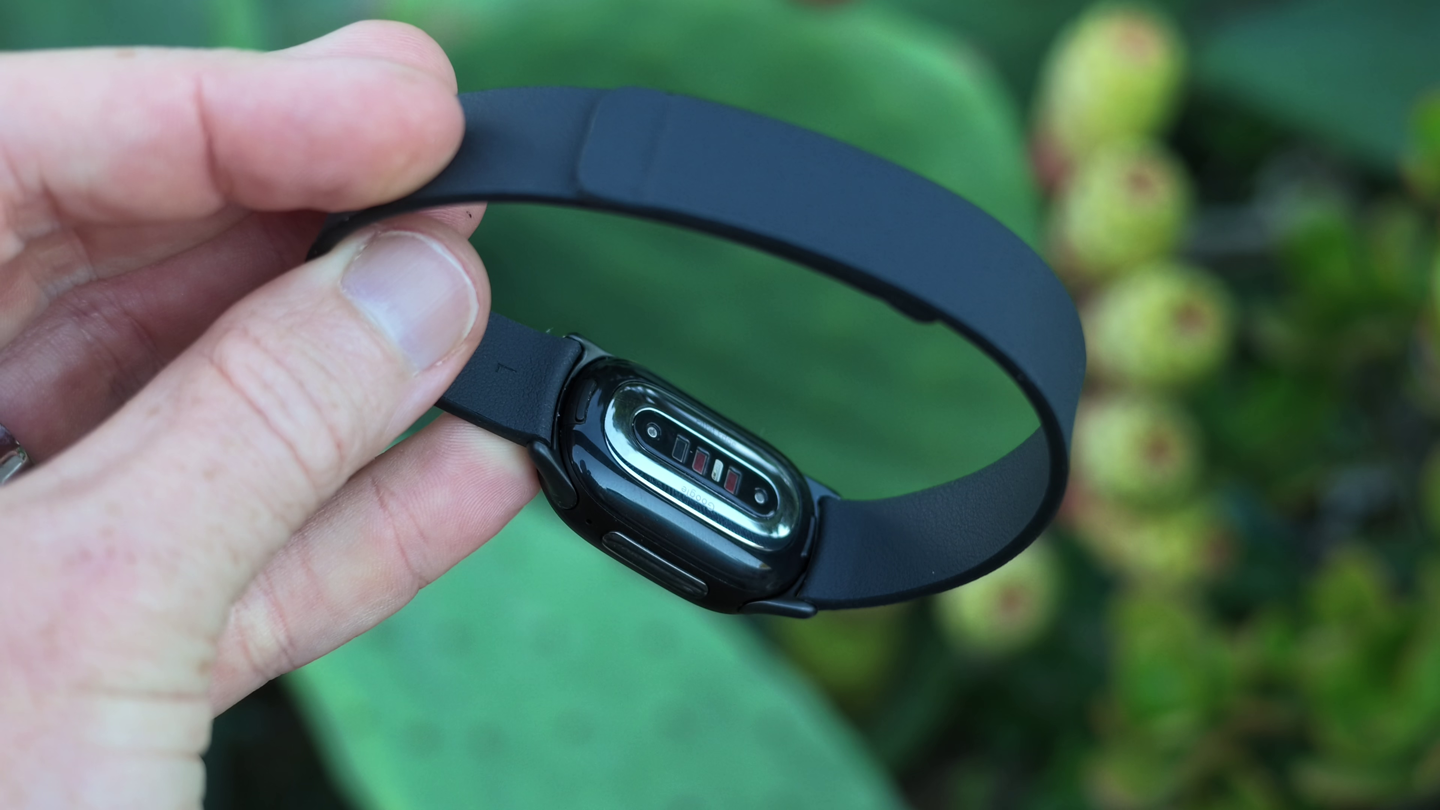
The Fitbit Edge is equipped with an extensive suite of internal sensors, including a barometric altimeter for stair and elevation tracking, an accelerometer, a gyroscope, red and infrared sensors for blood oxygen saturation (SpO2), multipurpose electrical sensors compatible with the FDA- and EU-approved ECG application for background atrial fibrillation detection, a PPG optical heart rate sensor, an ambient light sensor, and a far-field skin temperature sensor.
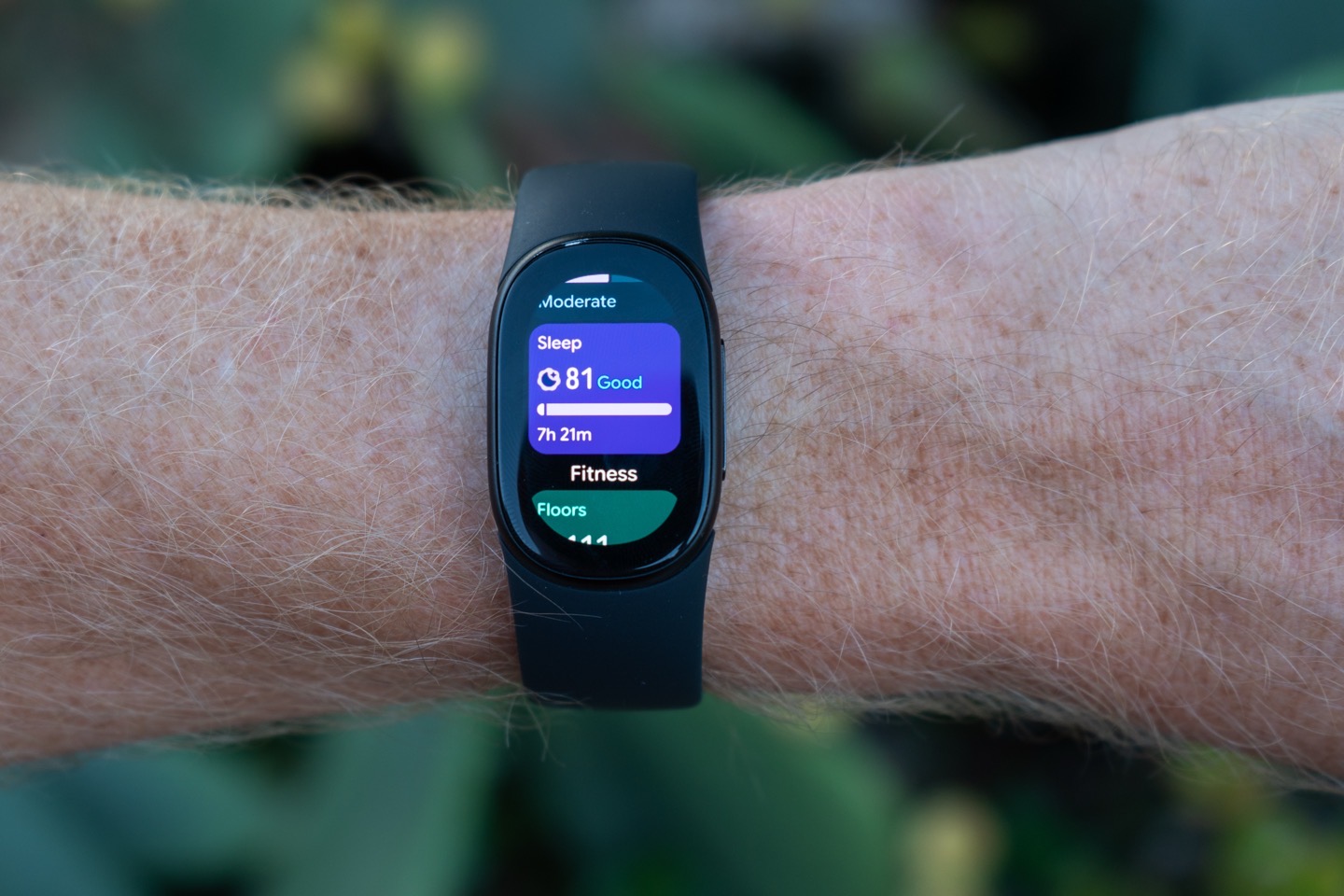
Water-resistant up to 5 atmospheres (50 meters) and possessing an IP68 dust-immersion rating, the device supports continuous heart rate monitoring, high and low heart rate alerts, comprehensive sleep tracking, and Google’s newly introduced Health Guardian features.
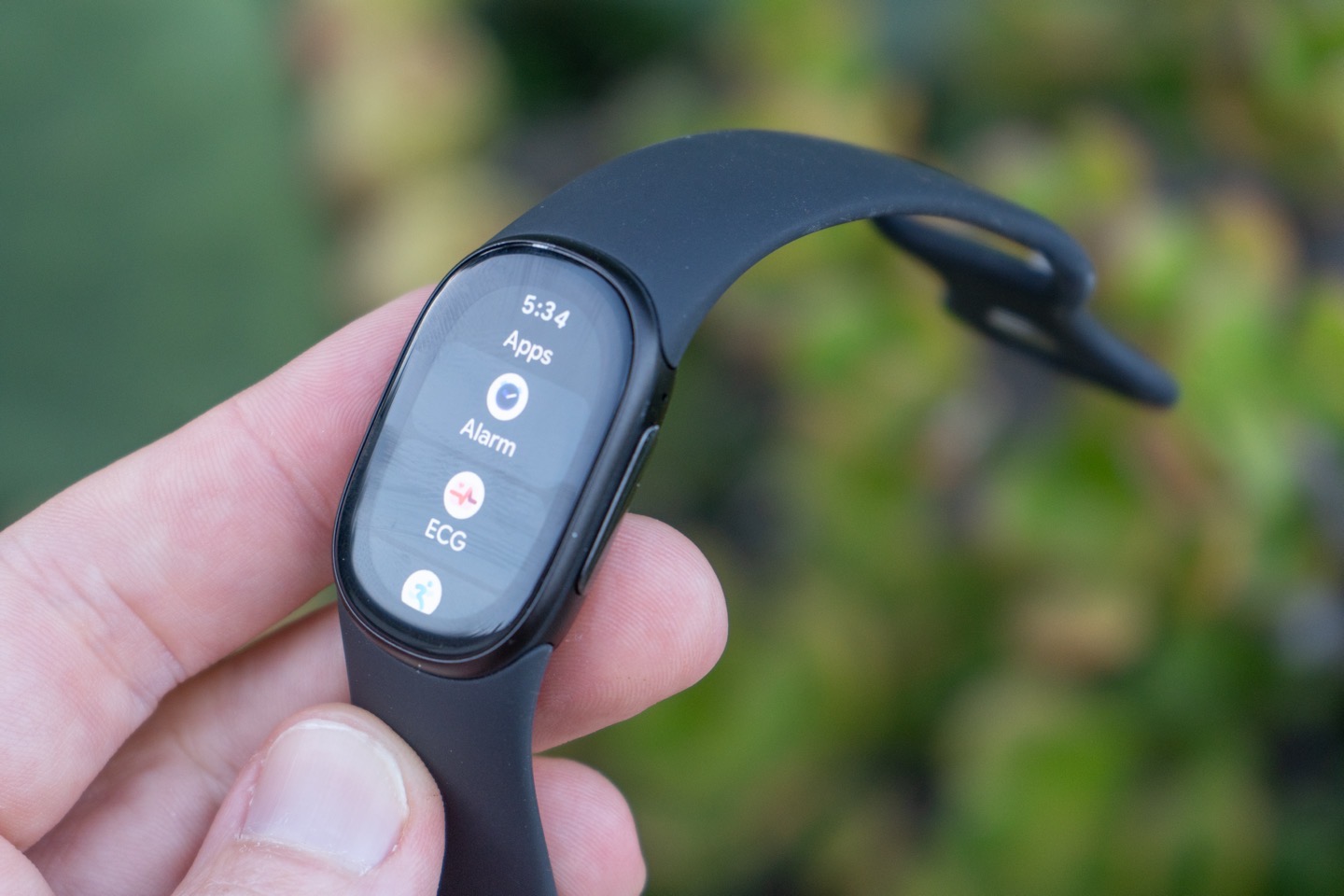
Data synchronization is handled primarily through the newly established Google Health app (succeeding the legacy Fitbit application platform). The platform offers core health and workout metrics free of charge, while descriptive, AI-driven textual analysis and advanced coaching features remain locked behind Google’s Premium subscription tier.
Sports Tracking and Performance Accuracy
Fitness enthusiasts will find a robust array of workout tracking options on the Edge. The device supports over 50 manually selectable sport profiles—ranging from running, cycling, and swimming to niche activities like padel and pickleball—alongside an automated workout detection framework capable of recognizing approximately 100 sports.
The inclusion of structured workout support allows users to execute targeted training sessions, though interval management currently requires initiating and reviewing detailed instructions via the paired smartphone rather than directly on the wearable display—a workflow constraint that may frustrate dedicated runners and cyclists.
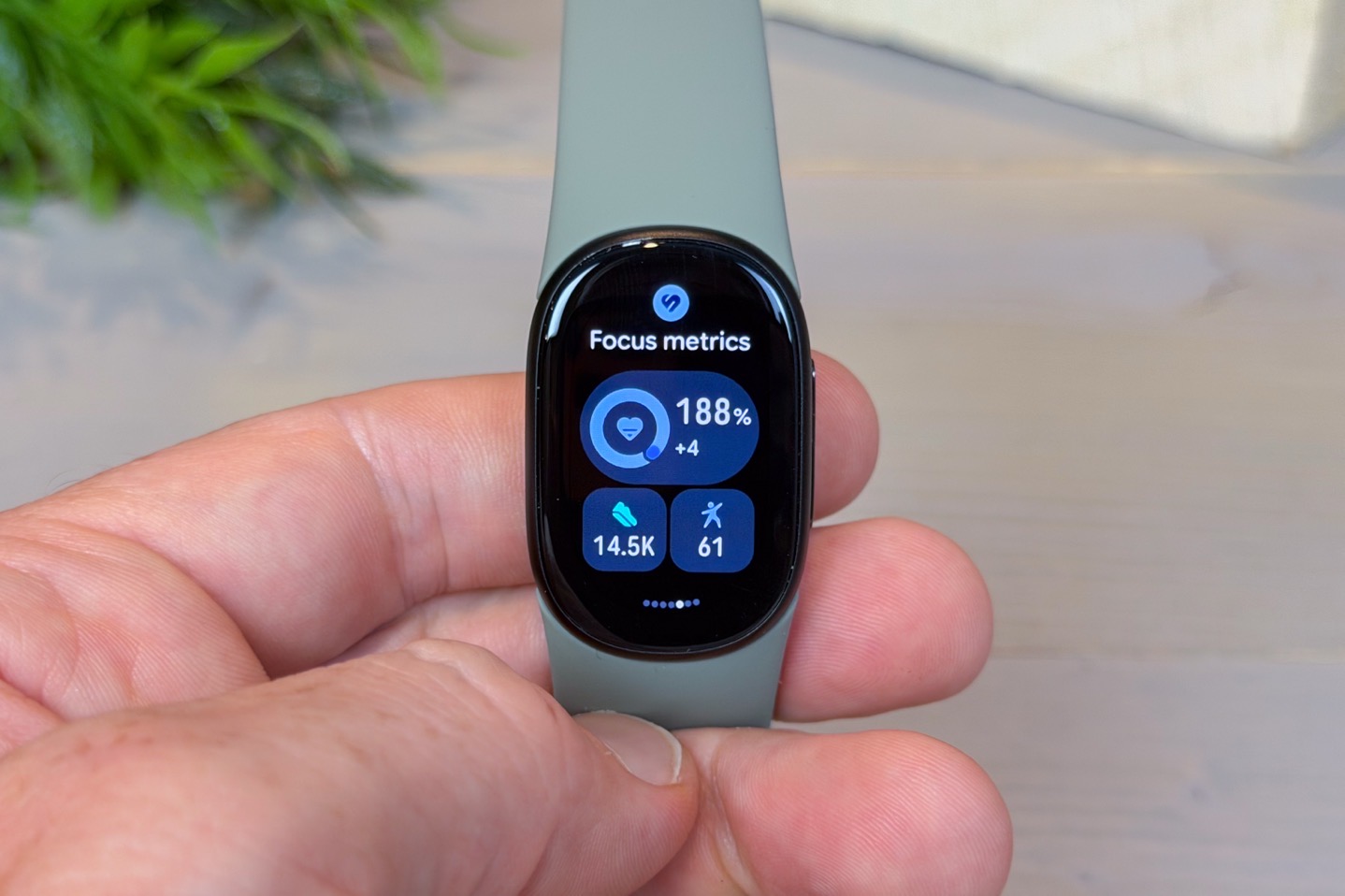
In terms of accuracy, historical critiques regarding the trade-off between GPS reliability and heart rate fidelity on the Fitbit Charge 6 have been largely mitigated. Independent performance testing reveals that the Edge’s redesigned aluminum housing and modern GPS chipset deliver positional tracking accuracy comparable to dedicated cycling computers and high-end multisport watches, even under dense tree cover or in urban canyons. Optical heart rate monitoring, while occasionally exhibiting latency during the initial minutes of high-intensity exertion, provides reliable general trends suitable for casual to moderate athletic training. Additionally, the device retains a Bluetooth heart rate broadcasting feature, enabling integration with indoor training platforms such as Peloton and Zwift.
Software Polish and Market Implications
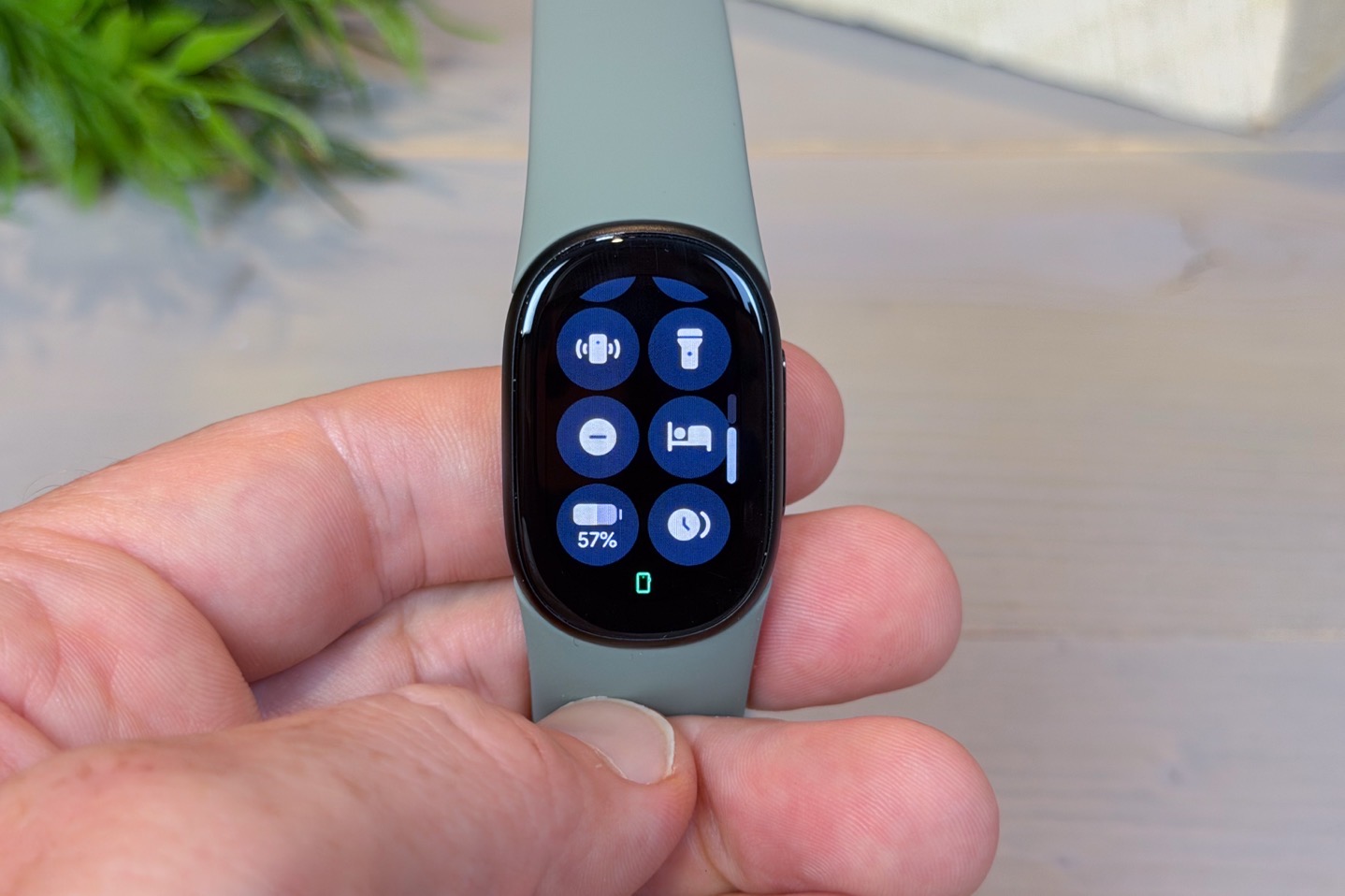
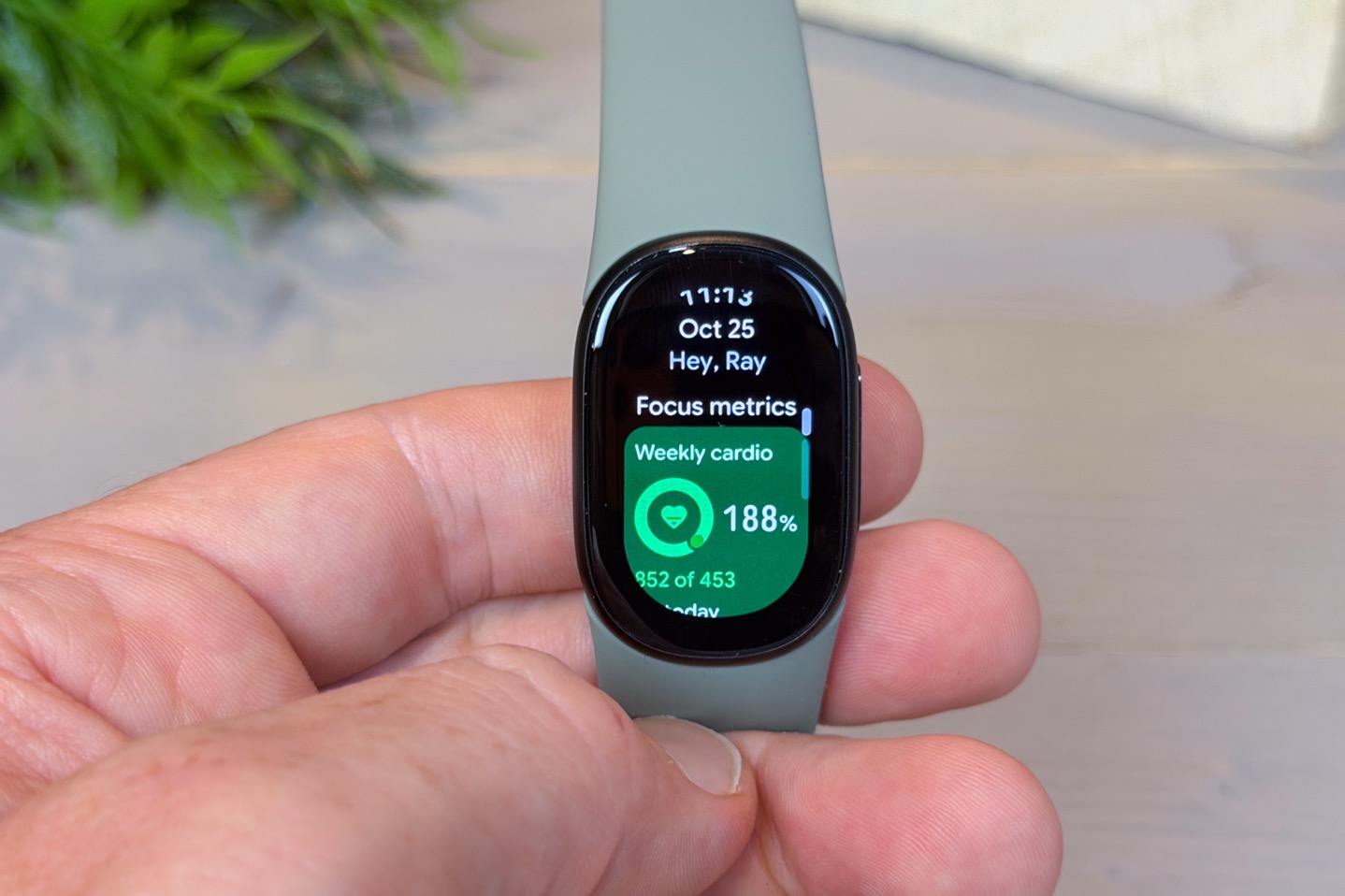
Despite its robust hardware capabilities, early user experiences indicate that the Fitbit Edge’s software ecosystem requires further refinement. Reviewers have noted minor yet persistent usability oversights, such as the absence of an automatic sleep mode toggle (requiring manual activation to prevent the screen from illuminating upon contact with bedsheets), the inability to view detailed historical data directly on the device interface without opening the companion smartphone application, and fixed data field configurations during workouts.
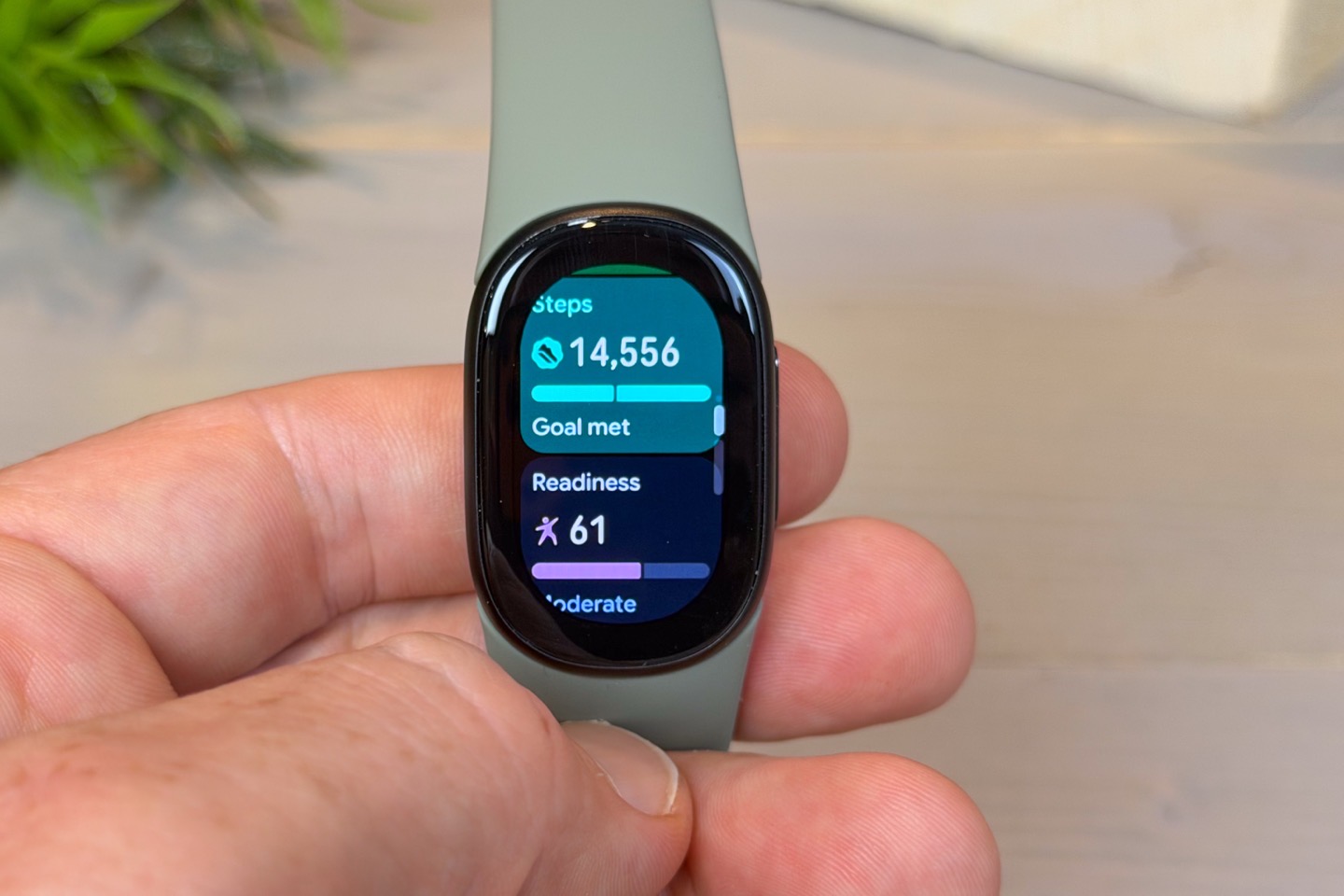
These omissions suggest that the product may have faced rushed deployment deadlines for the holiday retail season. However, Google has indicated that several of these interface limitations are slated to be addressed via future firmware updates.
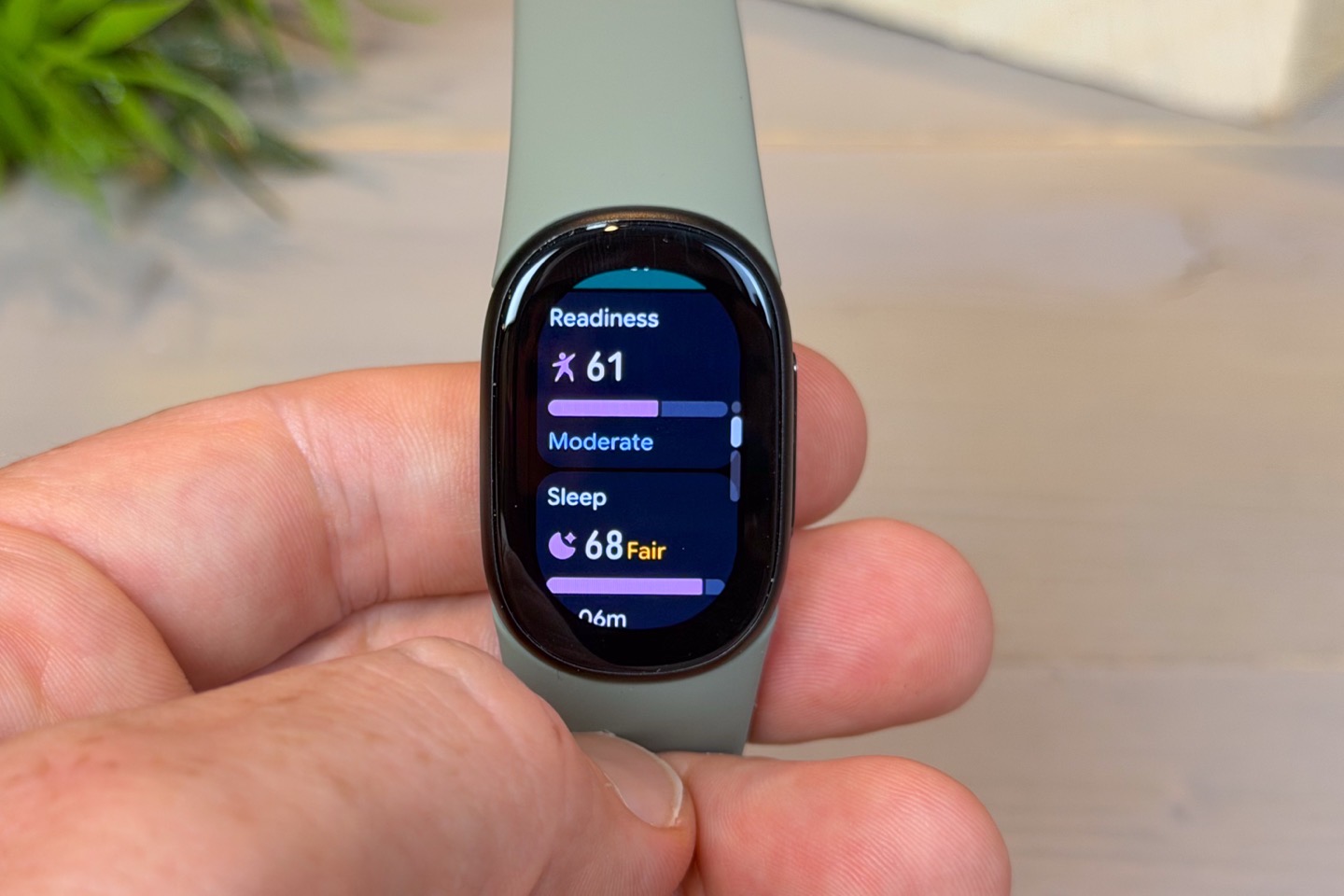
Priced competitively at $179, the Fitbit Edge occupies a critical middle ground in the wearable technology sector. It successfully delivers enterprise-grade GPS accuracy, comprehensive health diagnostics, and a comfortable form factor to users who prefer a lightweight band over a bulky smartwatch. As Google continues to streamline its hardware portfolio, the Edge sets a new technical baseline for fitness trackers, provided subsequent software patches resolve its current interface quirks.