The launch of the Apple Watch Series 12 and the Apple Watch Ultra 4 marks a significant evolution in wearable health technology, centered primarily on the debut of a sophisticated, high-frequency Health Sensing System. This hardware and software integration represents the most substantial shift in Apple’s biometric monitoring strategy since the introduction of the first optical heart rate sensor in the original Apple Watch. By transitioning from a five-minute measurement interval to a near-constant five-second sampling rate, Apple has fundamentally altered how the device captures cardiovascular data.
The Evolution of Apple’s Health Sensing Technology
To understand the magnitude of this update, one must look at the historical trajectory of Apple’s health suite. When the first Apple Watch debuted in 2015, heart rate monitoring was sporadic, designed primarily to check vitals during workouts or upon user request. Over the subsequent decade, Apple incrementally added features: the ECG app in Series 4, blood oxygen monitoring in Series 6, and advanced temperature sensing in later iterations.
However, the passive monitoring interval—the frequency at which the watch automatically checked the wearer’s heart rate throughout the day—remained largely static at five-minute intervals. This duration was historically chosen to balance the competing demands of data granularity and battery longevity. The transition to a five-second interval with the Series 12 and Ultra 4 indicates that Apple has achieved a breakthrough in power efficiency for its optical heart rate sensors, allowing for a 60-fold increase in sampling frequency without necessitating a physical redesign of the chassis to accommodate larger batteries.
Technical Mechanics and User Experience
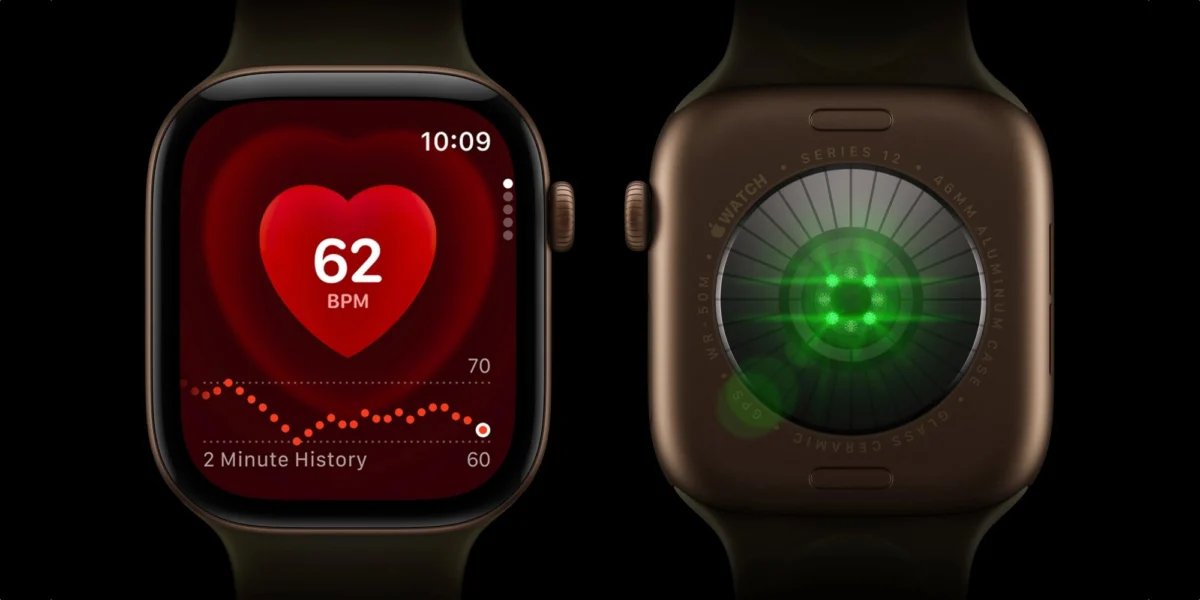
The new Health Sensing System relies on the persistent activation of the green LED array located on the underside of the watch. In previous models, this light would only pulse occasionally. With the Series 12 and Ultra 4, the light is effectively always active, creating a constant stream of data points that allows for a more nuanced understanding of heart rate variability (HRV), resting heart rate trends, and recovery metrics.

For most users, the constant illumination of the sensor is imperceptible, as the device is designed to sit flush against the skin. However, in instances where the watch band is worn loosely, or during specific movements that shift the watch casing, users may notice the faint green glow. This has necessitated new software-level "power-management" modes that allow the device to intelligently throttle its sensor activity when the user’s environment or activity state warrants it.
Theater Mode and the New Heart Rate Settings
The introduction of this high-frequency sensing has brought the device’s "Theater Mode" into the spotlight. Traditionally, Theater Mode was designed to keep the display dark and silence haptic notifications to avoid disrupting others in quiet environments like cinemas or conferences. Because the new sensors are significantly more active, Apple has implemented a default behavior where Theater Mode reverts the heart rate monitoring to the traditional five-minute interval.
This design choice serves a dual purpose: it minimizes potential light pollution from the sensor in dark settings and provides a slight boost to battery conservation. However, for power users who prioritize data density over the absolute minimization of light emission, Apple has introduced a granular control within the Watch app’s settings.
By navigating to Settings > Heart, users can now toggle "In Theater Mode" under the "Allow Continuous Measurements" menu. Activating this option forces the device to maintain the five-second sampling rate even while Theater Mode is enabled. This level of customization reflects a shift in Apple’s approach, moving away from a "one-size-fits-all" user experience toward a more modular configuration that accommodates both casual health trackers and professional-grade athletes.
Implications for Sleep Tracking and Recovery
The integration of the new sensing system also intersects with the Apple Watch’s "Sleep Focus." Currently, the device reverts to the five-minute interval during sleep. This is a deliberate design decision based on clinical feedback and battery management. During sleep, physical activity is absent, and the primary goal of the watch is to track sleep stages rather than peak cardiovascular performance.

Industry analysts suggest that keeping the five-second interval active during sleep would likely provide a clearer picture of respiratory rate and nocturnal heart rate dips, which are critical indicators of recovery. However, the current battery architecture is optimized to ensure the watch can survive a full day, including an overnight tracking session, on a single charge. Increasing the sensor frequency during sleep could potentially shorten the overall lifespan of the battery across the device’s multi-year usage cycle.
There is growing speculation within the health-tech sector that if Apple continues to refine its power efficiency, it may eventually allow for "Continuous Measurements" during Sleep Focus, provided the user is willing to accept a trade-off in daily battery endurance. For now, users remain restricted to the five-minute interval, which remains incompatible with certain high-resolution readiness scores that rely on near-constant data collection.
Broader Impact on Health Data Accuracy
The move toward five-second heart rate intervals aligns with the capabilities of high-end dedicated sports trackers from competitors like Garmin and Coros. By closing this gap, Apple is positioning the Series 12 and Ultra 4 not just as smartwatches, but as legitimate tools for medical research and personal health management.
The increased granularity in data is expected to significantly improve the accuracy of the "Readiness Score" and other recovery-based metrics. With more data points, the algorithms can better distinguish between temporary spikes in heart rate caused by environmental factors and those caused by physiological stress or illness. This is particularly relevant for the Apple Watch’s ability to detect conditions like atrial fibrillation (AFib) or sudden cardiovascular changes, as a higher sampling rate decreases the likelihood of missing short-duration anomalies.
Industry and Clinical Reactions
While formal clinical studies regarding the Series 12’s specific performance are still in the peer-review pipeline, the reaction from the medical community has been largely positive. Health researchers have long argued that sporadic heart rate data creates "blind spots" in longitudinal health monitoring.

"A five-second interval allows for a much more comprehensive view of the autonomic nervous system’s response to daily stressors," notes an analyst specializing in digital health. "The move from five minutes to five seconds isn’t just an incremental update; it’s a paradigm shift in how much data we can extract from a consumer device."
However, there is a cautionary note regarding data fatigue. As devices provide more information, the challenge for Apple will be to present this data in a way that is actionable rather than overwhelming. The Health app on iOS 18/19 will play a critical role in synthesizing these millions of new data points into insights that the average user can understand and apply to their health routines.
Conclusion and Future Outlook
The Apple Watch Series 12 and Ultra 4 solidify Apple’s commitment to the health and fitness vertical. By prioritizing the high-frequency sensing system, the company has signaled that it is no longer content with being a passive health tracker. Instead, it is pushing toward a future of proactive health monitoring, where the watch serves as a constant, silent guardian of the user’s physiological state.
As the device continues to hit the market, the success of this new sensing system will be measured not only by the technical accuracy of the heart rate data but by the user’s ability to manage that data through settings like the new Theater Mode toggle. For now, the hardware provides a robust foundation for the next stage of biometric analysis, ensuring that the Apple Watch remains the benchmark for the consumer wearable market.