The debut of the Garmin Fenix 9 series introduces expected hardware enhancements and software updates over its predecessor, while also signaling a strategic shift in how the company plans to iterate its flagship multisport watch lineup. Rather than merely offering incremental changes, Garmin has restructured its release cadence and feature distribution, addressing several key criticisms directed at the previous generation.

Evolution of the Fenix Ecosystem
Looking at the present market, the Fenix 9 expands LTE and satellite connectivity options to the solar models and introduces the technology to the 43mm AMOLED variant. Alongside this expansion, the display brightness has been significantly increased across the board. Furthermore, the Fenix 9 launches with a substantial suite of sport-focused updates.
This inclusion of new sporting features marks a departure from the Fenix 8 and Fenix 8 Pro product cycles. Neither of those previous generations launched with dedicated, widespread new athletic features beyond niche additions like scuba diving profiles. Instead, the Fenix 8 focused on hardware milestones such as integrated speakers, microphones, and diving hardware, while the Fenix 8 Pro emphasized satellite and LTE integration. By balancing hardware advancements with functional athletic features in the Fenix 9, Garmin appears to have adjusted its product development strategy based on consumer and reviewer feedback.
Hardware Upgrades and Variations
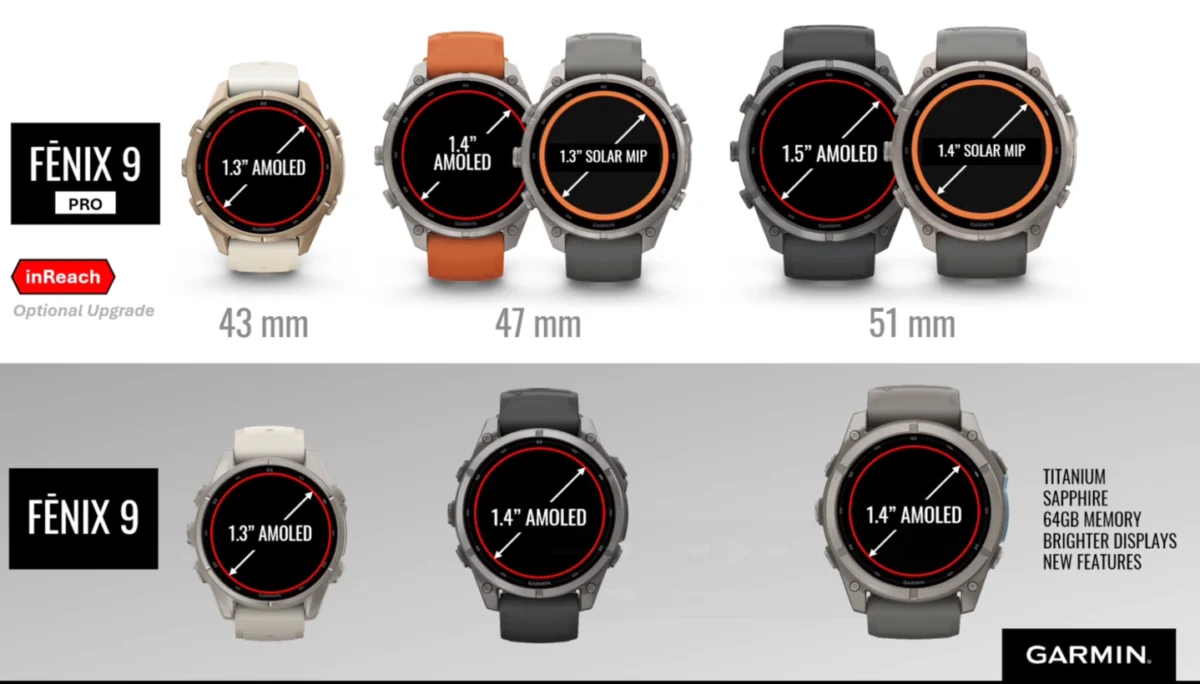
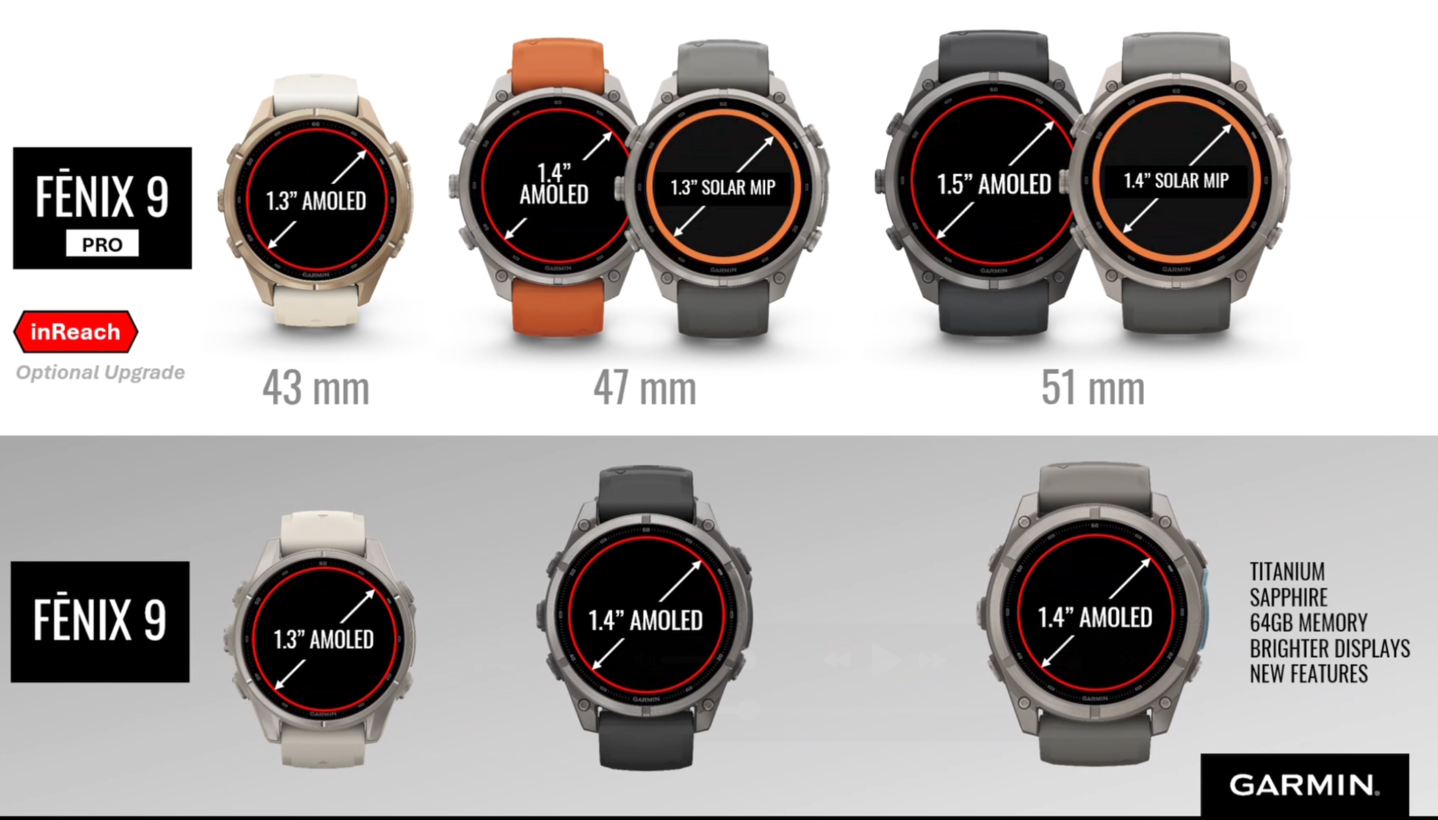
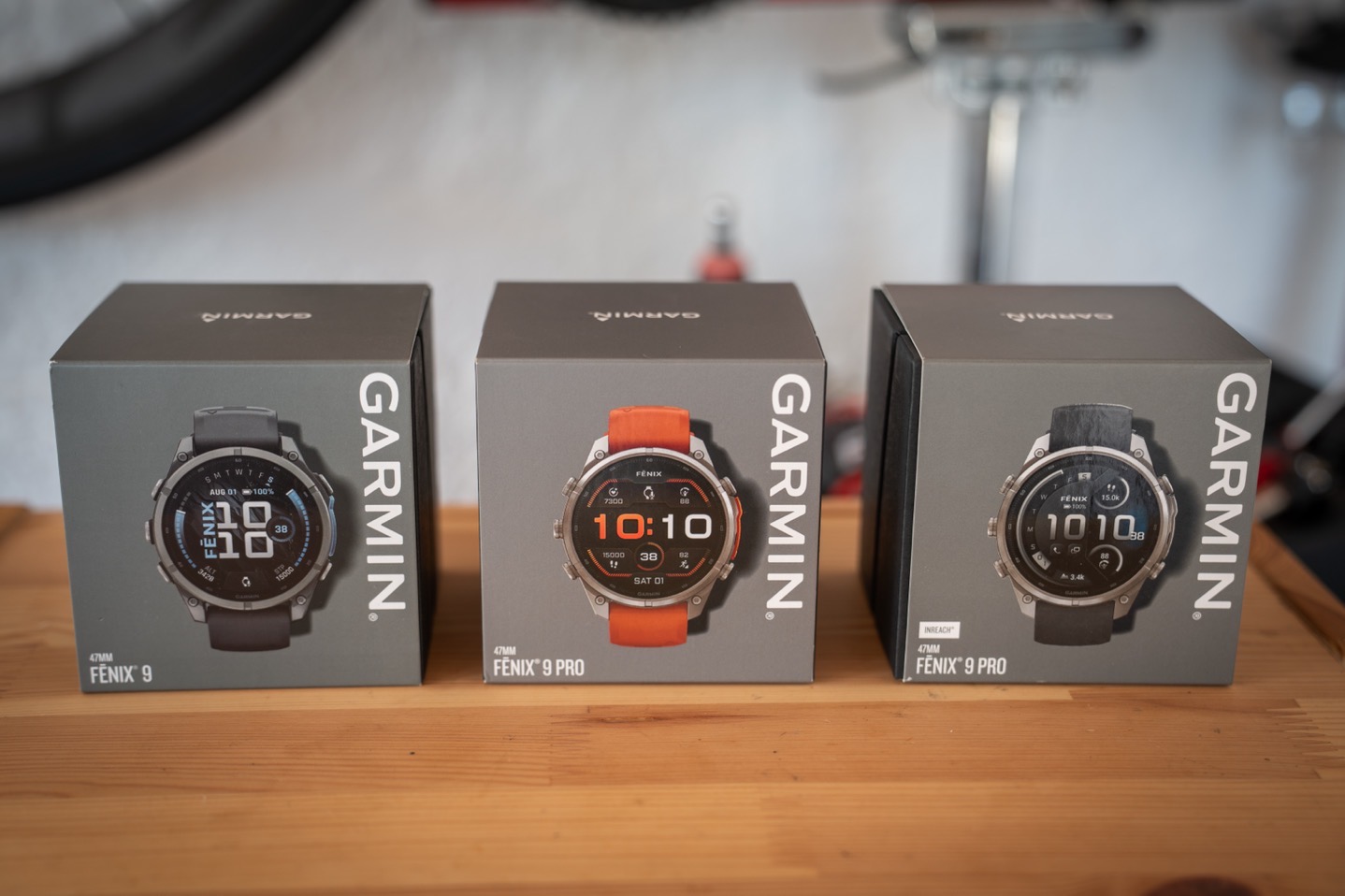
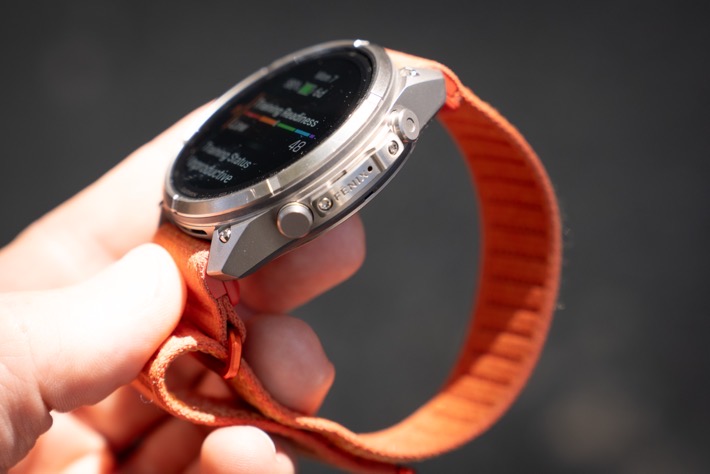
The hardware improvements in the Fenix 9 generation can be divided into structural, display, and functional categories. From a materials standpoint, titanium cases and sapphire glass have been made standard across all Pro models, alongside an increase to 64GB of internal storage. The MicroLED option previously discussed in development circles has been omitted from the final Fenix 9 lineup.
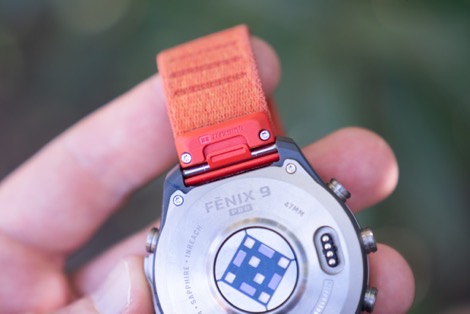
Display technology has seen a major push. Base model series now feature a display brightness of up to 2,000 nits, while the Pro model series reaches 3,000 nits. Additionally, the maximum display size has been expanded, reaching 1.5 inches on the 51mm Pro model, representing the largest display ever placed on a Garmin smartwatch.
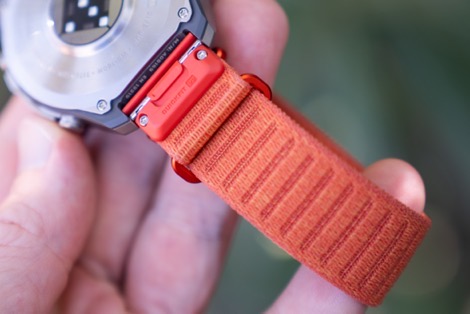
Case dimensions have undergone slight adjustments. The 47mm Fenix 9 Pro has seen a thickness reduction of 0.5mm, bringing it down to 13.3mm—matching the thickness of the non-Pro Fenix 8. Conversely, the Fenix 9 Pro Solar models have increased in thickness by 0.5mm to 15.8mm, while experiencing a marginal reduction in overall case footprint.
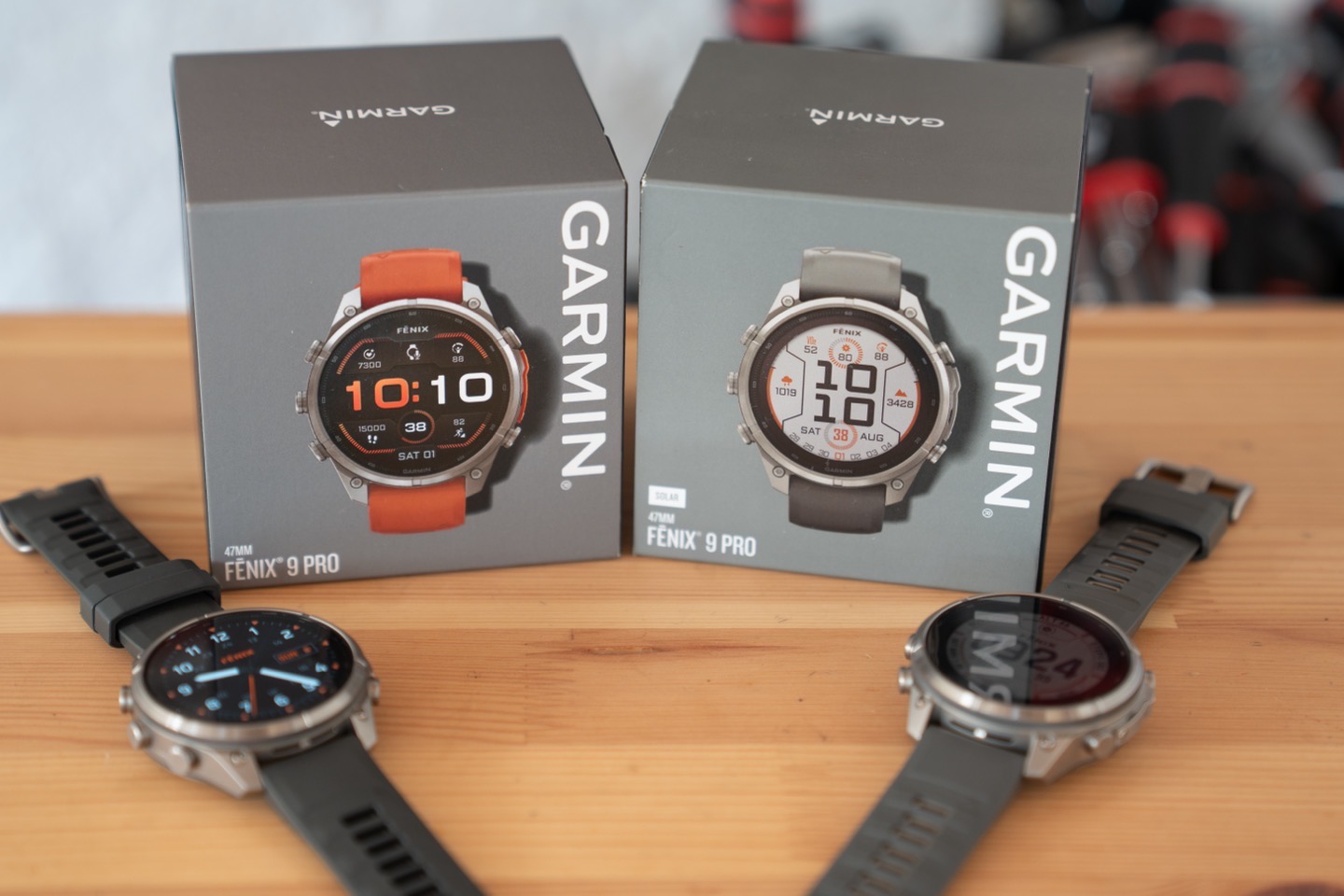
Pricing structures remain largely consistent with the Fenix 8 Pro series. The Fenix 9 base models start at $999 for the 43mm and 47mm variants, with the 51mm version priced at $1,099. The Fenix 9 Pro starts at $1,099, and the Fenix 9 Pro inReach models begin at $1,199.
Comprehensive Software Expansion and Backward Compatibility
A notable development in the release of the Fenix 9 is Garmin’s decision to push the new software features back to existing Fenix 8 series watches, as well as select other modern models. Although the deployment timeline remains unconfirmed by Garmin for the immediate future, this sharing of the core codebase represents a significant departure from historical product differentiation models.
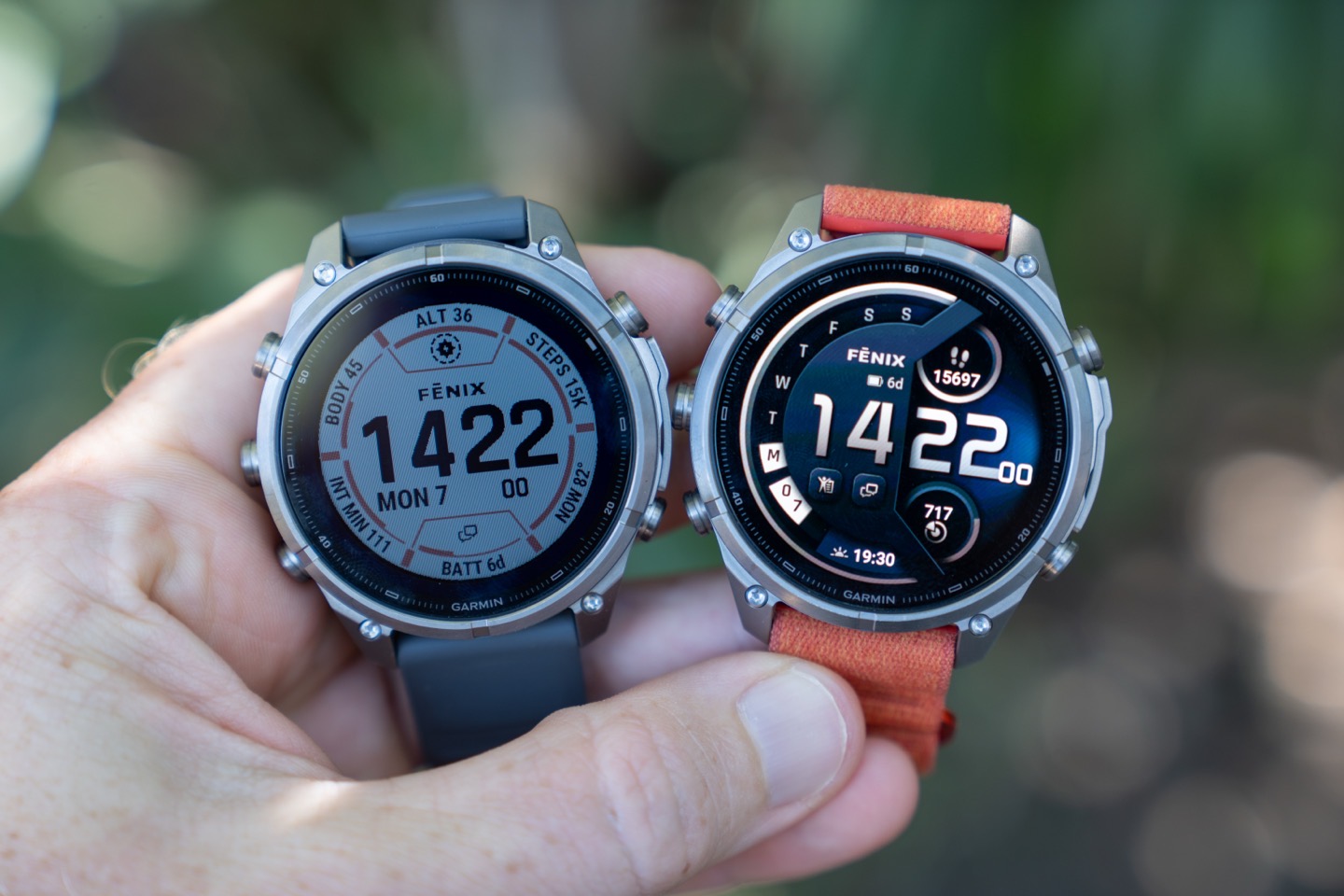
The software updates introduce a wide array of tools, particularly centered on indoor rowing, rucking, navigation, and advanced training metrics.
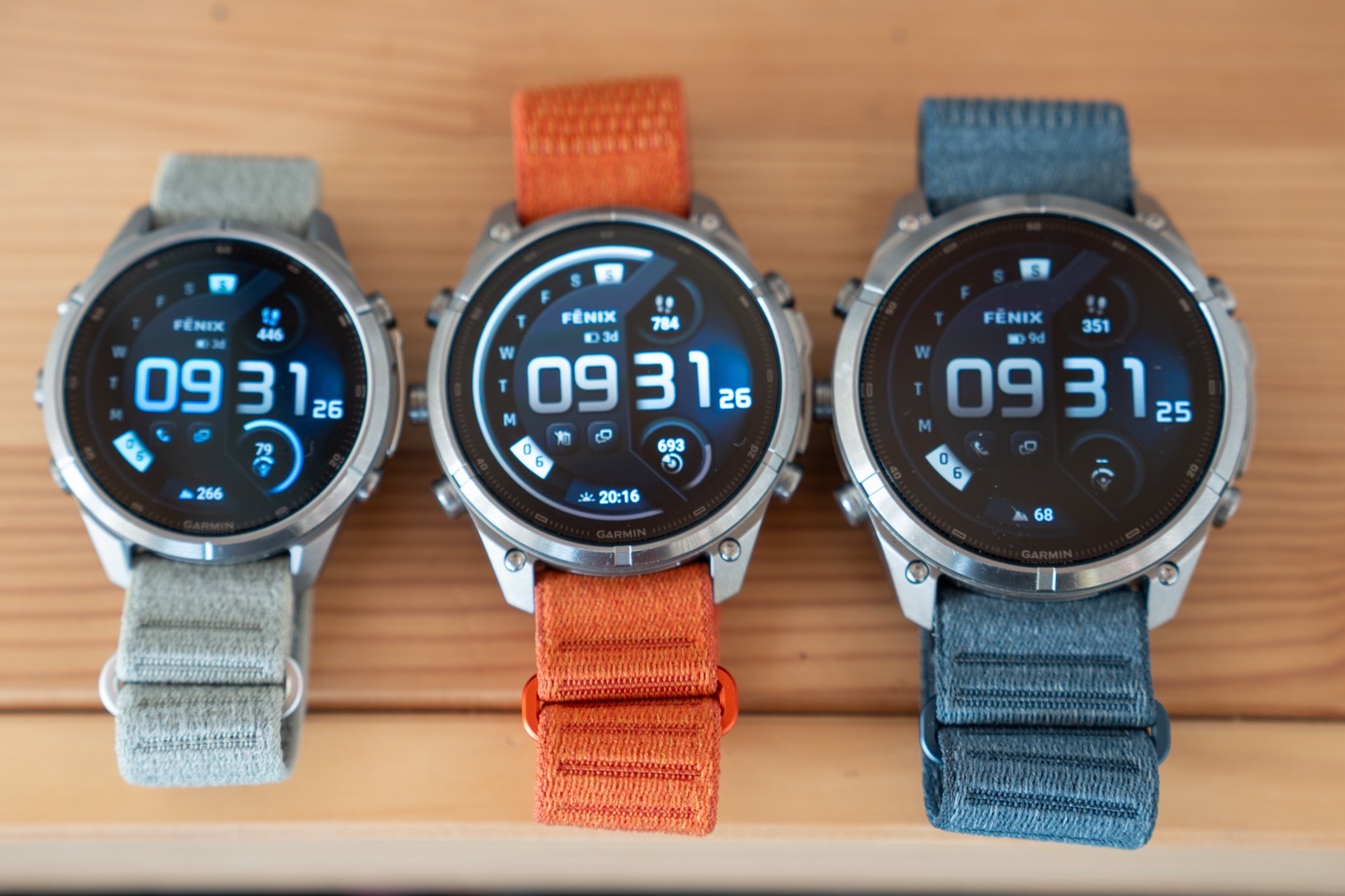
- Garmin Epics: A new adventure-tracking feature that groups multi-day events and expeditions into a single, cohesive journal across both the device and the Garmin Connect platform.
- Stamina Zones: Expansion of the real-time stamina feature to include specific zones, endurance time concepts, and trending graphs for running and cycling.
- Rucking Profile Improvements: Comprehensive additions including pack-weight calorie tracking, an on-watch rucking target calculator, mid-activity pack-weight adjustments, and dedicated rucking reports.
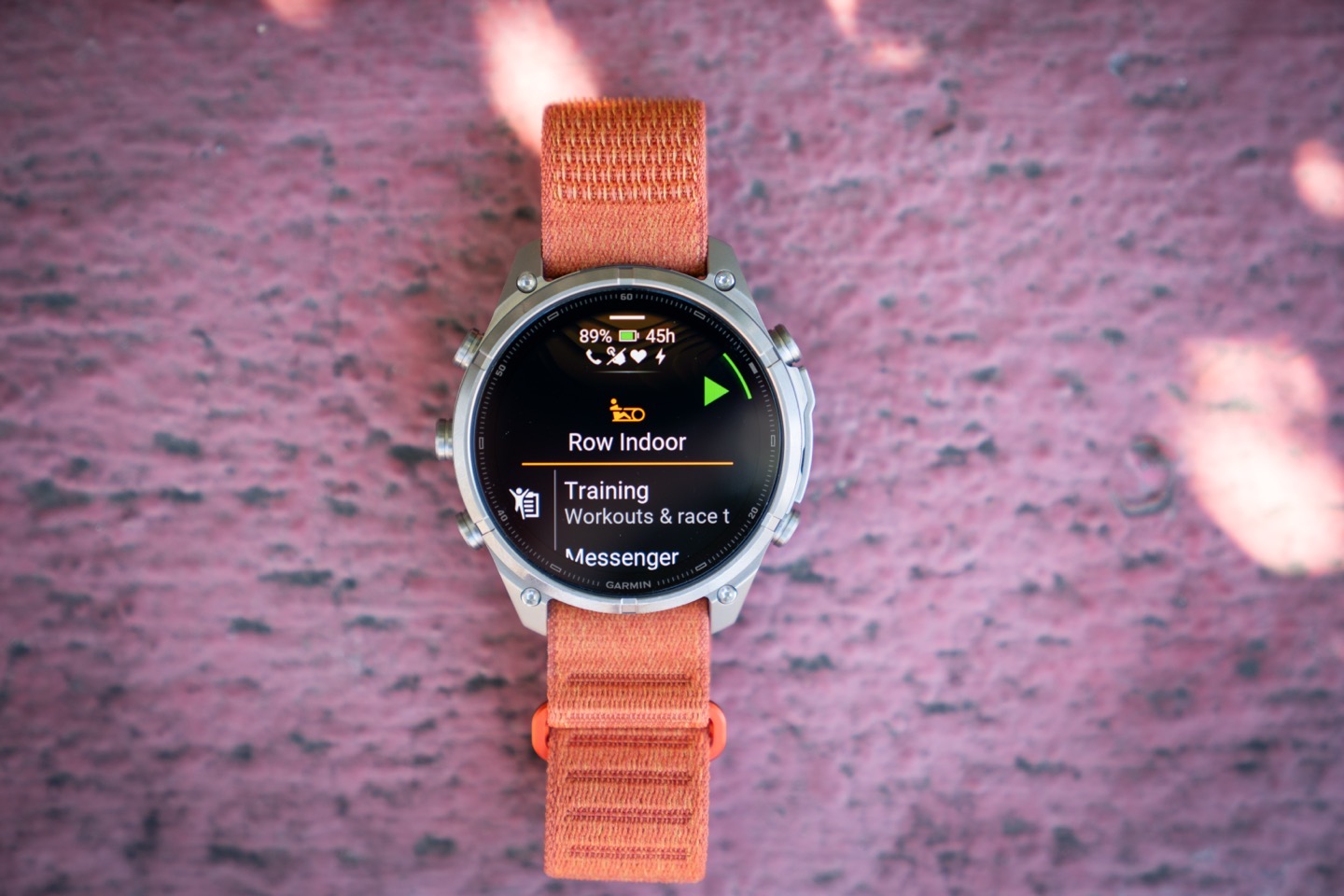
- Rowing and SkiErg Profiles: Introduction of the indoor XC Ski (SkiErg) profile and a massive expansion for indoor rowing, including heart rate and power zones, FTP estimation, VO2 max values, lactate threshold tracking, and direct integration with Training Status.
- Communication and Navigation: Enhanced Garmin Messenger integration with the "Garmin Locate" feature, inReach weather updates via satellite, rolling Grade Adjusted GAP metrics, and a new Perspective map view with faster rendering speeds.
Model Selection and Customization
Choosing a Fenix 9 series watch involves three primary decisions: display type, physical size, and feature tier.
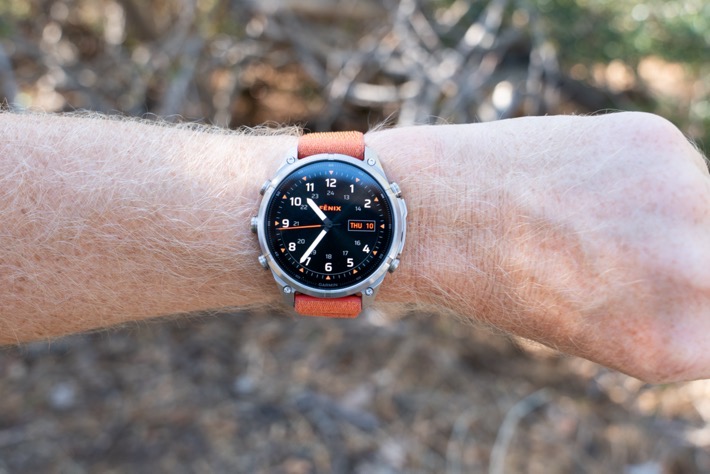
- Display Type: Users must choose between AMOLED and MIP (Memory-in-Pixel) Solar displays. The AMOLED panels provide higher resolution, vibrant colors, and peak brightness up to 3,000 nits. The MIP Solar displays offer roughly double the real-world battery life and utilize ambient light to extend endurance. Garmin has entirely phased out MIP options without solar charging in the current Fenix catalog.
- Size Options: The lineup is available in 43mm, 47mm, and 51mm diameters, catering to various wrist sizes without significant deviations from previous generations, though Solar models retain a slightly chunkier profile.
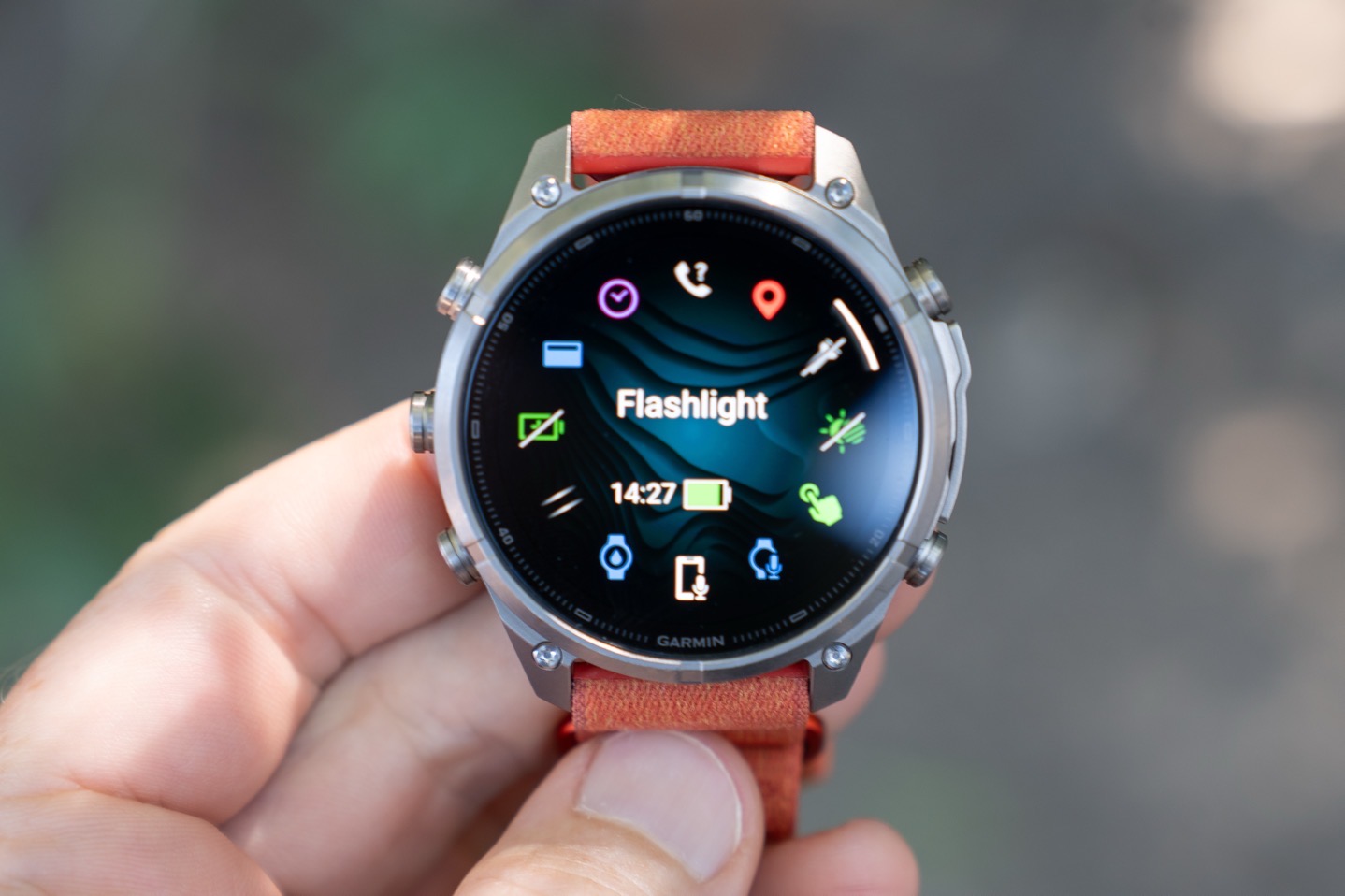
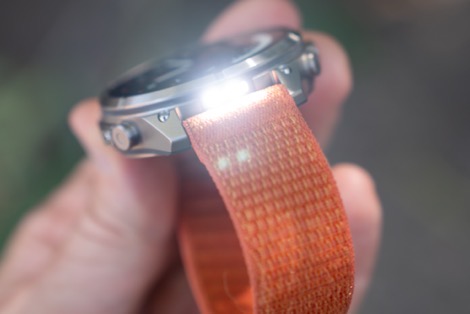
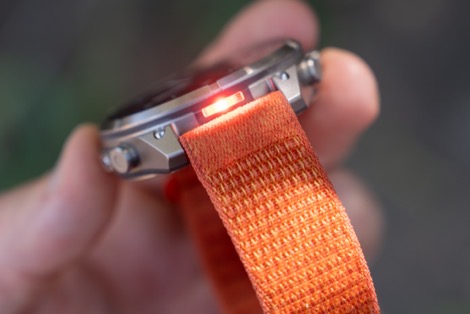
- Feature Tier: The baseline, Pro, and Pro inReach tiers offer identical core software features, but differ in materials, processor speeds, flashlight options (such as the addition of a green LED on Pro models), and connectivity capabilities.
LTE and Satellite Communication in the Pro inReach Tier
The Pro inReach models integrate dual-connectivity hardware supporting both LTE-M networks and satellite communication. The LTE functionality operates independently of a smartphone connection for specific safety and tracking features, including LiveTrack, two-way voice calls, voice/text messaging, weather updates, and emergency SOS routing via the Garmin Response center.
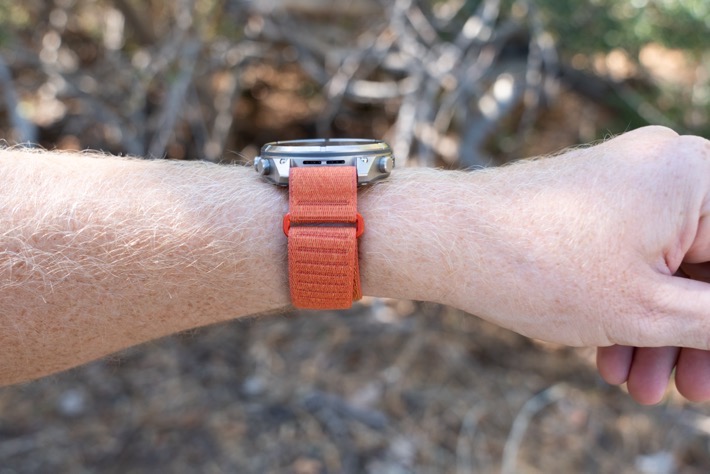
Unlike traditional smartphone-linked LTE watches, Garmin’s implementation utilizes an independent phone number associated with the device, heavily optimized for the Garmin Messenger ecosystem and athletic safety monitoring rather than casual daily texting.
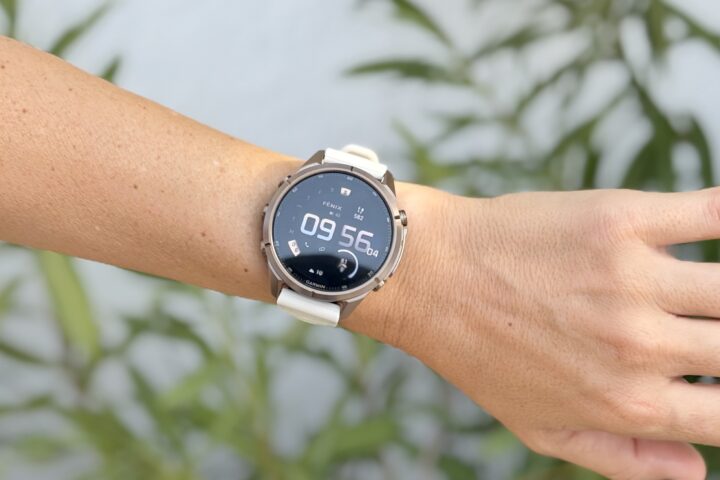
For off-grid scenarios lacking cellular coverage, the satellite messaging system allows users to communicate via geostationary (GEO) satellites. Because the antenna size is constrained by the watch form factor, satellite communication requires the user to maintain a specific arm orientation to lock onto a signal. Coverage is primarily focused over North America, Europe, and surrounding maritime regions in partnership with Skylo. A recurring subscription fee is required following the initial trial period to maintain active LTE and satellite emergency services.
GPS and Heart Rate Sensor Performance
The Fenix 9 series incorporates updated software-defined GPS modes integrated with Garmin’s SatIQ technology. Users can choose between optimized multi-band settings that dynamically adjust power consumption based on environmental interference or force maximum accuracy for continuous multi-band tracking.
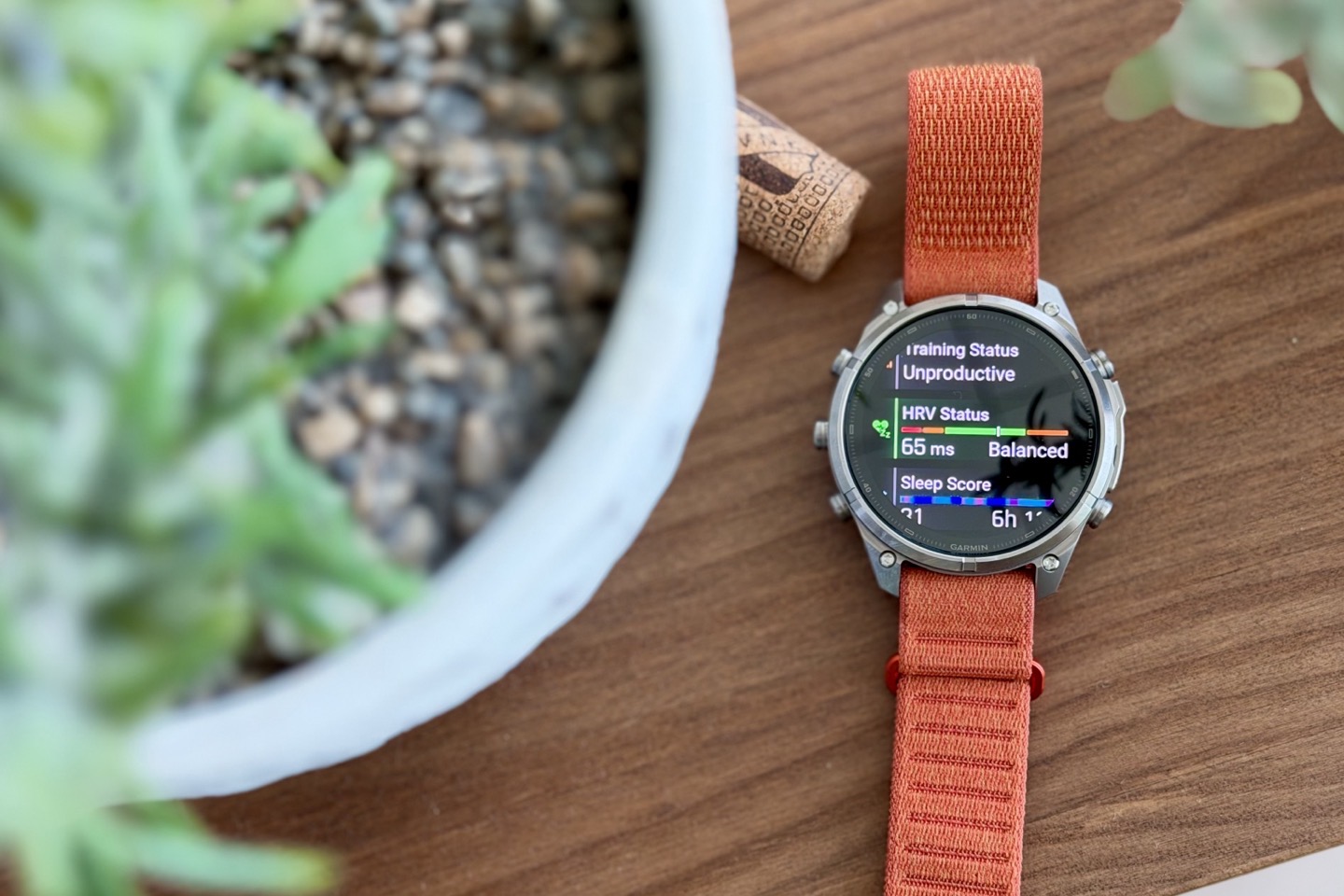
Real-world tracking across dense urban environments, heavy tree cover, and mountainous terrain indicates that SatIQ successfully balances battery preservation with positional accuracy. In side-by-side evaluations against dedicated multi-band modes, the default SatIQ configuration yields statistically identical path rendering while conserving battery life.
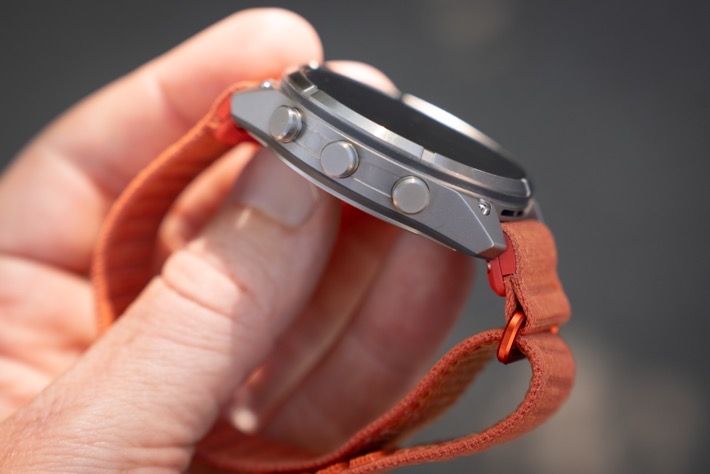
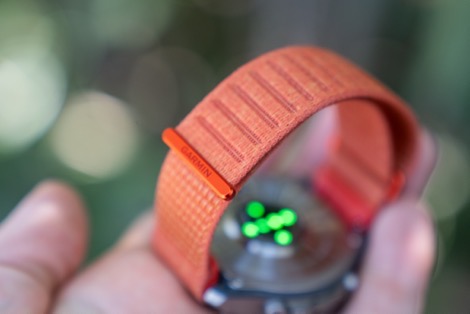
Optical heart rate tracking relies on Garmin’s Gen5 Elevate sensor architecture. The hardware delivers consistent 1-second data sampling frequencies, maintaining a high level of accuracy across steady-state running, cycling intervals, and strength training. The inclusion of medically certified ECG capabilities allows users to manually check for signs of atrial fibrillation, producing shareable PDF reports for clinical review, though passive background heart-rhythm monitoring remains absent.
Real-World Battery Longevity
Battery performance varies significantly depending on the chosen display technology, case size, and feature activation. The AMOLED models typically yield between 4 to 6 days of continuous use under heavy daily tracking loads, translating to roughly 35 to 40 hours of continuous GPS activity.
The MIP Solar models extend this runtime considerably, particularly when exposed to direct sunlight during long-duration outdoor activities. However, solar efficiency remains directly dependent on environmental conditions, with overcast skies or heavy shade reducing the supplemental charging impact. Utilizing continuous LTE-M tracking during extended workouts noticeably accelerates battery depletion, emphasizing the utility of the "Auto Standby" power management setting.
Market Implications and Conclusions
The release of the Garmin Fenix 9 series consolidates Garmin’s hardware and software roadmaps, successfully bridging the gap between the experimental feature drops of the Fenix 8 generation and the refined ecosystem expectations of endurance athletes. By committing to backward compatibility for software features across the Fenix 8 and Fenix 9 architectures, Garmin has signaled a potential shift toward longer-term software support for its premium wearable investments.
While software bugs and synchronization challenges—such as initial application integration issues and operating system compatibility hurdles—remain points of friction during early deployment phases, the core hardware stability and expanded sport-specific metrics reinforce the Fenix 9’s position as a comprehensive training tool. The balanced integration of traditional rugged design, advanced mapping, dual connectivity, and expanded athletic profiles ensures its continued dominance in the high-end multisport watch market.