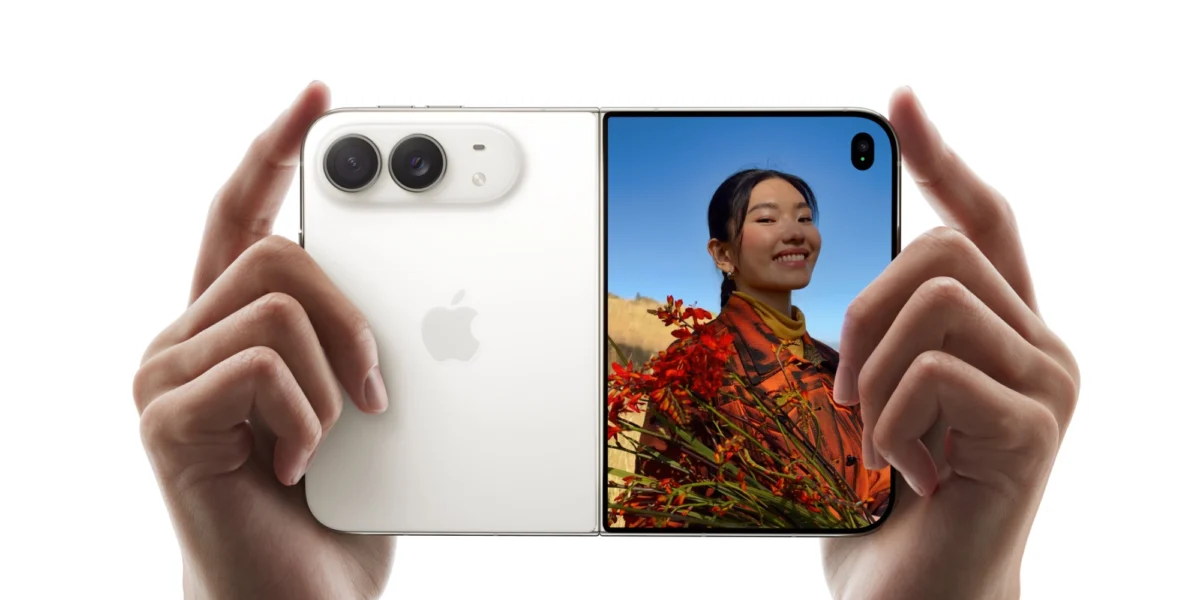
Apple Inc. has officially entered the foldable device market with the introduction of the iPhone Duo, marking a significant hardware milestone for the Cupertino-based technology giant. However, alongside the launch of its first foldable smartphone, Apple has introduced a stringent software strategy that requires third-party developers to recompile their applications specifically for iOS 27.0 to utilize the device’s expanded inner display. This decision represents a calculated gamble, balancing the desire for a cohesive, native user experience against the immediate risk of software fragmentation and app compatibility hurdles during the device’s rollout phase.
Main Facts and Software Requirements
The core of Apple’s strategy lies in its requirement for native adaptation. To take full advantage of the iPhone Duo’s larger inner screen, applications must be rebuilt to target iOS 27.0 as a baseline. Furthermore, developers wishing to implement the device’s unique new tab bar and specialized user interface components must adopt Xcode 27.1, which enables advanced iPhone Duo app development features.
Rather than implementing a generic compatibility layer or allowing resizable iPad binaries to run on the foldable form factor—a common approach in the Android ecosystem—Apple opted to design a bespoke interface tailored explicitly for the Duo. While this prevents the janky scaling issues often associated with cross-form-factor apps, it places the immediate burden of optimization squarely on the shoulders of third-party developers. Apps that have not been updated will be constrained to the standard phone aspect ratio, flanked by black bars on the expansive inner display.
Background Context and Chronology
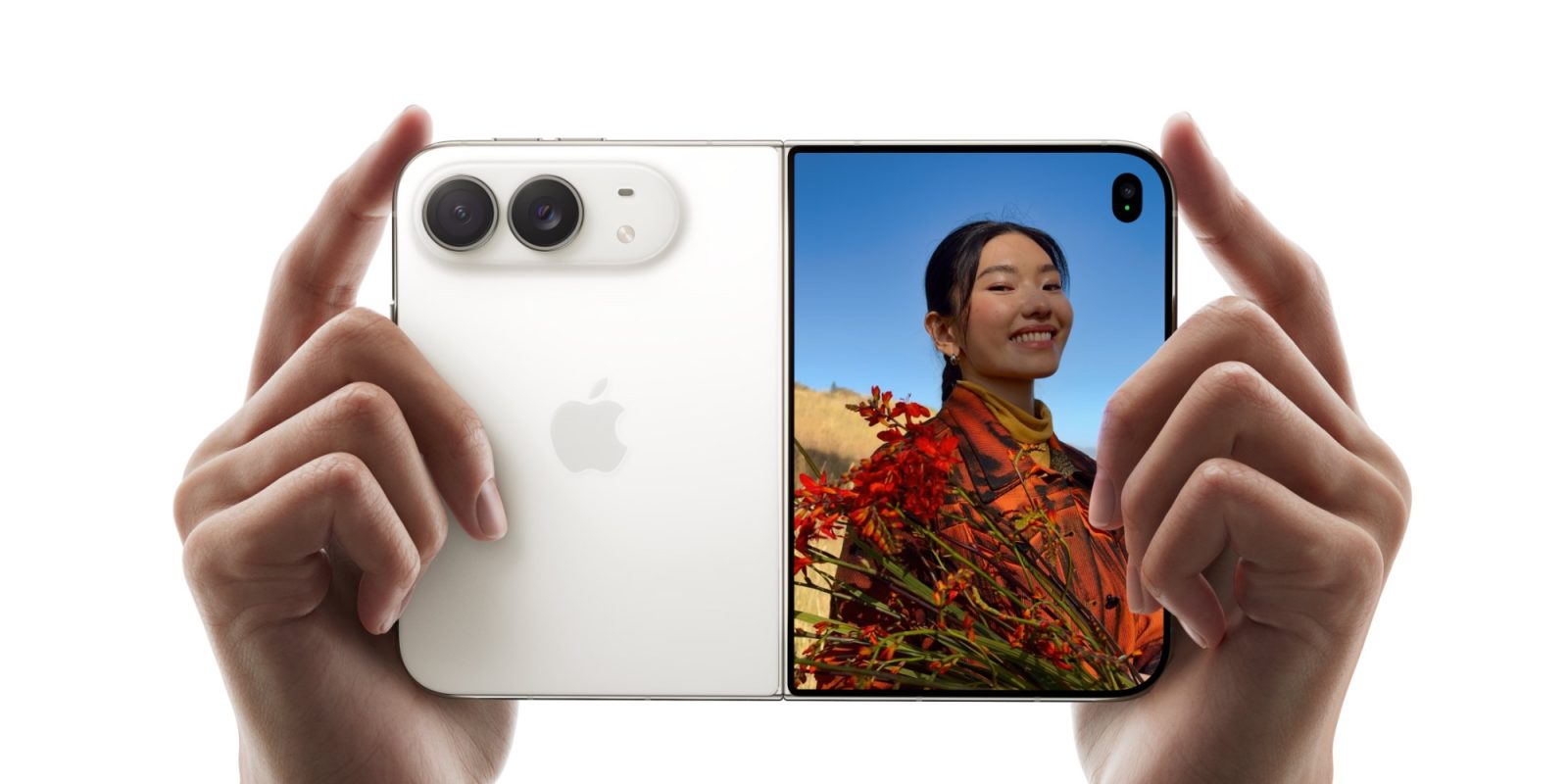
The introduction of the iPhone Duo follows years of speculation regarding Apple’s entry into the foldable smartphone segment, which has been populated by Android competitors for over half a decade. As foldable technology matured, industry analysts frequently questioned when Apple would introduce hardware to compete with established devices from Samsung, Google, and various Chinese manufacturers.
The timeline leading up to the launch involved strategic software shifts:
- February 2003 (Retrospectively adjusted for modern SDK policy cycles): Apple outlined plans to update minimum SDK requirements for all App Store submissions, signaling tighter controls over modern framework adoption.
- Early September 2026: Apple officially unveiled the iPhone Duo, detailing its foldable display architecture and the requirement for iOS 27.0 recompilation. Technical documentation simultaneously clarified how unoptimized apps would be handled on the inner screen.
- Mid-September 2026: Apple released the Xcode 27.1 beta, providing developers with the necessary tools to begin integrating iPhone Duo-specific interface components.
Analysis of Developer Friction and the Liquid Glass Mandate
A major complication in Apple’s rollout strategy is the simultaneous enforcement of design framework updates. Compiling for iOS 27 does not merely involve configuring an app for the iPhone Duo’s folding display; it also eliminates the compatibility option that previously allowed developers to opt out of supporting "Liquid Glass," Apple’s latest visual design language.
Industry observers note that forcing developers to adopt both Liquid Glass and foldable-specific UI paradigms at the same time could create a bottleneck. Development teams juggling resource constraints may delay their iPhone Duo updates to prioritize standard maintenance, potentially leaving early adopters with a limited selection of natively optimized software during the initial months of commercial availability.

Implications for Mobile Gaming and Multitasking
The success of foldable devices heavily relies on use cases that benefit from increased screen real estate, most notably mobile gaming and productivity multitasking. The iPhone Duo supports split-screen application views, a feature that could mitigate the drawbacks of unoptimized apps if non-native software can still operate concurrently in a multi-window environment.
However, the gaming sector presents a distinct challenge. High-end mobile games rely heavily on immersive, full-screen graphics. If major gaming titles fail to properly scale to the inner display due to delayed developer updates, users may experience a subpar visual experience. Given that gaming is a primary driver of high-performance mobile hardware sales, a sluggish developer adoption rate could impact early consumer satisfaction.
Broader Market Impact and Future Outlook
Apple’s refusal to rely on a quick-fix compatibility layer underscores the company’s long-term commitment to user experience consistency. By avoiding the fragmented scaling behaviors seen in many Android foldables, Apple is signaling that form-factor transitions must adhere to rigorous design standards.
Nevertheless, the company maintains a strategic fallback. Industry analysts suggest that if third-party adoption lags severely during the initial months, Apple retains the technical capability to introduce an iPad app compatibility mode in a subsequent software update, such as iOS 28. Such a move would alleviate user friction while providing developers additional time to migrate their codebases.

As the iPhone Duo reaches consumers worldwide, market reaction will determine whether Apple’s rigorous software mandates accelerate high-quality app development or create an unnecessary barrier for the platform’s nascent ecosystem.