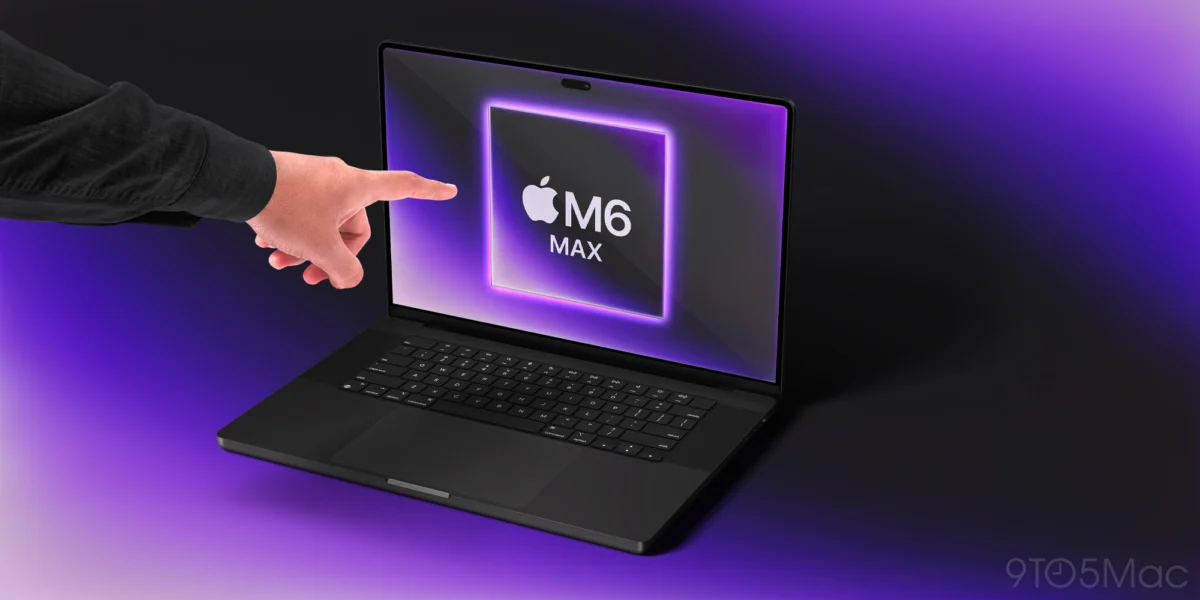
Apple is preparing to host its highly anticipated "Pro and Tell" special event tomorrow, October 28, where industry analysts and consumers alike expect the company to pull back the curtain on a monumental shift in its personal computer lineup. According to a comprehensive report published by Bloomberg’s Mark Gurman, Apple is on the verge of announcing its first-ever MacBook Pro models equipped with OLED touchscreens, a redesigned chassis, the Dynamic Island interface, and next-generation Apple Silicon. This pivotal moment marks a dramatic about-face for a company that long resisted bringing touch technology to its macOS ecosystem, signalling a new era in laptop design and human-computer interaction.
As anticipation builds for tomorrow’s keynote, leaked details outline not only the hardware specifications and pricing structure of these upcoming devices, but also the internal corporate history and strategic decisions that led to their development. With a starting price projected at $2,899 for the 14-inch variant, these new machines are positioned at the absolute pinnacle of the mobile workstation market. Far from replacing the existing non-touch laptops, the OLED touchscreen models will debut as a high-end tier sitting above the standard lineup, catering to professionals willing to pay a substantial premium for bleeding-edge display technology and touch capabilities.
Pricing Structure and Market Positioning
The financial investment required to acquire Apple’s newest hardware has immediately drawn significant attention from tech analysts and financial markets. According to Gurman’s sources, Apple has actively discussed a baseline price of $2,899 for the 14-inch model configured with the M5 Pro chip. Factoring in Apple’s traditional pricing hierarchy, where larger screen real estate commands an additional premium—historically at least $400—the 16-inch counterpart is projected to start at no less than $3,399.
To put these figures into perspective, this pricing strategy represents a dramatic escalation in the cost of professional portable computing. Compared to the pre-June pricing of standard M5 Pro MacBook Pro models—which started at $2,199 for the 14-inch and $2,699 for the 16-inch variants—the new OLED touch models introduce a price hike of at least $700 in a span of just four months. At $2,899, the baseline 14-inch model will claim the title of the most expensive starting price for a new MacBook Pro in Apple’s history, eclipsing even the legendary $2,799 price tag attached to the 17-inch MacBook Pro introduced back in 2006.
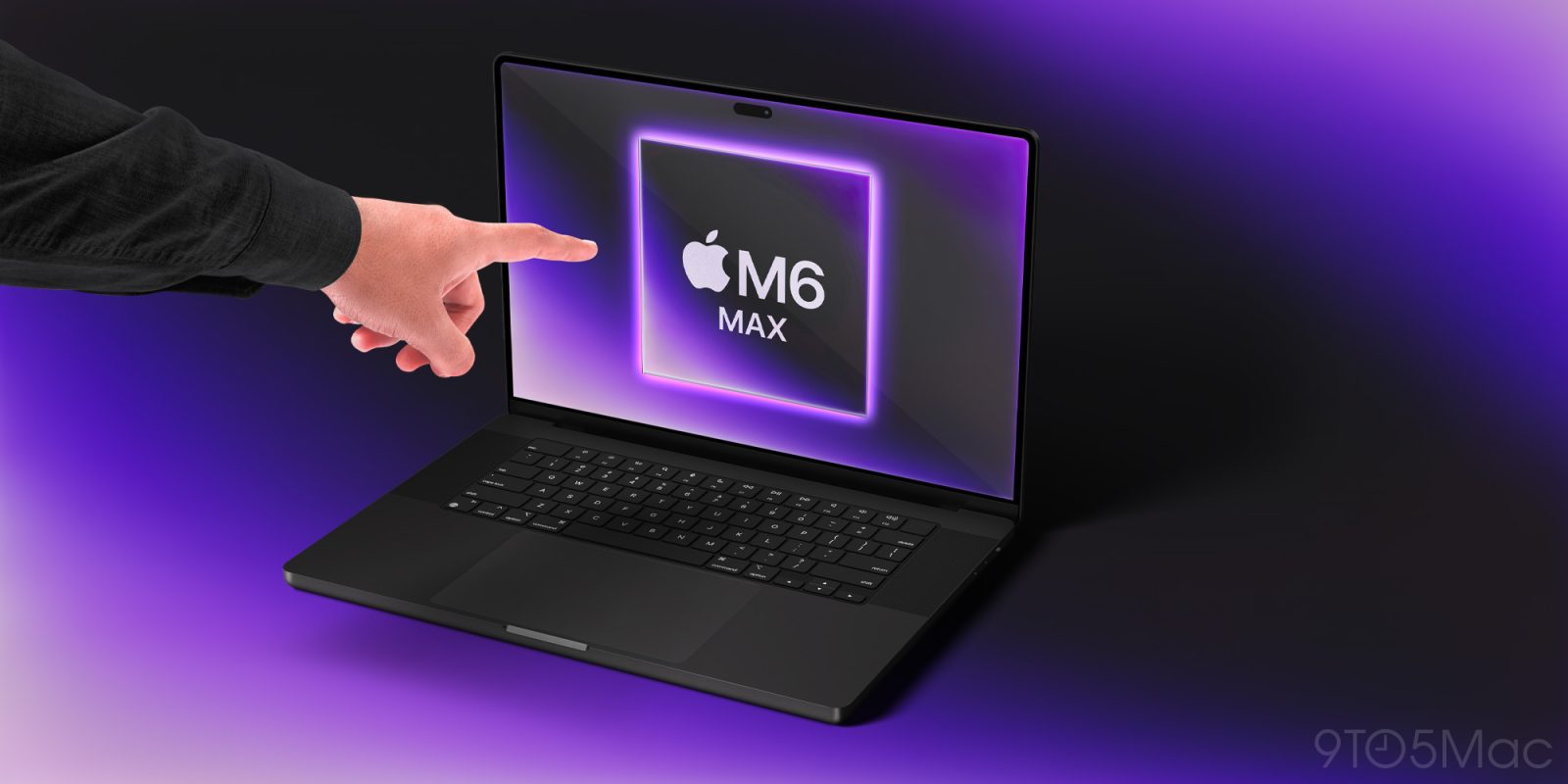
This aggressive pricing places Apple firmly alongside ultra-premium Windows PC manufacturers, such as Dell Technologies, whose high-end, OLED-equipped touchscreen laptops occupy a similarly exclusive financial tier. Despite the steep entry barrier, Apple does not intend to phase out its current inventory immediately. Gurman notes that retail stores remain heavily stocked with the standard non-touch MacBook Pro models (currently priced at $2,499 for the 14-inch and $2,999 for the 16-inch versions), and these configurations will continue to be sold alongside the new touchscreen variants. Consequently, consumers who desire the redesigned hardware chassis or the upgraded thermal architecture will find themselves forced to absorb the higher cost, regardless of whether they actively desire or intend to use a touchscreen interface.
Engineering and Design Innovations
Beyond the integration of OLED panels and touch sensitivity, the upcoming MacBook Pro models feature a comprehensive physical redesign aimed at improving both ergonomics and thermal performance. Industry reports indicate that the new devices boast a noticeably thinner and lighter body, complemented by dramatically reduced bezel widths surrounding the display. This aesthetic refinement is matched by functional mechanical upgrades, including a specially engineered, stiffer hinge mechanism designed specifically to counteract the natural wobbling and displacement that typically occurs when a user physically interacts with a vertical touchscreen.
Thermal management has also undergone a radical re-engineering process. Apple’s hardware engineering teams have reworked the internal cooling architecture to channel airflow directly through the newly designed hinge structure. This innovative routing not only maintains optimal thermal dissipation under heavy professional workloads—such as video rendering, software compilation, and 3D modeling—but also plays a critical role in shedding overall weight from the machine’s chassis. Furthermore, the inclusion of the Dynamic Island, a software-driven hardware cutout previously restricted to the iPhone lineup, suggests a novel integration of system notifications, background tasks, and quick controls directly into the macOS menu bar environment.
The Four-Year Journey to Touchscreen Integration
The decision to incorporate touchscreens into the Mac lineup represents one of the most significant strategic reversals in modern computing history. For well over a decade, Apple executives—most notably late co-founder Steve Jobs—famously dismissed laptop touchscreens as ergonomically flawed and fundamentally counterintuitive for desktop-class operating systems. Jobs famously remarked that touch surfaces on vertical displays cause arm fatigue and make for a poor user experience compared to trackpads and mice.
However, internal dynamics shifted dramatically as market expectations evolved and competitor hardware closed the performance gap. According to Bloomberg’s reporting, the project to develop a touchscreen MacBook Pro was officially greenlit approximately four years ago under the direct authorization of Chief Executive Officer Tim Cook. Driven by persistent customer demand that eventually made touchscreens an undeniable industry expectation, Cook reportedly cut through internal debate with a decisive directive: "He said we should just do it," according to an insider familiar with the executive deliberations.

John Ternus, Apple’s Senior Vice President of Hardware Engineering, oversaw the development and execution of the new MacBook Pro models. Within internal corporate circles, Ternus reportedly argued that Apple had gradually ceded its leadership position in laptop versatility and that touch interfaces had transformed into foundational "table stakes" for the modern portable computer market. This internal consensus paved the way for engineering teams to solve the complex optical, thermal, and mechanical challenges required to bring touch functionality to macOS without compromising the traditional reliability, color accuracy, and durability expected from a professional Mac display.
Chronology of Events and Upcoming Launch Timeline
The path to tomorrow’s "Pro and Tell" event has been marked by a steady cadence of leaks, supply chain insights, and strategic corporate rollouts. The timeline of this hardware evolution highlights Apple’s calculated approach to updating its professional catalog:
- June 2026: Apple implements broad price adjustments across its Mac and iPad portfolios, resetting the baseline market expectations for professional-tier hardware costs.
- October 19, 2026: Apple officially sends out media invitations for a special virtual and in-person event dubbed "Pro and Tell," scheduled for October 28.
- October 25, 2026: Early supply chain reports surface indicating an imminent redesign of the MacBook Pro line, centered around OLED display panels and touch capabilities.
- October 27, 2026: Mark Gurman publishes detailed pricing and background information via Bloomberg, confirming the $2,899 starting price point and outlining Tim Cook’s historical greenlight of the project four years prior. Retail inventory checks reveal that non-touch models will remain available on store shelves.
- October 28, 2026 (Tomorrow): Apple’s official "Pro and Tell" event kicks off, where the company is expected to formally unveil the touchscreen OLED MacBook Pro models alongside new M6-powered computing hardware. Preorders are anticipated to open immediately following the keynote.
- November 6, 2026 (Projected): Initial customer deliveries and in-store retail availability are slated to begin, marking the official commercial debut of touchscreen computing within the macOS ecosystem.
Broader Market Implications and Industry Analysis
The introduction of an OLED touchscreen MacBook Pro carries profound implications for both Apple and the broader personal computer industry. For years, the boundary between Apple’s tablet division (running iPadOS) and its computer division (running macOS) remained strictly defined by the presence or absence of a touchscreen. By bridging this gap, Apple is signaling a potential convergence in how users interact with their professional tools, potentially paving the way for developers to optimize macOS applications for touch navigation, gesture control, and stylus integration.
At the same time, the aggressive pricing strategy underscores Apple’s confidence in its brand loyalty and the unparalleled performance-per-watt metrics of its proprietary Apple Silicon chips. By restricting the new form factor to the ultra-premium end of the market, Apple insulates its core volume sales from immediate shock while establishing a new, ultra-luxury tier for creative professionals, software engineers, and power users who demand the absolute pinnacle of display fidelity and hardware versatility.
As the tech world tunes in to tomorrow’s presentation, all eyes will be on Apple Park to see how the company frames this historic transition. Whether the industry at large follows Apple’s lead into high-priced, touch-enabled professional laptops or whether consumers embrace the new ergonomic paradigm remains one of the most compelling narratives in contemporary consumer technology.