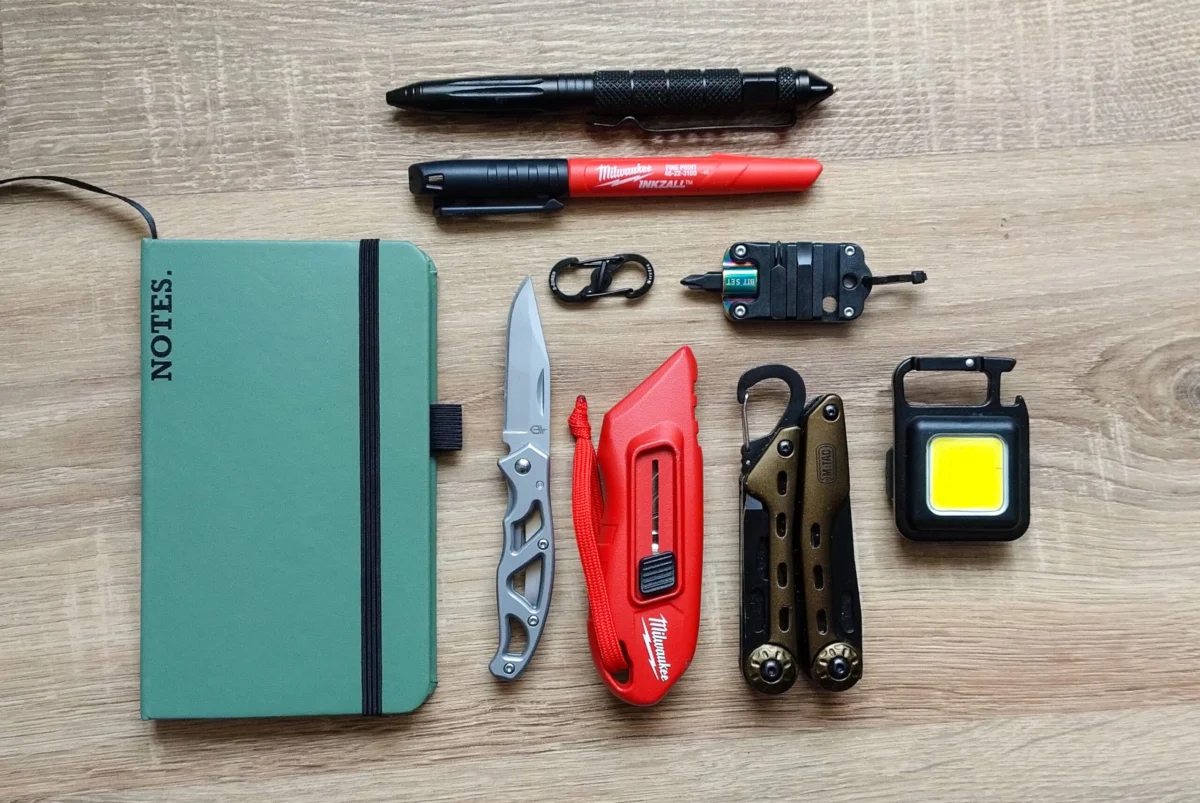
The concept of Everyday Carry (EDC) has transcended its origins in tactical and survivalist circles to become a cornerstone of modern urban efficiency, particularly for professionals operating in dynamic environments such as retail. Recently, Kinga, a retail professional based in Poland, showcased a curated collection of gear that emphasizes minimalist utility, aesthetic coherence, and cost-effective performance. Her approach highlights a growing trend among urban workers: the integration of high-lumen, compact lighting solutions and multi-functional tools designed to solve common, daily inconveniences without the burden of heavy, specialized equipment.
The Evolution of Personal Utility Gear
The discipline of EDC is rooted in the philosophy of preparedness. Historically, this practice was reserved for military personnel or outdoor enthusiasts who required specialized kits for survival. However, in the last decade, the democratization of manufacturing—specifically regarding LED and lithium-ion battery technology—has allowed the average consumer to carry tools that were once prohibitively expensive or bulky.
For a retail professional like Kinga, the requirements are distinct. Retail environments often demand quick access to lighting for inventory inspection, package handling, or navigation in dimly lit stockrooms. The transition from traditional incandescent flashlights to Chip-on-Board (COB) technology has been a primary driver in this shift. COB lights offer a high lumen-to-size ratio, providing a wide, diffused beam that is ideal for close-range tasks, distinguishing them from the tactical, focused beams of traditional flashlights.
Chronology of the EDC Movement
The movement toward organized, daily-carried equipment began to gain significant momentum around 2010, catalyzed by the rise of social media platforms that allowed enthusiasts to photograph and share their pocket dumps.
- 2010–2014: The "Tactical Chic" era, where consumers prioritized rugged, military-grade materials like titanium and high-carbon steel.
- 2015–2019: A pivot toward "Urban EDC," focusing on aesthetics, ergonomics, and integration into office or retail settings. Tools became smaller, sleeker, and more focused on digital-age connectivity.
- 2020–Present: The current era emphasizes high-utility, low-cost accessibility. The rise of global marketplaces has introduced a variety of rechargeable, multi-purpose gadgets, such as the MAKDAK COB Keychain Work Light, which balances budget-friendliness with high-performance output.
Technical Analysis: The COB Keychain Flashlight
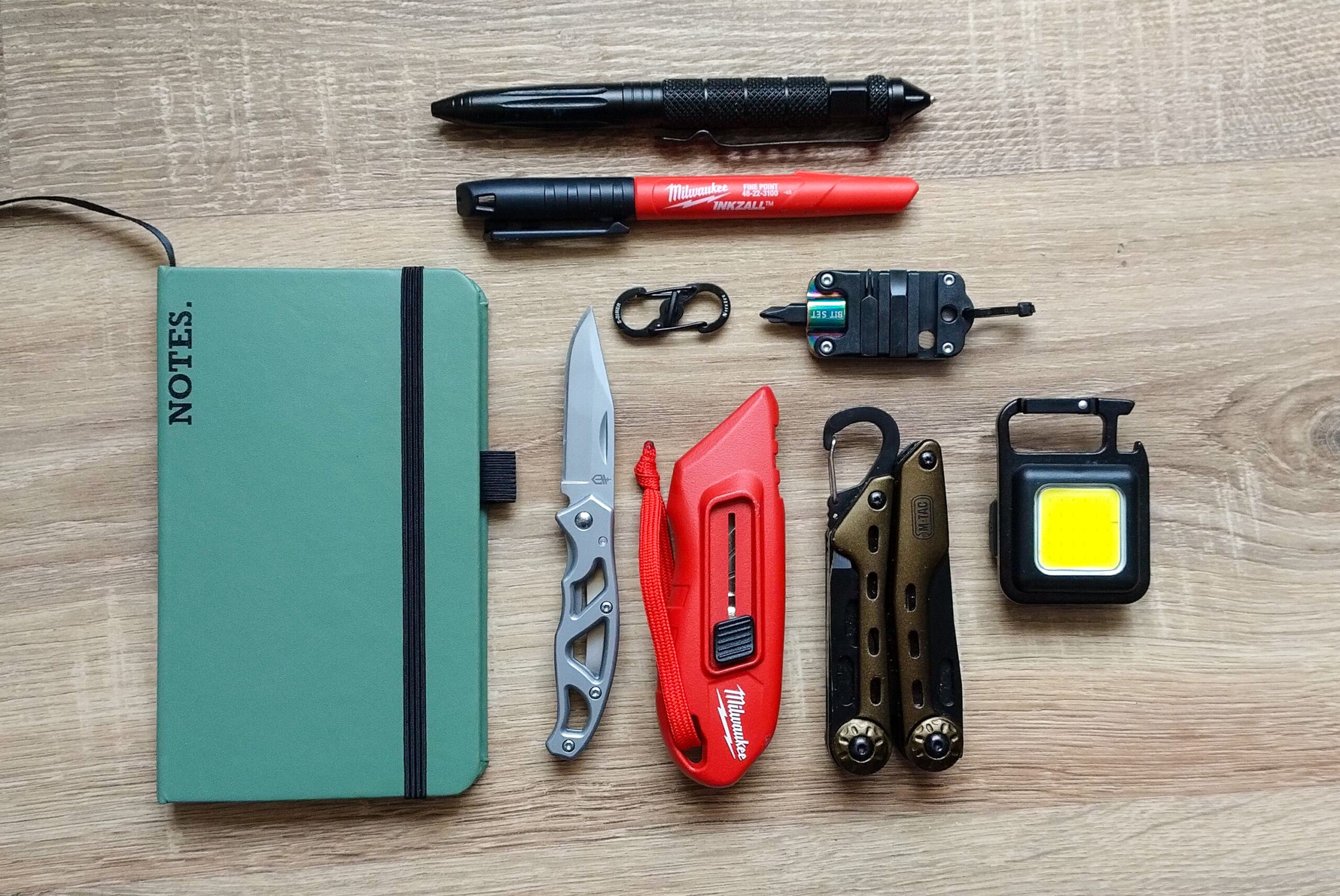
Central to Kinga’s carry is the COB keychain light, a piece of equipment that warrants a deeper technical inspection. Unlike traditional LED bulbs, COB LEDs consist of multiple tiny LED chips bonded directly to a substrate. This configuration results in a higher luminous flux per square inch, allowing for a compact, square-shaped form factor.
Data suggests that these keychain units typically output between 300 and 500 lumens. In a practical retail application, 500 lumens is more than sufficient for illuminating dark shelves or identifying small labels. Furthermore, the inclusion of a folding bracket and magnetic backing—standard features on modern COB keychain lights—allows for hands-free operation. This is a critical advantage for employees who must manage inventory or handle merchandise while maintaining visibility.
From a sustainability perspective, the shift to USB-rechargeable lithium-polymer batteries represents a significant reduction in waste compared to single-use alkaline batteries. An average USB-rechargeable unit can undergo hundreds of charge cycles, effectively lowering the long-term cost of ownership for the user while providing a reliable power source for an entire work shift.
The Intersection of Aesthetics and Functionality
While utility remains the primary driver of EDC, aesthetics have become a secondary, yet powerful, motivator. The selection of tools that match in color, material, or design language reflects a sense of personal organization. In Kinga’s case, the selection is characterized by a cohesive design that does not look out of place in a modern sports retail setting.
This "aesthetic utility" is not merely vanity; it serves a psychological function. A well-organized kit is more likely to be carried consistently. If a tool is cumbersome, ugly, or difficult to deploy, the user is statistically more likely to leave it at home. By selecting gear that is both functional and visually appealing, users ensure that their tools are present when an emergency or mundane task arises.
Regional Perspectives and Market Trends
The inclusion of local Polish brands in Kinga’s kit highlights a broader trend of "localism" within the global EDC market. As international shipping becomes more accessible, regional brands are finding success by focusing on high-quality, regionally manufactured components. This contrasts with the mass-market dominance of large, international electronics manufacturers, offering consumers a way to support local economies while still accessing cutting-edge technology.
Economic indicators suggest that the EDC market is expanding rapidly, with an expected compound annual growth rate (CAGR) that mirrors the broader "preparedness" sector. As inflation and supply chain volatility remain relevant, consumers are increasingly turning toward "value-driven" gear—tools that provide high reliability at a price point that does not necessitate a significant financial commitment.
Implications for the Modern Professional
The professional implications of carrying a personal kit are twofold. First, there is the efficiency gain. A worker equipped with a light, a blade, or a multi-tool can resolve minor maintenance issues—such as cutting zip ties, tightening a loose screw, or inspecting a dark corner—without relying on external resources or losing time to procure tools.
Second, there is the aspect of risk mitigation. While retail is not typically categorized as a high-risk profession, the unexpected is a constant. Power outages, structural maintenance, or even minor first-aid requirements can be mitigated with a basic kit. The psychological comfort of having "the most necessary tools," as noted by Kinga, contributes to a sense of agency and readiness that can improve overall job satisfaction and performance.
Expert Commentary and Industry Consensus
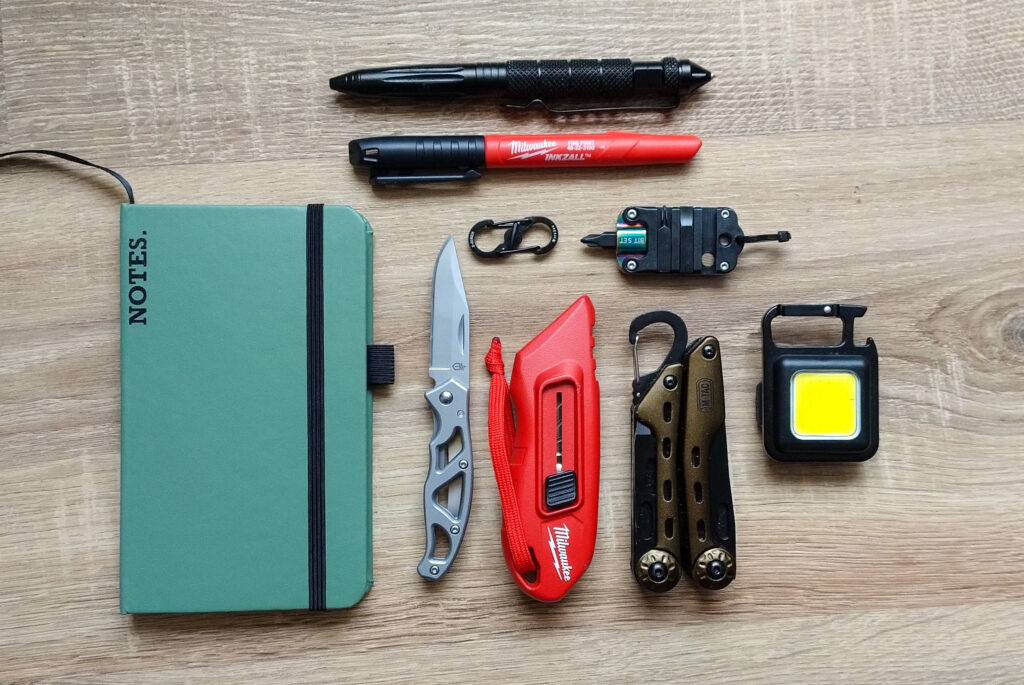
Industry analysts and professional instructors in the EDC space consistently emphasize the "Rule of Three": the necessity of having a light source, a cutting tool, and a means of payment or identification. Kinga’s kit adheres to this framework, prioritizing the light source as the most utilized component.
According to retail management experts, employees who demonstrate initiative and self-reliance are often better positioned to handle unexpected operational challenges. "When an employee has the ability to solve small, immediate problems on the floor, it creates a smoother operational flow," notes a retail consultant familiar with store logistics. "Whether it is a COB light for a dark storage bay or a multitool for minor assembly, these items are force multipliers for the individual worker."
Future Outlook of Personal Preparedness
Looking forward, the trend is moving toward "smart" EDC. We are beginning to see the integration of near-field communication (NFC) chips, advanced biometric security, and even more dense energy storage systems into everyday items. However, the core of the EDC movement will likely remain rooted in the basics: simple, reliable tools that enhance the user’s ability to navigate their daily life.
As consumers continue to prioritize portability and durability, manufacturers will face pressure to innovate in the areas of material science—specifically, using aerospace-grade aluminum or advanced polymers that reduce weight without compromising strength. The success of simple, effective tools like the MAKDAK keychain light suggests that the future of EDC is not necessarily in "over-engineering," but in refining the essentials to ensure they are available, effective, and reliable when needed.
In conclusion, the practice of curating an Everyday Carry kit is a practical response to the complexities of modern life. By focusing on utility, cost-efficiency, and personal design preferences, individuals like Kinga are proving that preparation does not require extreme investment or specialized training. Instead, it requires a thoughtful approach to the tools one interacts with every day, ensuring that regardless of the environment, the individual remains prepared to handle whatever tasks arise. Whether in a retail store in Poland or an office in New York, the principles of efficient, reliable, and accessible gear remain a universal constant in the professional world.