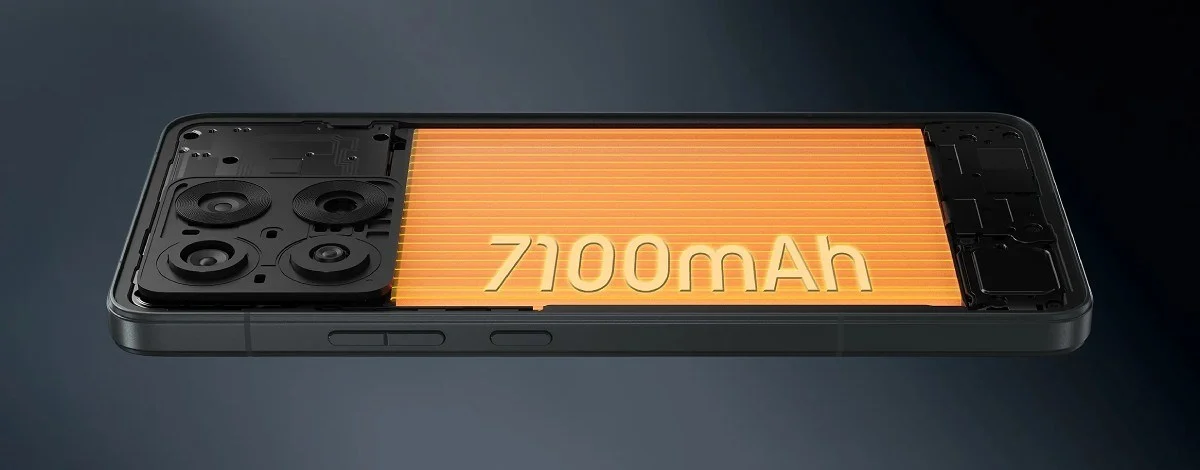
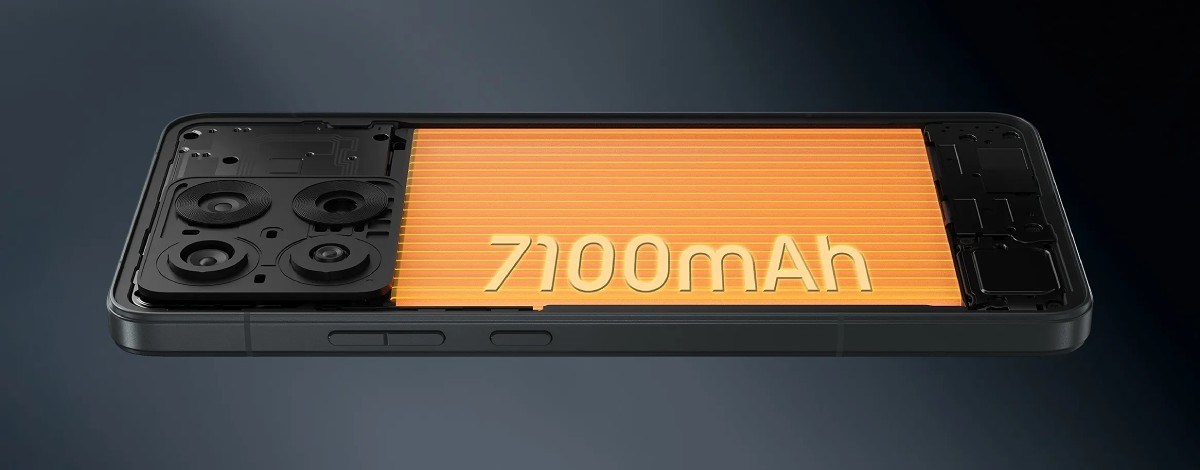
Emerging from a period of intense scrutiny regarding its software update policy, now largely clarified yet still retaining a degree of ambiguity, the Motorola Edge 70 Max presents itself as a compelling, albeit complex, contender in the competitive premium smartphone market. This device distinguishes itself within the Edge 70 series by incorporating the most potent chipset, a Snapdragon 8 Gen 5, which significantly outperforms the Snapdragon 7 and Dimensity 8 series processors found in its siblings. Beyond raw processing power, the Edge 70 Max boasts an exceptionally large 7,100mAh battery, dwarfing even the 6,500mAh capacity of the Pro and Pro+ models, establishing it as a leader in battery endurance within its family.
Unpacking the Core Specifications and Design Philosophy
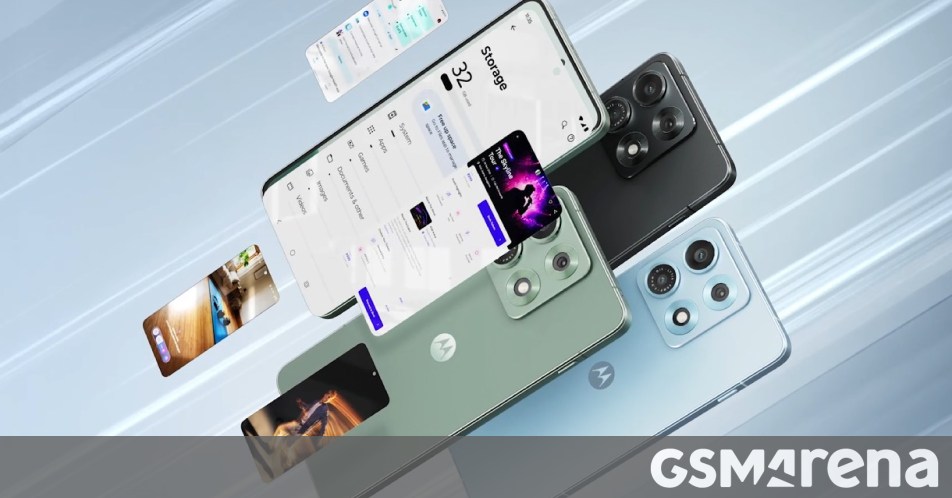
The Motorola Edge 70 Max is engineered to deliver a high-end user experience, starting with its robust internal architecture. The inclusion of a Snapdragon 8 Gen 5 chipset signals Motorola’s ambition to position this device squarely against established flagships. While details surrounding the specific iteration of this chipset and its exact performance metrics are often subject to pre-release speculation or regional variations, its designation implies a commitment to cutting-edge processing capabilities. This translates into seamless multitasking, demanding gaming performance, and efficient handling of AI-driven tasks, making the device a powerhouse for demanding users. The performance uplift compared to the mid-range Snapdragon 7 and Dimensity 8 series chips is substantial, offering a distinct advantage in raw speed and graphical prowess.
Beyond its processor, the Edge 70 Max prioritizes longevity and rapid replenishment. The colossal 7,100mAh battery is a standout feature, promising extended usage far beyond what many contemporary flagships offer. In an era where many premium smartphones settle for batteries in the 4,500mAh to 5,500mAh range, the Edge 70 Max’s capacity represents a significant commitment to user autonomy. Complementing this formidable battery is a 90W wired charging solution, capable of delivering substantial power in short bursts, minimizing downtime. Furthermore, the device integrates 25W wireless charging with full Qi 2.2 support and magnetic alignment, a feature that remains remarkably rare in the Android ecosystem. Qi 2.2, an evolution of the Qi wireless charging standard, incorporates the Magnetic Power Profile (MPP), drawing inspiration from Apple’s MagSafe technology. This ensures perfect coil alignment, leading to more efficient charging and the potential for a new ecosystem of magnetic accessories, offering a premium and convenient charging experience often exclusive to a select few high-end devices.
A Visual Spectacle: Display and Durability
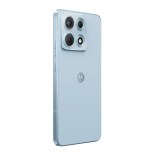
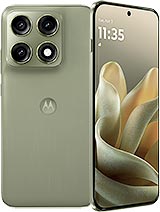
The visual interface of the Edge 70 Max is equally impressive. It features a 6.82-inch OLED display, rendering content with a sharp 1440p+ resolution and a fluid 144Hz refresh rate. Crucially, it is the only panel in the Edge 70 series to date to utilize LTPO (Low-Temperature Polycrystalline Oxide) technology. LTPO displays dynamically adjust their refresh rate based on the content being displayed, ranging from a low of 1Hz for static images to the full 144Hz for fast-paced gaming or scrolling. This intelligent adaptation significantly conserves battery life without compromising on visual fluidity when needed. Adding to its visual prowess, the screen boasts an advertised peak brightness of 7,000 nits. While such extreme brightness levels are typically reserved for small areas during HDR content playback rather than sustained full-screen illumination, it indicates exceptional outdoor visibility and a vivid HDR experience.
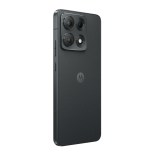
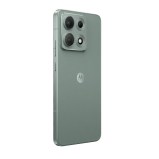
The physical construction of the Edge 70 Max reinforces its premium positioning. The device is built with an aluminum frame, providing structural rigidity and a tactile high-quality feel. Both the front and back panels are protected by Gorilla Glass 7i, a variant of Corning’s renowned strengthened glass designed to resist scratches and drops. Durability is further enhanced by comprehensive ingress protection ratings: IP68 ensures dust-tightness and protection against continuous immersion in water up to 1.5 meters for 30 minutes, while IP69 signifies resistance to high-pressure, high-temperature jets of water. This dual rating provides exceptional resilience against environmental factors, making the phone suitable for a wider range of activities and conditions. However, in a market segment where consumer preferences vary widely, some users may note the absence of a microSD card slot for expandable storage and a 3.5mm headphone jack, features that, while increasingly rare on high-end devices, remain important for a segment of the user base.
The Camera Conundrum: A Point of Contention
Despite its many hardware strengths, the camera system on the Motorola Edge 70 Max presents a potential area of compromise, especially when considering its asking price. The device is equipped with a relatively modest triple-camera setup comprising a 50MP main sensor, an 8MP ultra-wide lens, and a 32MP front-facing selfie module. While the 50MP main sensor, with its 1/1.56-inch optical format, is capable of capturing detailed images and 4K video at 60 frames per second, its overall configuration pales in comparison to many competitors in the premium segment. At a price point ranging from £700 to €800, consumers often expect more advanced photographic capabilities, such as dedicated telephoto lenses for optical zoom, larger sensor sizes for enhanced low-light performance, or more sophisticated ultra-wide sensors. While "not a bad camera," as the original assessment suggests, it falls short of being a leading photographic tool, which can be a significant deterrent for users prioritizing imaging performance in a flagship-tier device.
Pricing, Availability, and Value Perception
The Motorola Edge 70 Max enters the market with a tiered pricing strategy across different regions. In the UK, the 8GB RAM/256GB storage variant is priced at £700. European consumers can expect to pay €800 for the same configuration. India, a key market for Motorola, sees both 8GB/256GB and 12GB/256GB options available at ₹55,000 and ₹60,000 respectively.
To enhance its value proposition, particularly in Europe, Motorola includes a free pair of Moto Buds Loop and a charger (either 90W or 125W, depending on the region) with the purchase of the Edge 70 Max. This bundling strategy is a direct response to the industry trend of omitting chargers from smartphone boxes and offers tangible added value. However, the overall pricing places the Edge 70 Max squarely against well-established competitors from brands like Samsung, Google, and OnePlus, many of whom offer more comprehensive camera systems or clearer, longer-term software support commitments. The perceived value, therefore, becomes a complex equation balancing cutting-edge performance and battery life against camera capabilities and the crucial aspect of software longevity.
The Persistent Shadow: Motorola’s Software Update Policy Controversy
Perhaps the most significant and enduring concern surrounding the Motorola Edge 70 Max, and indeed Motorola’s premium lineup in general, revolves around its software update policy. The initial rollout was marred by ambiguity, leading to considerable controversy among prospective buyers and tech enthusiasts. Reports indicated a lack of clear communication regarding the number of Android OS updates and security patches the device would receive, a critical factor for expensive smartphones that users expect to keep for several years.
Chronology of the Controversy:
- Initial Reports: Early analyses and leaks concerning the Edge 70 Max and other devices in the series highlighted a vague or seemingly inadequate software update commitment. This sparked concerns, as competing brands like Samsung and Google had already set high benchmarks, offering 4-7 years of OS updates and 5-7 years of security patches for their premium devices. The lack of a firm statement from Motorola created uncertainty.
- Public Outcry and Industry Scrutiny: The ambiguity led to public discussion and criticism within tech communities and journalistic circles. Consumers expressed frustration, fearing their expensive new device would quickly become outdated or vulnerable to security threats. The issue was amplified by direct inquiries to Motorola, which, as the original article notes, often yielded "no avail" or inconsistent responses.
- Motorola’s Clarification (Partial): In response to the growing pressure, Motorola issued a clarification regarding its software support. However, this clarification itself remained somewhat opaque. For the Edge 70 Max, the stated policy hovered between "3 OS updates or maybe just 2" and "either 5 years of security patches or just 3 years." This ongoing lack of definitive commitment, particularly for a device in the premium segment, continues to be a point of concern.
Implications of Ambiguous Software Support:
The implications of such an inconsistent and ambiguous software update policy are profound.
- Device Longevity and Resale Value: A phone with a clear, long-term update commitment maintains its value better over time. Rapid cessation of OS updates can lead to a device feeling outdated faster, impacting user experience and significantly reducing its resale value.
- Security Risks: Security patches are crucial for protecting user data and device integrity from evolving cyber threats. A shorter or uncertain security update window exposes users to greater risks.
- Consumer Trust and Brand Reputation: In an increasingly competitive market, software support has become a key differentiator. Motorola’s wavering stance can erode consumer trust and negatively impact its brand reputation, especially as it attempts to re-establish itself in the premium segment.
- Feature Access: New Android OS versions bring not only security enhancements but also new features, UI improvements, and compatibility with the latest apps. A device stuck on an older OS version misses out on these advancements.
This persistent issue casts a significant shadow over an otherwise hardware-rich device, making the purchasing decision more complex for consumers who prioritize long-term usability and security.
Market Alternatives and Broader Industry Context
For consumers weighing the Motorola Edge 70 Max, several alternatives within Motorola’s own lineup and from competitors warrant consideration.
Within the Edge 70 Series:
- Motorola Edge 70 Pro: Launched at €800/£750, the Edge 70 Pro features a Dimensity 8500 Extreme chipset. While not matching the raw power of the Snapdragon 8 Gen 5, it is still a highly capable upper-mid-range processor. Crucially, the Pro variant boasts a more advanced camera system, including a 50MP 3.5x/81mm telephoto camera and an upgraded 50MP ultra-wide sensor, appealing to photography enthusiasts. Its 6,500mAh battery supports 90W wired and 15W wireless (non-magnetic) charging, offering a strong balance of endurance and convenience.
- Motorola Edge 70 Pro+: This is essentially the regional variant of the Edge 70 Pro for the Indian market, starting at ₹48,000. It offers similar specifications to the Pro, maintaining the enhanced camera capabilities and a slightly different pricing structure tailored for the Indian consumer base.
External Competition:
In the £700-€800 price bracket, the Edge 70 Max faces formidable competition from various brands:
- Samsung Galaxy S series (e.g., Galaxy S23/S24 FE or previous generation flagships): Samsung typically offers a highly polished user experience, industry-leading software support (often 4-7 years of OS updates), and versatile camera systems, albeit sometimes with smaller batteries.
- Google Pixel series (e.g., Pixel 8/8 Pro): Pixels are renowned for their exceptional computational photography, clean Android experience, and unparalleled software support directly from Google (7 years of OS and security updates for recent models), though their hardware might not always push boundaries in every spec.
- OnePlus (e.g., OnePlus 12R or older flagships): OnePlus devices often combine powerful chipsets with rapid charging and a generally clean OxygenOS experience, usually offering competitive software support policies (4 OS updates, 5 years security).
- Xiaomi/Redmi/POCO: These brands often offer aggressive pricing with powerful chipsets and rapid charging, though their software support can be more variable.
The Edge 70 Max attempts to carve out a niche through its superior chipset, massive battery, and unique magnetic wireless charging. However, its average camera system and the persistent uncertainty surrounding software updates compel consumers to weigh these strengths carefully against the more rounded packages offered by its rivals. For Motorola, the Edge 70 Max represents a strategic effort to reassert its presence in the premium segment, leveraging its historical strengths in design and battery life. However, sustained success in this fiercely contested market requires not only compelling hardware but also an unwavering commitment to software longevity and a clear, transparent communication strategy, areas where Motorola continues to face challenges.
Conclusion
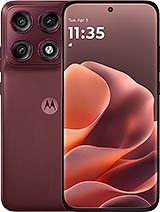
The Motorola Edge 70 Max emerges as a device of intriguing contradictions. On one hand, it champions an impressive array of hardware specifications: a powerful Snapdragon 8 Gen 5 chipset, an industry-leading 7,100mAh battery complemented by 90W wired and rare 25W magnetic wireless charging, and a brilliant 1440p+ 144Hz LTPO OLED display encased in a durable aluminum and Gorilla Glass 7i body with IP68/IP69 ratings. These features position it as a strong contender for users prioritizing raw performance, endurance, and a premium visual experience.
On the other hand, the device is held back by a camera system that, while functional, does not stand out in its price bracket, and more critically, by an ambiguous and concerning software update policy. The lack of a clear, long-term commitment to Android OS updates and security patches, especially when competitors are offering significantly extended support, undermines the value proposition of an otherwise premium device. This uncertainty impacts long-term usability, security, and potential resale value, forcing prospective buyers to weigh hardware excellence against software longevity.
Ultimately, the Motorola Edge 70 Max is a powerful statement of intent from Motorola, showcasing its capability to produce hardware that can compete at the highest levels. However, until the company provides a definitive and competitive software support policy, and perhaps refines its camera offering, the Edge 70 Max remains a compelling option for a niche audience prioritizing specific hardware advantages, but a potentially risky proposition for those seeking a well-rounded, future-proof premium smartphone experience.