Motorola has officially confirmed that its next-generation flagship smartphone, the Motorola Signature 27, will launch in North America, marking a significant strategic pivot for the Lenovo-owned brand. The announcement, made during Qualcomm’s annual Snapdragon Summit, addresses a long-standing gap in Motorola’s regional product deployment. In previous cycles, premium devices like the original Motorola Signature were restricted to European and Latin American markets, leaving consumers and industry analysts in North America without access to the company’s highest-tier traditional slab phones.
By making its debut as a featured Original Equipment Manufacturer (OEM) at the Snapdragon Summit, Motorola signaled its deep alignment with Qualcomm’s cutting-edge silicon architecture. The event, which serves as the premier annual showcase for mobile processors and advanced connected computing, provided the ideal backdrop for the company to detail its renewed focus on the high-end smartphone market. Executives confirmed that the Motorola Signature 27 will harness the formidable processing power of the Snapdragon 8 Elite Extreme Gen 6 chipset, a platform explicitly designed to handle heavy on-device artificial intelligence workloads, superior graphics rendering, and advanced multi-gigabit connectivity.
Strategic Shifts and Market Dynamics
The decision to bring the Signature 27 to North America comes on the heels of robust financial performance for the manufacturer. According to Nicole Hagen, executive director and head of Global Product Marketing at Motorola, the company recently closed its best quarter in history by revenue, posting a 15% year-over-year increase. Hagen noted that the vast majority of this financial growth was directly propelled by strong consumer demand for premium devices. Despite this momentum, Motorola has historically maintained a cautious approach to the North American market for traditional flagship phones, largely due to the entrenched market dominance of Samsung’s Galaxy S series and Apple’s iPhone lineup.
Over the past several years, Motorola concentrated its North American high-end strategy primarily on foldable form factors, establishing a strong footprint with the Razr flip phone series and, more recently, the Motorola Razr Fold. While these foldable devices achieved favorable consumer adoption and gradually incorporated more powerful processors, a segment of the user base continually expressed a desire for a conventional, high-performance flagship. Internal company metrics revealed that a notable number of consumers in the United States actively imported previous-generation Signature devices from overseas, providing hard data that validated domestic demand.
Engineering and Hardware Specifications
At the core of the Motorola Signature 27 is the integration of top-tier hardware configurations aimed at rivaling the market’s most established ultra-premium handsets. While the full technical specification sheet remains partially under wraps ahead of the official commercial release, Motorola has disclosed key details regarding the device’s imaging capabilities and structural design.
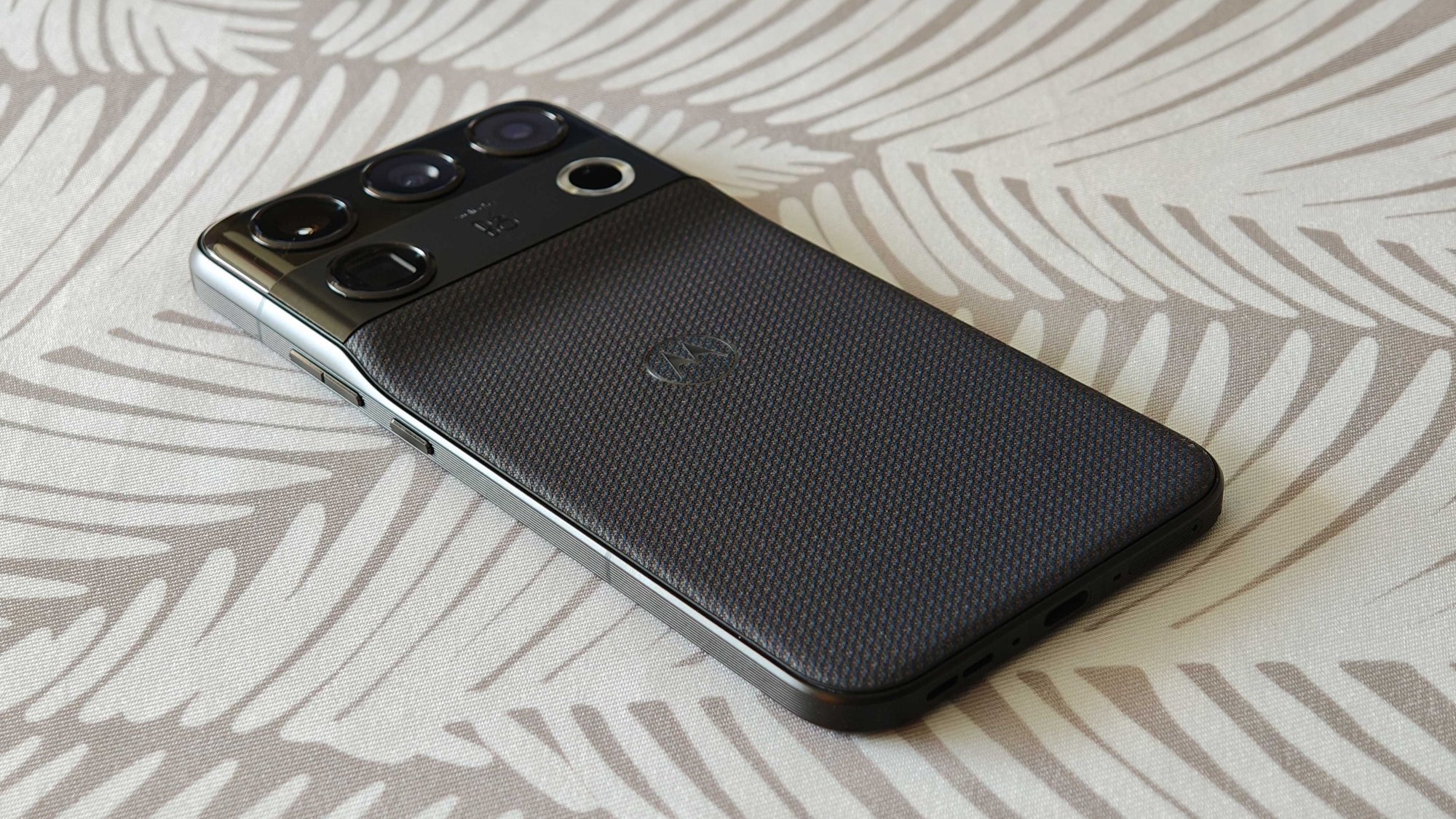
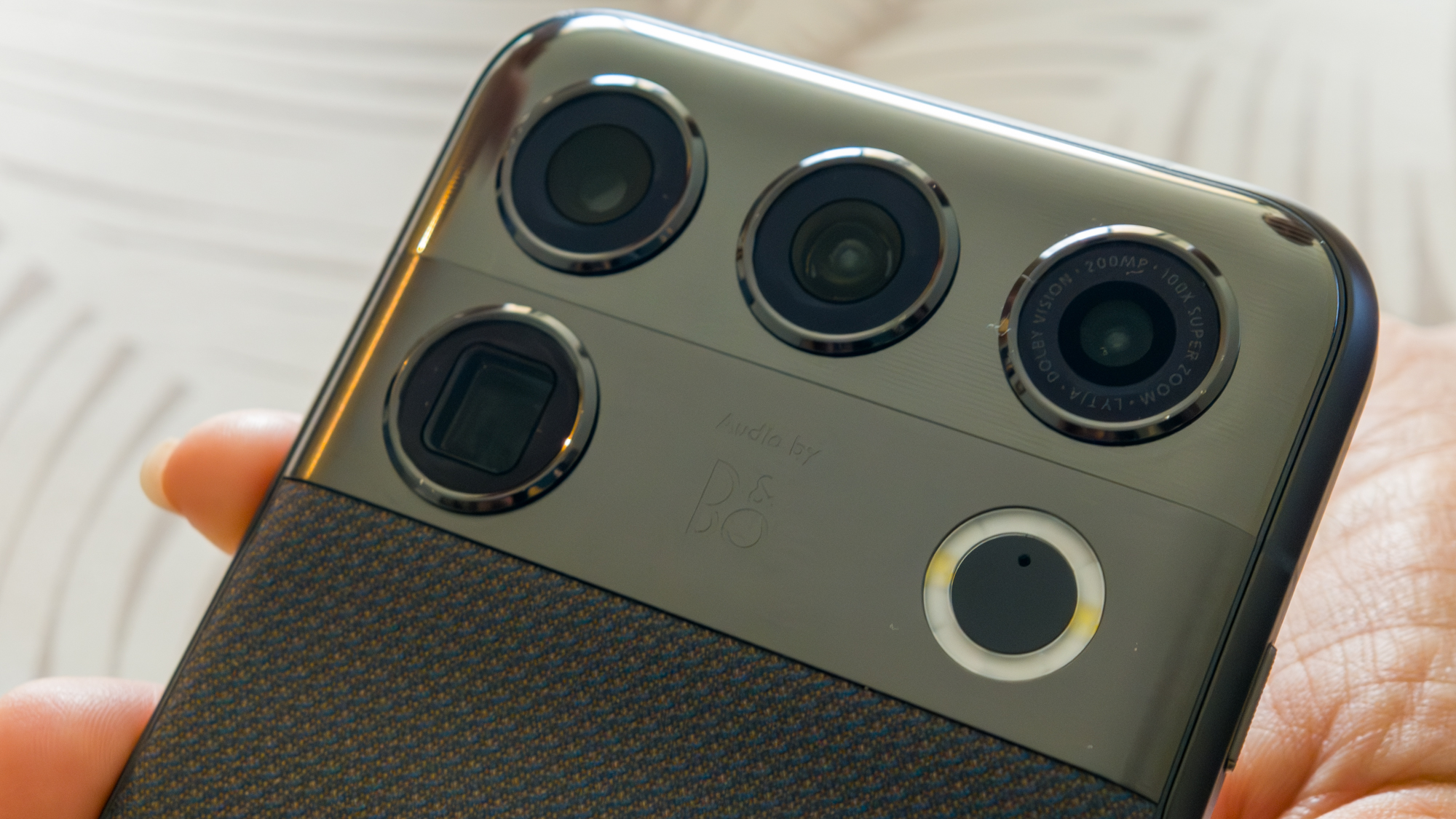
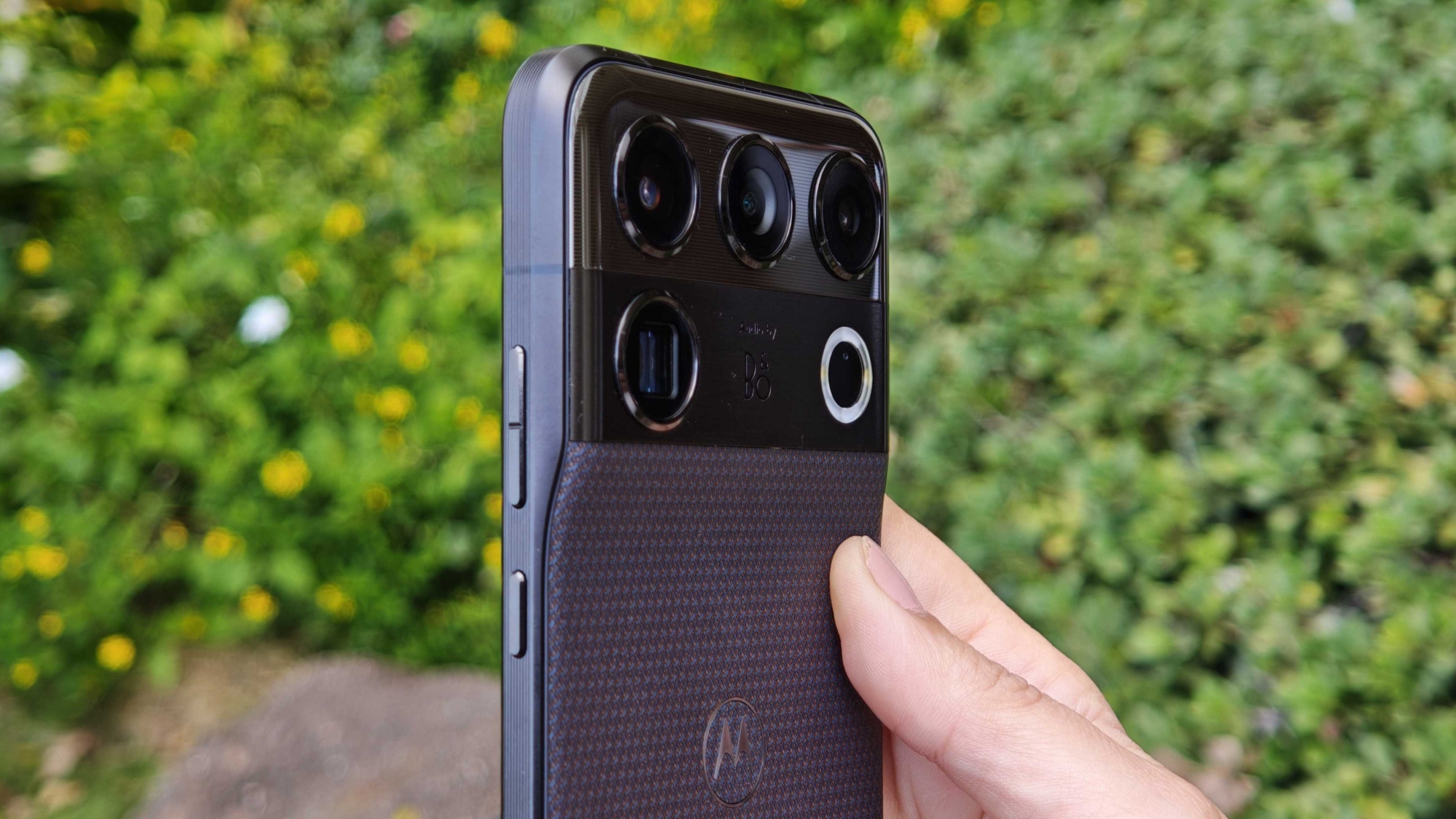
The primary camera array features a 50-megapixel Sony Lytia 910 main sensor paired with a high-resolution 200-megapixel periscope telephoto lens. To maximize the potential of these optics, Motorola engineers engaged in extensive collaborative tuning sessions alongside Qualcomm’s engineering teams. These optimization cycles focused heavily on refining the Snapdragon platform’s image-processing pipelines, neural processing units for AI-driven photography enhancements, and physical stabilization systems. Preliminary internal benchmarking indicates that the Signature 27’s camera output surpasses even the highly rated imaging suite found on the Motorola Razr Fold.
In a departure from industry norms that rely solely on in-house acoustic engineering or standard third-party suppliers, Motorola has forged a multi-year strategic partnership with Danish luxury audio manufacturer Bang & Olufsen (B&O). This collaboration builds upon Motorola’s existing aesthetic partnership with Pantone, integrating B&O’s century-long acoustic expertise into the acoustic tuning of the Signature 27’s internal speaker systems and audio playback output.
Redefining Industrial Design and Nomenclature
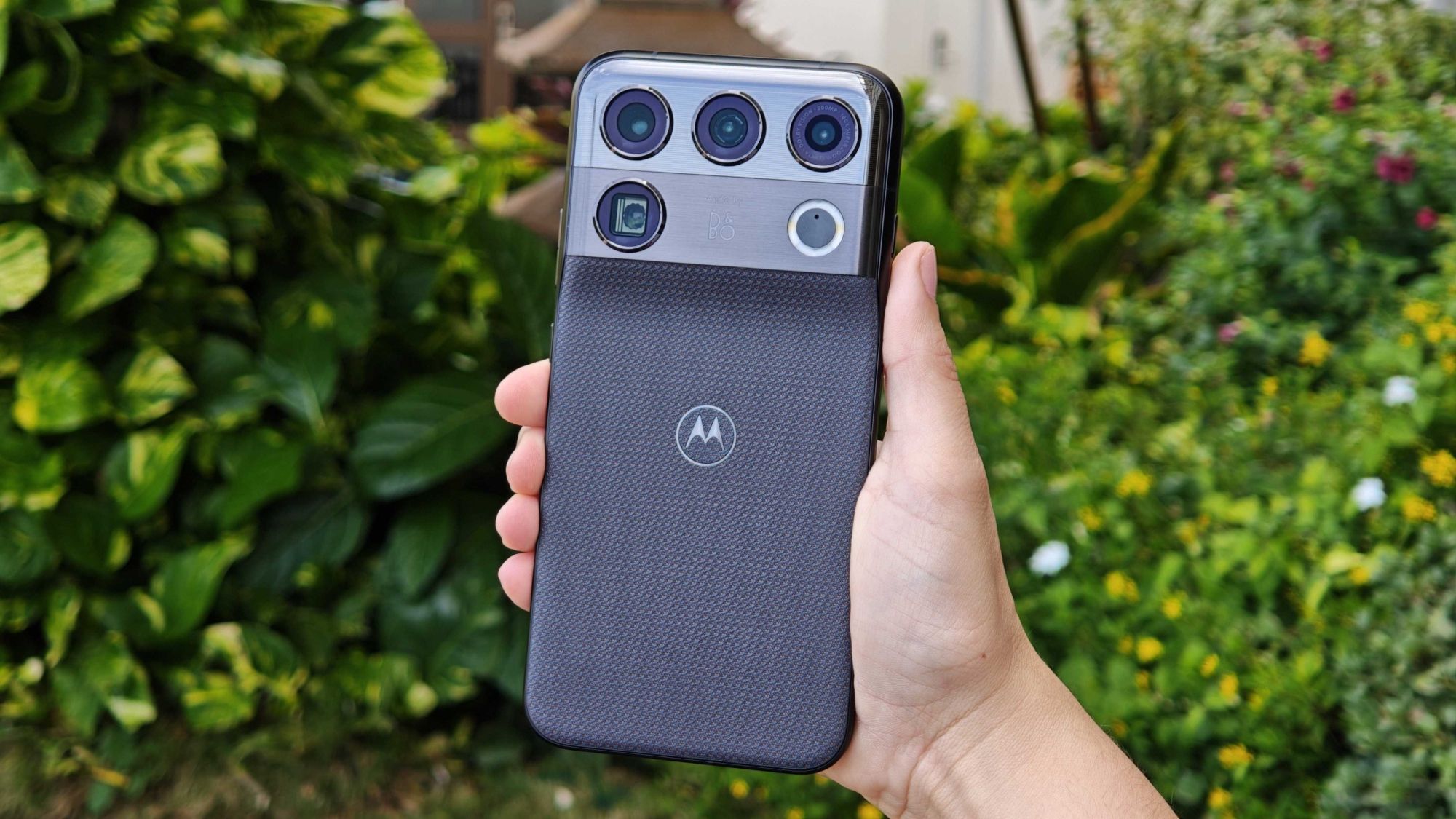
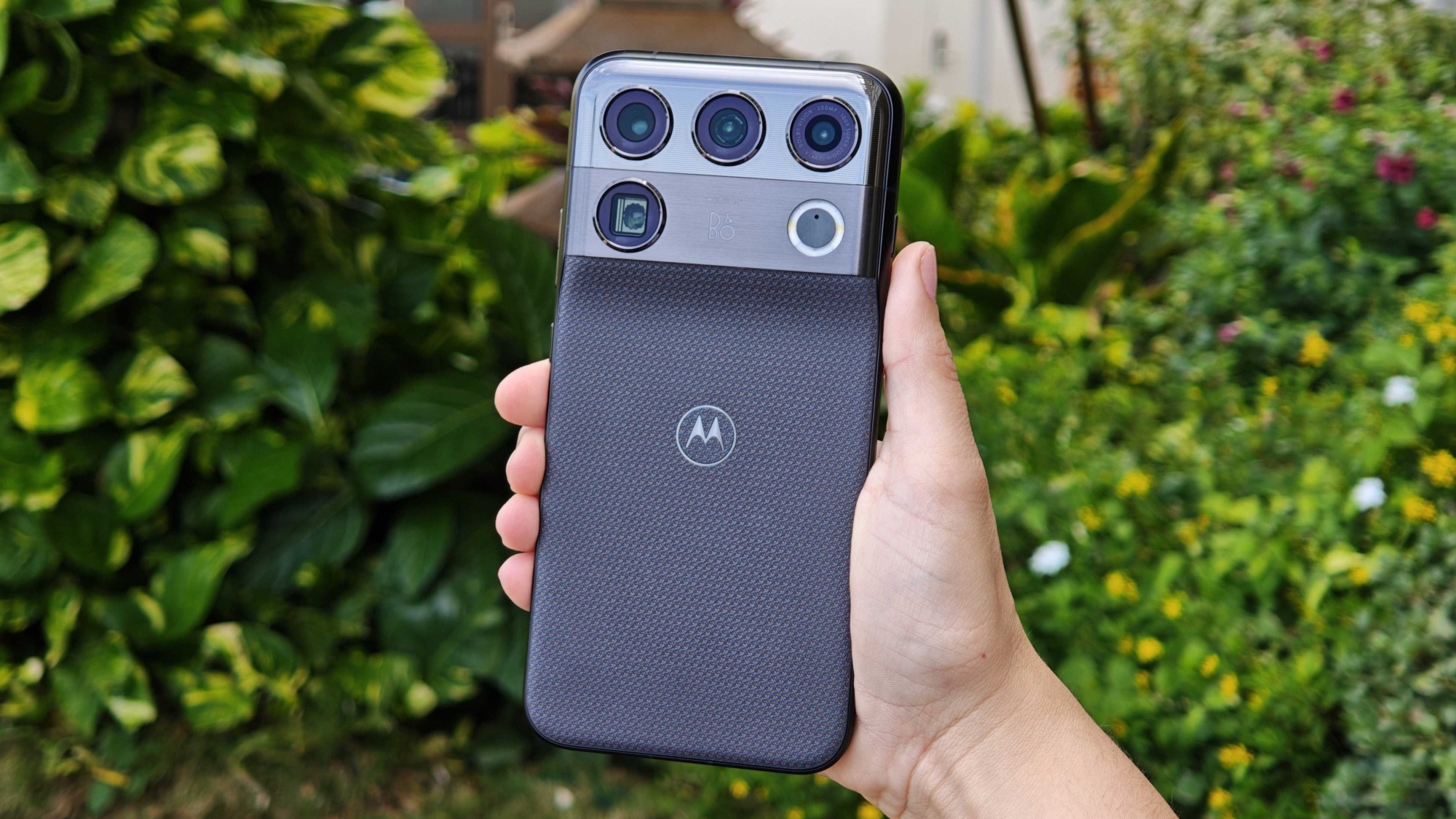
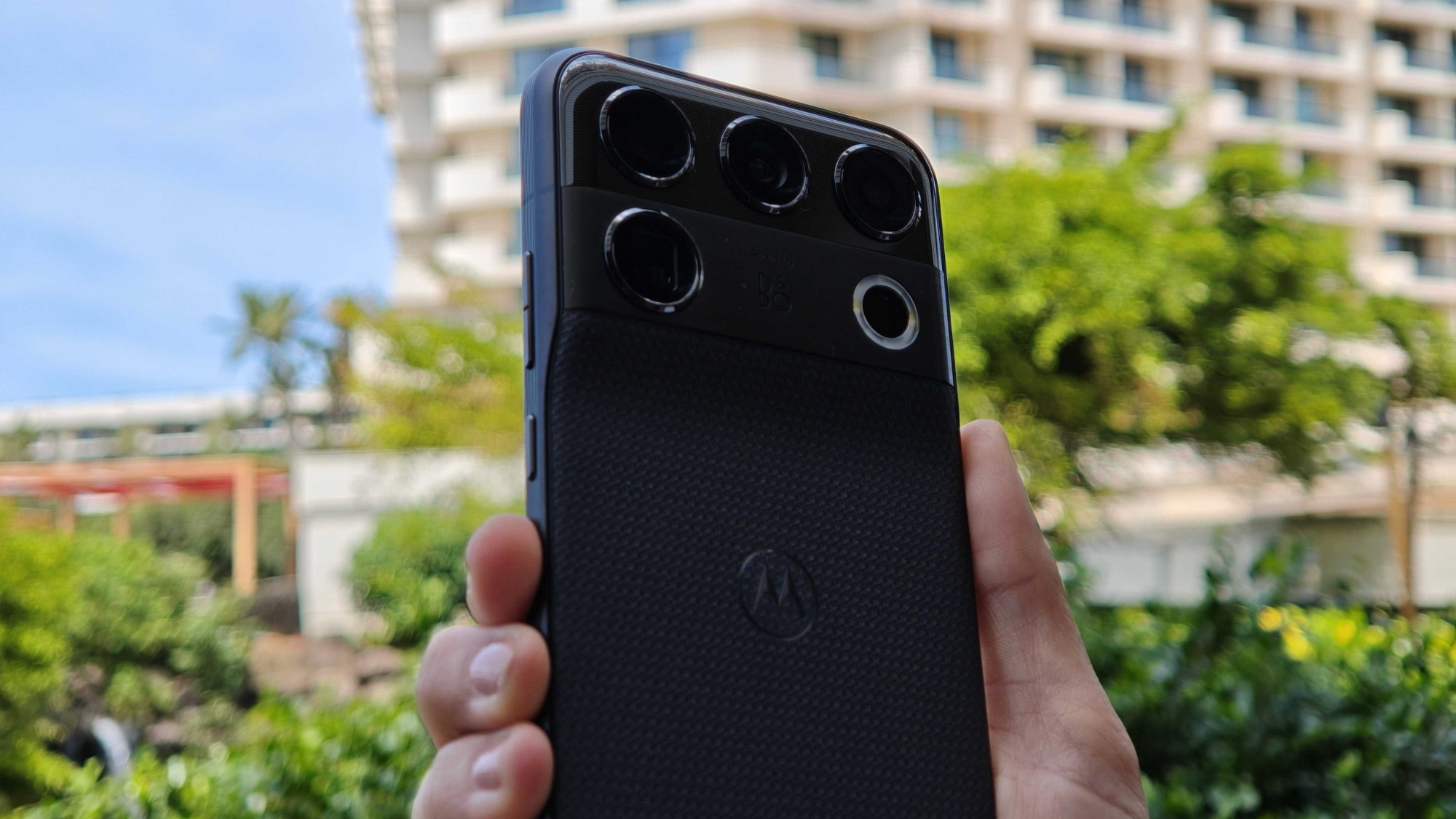
The physical architecture of the Motorola Signature 27 introduces a completely revised design language. Eschewing the asymmetric, side-mounted camera bumps that characterized previous generations, the new device features a centrally aligned, balanced camera housing on the rear panel. This layout eliminates the structural wobble commonly experienced when typing on flat surfaces while a phone rests on a desk. The housing itself combines ceramic and brushed aluminum textures, encasing five distinct circular cutouts for the sensors and flash unit.
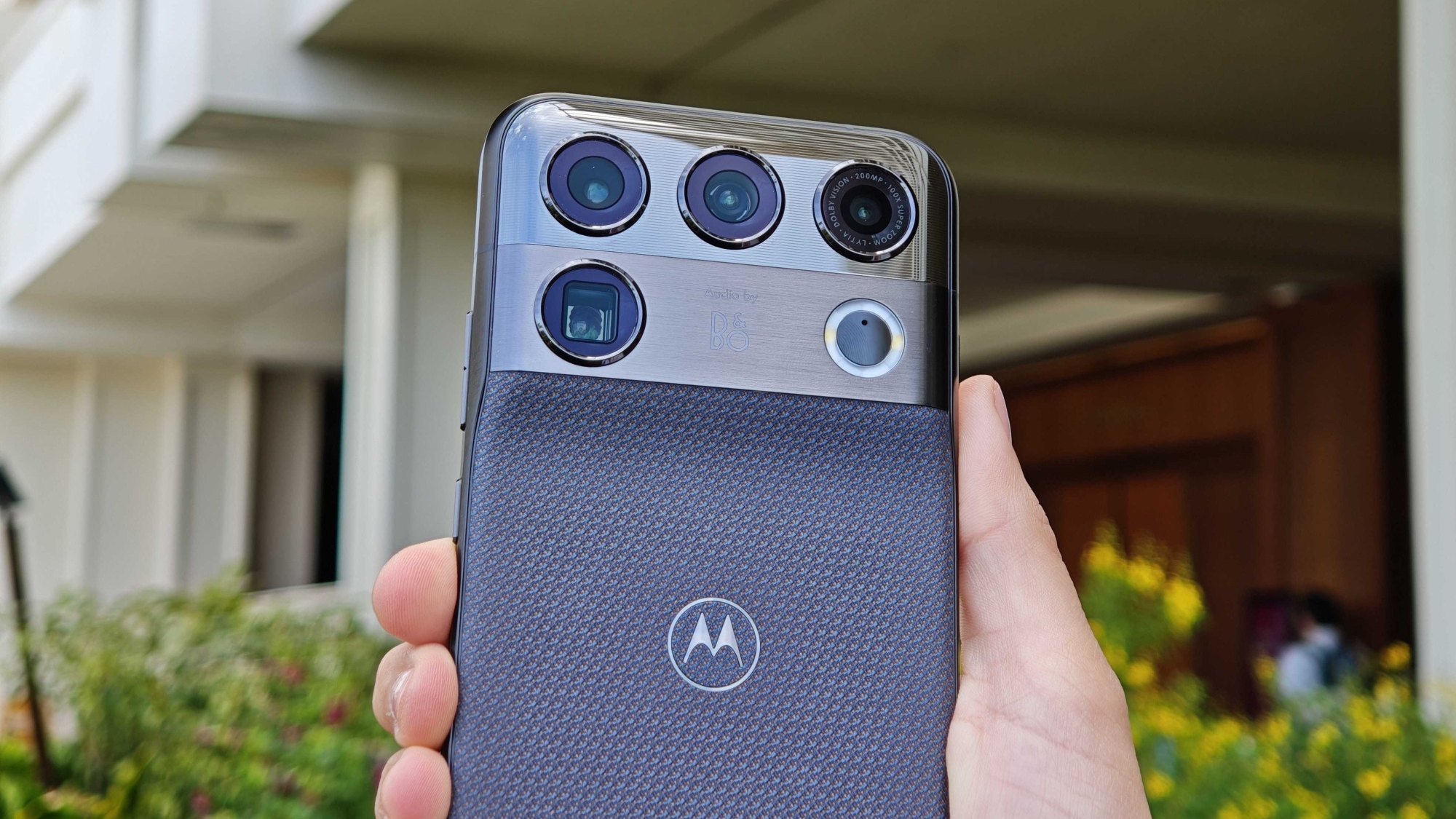
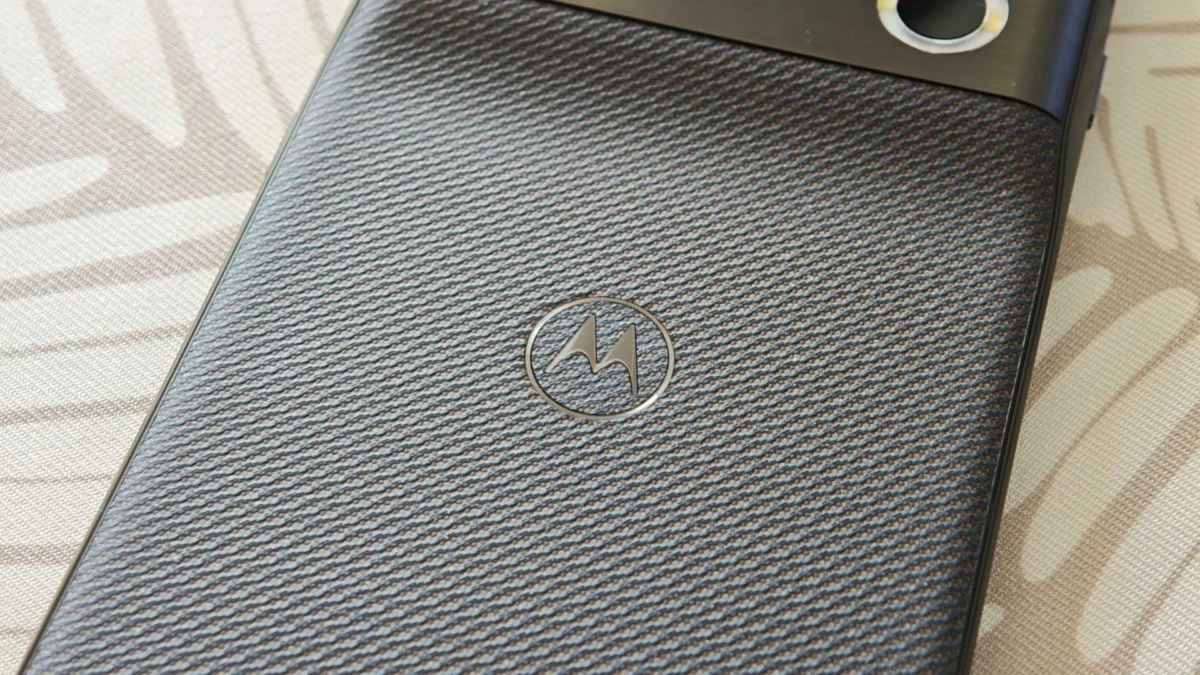
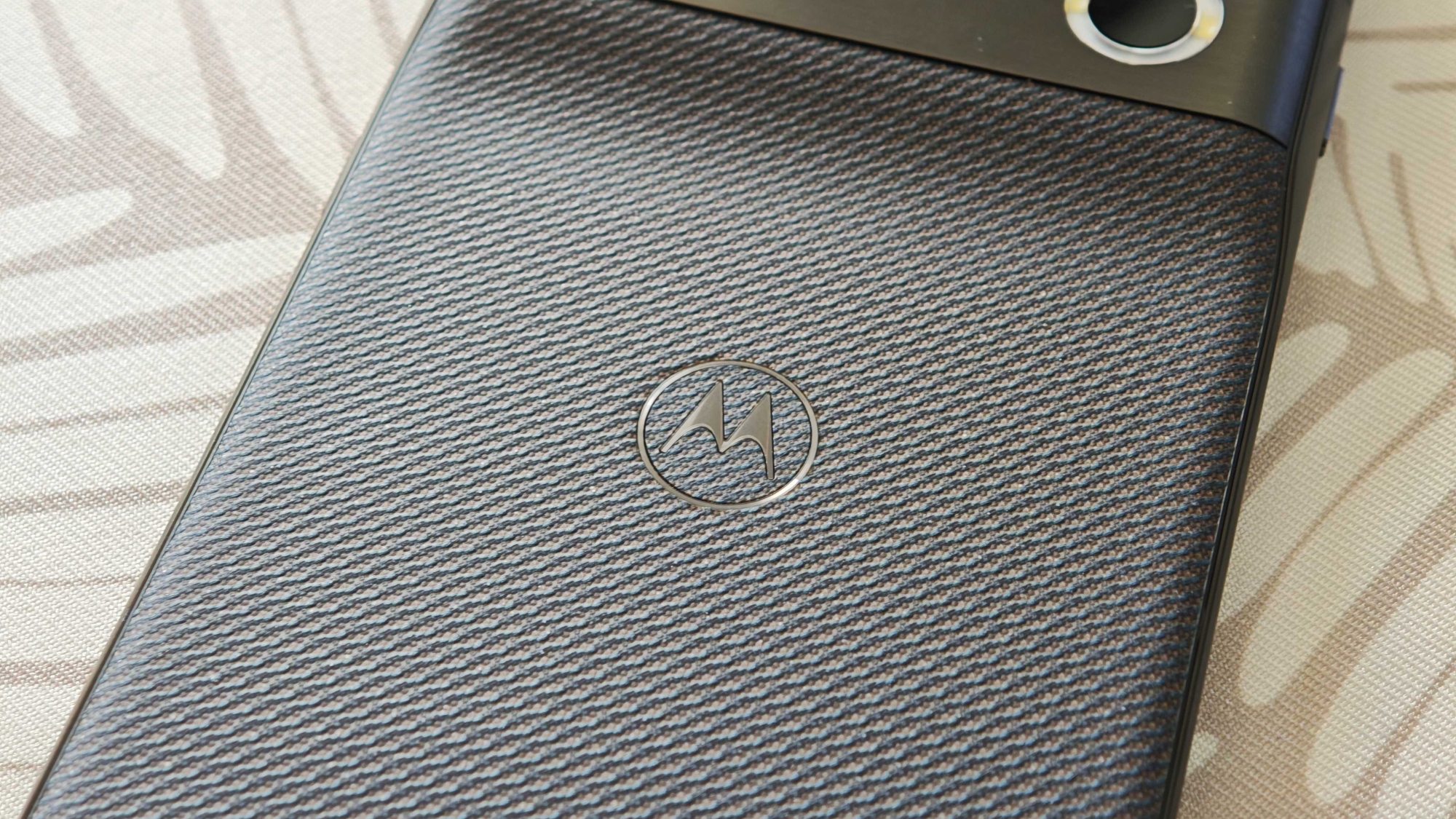
The device will be offered in two distinct tactile finishes: a durable, high-grip black woven texture and a soft, textile-inspired brushed green option utilizing Pantone’s Coal Smoke color palette. The slim chassis profile houses precision-machined metallic side buttons designed to elevate the tactile user experience.
Concurrently, Motorola has simplified its regional naming convention. Moving away from the full four-digit year designations previously utilized in North America, the company has adopted a two-digit naming structure. According to marketing leadership, this adjustment aligns the brand with automotive and consumer electronics industry standards, ensuring clarity for consumers evaluating device generations and purchasing compatible accessories.
Implications and Industry Outlook
The rollout of the Motorola Signature 27 represents a critical test for Motorola’s broader ambition to capture greater market share in the upper tiers of the mobile industry. By leveraging external best-in-class partnerships—such as Bang & Olufsen for audio and Qualcomm for high-end processing—the company is mitigating development silos and accelerating the delivery of competitive features to end-users.
While Motorola has not yet disclosed precise pricing structures, regional availability dates, or the complete hardware datasheet, the global launch scheduled for later this year will clarify how effectively the brand can challenge established market leaders in the premium segment. Industry observers will be monitoring DxOMark benchmarks and initial retail performance closely to determine whether the Signature 27 can successfully establish Motorola as a formidable competitor in the traditional North American flagship arena.