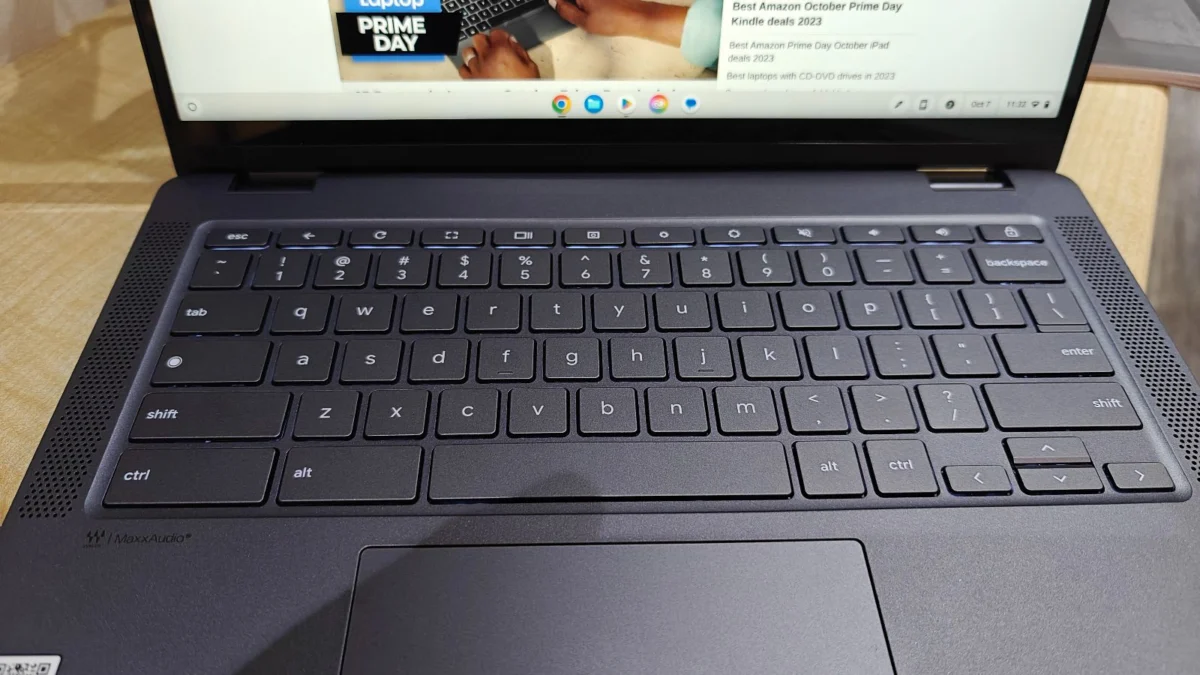
Navigating the sub-$500 laptop market has historically been a daunting exercise, often requiring consumers to choose between abysmal build quality and non-existent performance. However, as of mid-2025, the landscape has shifted significantly. Driven by advancements in low-power mobile processors and the maturation of ChromeOS, the entry-level segment now offers devices that provide legitimate utility for students, remote workers, and casual users without necessitating a premium investment. While budget constraints dictate that users must accept certain compromises—such as lower-resolution displays, limited local storage, and less durable chassis materials—the current generation of sub-$500 hardware excels at essential tasks like web browsing, cloud-based productivity, and media consumption.

The Evolution of the Budget Laptop Market
The classification of the "budget laptop" has undergone a radical transformation over the last five years. In the pre-pandemic era, sub-$500 machines were frequently criticized for sluggish performance, poor battery longevity, and low-quality TN panels. Today, the integration of more efficient Intel N-series chips and the proliferation of "Chromebook Plus" branding have standardized a baseline level of performance.
Market data suggests that while the average selling price of premium laptops has risen, the entry-level market has become more competitive. Manufacturers are increasingly utilizing premium design language—such as aluminum-alloy accents and high-fidelity OLED displays—in devices that previously would have been relegated to plastic-only construction. This shift is largely a response to the growing educational sector, which demands durability and all-day battery life for K-12 and collegiate environments.
Top Recommendations for 2025
Based on rigorous laboratory testing and real-world performance benchmarks, four models have emerged as the leaders in the sub-$500 category.
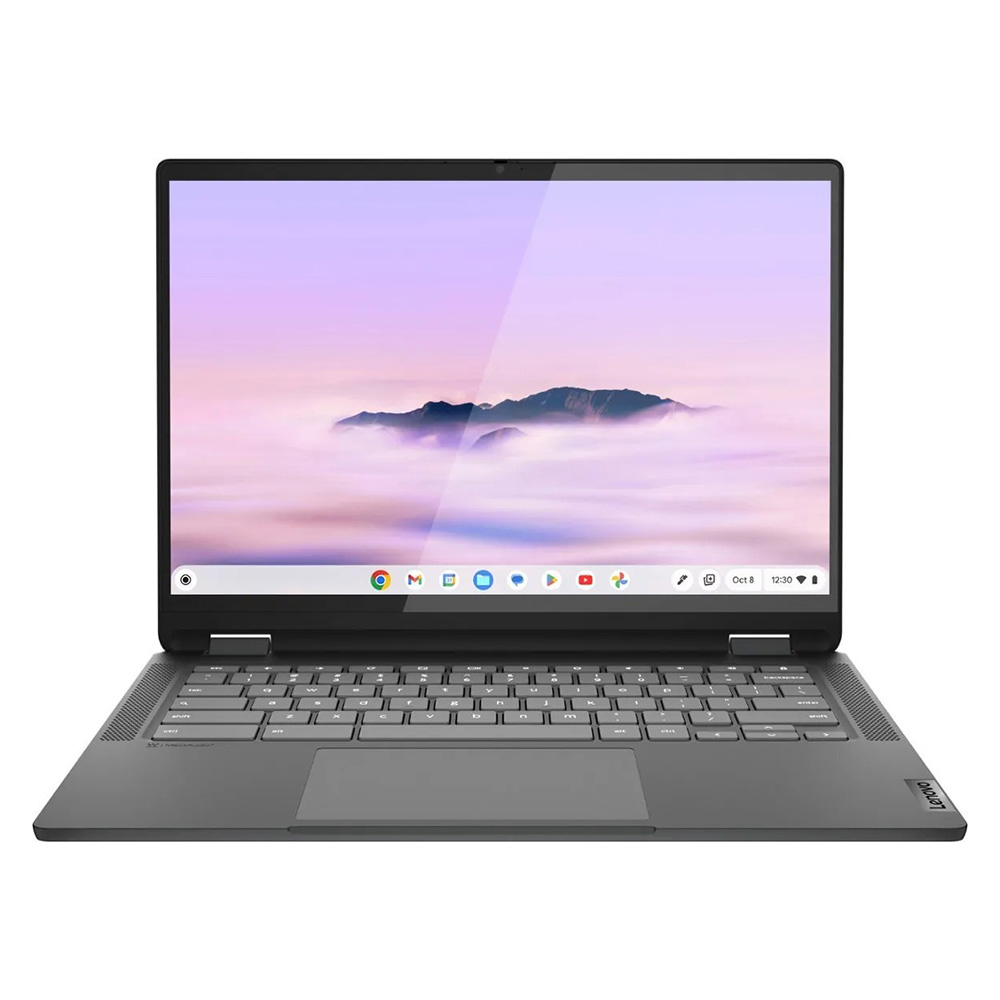
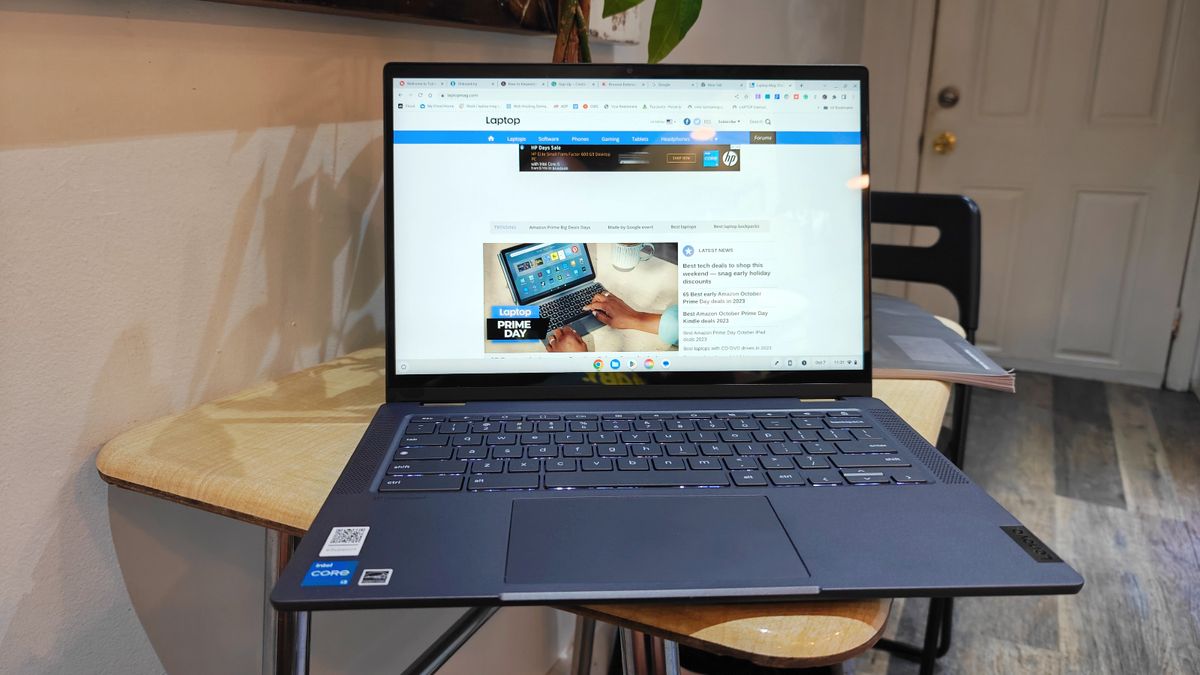
1. Lenovo IdeaPad Flex 5i Chromebook Plus (Best Overall)
Representing the pinnacle of budget versatility, the Flex 5i Chromebook Plus utilizes an Intel Core i3-1315U processor. Unlike many of its peers, this device leverages AI-integrated software features to enhance video call quality and system responsiveness. With a Geekbench 6 multi-core score of 5,384, it comfortably outperforms the budget average, making it suitable for multitasking across numerous browser tabs. Its 16:10 aspect ratio provides added vertical screen real estate, which is critical for productivity applications.
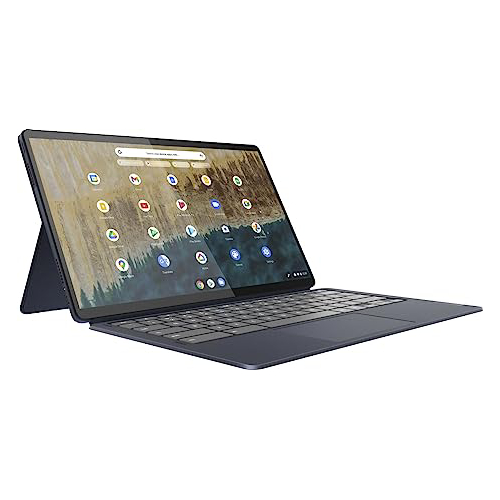
2. Lenovo Duet 5 Chromebook (Best Under $300)
The Duet 5 remains a unique proposition due to its detachable 2-in-1 form factor and its 13.3-inch OLED display. The inclusion of an OLED panel at this price point is remarkable, offering color accuracy and contrast ratios that typically appear only in high-end workstations. While its processor performance is modest—designed for light media consumption rather than heavy computational loads—it offers an exceptional 13 hours and 31 minutes of battery life, effectively making it the best portable companion for commuters.
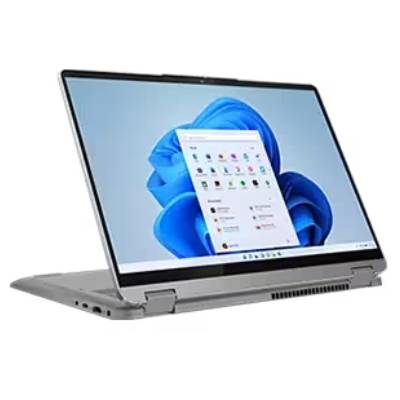
3. Lenovo IdeaPad Flex 5 14 (Best Windows Option)
For users who require the full Windows ecosystem, the IdeaPad Flex 5 14 stands out as a rare exception to the "cheap Windows laptop" rule. While many budget Windows devices struggle with thermal management, this unit maintains a stable performance profile, supported by 16GB of RAM in specific configurations. Its tactile, responsive keyboard makes it a viable tool for extended writing sessions. With over 14 hours of battery life in standardized web-surfing tests, it mitigates the primary weakness of most Windows-based portables.
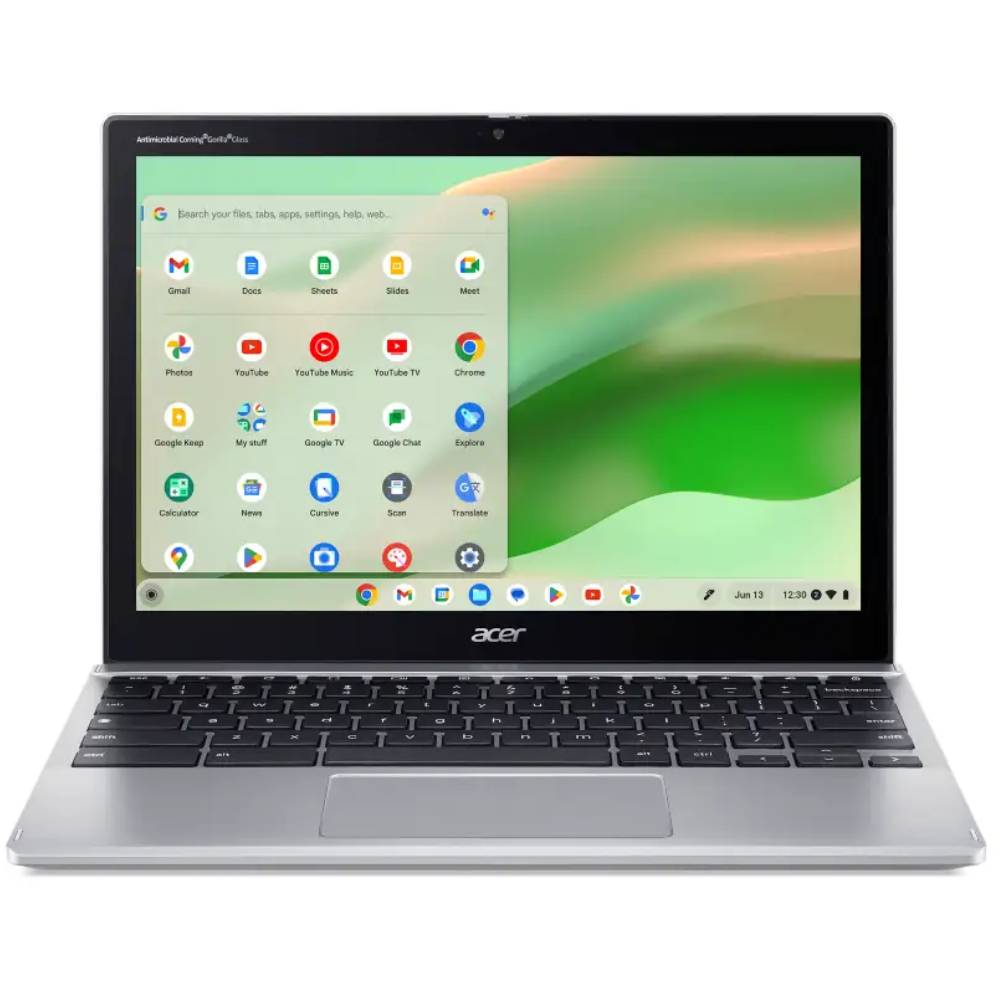
4. Acer Chromebook Spin 312 (Best for Students)
The Spin 312 is specifically optimized for the educational environment. Featuring a durable, silver-coated chassis and the industry-leading "OceanGlass" trackpad, it provides a tactile experience that belies its $450 price tag. Its 12.2-inch display is coated with Corning Gorilla Glass, which adds a layer of protection against the inevitable wear and tear of a school backpack.
Comparative Performance Analysis
To understand the tangible differences between these devices, one must examine the metrics obtained through systematic lab testing.
| Metric | Lenovo Flex 5i Plus | Lenovo Duet 5 | Lenovo Flex 5 14 | Acer Spin 312 |
|---|---|---|---|---|
| Geekbench 6 (Multi) | 5,384 | N/A | N/A | 4,477 |
| Battery Life (Web) | 9:43 | 13:31 | 14:16 | 10:33 |
| Display (Nits) | 306 | 361 | 200 | 277 |
| DCI-P3 Gamut | 46.5% | 85.2% | 45% | 55% |
The data indicates a clear trade-off strategy employed by manufacturers. The Duet 5 prioritizes display quality and battery endurance at the expense of processing power, while the Flex 5i Plus prioritizes raw computational speed for users who engage in more complex web-based workflows.
Strategic Considerations for Buyers
When purchasing in this price bracket, consumers should prioritize three specific criteria: form factor, operating system, and storage technology.

- Operating System: If a user’s primary tasks are cloud-based, ChromeOS remains superior to Windows. Windows 11 requires more substantial overhead; thus, a $400 Windows laptop will often feel slower than a $400 Chromebook with equivalent internal specifications.
- Storage Medium: Many budget laptops utilize eMMC (embedded MultiMediaCard) storage rather than NVMe SSDs. eMMC is significantly slower, which can lead to longer boot times and sluggish file transfers. If possible, prioritize any model that explicitly lists an SSD.
- The 2-in-1 Trade-off: While convertible 2-in-1 laptops offer flexibility, the hinges are a potential point of failure. If a user does not explicitly need a touchscreen or tablet mode, a traditional "clamshell" laptop will often provide higher build quality for the same price.
Economic and Industry Implications
The current pricing stability in the budget laptop sector is subject to external pressures. Analysts have noted that potential tariff hikes on electronic components and finished goods could impact the sub-$500 segment most severely. Because profit margins on these devices are razor-thin, manufacturers have little room to absorb increased import costs. Consequently, industry experts suggest that if tariff-related price increases materialize, the "budget" tier may effectively move toward the $600–$700 range, potentially erasing the value proposition that currently defines the market.
Furthermore, the longevity of these devices is a growing topic of discussion in the tech industry. As software requirements for browsers and productivity suites increase, the "shelf life" of an entry-level laptop is becoming a critical metric. A machine purchased today for $400 is generally expected to provide a usable experience for three to four years. Beyond this, the limitations of integrated eMMC storage and non-upgradeable RAM may render the devices obsolete.
Conclusion
The market for laptops under $500 has matured into a space where quality is no longer impossible to find. By focusing on specific use cases—such as the portability of the Duet 5 or the processing efficiency of the Flex 5i—consumers can secure highly capable machines. As the technology continues to evolve, the distinction between "budget" and "mainstream" hardware continues to blur, offering significant benefits to students and budget-conscious professionals alike. However, prospective buyers should remain vigilant regarding hardware specifications, particularly storage types and processor generations, to ensure that their investment provides lasting utility in an increasingly demanding digital landscape.