Published July 17, 2026 04:28PM
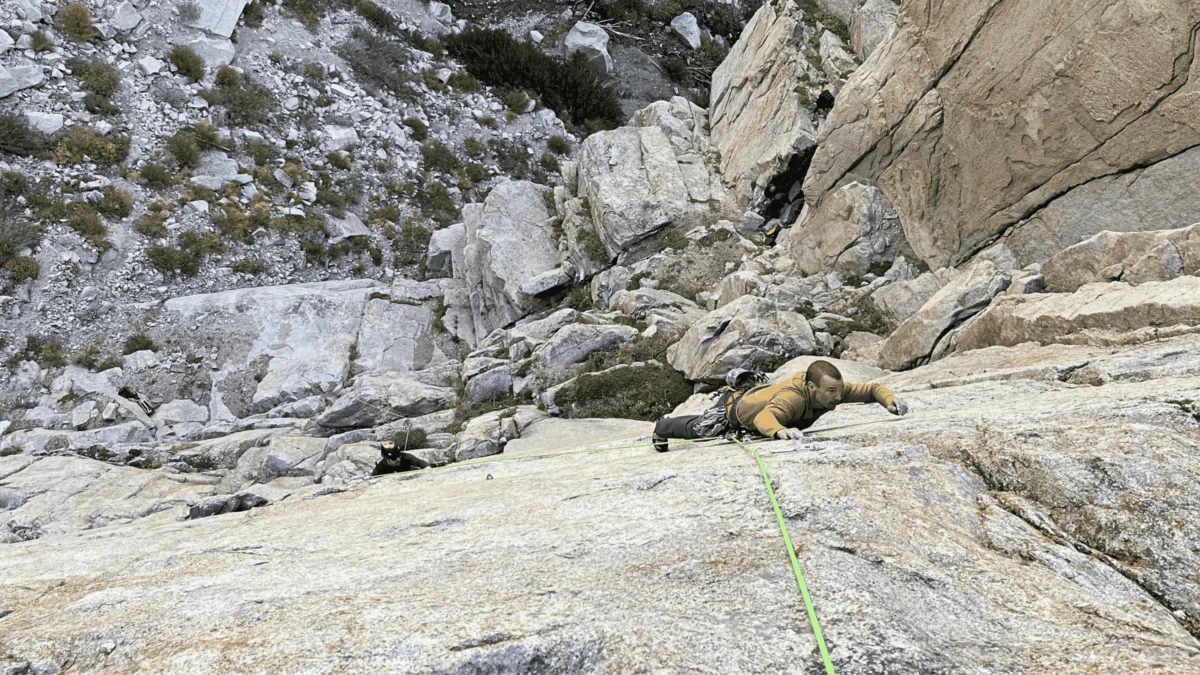
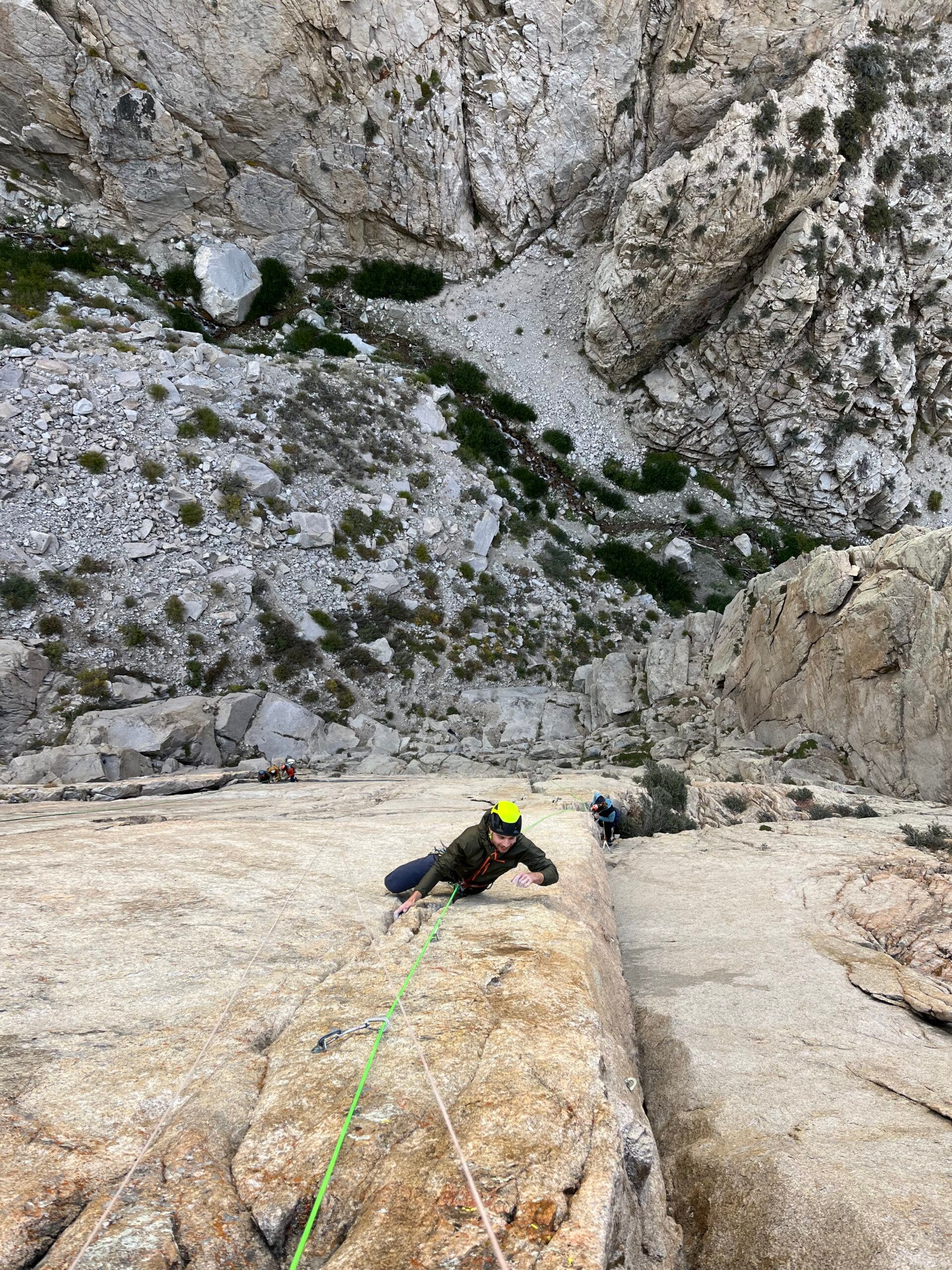
The advent of Patagonia’s Free Wall Kit marks a significant moment for multi-pitch rock climbing, directly addressing the evolving tactics and demands of modern ascents. Central to understanding the kit’s purpose is the "fix and follow" climbing system, a decade-old innovation that has revolutionized how climbers tackle long, challenging routes. This system, developed by renowned climber Josh Wharton, fundamentally alters the experience by allowing the lead climber to rest at anchors while the second climber ascends on a top rope, significantly enhancing comfort and performance throughout extended expeditions. While this method is not without its detractors or specific situational limitations, its widespread adoption underscores a shift towards efficiency and enjoyment in big wall pursuits.
The "fix and follow" technique, as explained by Wharton, transforms arduous multi-pitch climbs into more manageable, enjoyable days. By eliminating the constant need for the follower to belay the leader on subsequent pitches, climbers can conserve energy and focus on their performance. This paradigm shift, where rest and recovery are integrated into the climbing process, is precisely the environment for which the Free Wall Kit is designed. The kit aims to elevate this experience further, ensuring that both leader and follower remain as comfortable, protected from the elements, and adequately provisioned as if they were on a short, roadside crag. While the necessity of each specific item within the six-piece kit can be debated, the overarching philosophy—optimizing comfort and performance for demanding rock ascents—offers valuable insights for any serious climber.
Patagonia Free Wall Pack 44L: The Workhorse of the Kit
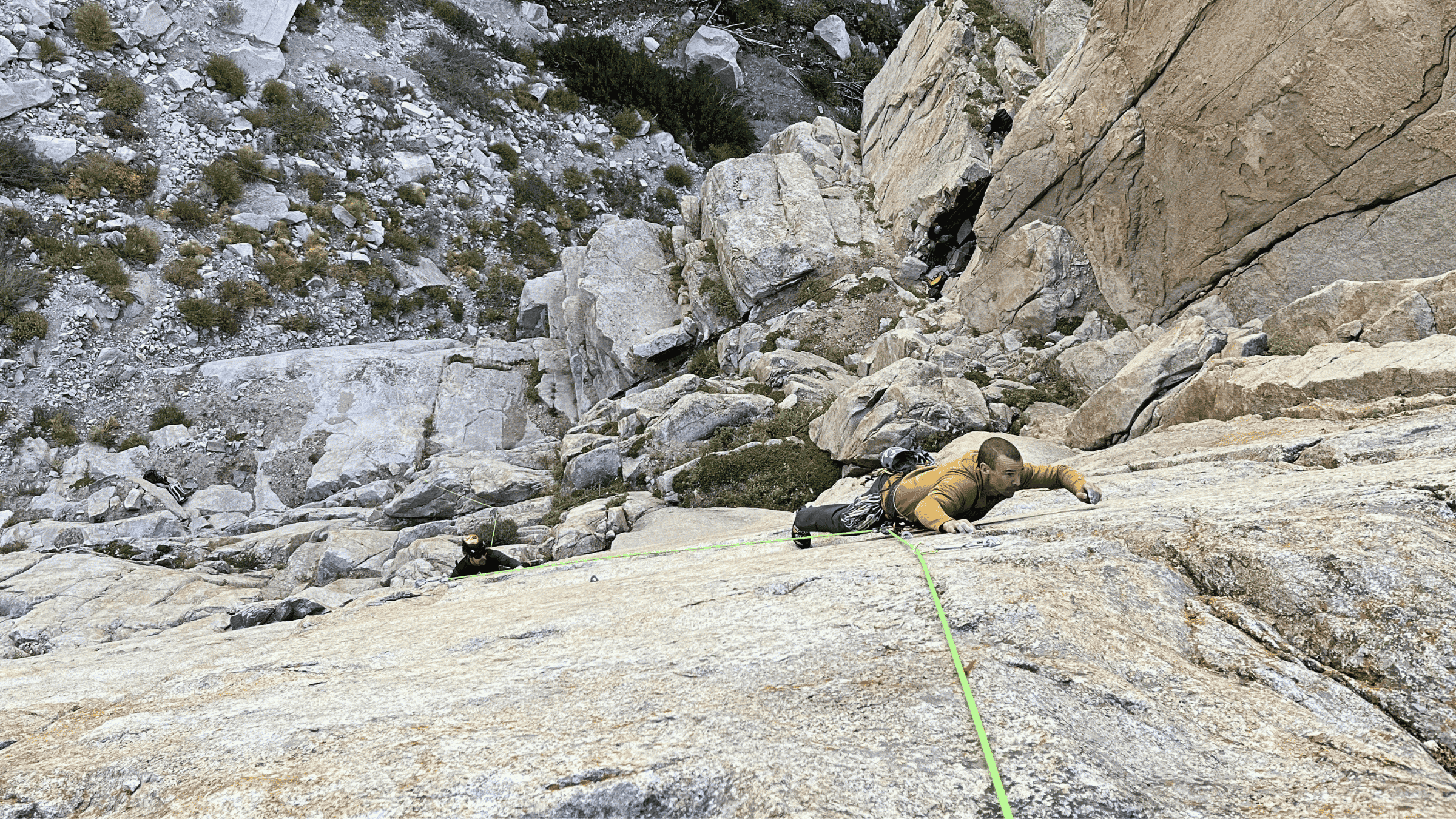
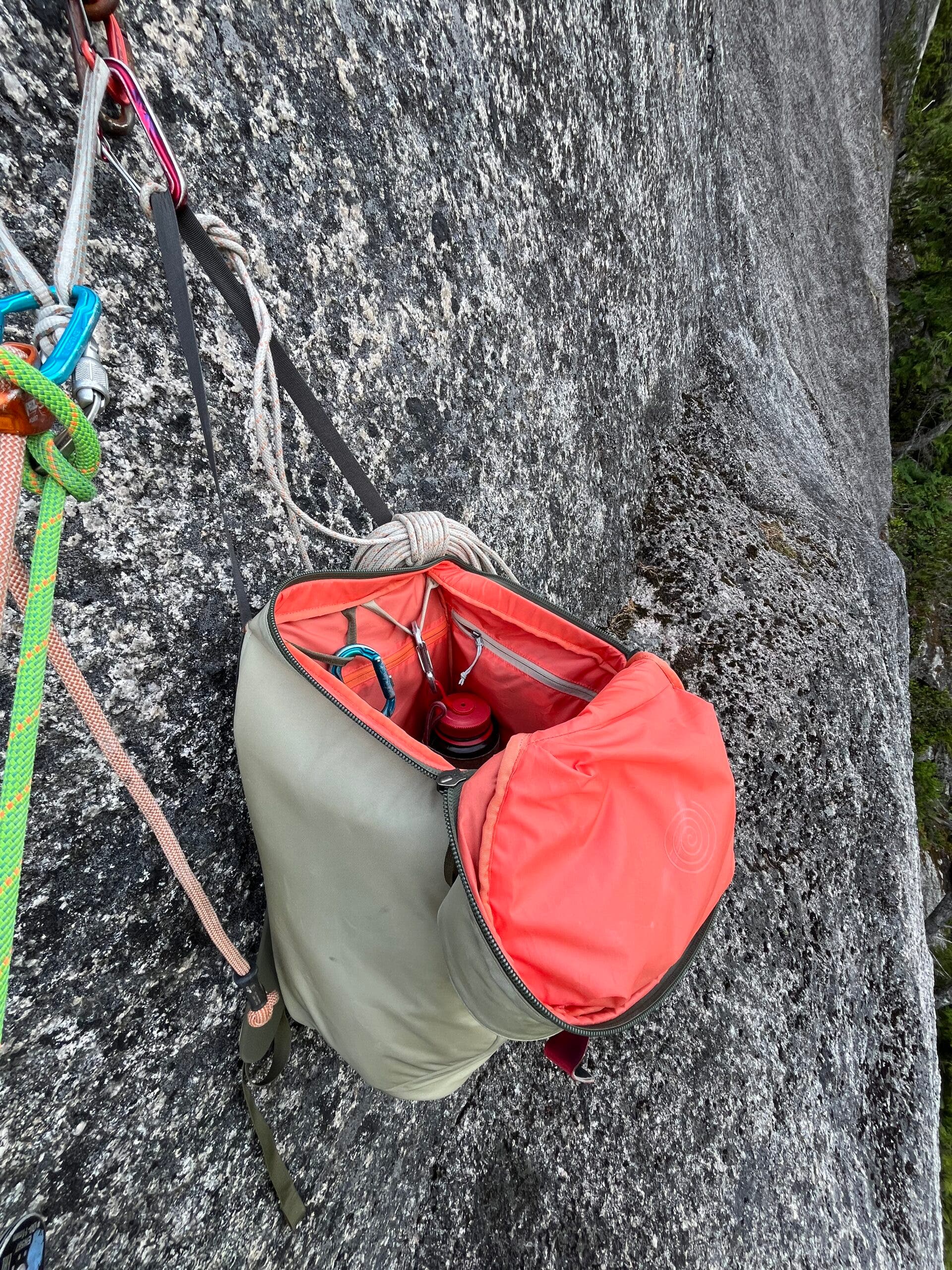
The Patagonia Free Wall Pack 44L, a core component of the kit, is a 44-liter capacity pack designed for the unique demands of multi-pitch climbing. Weighing 1,180 grams and available in unisex sizes S, M, and L, it aims to serve a dual role as both a haul bag and an everyday crag pack.
Weight: 1,180g
Volume: 44L
Size: S, M, L (unisex)
Pros:
- Serves double-duty as a haulbag and an everyday crag pack.
- Color-coded pockets and clip-in loops facilitate easy organization.
Cons:
- The carrying system lacks sufficient support for long approaches.
During extensive field testing, the Free Wall Pack proved its mettle on a variety of challenging rock climbs. Maury Birdwell, a seasoned tester, utilized the pack on demanding routes such as El Sendero Luminoso (5.12+; 455m) in Mexico’s El Potrero Chico and King of Swords (5.12-) on the Diamond of Longs Peak. Meanwhile, this reviewer put the pack through its paces on numerous routes in western Canada, including the iconic Squamish squeeze-chimney classics The Gremlin (5.11d) and Babies in Kailand (5.11b), both approximately 160 meters in length.
Unlike traditional big-wall haul bags, which often feature a single, monolithic compartment, the Free Wall Pack is engineered for on-the-wall accessibility. It incorporates two internal pockets and two gear loops, all color-coded to allow for efficient partner organization. An additional large external pocket on the lid provides further storage. "Clipped off and hanging at a belay is where the pack truly shines," notes Birdwell. "It lays flat against the wall; the lid design, plus the rigid structure, make it easy to get inside the pack and find what you need."
Constructed from a robust, recycled nylon with a polyurethane coating and a Durable Water Repellent (DWR) finish, the pack demonstrated remarkable resilience. It withstood over 2,000 feet of steep hauling with only minor cosmetic scuffs. As with any haulbag, prudent packing—avoiding sharp objects against the exterior—is recommended to maximize its lifespan.
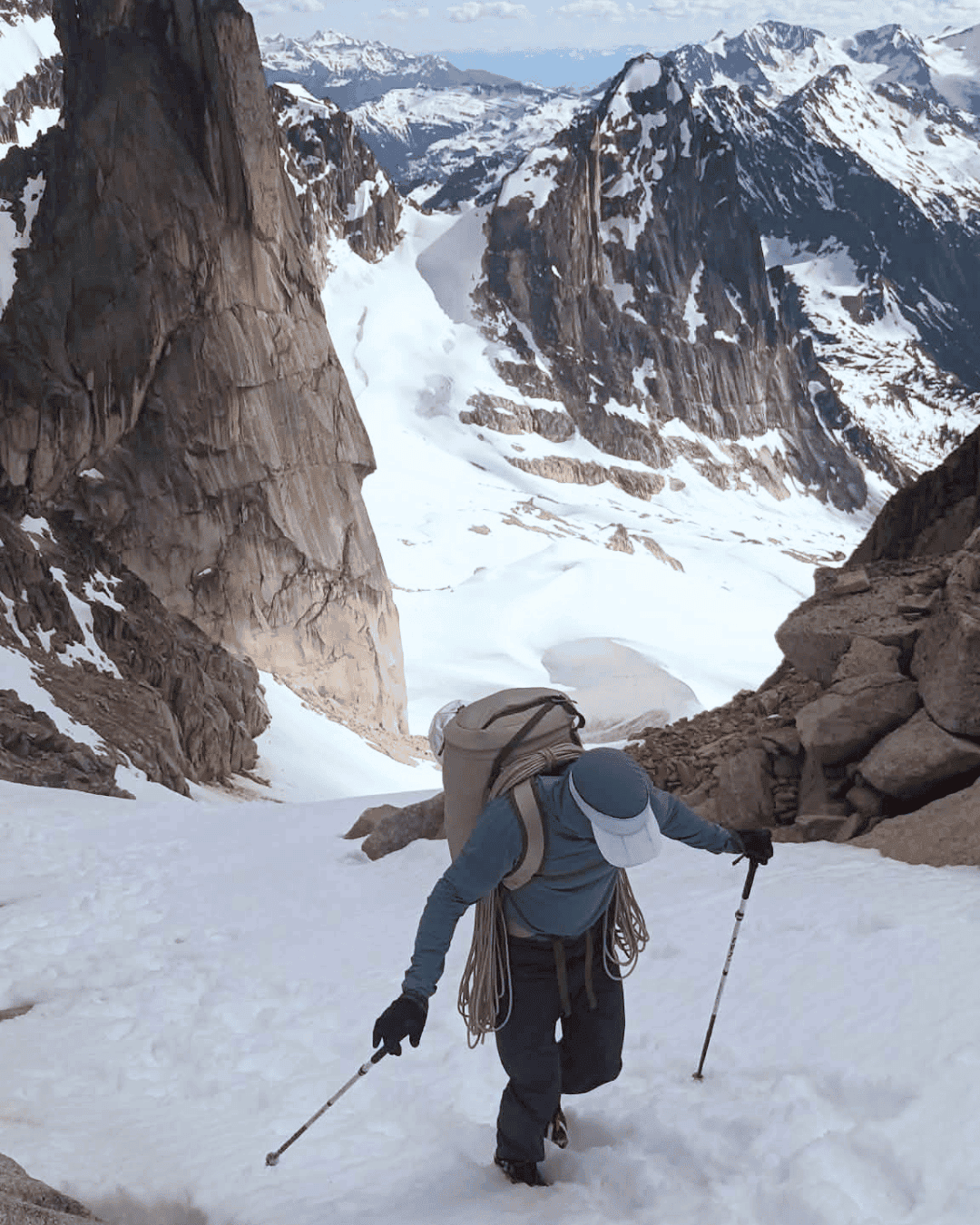
The primary limitation of the Free Wall Pack lies in its minimalist suspension system and lack of generous padding. While this design choice is understandable for a pack intended for hauling, it compromises comfort during extended approaches. "The result is a pack you won’t want to take very far from the road," observes the reviewer. Despite this, during a six-hour trek into the Bugaboos’ East Creek basin, carrying bivvy gear, a substantial rack, and provisions for a weekend, the pack’s comfort was comparable to lighter alpine packs, even as shoulders began to signal fatigue. Crucially, it seamlessly transitioned into a dependable haulbag for subsequent climbing.
Bottom Line: The Patagonia Free Wall Pack 44L stands out for multi-pitch climbers who prioritize quick access to their gear while hauling. Its innovative design makes it a specialized tool for those engaging in bag-hauling on vertical terrain.
Durable Down Parka: Warmth with Caveats
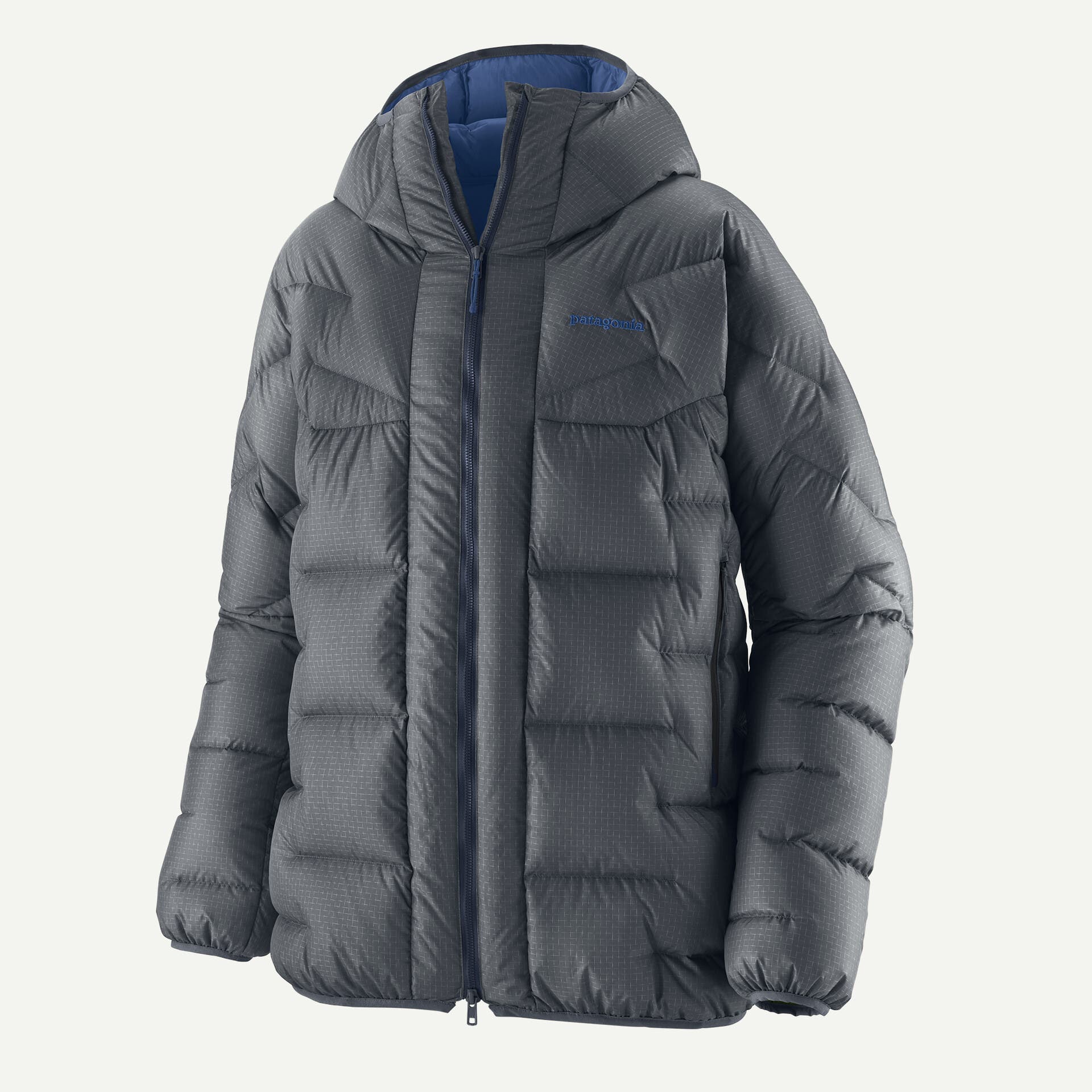
The Durable Down Parka is designed to provide essential warmth in cold conditions, featuring 800-fill down insulation and an oversized fit for comfort.
Weight: 595g (men’s M); 507g (women’s M)
Sizes: XS-XXL
Pros:
- Extremely durable face fabric.
- Decent warmth-to-weight ratio.
Cons:
- Drafty at belays due to the absence of a hem cinch.
- The hood lacks adjustability when not worn with a helmet.
Initial impressions of the Durable Down Parka were overwhelmingly positive, with its plush insulation and supple interior offering a comforting embrace. However, performance in the exposed, windy conditions of California’s Pine Creek Canyon revealed some significant shortcomings. On the second-pitch anchor of Stone’s Throw (5.11d; 170m) at Bighorn Wall, icy upslope winds penetrated the parka, creating a draft that reached the neck. The absence of a hem-cinch cord to seal out the wind was immediately noticeable, as was the lack of a chest pocket for stashing small essentials like belay glasses.
Despite these issues, the parka did provide adequate warmth during belay duties in various challenging environments, including mid-summer snowstorms, ice climbing, and exposed rock crags. Its offset baffle design effectively prevents down migration, ensuring consistent insulation, and the exceptionally tough face fabric is highly resistant to abrasion, a critical feature when brushing against rock. However, the parka’s minimalist design, particularly in contrast to the thoughtfully integrated Free Wall Pack, was surprising. The addition of a chest pocket, hood cinch, and hem cinch would undoubtedly add minimal weight but significantly enhance its functionality and comfort in variable alpine conditions.
Bottom Line: The Patagonia Durable Down Parka offers considerable warmth and exceptional durability, but its limited feature set, particularly the lack of adjustability at the hem and hood, may leave users wanting more in challenging weather.
Houdini Rock Jacket & Pants: Ultralight Wind Protection
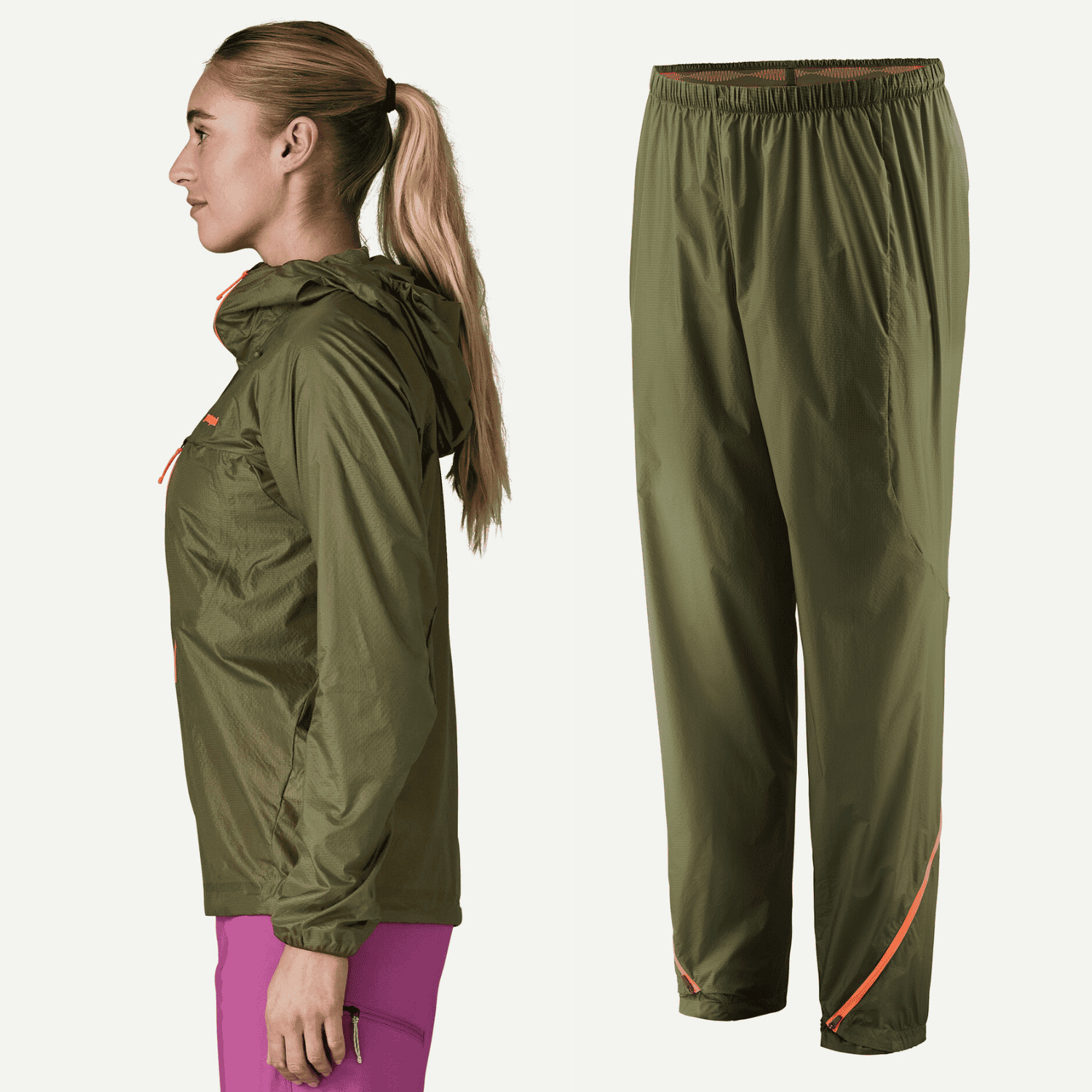
The Houdini Rock Jacket and Pants represent a category of gear that all rock climbers, and even many alpinists, should consider. Josh Wharton’s "dress code" for multi-pitch climbing emphasizes lightweight wind protection over full waterproofing, recognizing that most ascents occur in fair weather, but howling winds are a near-constant companion on exposed cliffs.
Weight: 130g (men’s M jacket); 120g (women’s M jacket); 110g (unisex M pants)
Sizes: XS-XXL
Pros:
- Exceptional warmth-to-weight ratio in windy conditions.
- Surprisingly durable for their lightweight construction.
- The jacket’s half-length zip avoids pressure points under a harness.
- The pants feature a zipped cuff for easy deployment at hanging belays.
Cons:
- The jacket is notably more expensive than comparable wind layers.
The Houdini Rock Pants emerge as a standout piece within this pairing. While climbers often focus on insulating their torsos, leg warmth is frequently neglected. The pants, however, provide crucial protection against convective heat loss from the lower body. During a demanding lead of Fingerberry Jam‘s (5.12-) heady second pitch in the Bugaboos, a rapid temperature drop was accompanied by 30 mph gusts and driving snow. Donning the Houdini Pants and Jacket immediately stabilized body temperature, demonstrating the remarkable efficacy of lightweight wind protection.
The unisex cut of the Houdini Rock Pants was found to be accommodating by both male and female testers, offering a wide range of motion and a secure fit over the hips thanks to an elasticated waistband. The baggy cut, reminiscent of other climbing pants like the Patagonia M10, allows for dynamic movement without restriction.
The Houdini Rock Jacket, constructed from the same 1.2-oz recycled nylon ripstop as previous iterations, is specifically tailored for multi-pitch rock climbing. The half-length zipper is a thoughtful design choice, eliminating potential pressure points when a climbing harness is worn. While the jacket offers excellent wind protection and durability, its $199 price tag positions it at the higher end of the market. For those seeking similar wind protection at a lower cost, a size-up in the regular Houdini Jacket, priced at $119, could be a more economical alternative, offering comparable performance and durability.
Bottom Line: The Patagonia Houdini Rock Jacket and Pants are an exceptional combination for ultralight wind protection. While the regular Houdini Jacket can serve as a cost-effective substitute for the Rock Jacket, the Houdini Rock Pants are a unique and highly recommended piece for cold-weather rock climbing.
R1 Ultralight Hoody: A Functional Midlayer
The R1 Ultralight Hoody serves as a midlayer within the kit, offering a balance of warmth and breathability.
Weight: 280g (men’s M); 220g (women’s M)
Sizes: XS-XXL
Pros:
- Soft internal fabric provides next-to-skin comfort.
- Two chest pockets offer convenient storage for essentials.
Cons:
- The under-the-helmet hood limits its utility.
- Durability is a concern for aggressive climbing.
The R1 Ultralight Hoody, while functional, lacks the innovative edge of other pieces in the Free Wall Kit. Its soft interior, breathability, and half-length zip make it a comfortable layer under a harness. However, testers noted premature pilling and tearing at the cuffs after only a few ascents, particularly in wider cracks. The snug, baselayer-style fit also made it cumbersome to put on over a sun hoody without creating bunching.
A significant drawback is the hood design, which is intended to fit under a helmet. This fixed configuration forces climbers to choose between head warmth or ventilation, making it difficult to adjust to changing conditions. This design is a recurring issue with some Patagonia midlayers, where the integrated hood offers limited adaptability.
Bottom Line: The R1 Ultralight Hoody is a decent midlayer for climbers who prioritize comfort and do not typically wear helmets or engage in crack climbing techniques that might stress the fabric.
Free Wall Pants: Cold-Weather Durability and Mobility
The Free Wall Pants are designed for durability and mobility in colder conditions, featuring a thicker material for enhanced warmth and protection.
Weight: 380g (men’s M); 370g (women’s M)
Sizes: 28-44 (men’s); 00-22 (women’s)
Pros:
- Excellent range of motion.
- Low-profile, adjustable waistbelt is comfortable under a harness.
Cons:
- No fly on the men’s model.
The Free Wall Pants come close to achieving perfection for alpine rock climbing, though their thickness may make them feel warm for summer ascents in coastal regions like Squamish. However, in alpine environments with glaciers or dusty moraines, their substantial material provides valuable warmth and exceptional durability, particularly in thrutchy wide cracks and during knee-barring sequences.
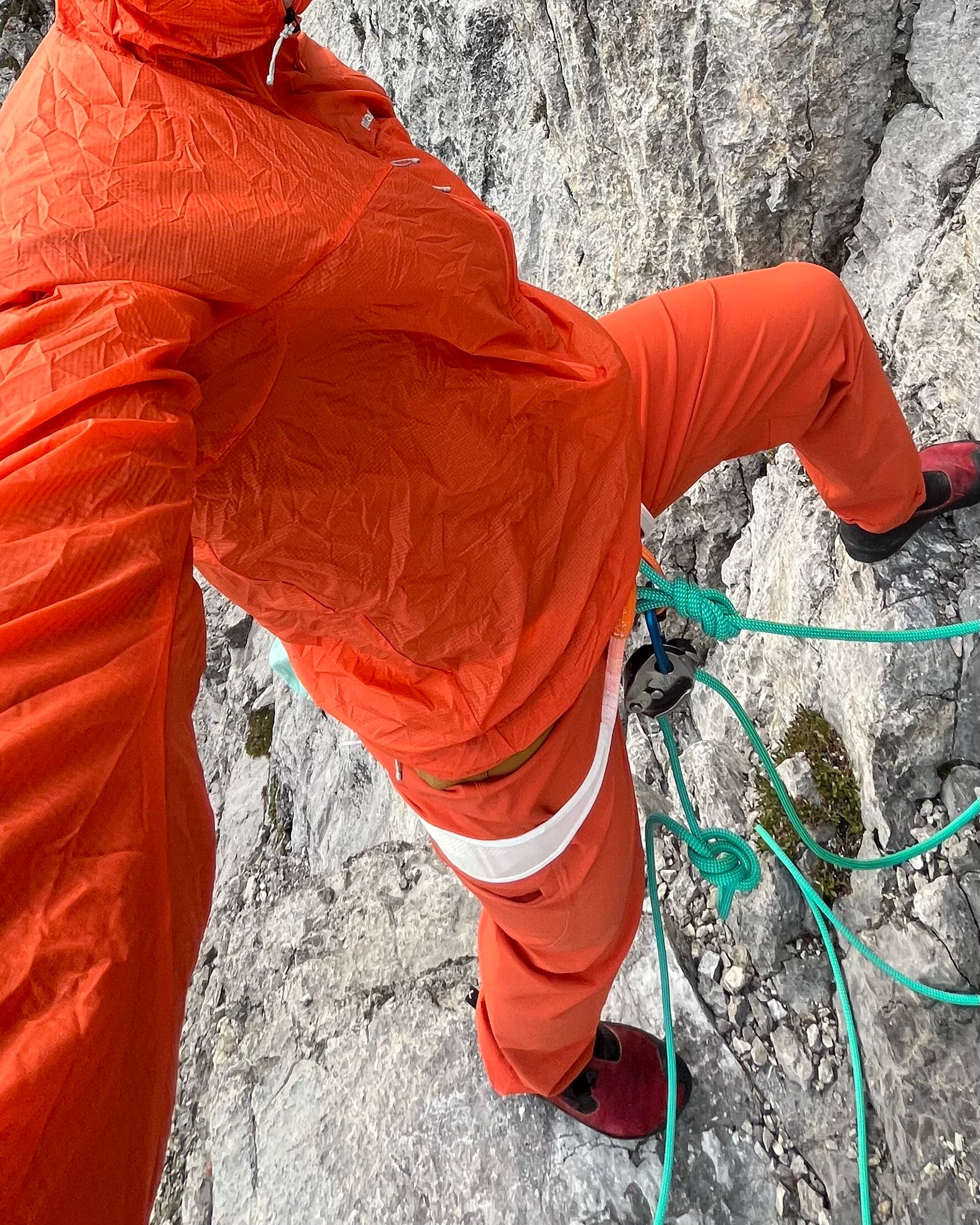
Thoughtful pocket placement, with two thigh pockets accessible below a harness leg loop and a rear butt pocket (though this can hinder high-stepping), adds to their utility for long approaches. The primary drawback, especially for the men’s model, is the absence of a fly. This oversight creates an inconvenient situation during hanging belays, a minor but noticeable design flaw. A similar convenience for women, such as a crotch zip, would also be a welcome addition.
Bottom Line: The Patagonia Free Wall Pants are robust and highly mobile cold-weather rock pants. For climbers who do not require a fly, they are an excellent choice for demanding alpine rock ascents.
Do You Really Need the Complete Free Wall Kit?
While the Free Wall Kit presents a comprehensive approach to multi-pitch climbing apparel and gear, the complete ensemble may not be essential for every climber. Significant alterations might be necessary to optimize the entire lineup for peak performance. However, the underlying principles and the types of items included in the kit offer valuable lessons for gear selection and strategy.
The kit highlights the importance of:
- A specialized haulbag: Designed for on-the-wall access and durability.
- Effective insulation: A durable down parka for critical warmth, though with potential for feature enhancements.
- Lightweight wind protection: Ultralight jacket and pants for rapid deployment against the elements.
- Functional midlayers: A breathable hoody for core warmth, with considerations for durability and hood design.
- Durable climbing pants: Designed for mobility and protection in challenging conditions.
In conclusion, while the Free Wall Kit may not become the de facto uniform for every lengthy rock climb, it represents a significant step forward in specialized gear development. It encourages a holistic approach to equipping oneself for extended vertical expeditions, emphasizing comfort, efficiency, and performance. The core components—a robust haulbag, effective insulation, and strategic wind protection—are fundamental elements that any serious multi-pitch climber should consider integrating into their gear arsenal.