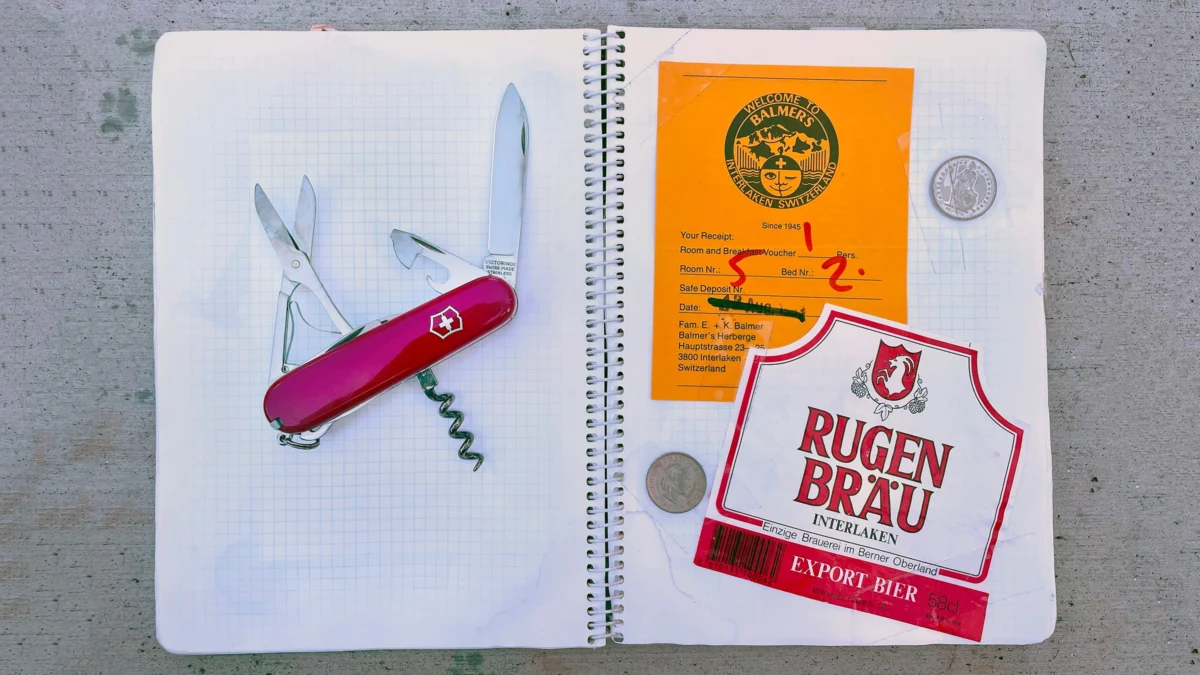
The scent of aged wood and polished metal, the crisp mountain air, and the vibrant red of a Swiss Army Knife in a Lucerne shop window — these elements converged to transport the author back in time, not just to a specific vacation, but to a potent feeling of youthful independence and resourcefulness. The purchase of a new Victorinox "Mountaineer" model, engraved with her initials, L.J., served as a tangible anchor to a transformative European journey taken decades prior, underscoring the profound emotional connection that can be forged with seemingly utilitarian objects. This personal narrative highlights how certain pieces of gear transcend their functional purpose, becoming repositories of memory, catalysts for introspection, and enduring symbols of identity.
A Journey Through Time and Terrain
The author’s recent sojourn through Lucerne, Switzerland, with her teenage sons, took an unexpected turn upon encountering a display of iconic Swiss Army Knives. The sight triggered an immediate and vivid recollection of her 21-year-old self, embarking on a backpacking adventure across Europe. The allure of the Victorinox store proved irresistible, leading to the acquisition of a new knife, a purchase imbued with both present-day anticipation and past-tense nostalgia. This act of buying a familiar item in a familiar place—Switzerland, the birthplace of the Swiss Army Knife—served as a powerful emotional bridge across the years.
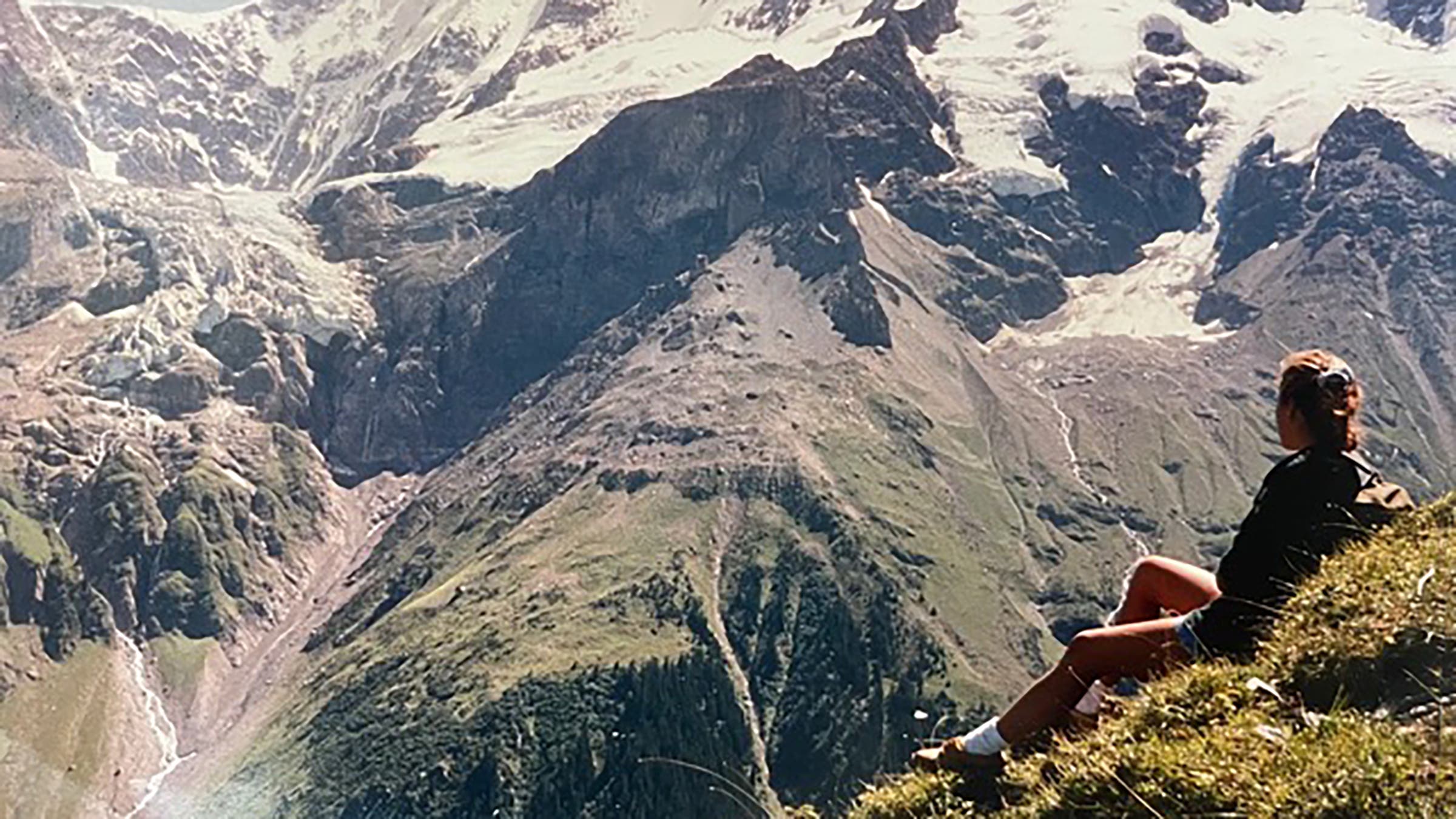
The original journey, undertaken in her early twenties, was a quintessential European backpacking experience. Armed with a Eurorail Pass and a spirit of adventure, the author navigated hostels, forged international friendships, and embraced the rugged beauty of the Swiss Alps. Her itinerary included a stay at Balmers Hostel in Interlaken, a hub for young travelers, where she connected with fellow adventurers from Australia, Canada, and the United States. Together, they experienced the thrill of whitewater rafting and embarked on extensive hikes through mountainous landscapes. A particular highlight was a sojourn to Gimmelwald, a remote and picturesque hamlet accessible only by gondola, accessible from the nearby village of Stechelberg. This period marked a significant personal awakening, a "mountain awakening in my beachy Southern California soul," as she described it, suggesting a profound shift in perspective and a newfound appreciation for the natural world and her own capabilities within it.
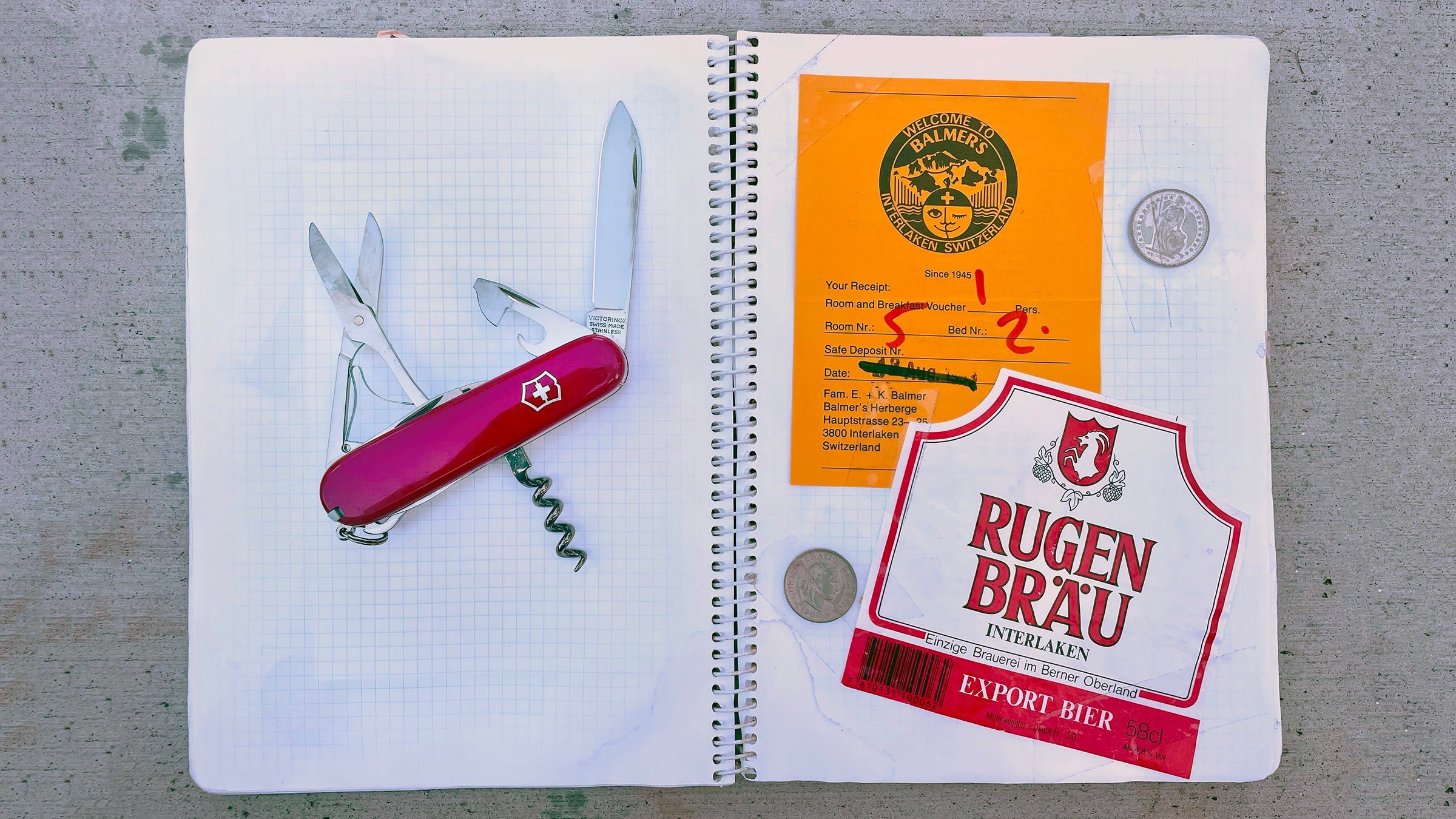
It was during this formative trip, before departing Balmers Hostel for Italy by train, that the author purchased her first Swiss Army Knife from the hostel’s general store. This purchase was a deliberate act, a conscious choice to acquire a "token of self-sufficiency." The red folding knife became an indispensable companion throughout the remainder of her European travels, weaving itself into the fabric of her most cherished memories.
The Multifaceted Utility and Emotional Resonance of a Pocket Tool
The Swiss Army Knife, in its original iteration, proved to be far more than a mere souvenir. Its practical applications enriched everyday experiences and provided a subtle yet significant sense of security. In Paris, it facilitated a delightful picnic at the Eiffel Tower, enabling the author to slice fresh baguettes, tomatoes, and cucumbers, and to effortlessly open a cold soda with its integrated bottle opener. The mundane task of post-hike grooming in Italy’s Cinque Terre was made more manageable by the knife’s surprisingly useful scissors, which proved adept at trimming battered toenails after a grueling 12-kilometer trek in sweltering August heat.
Beyond its functional utility, the knife played a crucial role in the author’s sense of personal safety as a solo female traveler. In instances where she felt observed or potentially threatened, she would discreetly take out the knife, feigning to clean its blade. In more concerning situations, she would deploy the corkscrew, holding it tightly within her clenched fist as a discreet, yet empowering, deterrent. This demonstrates how a tool can become a symbol of resilience and a source of psychological fortitude in the face of vulnerability.
Upon returning to the United States, the Swiss Army Knife continued to be a go-to implement for a variety of everyday tasks. It assisted in minor repairs in her college apartment, such as tightening loose screws on a desk, and accompanied her on her inaugural camping trip in Yosemite Valley. The simple act of whittling a stick while seated beneath the towering granite cliffs of Yosemite became a moment of quiet contemplation and connection with nature, facilitated by the knife’s blade.
The knife’s meticulously nested tweezers proved invaluable for splinter removal, whether in remote wilderness settings or in urban environments, offering a more satisfying and accessible solution than conventional tweezers. Its ability to open stubborn bottles often earned her the moniker of "hero" among her peers, and its integrated screwdriver, a seemingly small feature, often impressed male roommates who struggled to find appropriate tools. The nail file and toothpick, beyond their obvious uses, demonstrated remarkable versatility. The toothpick could unclog a salt shaker, while the nail file could smooth the edges of a splintering canoe paddle, showcasing the often-overlooked ingenuity embedded within the tool’s design. Collectively, these experiences solidified the Swiss Army Knife’s status as a symbol of self-sufficiency, resourcefulness, and the constant allure of impending adventure.
The Unexpected Loss and the Enduring Symbolism
The author’s original Swiss Army Knife met an unfortunate end at airport security. Confiscated from her carry-on bag due to airline regulations, the author, pressed for time, was unable to reclaim it. This moment, described as a "heartbreak," marked the end of a chapter. For reasons she couldn’t fully articulate at the time, she never replaced the knife. She posits that perhaps, on a subconscious level, she felt a need to return to Switzerland to properly reacquire this symbol of her past adventures. The absence of the knife from her daily life for years meant it occupied little conscious space, until the serendipitous encounter in the Lucerne shop window.
The experience in Lucerne and the subsequent purchase of a new "Mountaineer" model serve as a powerful testament to the enduring emotional impact of well-designed and meaningful gear. While acknowledging the existence of more robust and specialized multi-tools on the market, the author emphasizes that her Swiss Army Knife is imbued with something far more profound than mere functionality: sentimental value. This realization underscores the broader principle that the emotional resonance of an object can often outweigh its utilitarian specifications.
The Timeless Appeal of Resourcefulness
The act of holding the new Swiss Army Knife evokes a dual sense of identity for the author. It reconnects her with the confident, resourceful 21-year-old backpacker of her youth, capable of navigating unfamiliar territories and improvising solutions. Simultaneously, it reaffirms her present-day identity as a self-sufficient and adventurous traveler and outdoorswoman. This powerful evocation of self, a feeling that arises even without deploying a single tool, speaks volumes about the psychological impact of a well-loved and symbolically rich piece of equipment. The story of the Swiss Army Knife, therefore, is not just about a tool; it is about the enduring human desire for independence, the power of memory, and the profound ways in which our possessions can shape and reflect who we are.