





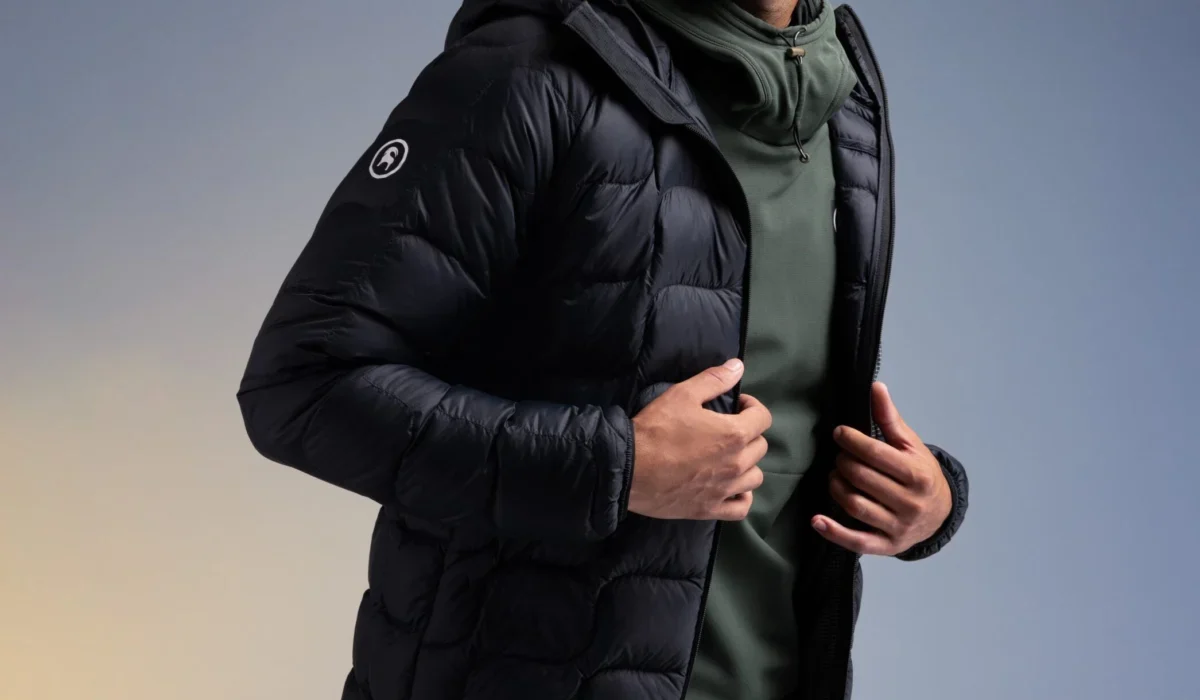
The intersection of high-performance technical gear and urban aesthetic utility has long been the elusive "holy grail" for outdoor apparel manufacturers. For years, consumers have been forced to choose between the specialized, often overly aggressive silhouettes of alpine-ready equipment and the more muted, fashion-forward designs that lack the insulation properties necessary for sub-zero environments. With the release of the BGA Waas ALLIED Down Hooded Jacket, Backcountry has introduced a design that attempts to bridge this divide, offering a solution that satisfies the rigorous demands of backcountry exploration while maintaining a visual profile suitable for everyday mountain-town environments.
The Technical Evolution of the Insulated Layer
The development of the Waas jacket follows a significant industry trend toward multifunctionality. Historically, insulated mid-layers were segmented into two distinct categories: ultralight "puffy" jackets designed for climbing, and heavier, weather-resistant shells for stationary activities. The modern mountaineer, however, requires a hybrid garment that can transition from high-output activities—such as skinning up a backcountry ascent—to low-output transitions, such as belaying or navigating town streets, without requiring a mid-day wardrobe change.
The BGA Waas jacket utilizes 800-fill goose down, a high-loft insulation material that has become the gold standard for its exceptional warmth-to-weight ratio. By maximizing the volume of air trapped within the down plumes, the jacket provides significant thermal regulation while maintaining an overall weight of less than one pound. This focus on "gram-shaving" is consistent with current athletic performance standards, where reducing the weight of one’s kit is directly correlated with increased endurance and energy efficiency during multi-hour treks.
Chronology of Design and Material Innovation
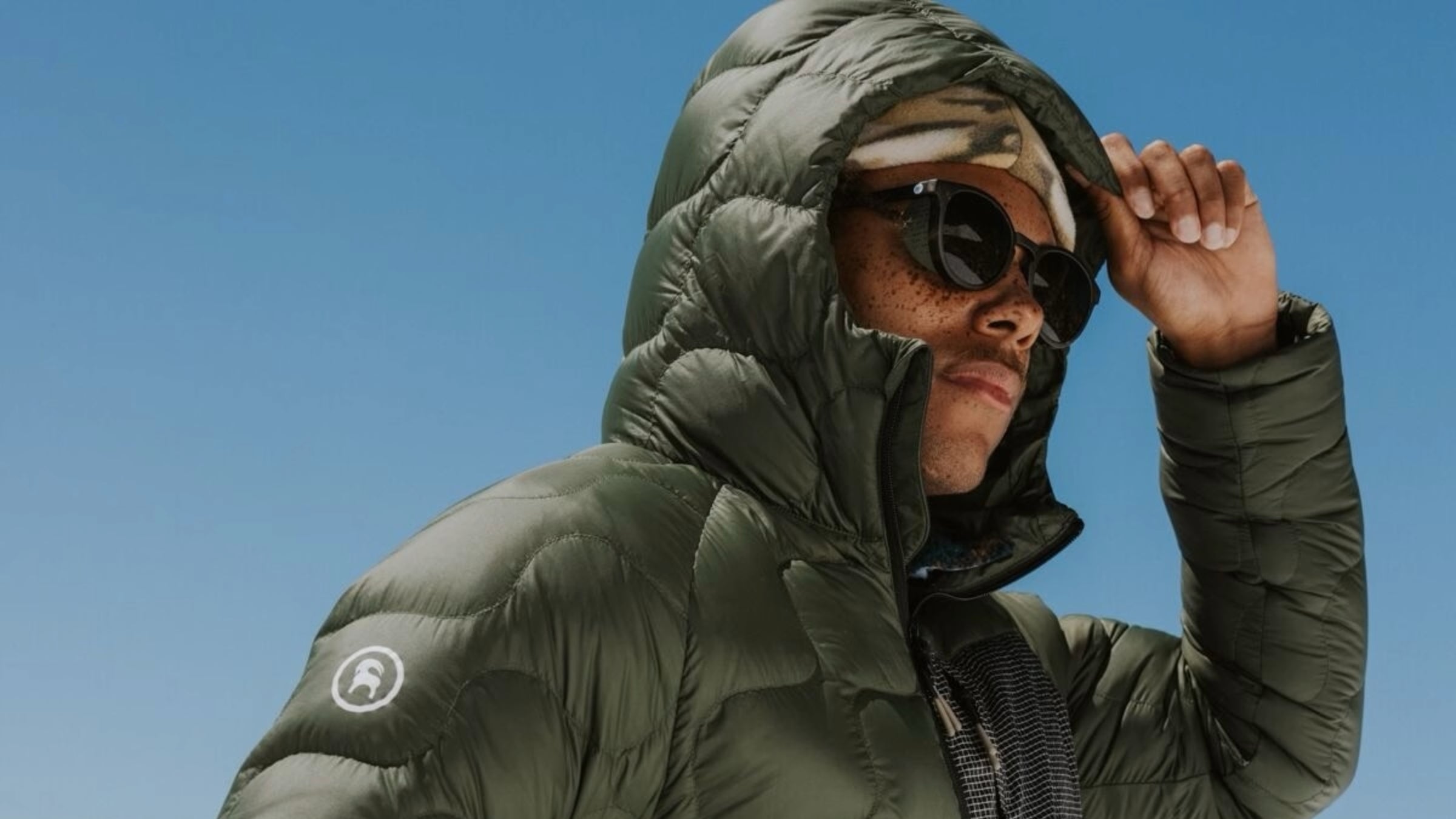
The engineering process behind the Waas jacket reflects the evolving requirements of the outdoor consumer market between 2024 and 2026. Early prototyping focused on the necessity of durability, leading to the selection of a ripstop outer shell. Ripstop nylon, characterized by a grid-like reinforcement weave, prevents small tears from propagating into larger rips—a critical feature for skiers navigating brush or climbers interacting with abrasive granite faces.
In the first quarter of 2025, design teams moved toward integrating environmental benchmarks into the production cycle. This shift was largely driven by consumer demand for transparency and corporate accountability regarding "forever chemicals." By the second quarter of 2026, the final specifications for the Waas were locked in, featuring a PFC-free DWR (Durable Water Repellent) finish. This transition away from poly-fluorinated substances marks a significant milestone in the industry’s ongoing effort to mitigate the ecological footprint of performance apparel.
Data-Driven Performance Metrics
The efficacy of the Waas jacket can be measured through several key performance indicators. The 800-fill power rating signifies that one ounce of the down used in the jacket can expand to fill 800 cubic inches of space. This is a critical metric for packability; the jacket is designed to be compressed into its own internal pocket, creating a compact footprint that easily fits into a 20-liter daypack.
Furthermore, the integration of large-capacity "dump" pockets serves a dual purpose. From a functional perspective, these pockets are engineered to accommodate climbing skins, which are often bulky and cumbersome to stow in traditional zippered compartments. When removed from the mountain environment, these same pockets are deep enough to hold everyday items such as gloves, hats, or digital tablets, effectively doubling the jacket’s utility as an urban commuter piece.
Sustainability and Ethical Manufacturing
Environmental responsibility has moved from a marketing "extra" to a foundational requirement for outdoor brands. The BGA Waas jacket incorporates several certifications that serve as objective proof of these commitments. The Responsible Down Standard (RDS) certification ensures that the feathers used in the insulation are sourced from ducks and geese that have been treated humanely, with strict prohibitions against live-plucking or force-feeding.
The inclusion of bluesign® APPROVED fabrics is another critical layer of the jacket’s manufacturing story. A bluesign® certification signifies that the entire supply chain—from raw material production to finished product—has minimized its impact on the environment, particularly regarding water usage, energy consumption, and chemical waste. Simultaneously, the OEKO-TEX® Standard 100 certification provides a guarantee that the final product is free from harmful levels of substances that could be hazardous to human health, such as heavy metals, formaldehyde, or banned pesticides.
Market Positioning and Industry Implications
The release of the Waas jacket occurs during a period of consolidation in the outdoor retail sector. As consumers increasingly prioritize "buy-less, buy-better" purchasing habits, the demand for versatile, durable gear has surged. Retailers and manufacturers that can provide products that function equally well on a ski slope and in an office setting are better positioned to capture this shifting market share.
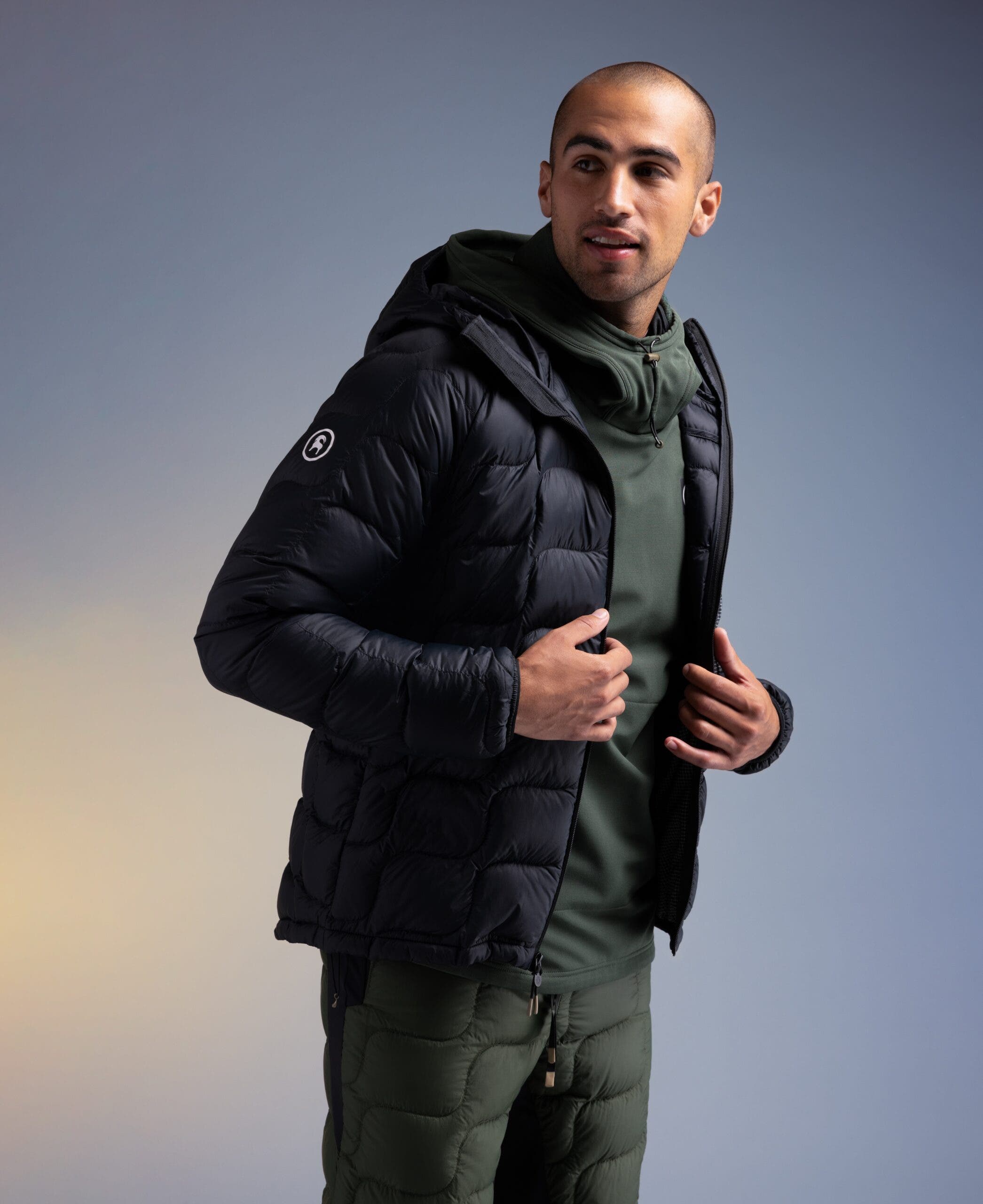
Industry analysts observe that this trend toward "aesthetic versatility" does not signal a decline in technical capability. Instead, it indicates a maturation of the consumer base. Today’s outdoor enthusiast is highly educated about material science and is less likely to be swayed by "extreme" branding. They prioritize modularity, ethical manufacturing, and long-term durability. The BGA Waas jacket’s design—specifically its unique baffle construction and the translucent chest pocket—appeals to this modern sensibility, where the visual "language" of the jacket is as much about personal style as it is about signaling one’s participation in outdoor subcultures.
Expert Perspective and Future Outlook
While specific internal sales projections from Backcountry remain proprietary, the strategic push behind the Waas line suggests a long-term commitment to in-house design. By controlling the design, sourcing, and distribution phases, companies like Backcountry can bypass traditional middleman markups, potentially offering higher-end technical features at a more accessible price point than traditional legacy brands that maintain massive retail footprints.
Looking ahead, the success of the Waas model may dictate future design language for the company. If the market continues to favor garments that blend seamlessly into urban environments, we can expect to see further integration of sophisticated, low-profile hardware—such as hidden zippers and matte-finish fabrics—that eschew the "neon-and-nylon" aesthetic that dominated the outdoor industry for decades.
Conclusion
The BGA Waas ALLIED Down Hooded Jacket represents a synthesis of three distinct pillars: technical performance, urban design, and ethical stewardship. By balancing the raw requirements of mountain-side insulation with the refined expectations of the modern consumer, the garment provides a roadmap for the future of outdoor apparel. Whether utilized as a base-layer topper for a high-alpine ascent or a standalone coat for a cold-weather commute, the jacket serves as a testament to the fact that high-performance gear need not be visually exclusionary. As the industry moves further toward sustainable production and multi-use versatility, products like the Waas are likely to become the standard, rather than the exception, in the outdoor enthusiast’s gear closet.
With the winter season approaching, the real-world performance of the Waas will be tested by thousands of users across varying climates. However, based on its current material specifications and design architecture, it occupies a secure space as a highly functional, environmentally conscious, and stylish entry in a crowded market of insulated layers. The challenge for future iterations will remain the same as it is today: to maintain this balance while continuing to push the envelope on weight reduction and material sustainability. For now, the Waas stands as a significant, well-engineered addition to the contemporary mountain lifestyle.