





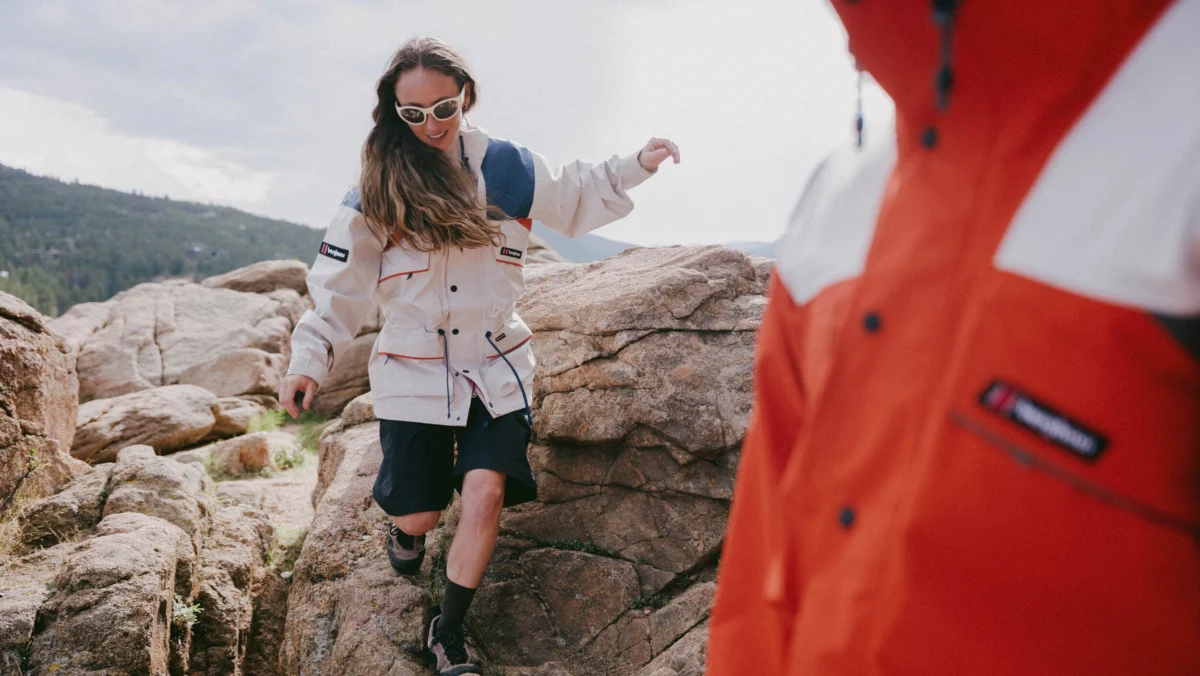
The global outdoor apparel market is currently undergoing a significant shift as consumers increasingly prioritize heritage, technical durability, and multi-functional design in their winter gear. Marking its six-decade anniversary, the British mountaineering brand Berghaus has officially expanded its retail footprint into the United States, bringing with it a reputation forged in the rugged landscapes of northeast England. Founded in 1966 by mountaineers Gordon Davison and Peter Lockey in Newcastle upon Tyne, the brand has spent 60 years refining the balance between alpine-grade performance and contemporary aesthetic appeal. As the 2026 holiday season approaches, the availability of these legacy designs in the American market represents a notable intersection of historical craftsmanship and modern consumer demand.
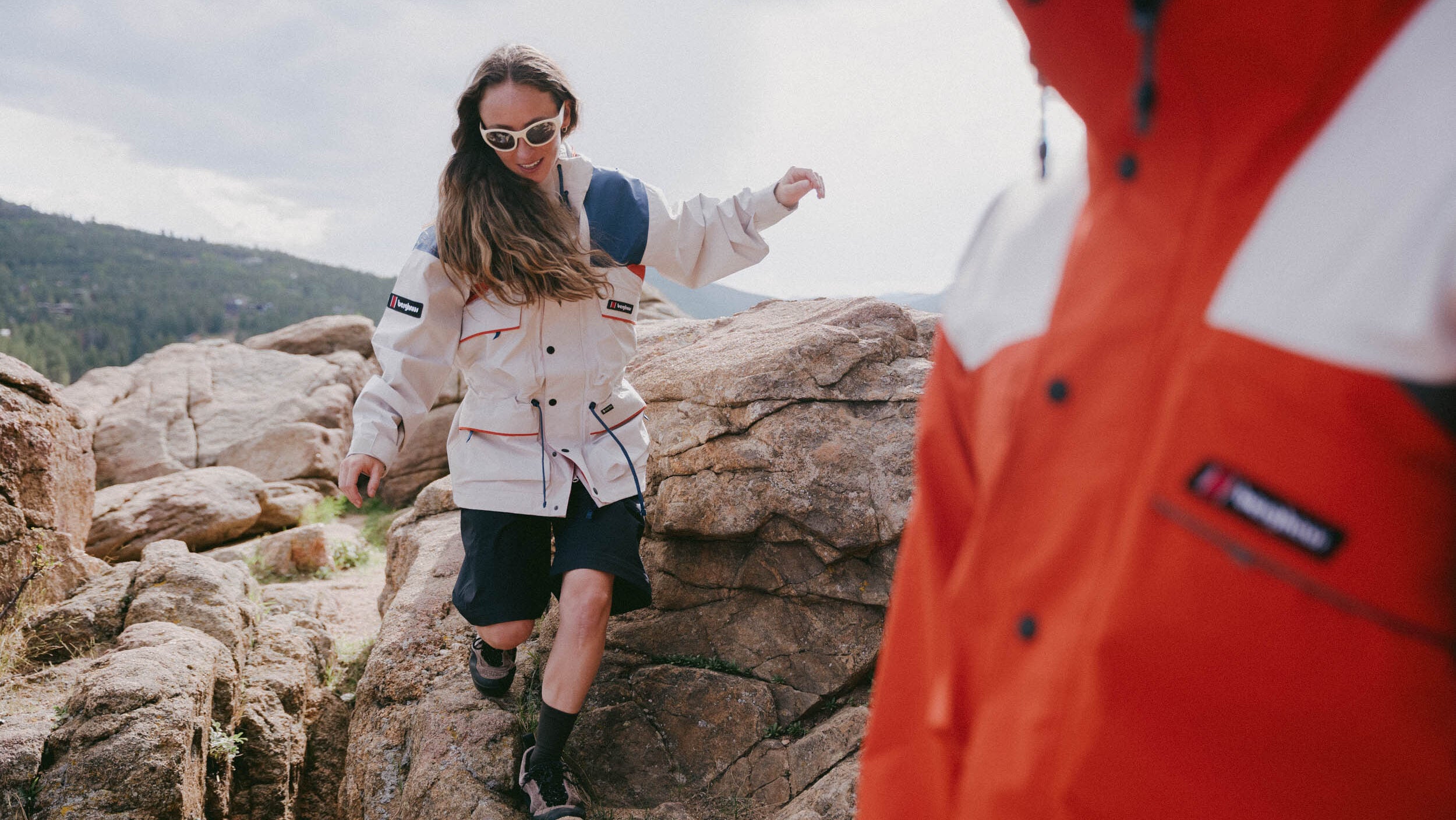
A Chronology of Innovation: From 1966 to the American Market
The history of Berghaus is intrinsically linked to the evolution of outdoor exploration in the 20th century. In the mid-1960s, Davison and Lockey, both avid climbers, identified a gap in the market for equipment that could withstand the erratic and often punishing weather conditions of the British Isles.
- 1966: The brand is established in Newcastle upon Tyne, focusing on high-performance climbing equipment.
- 1970s: Berghaus pioneers the development of lightweight rucksacks and begins experimenting with early synthetic insulation technologies.
- 1977: The brand becomes one of the first in Europe to integrate Gore-Tex technology into its jacket designs, a move that would fundamentally alter the standard for waterproof outerwear.
- 1980s–1990s: The "Extrem" range is launched, solidifying the brand’s status among high-altitude mountaineers and expedition leaders.
- 2026: Following six decades of dominance in the UK and European markets, Berghaus officially enters the United States, targeting a growing demographic of hikers and urban outdoor enthusiasts seeking heritage-inspired, weather-tested gear.
Technical Specifications and Performance Data
For the 2026 holiday season, the product lineup arriving in the U.S. emphasizes the core tenets of the brand: waterproof integrity, thermal regulation, and structural longevity. Market analysts observing the outdoor sector note that consumers are moving away from "fast fashion" outdoor gear in favor of items that utilize high-grade materials like three-layer Gore-Tex Pro.
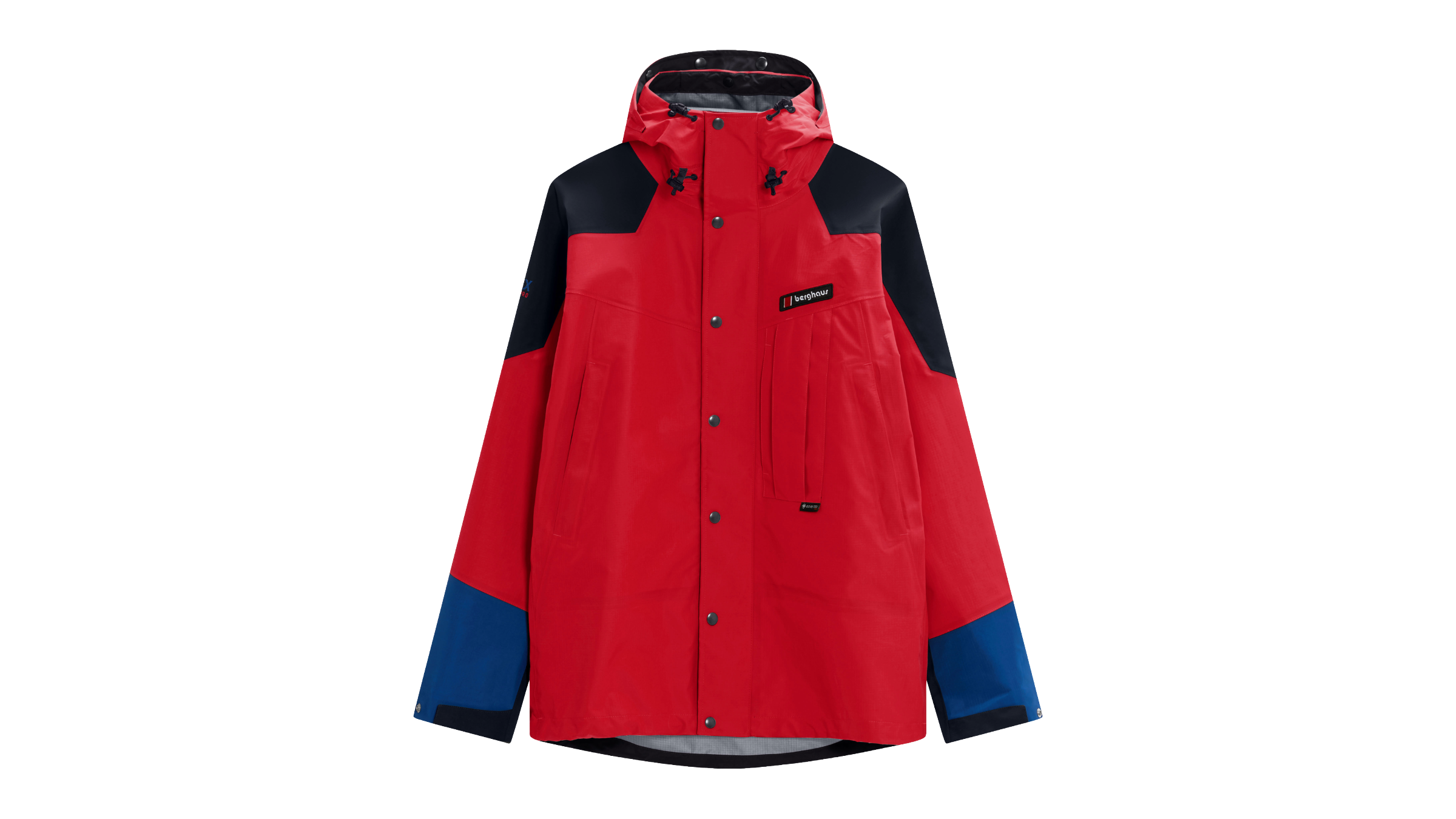
The Kara-Su 7000 GTX Jacket serves as the flagship for this transition. Engineered with a three-layer membrane, the jacket provides a hydrostatic head rating capable of withstanding extreme precipitation, a necessary feature for users navigating high-alpine environments. Complementing this is the inclusion of adjustable ergonomics—such as customized hood tensioners and reinforced cuffs—which mitigate thermal loss in temperatures dipping below freezing.
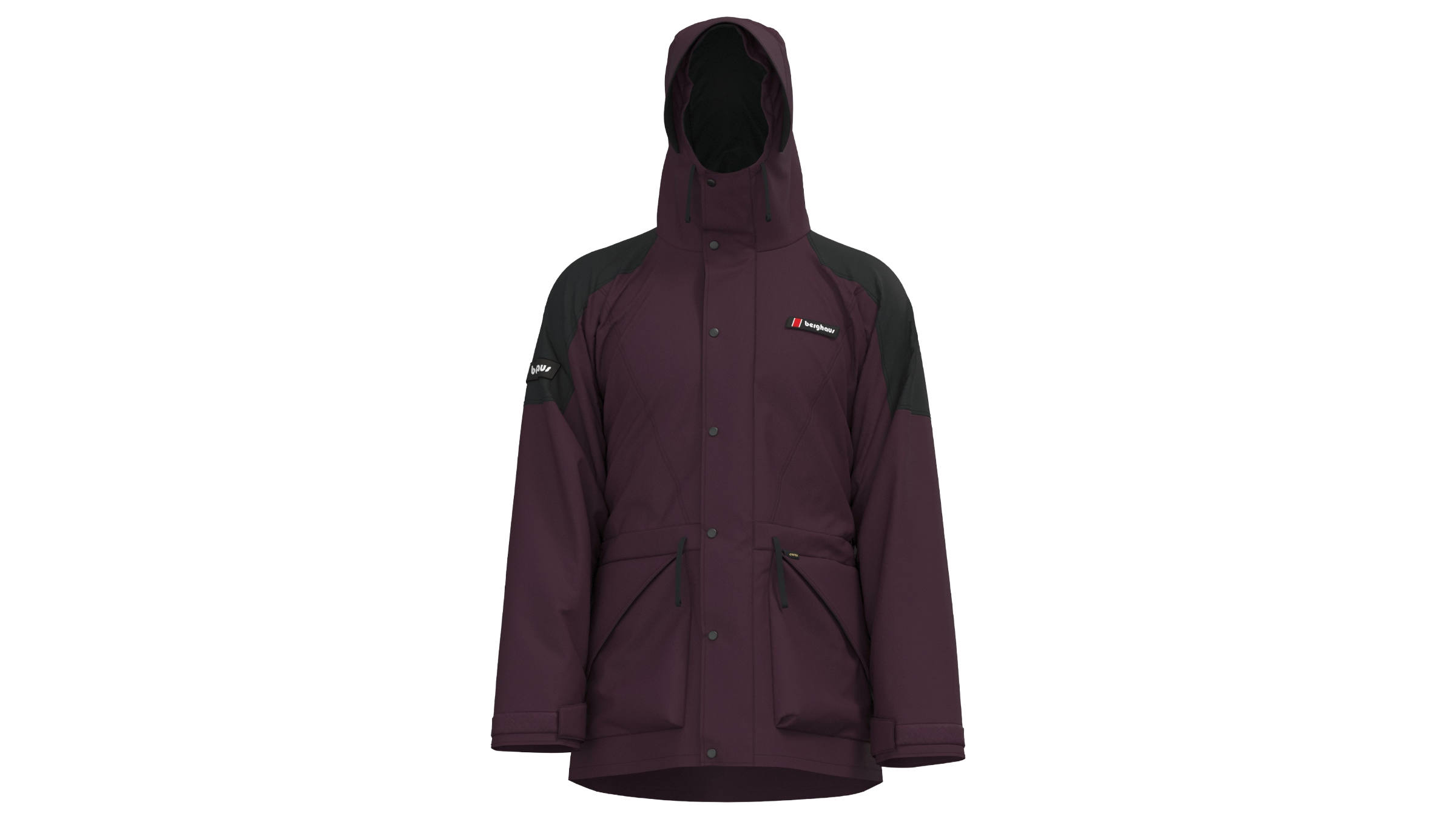
Similarly, the Trango series reflects a strategic nod to 1990s design motifs. By utilizing modern, high-tenacity synthetic fabrics alongside updated, lightweight insulation like Hydroloft, these pieces offer a high warmth-to-weight ratio. According to textile performance data, synthetic insulation such as Hydroloft maintains thermal efficiency even when damp, a critical advantage over traditional down in humid or rainy climates.
Curated Selection: The 2026 Holiday Performance Guide
For those looking to select gear that balances utility with the aesthetic requirements of modern trail-to-town fashion, the following pieces represent the core of the current collection:
The Kara-Su Collection: Precision Engineering
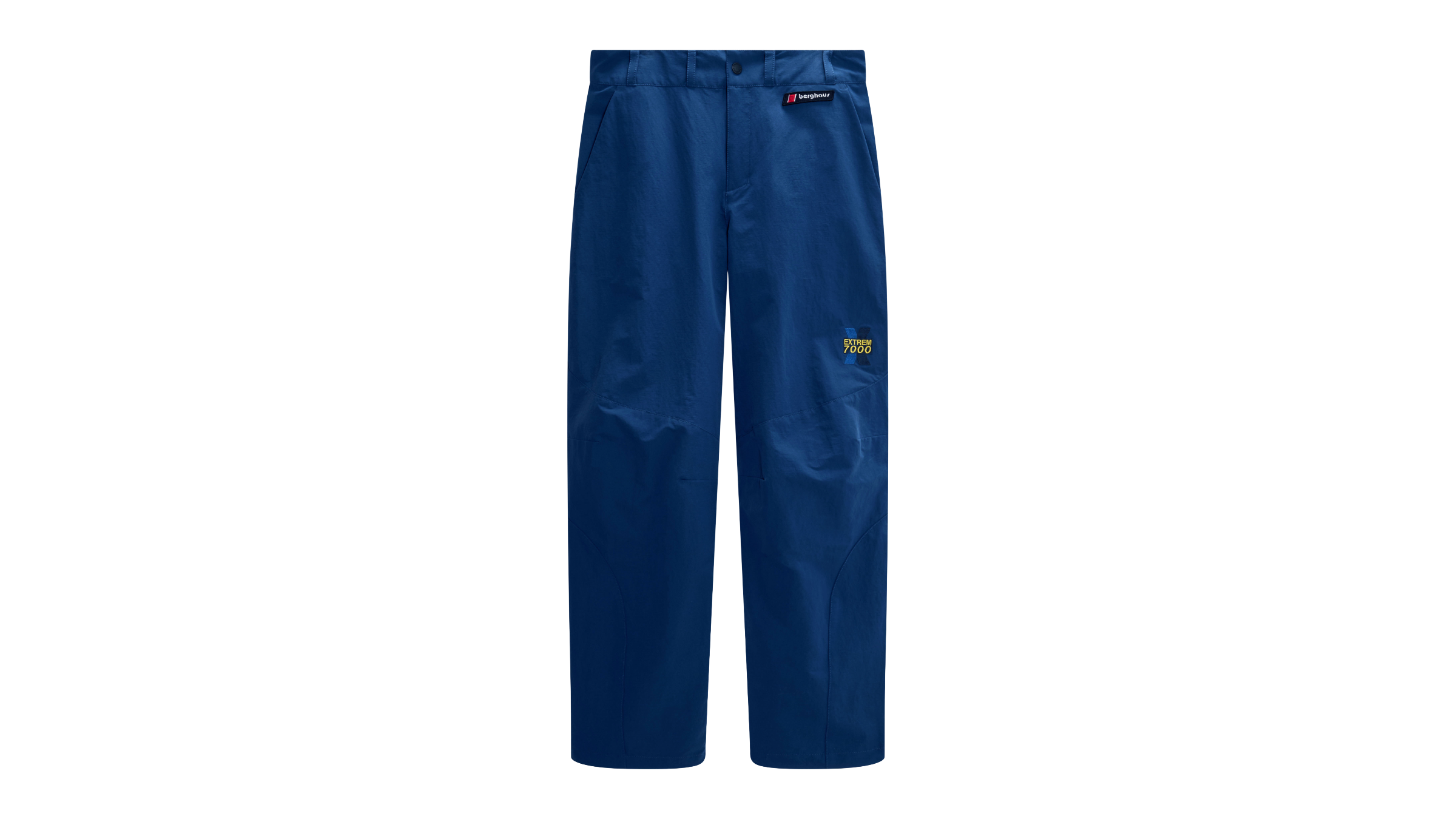
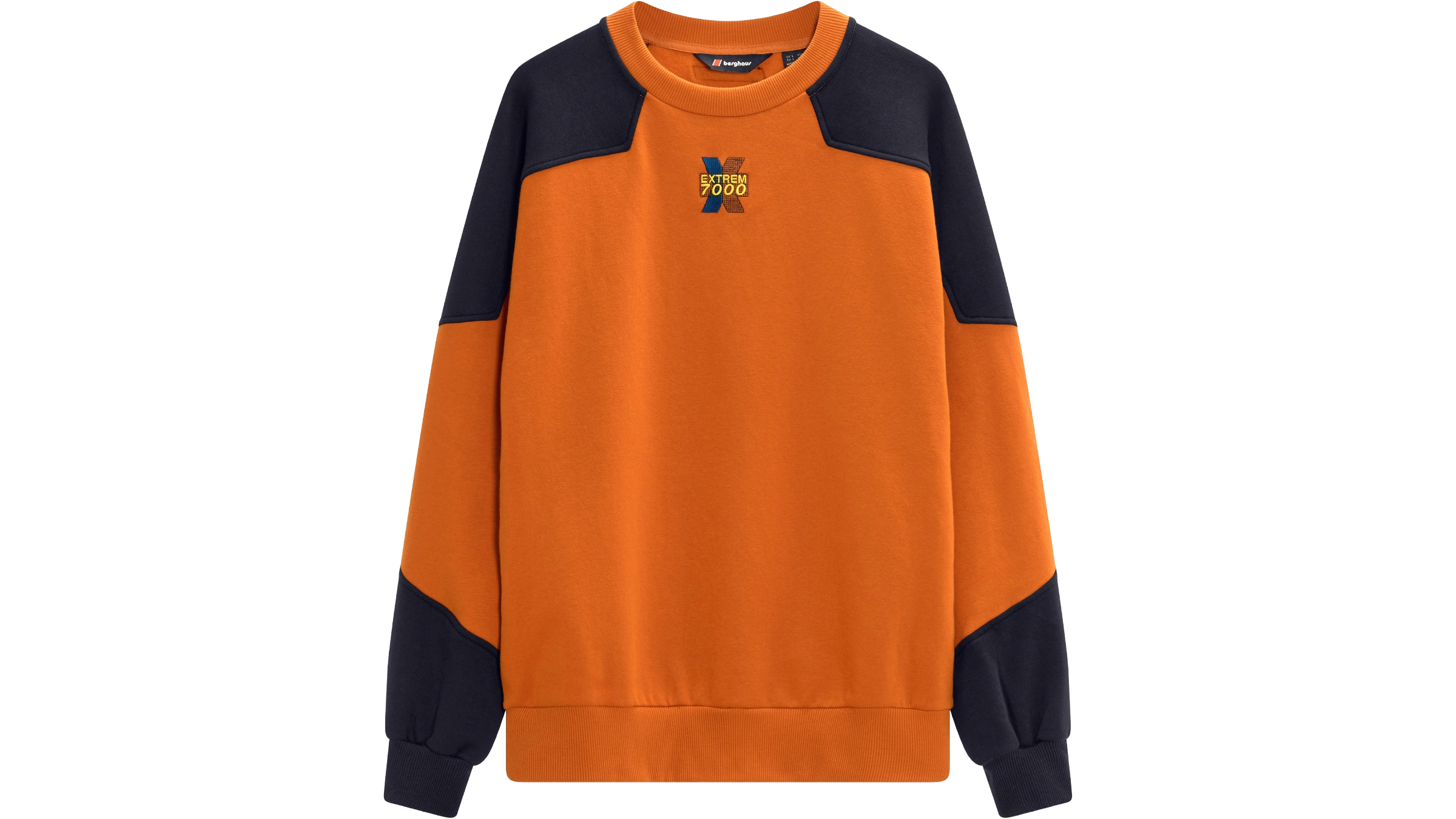
The Kara-Su 7000 GTX Jacket stands as the technical anchor, offering an impenetrable barrier against environmental stressors. Its design includes six storage compartments, acknowledging the modern adventurer’s need for rapid access to navigation tools, nutrition, and communication devices. The corresponding Men’s Kara-Su Pant utilizes articulated knee construction, a design choice based on ergonomic studies that minimize fabric resistance during high-output activities like scrambling or snowshoeing. The collection is rounded out by the Kara-Su Sweater, which utilizes a jersey-based fabric architecture intended to provide mid-layer insulation while retaining shape through repeated high-temperature wash cycles.
The Meru and Trango Heritage Lines
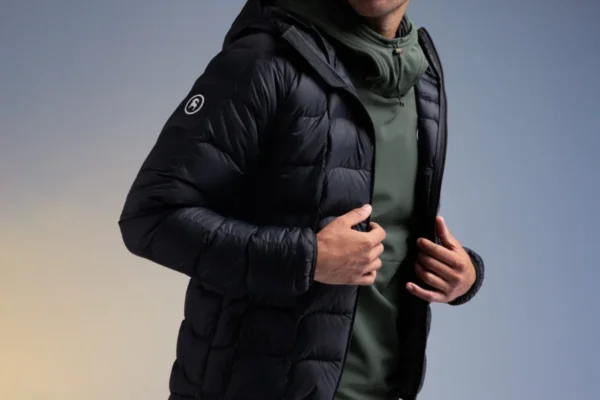
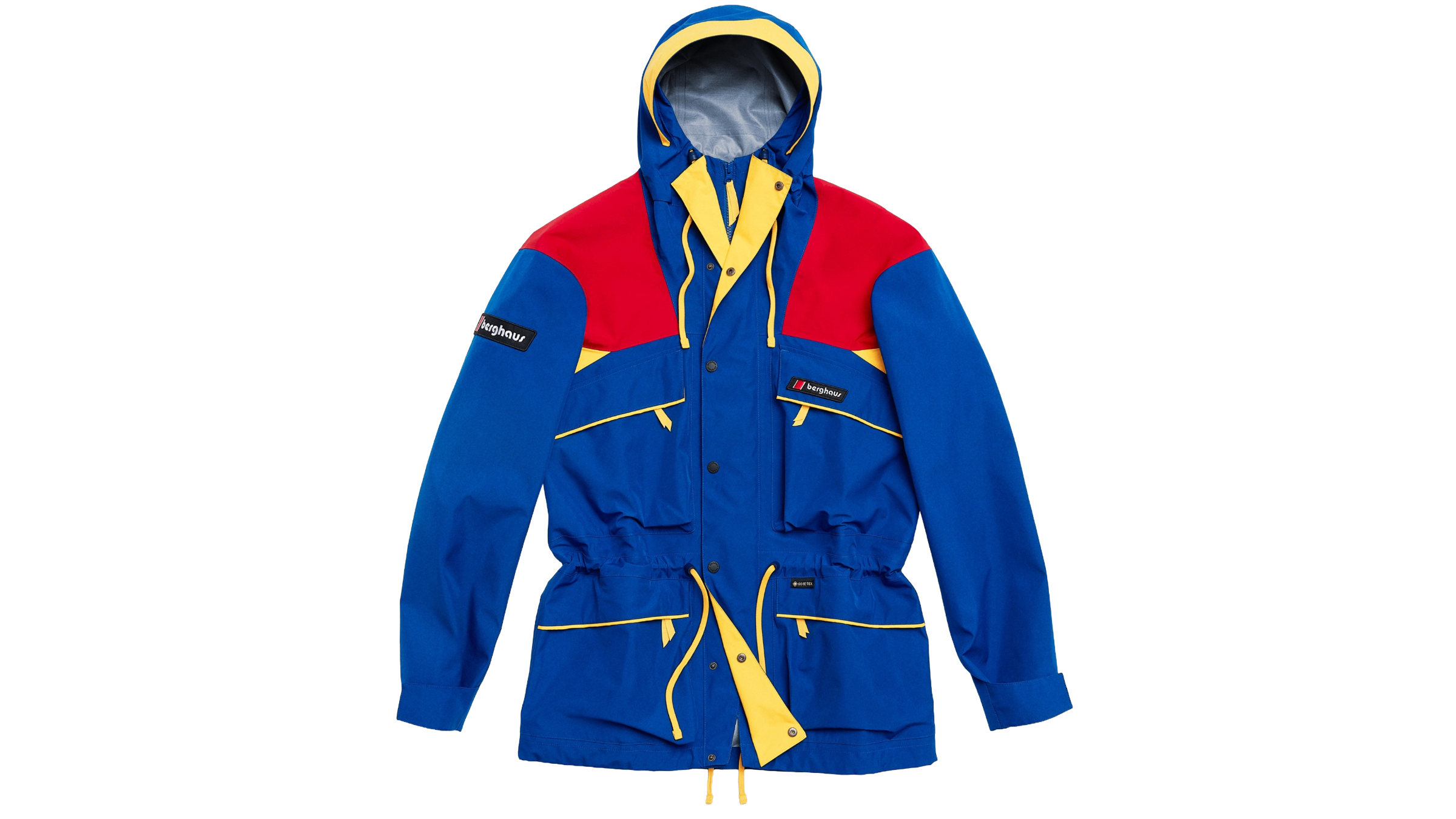
The Meru Mountain Jacket prioritizes versatility, utilizing a two-layer Gore-Tex laminate that increases breathability—a key metric for users who alternate between aerobic activity and static urban environments. The Trango line, meanwhile, leans into the brand’s archival history. The Trango Gore-Tex Jacket is characterized by its signature hip-length cut and high-volume cargo pockets, a layout that mirrors the functional demands of 1990s mountaineers. The Trango Mountain Windbreaker and the Women’s Trango Mountain Insulated Jacket provide lighter alternatives, with the latter featuring synthetic insulation designed for maximum loft and heat retention in a low-profile silhouette.
Official Perspective on Market Entry
In a statement regarding the brand’s U.S. expansion, company representatives emphasized that the core objective remains the same as it was in 1966: to empower the individual to spend more time outdoors. "The transition to the American market is not merely about product availability," said a brand spokesperson. "It is about introducing a legacy of design that has been stress-tested in the most unforgiving environments of Europe. We are providing a toolset for the consumer who refuses to compromise on style or performance."
The Broader Impact of Heritage-Led Outdoor Gear
The entry of a brand with such significant historical weight into the U.S. market serves as a bellwether for the broader outdoor industry. In recent years, data from the Outdoor Industry Association (OIA) has shown a consistent uptick in outdoor participation, particularly among urban populations. As these consumers gain experience, their expectations for gear quality—and their willingness to invest in brands with long-standing reputations—increase.
Furthermore, the focus on repairability and long-term durability is a direct response to the growing discourse surrounding environmental sustainability in the apparel sector. By emphasizing garments that "last for years" through the use of high-grade synthetic materials and robust hardware, Berghaus is positioning itself to appeal to the "conscious consumer" who views gear as a long-term investment rather than a disposable commodity.
Analytical Outlook: Looking Ahead
As the 2026 winter season begins, the success of the Berghaus collection will likely hinge on the brand’s ability to maintain its technical integrity while successfully navigating the competitive American retail landscape. The combination of "retro-chic" aesthetics—which are currently trending across the fashion industry—and proven, high-performance materials provides a strong competitive advantage.
From a macro perspective, the arrival of such brands signals a maturing of the outdoor market. Consumers are no longer satisfied with gear that simply looks the part; they are increasingly seeking the provenance of a brand that has contributed to the technical evolution of the sport. Whether for the casual holiday hiker or the serious mountain enthusiast, the integration of these six decades of expertise into the American market represents a significant development in the future of technical apparel. By prioritizing functional longevity, Berghaus is not only offering a gift of warmth and protection but is also inviting the American consumer to participate in a long-standing tradition of British mountaineering excellence. As the industry looks toward the next generation of outdoor equipment, the focus remains clear: the best gear is that which facilitates deeper, more frequent, and more comfortable experiences in the natural world.