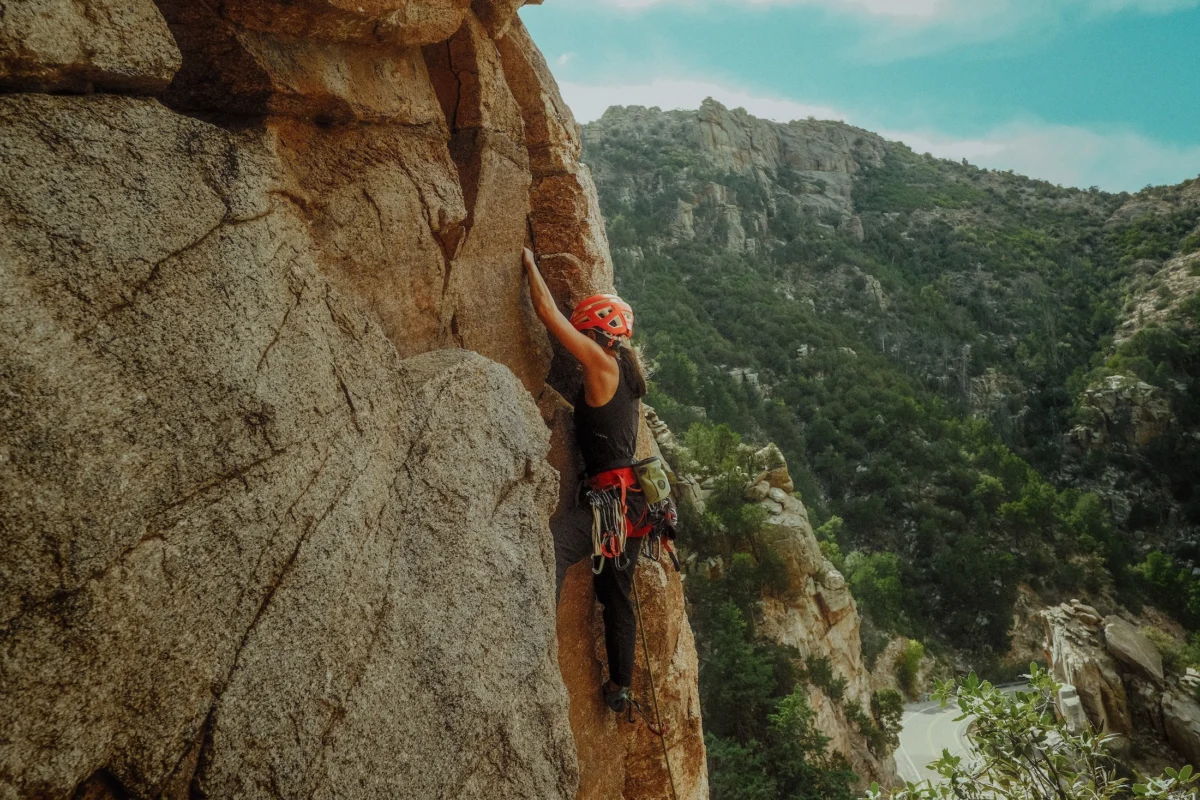
July 8, 2026 – For decades, the climbing world has implicitly, and sometimes explicitly, favored height. The long levers and extended reach of taller individuals have often been perceived as a significant advantage, particularly on routes featuring large holds and widely spaced cruxes. However, a growing cadre of exceptionally talented climbers, defying this conventional wisdom, are demonstrating that stature is merely one variable in a complex equation of strength, technique, and strategic adaptation. This article delves into the evolving narrative of climbing, highlighting how shorter climbers are not only achieving at the highest levels but also developing innovative strategies and leveraging specialized gear to conquer challenges once thought insurmountable.
A New Generation of Trailblazers: Challenging the Stature Status Quo
The climbing community is increasingly recognizing that height is far from the sole determinant of success. Legendary figures like Lynn Hill, who famously conquered Yosemite’s El Capitan via the Nose route in a single day in 1993, a feat previously considered impossible, serves as a powerful testament to this. Hill, known for her exceptional strength and technical prowess, famously stated in her memoir, Climbing Free, that "height has nothing to do with it; it is your strength that counts." This philosophy continues to resonate with today’s elite athletes.
Consider the remarkable achievements of Emily Harrington, who, standing at just 5’2", has ascended El Capitan’s formidable Golden Gate (5.13b) in a single day. Her performance is a stark reminder that exceptional commitment and physical capability can transcend perceived physical limitations. Similarly, Sasha DiGiulian, another accomplished climber standing at 5’2", has consistently pushed the boundaries on some of the world’s most challenging big walls. Adding to this impressive roster is Michaela Kiersch, who, at a mere 5’1", holds the distinction of being the first woman to ascend both V15 bouldering problems and 5.15 sport climbs. These athletes, along with many others, are actively dismantling the myth that extreme height is a prerequisite for high-level climbing.
While the representation of exceptionally short male climbers at the absolute elite level might be less documented, the climbing world does boast notable figures who challenge the "tall is always better" paradigm. Connor Herson, who has achieved remarkable feats including freeing The Nose at an astonishingly young age, measures between 5’6" and 5’7". Olympic climber Colin Duffy also stands at 5’7", demonstrating that even at the pinnacle of competitive climbing, shorter stature can be overcome with extraordinary talent and dedication. The iconic Yvon Chouinard, a pioneer of modern climbing and founder of Patagonia, is reportedly 5’4", further solidifying the idea that vision and grit, not just physical stature, define climbing success.
The "5’2" Climber Club": More Than Just Height
The informal "5’2" Climber Club," as humorously dubbed by the author of the original piece, is a testament to the fact that exceptional talent can be found at any height. The shared experiences of these athletes, often facing similar challenges related to reach and leverage, foster a unique camaraderie and drive for innovation. Their collective success provides invaluable insights and practical advice for aspiring climbers of all statures, particularly those who may have been told their height is a limiting factor.
Strategies for Success: Adapting and Thriving
The insights gleaned from these accomplished climbers offer a roadmap for how individuals of shorter stature can not only compete but excel in the sport. The core principle revolves around intelligent adaptation, leveraging unique strengths, and developing specialized techniques.
1. The Art of Beta: Crafting Your Own Narrative
One of the most immediate challenges for shorter climbers is navigating "beta" – the sequence of moves and holds a climber intends to use to ascend a route – typically devised by taller individuals. As the original article highlights, a 5’11" climber’s beta might be largely irrelevant for a 5’2" climber. This necessitates a creative and independent approach.
Data Point: A study by Lattice Training, analyzing the biomechanics of climbing, indicated that shorter climbers often need to employ more dynamic movements and utilize a wider range of body positions to achieve the same progress as their taller counterparts on identical routes. This is due to the need to bridge larger gaps between holds, requiring a higher degree of flexibility and coordinated body tension.
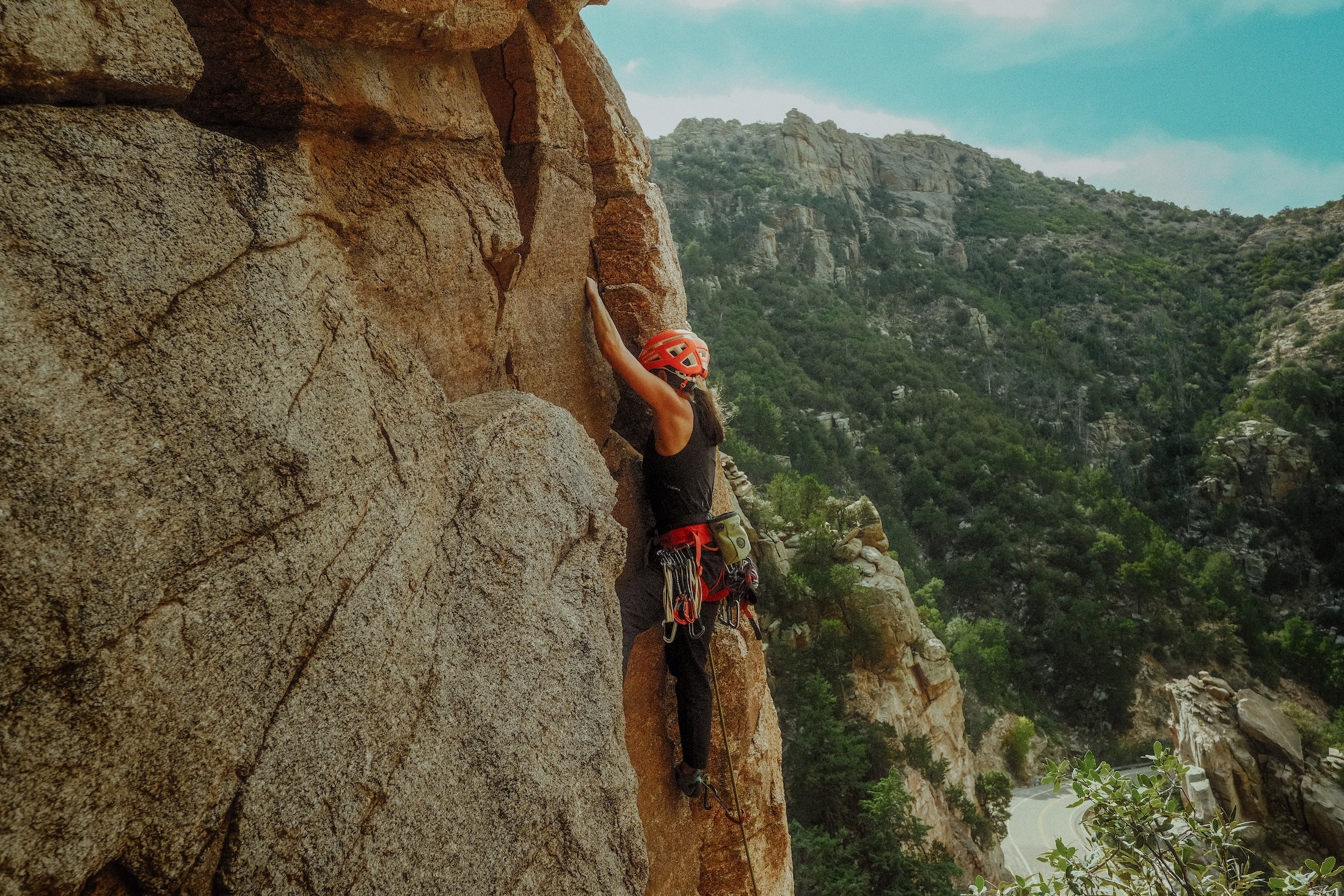
This means that instead of simply following the prescribed path, shorter climbers must meticulously analyze each section of a route, identifying opportunities for high steps, dynamic lunges, or intricate footwork that might not be apparent to someone with a longer reach. The ability to break down complex sequences into a series of smaller, manageable movements becomes paramount.
2. Mastering Essential Techniques: The Drop Knee and Heel Hook
Two fundamental techniques that offer significant advantages to shorter climbers are the drop knee and the heel hook.
The drop knee involves rotating the hip inward and bending the downward-facing knee, allowing the climber to maintain close proximity to the wall and generate greater leverage. This technique effectively shortens the distance between handholds and can make previously out-of-reach grips more accessible. Alison Osius, a former competitive climber and editor, emphasizes that even for climbers of average height, the drop knee can be a crucial tool for conserving energy and maximizing efficiency, particularly when routes are set with longer-limbed climbers in mind.
Heel hooks, on the other hand, utilize the back of the heel to engage holds, allowing the climber to pull their hips closer to the wall. This creates a stable base, frees up the hands for more precise movements, and can be instrumental in maintaining tension on overhanging terrain. The combination of these techniques allows shorter climbers to effectively "shrink" the distance between holds and utilize body tension to their advantage.
3. Embracing Dynamic Movement: The Strategic Dyno
For climbers who can’t quite reach the next hold, a well-executed dyno, or dynamic jump, can be a game-changer. While not every climber is naturally inclined towards dynamic movement, it can unlock new possibilities on the wall. Carlo Traversi, a professional climber who stands at 5’7", advocates for shorter climbers to incorporate dynamic movement into their training.
Context: The evolution of climbing technique has seen a greater acceptance and integration of dynamic movement, particularly in bouldering and sport climbing. What was once considered a risky maneuver is now a recognized and often essential skill for overcoming challenging sequences.
Traversi advises a gradual approach, starting with small dynamic movements on easier terrain or toprecue to build confidence and control. The goal is to increase reach and efficiency by briefly unweighting the feet and propelling oneself towards a distant hold. This can also involve simply reaching for holds that require a significant stretch, rather than a full commitment to a jump, gradually building the confidence and muscle memory for more explosive movements. Michaela Kiersch’s expertise in this area further underscores its importance.
4. The Power of the High Step and Micro-Holds
Beyond dynamic movement, mastering the high step is crucial. This involves placing the foot on a hold significantly higher than the hands, often requiring significant flexibility and calf strength. Matt Samet, a 5’6" climber and former editor, suggests that a dramatic single high step isn’t always necessary. Instead, a series of controlled upward movements on smaller, or "micro," footholds can achieve the same result, allowing the climber to inch their feet higher while maintaining contact with the current handholds.
Implication: This strategy highlights the importance of footwork precision. The ability to utilize even the smallest of footholds effectively can significantly extend a climber’s reach and enable them to ascend routes that might otherwise seem inaccessible. This is where specialized footwear becomes particularly important.
5. Cultivating Exceptional Finger Strength
As Lynn Hill’s quote suggests, raw strength plays a pivotal role. Research by Lattice Training, involving an assessment of over 500 climbers, revealed a correlation between shorter stature and the need for increased finger strength. Their findings suggest that for every 10 centimeters of height difference, finger strength needs to increase by approximately 2.5% to compensate.
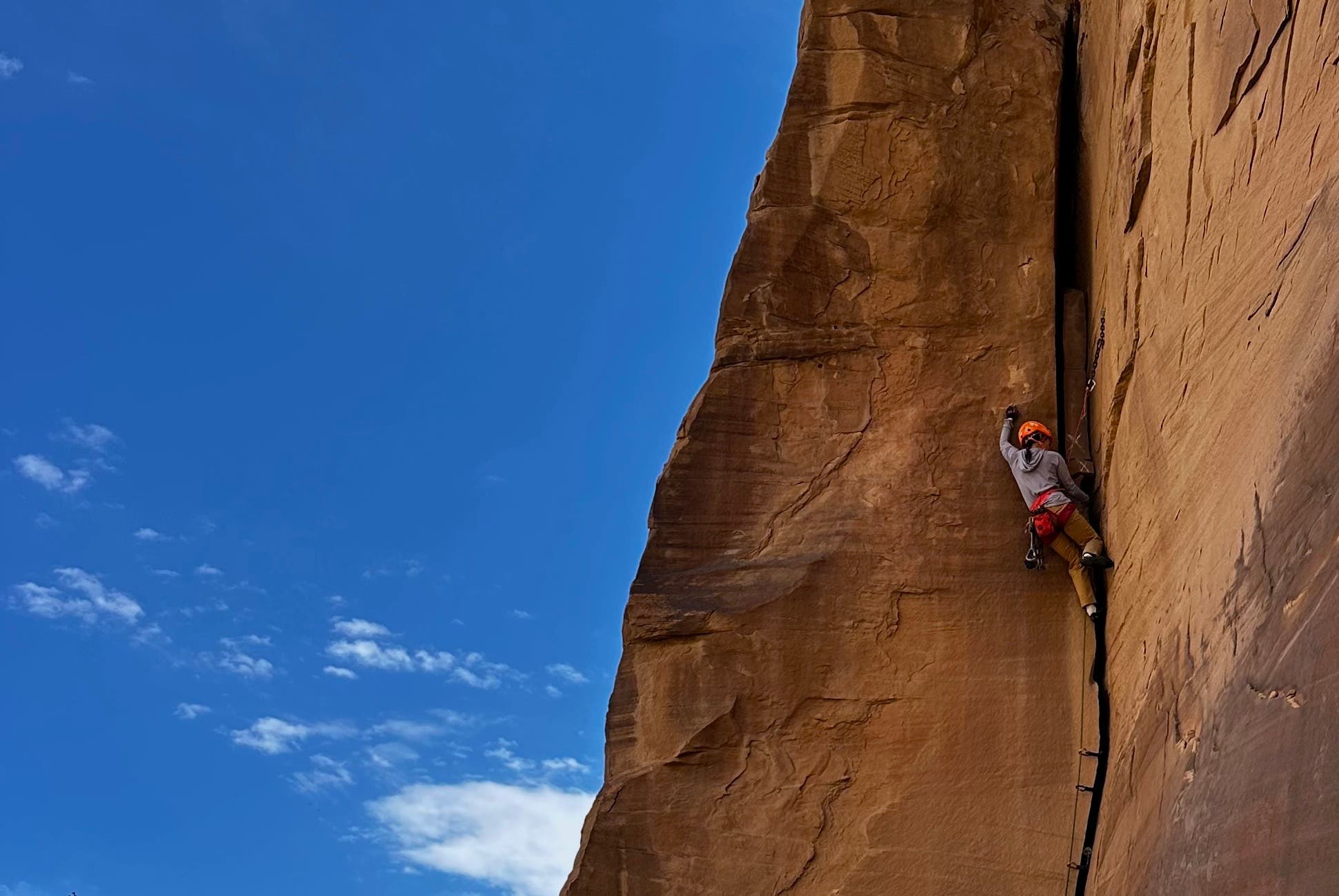
Supporting Data: This implies that a 5’2" climber might need roughly 5% stronger fingers than a 5’9" climber to achieve comparable performance on certain holds, especially smaller ones. This underscores the importance of targeted finger strength training, such as hangboarding, for shorter climbers aiming to reach elite levels.
6. Specializing in Challenging Holds: Embracing the Unconventional
While taller climbers may have the luxury of choosing larger, more comfortable holds, shorter climbers often find themselves needing to adapt to a wider variety of grip types. Katie Lambert, a five-foot-tall climber with a positive ape index, emphasizes the importance of training for smaller, less forgiving holds.
Analysis: This specialization can become a unique advantage. By developing exceptional strength and technique on crimps, slopers, underclings, and pockets – holds that many climbers find challenging – shorter climbers can effectively turn a perceived disadvantage into a niche of expertise. This requires dedicated practice on these specific types of holds, both in the gym and on outdoor routes.
7. Strategic Route Selection: Avoiding "Reachy" Traps
A pragmatic approach for shorter climbers involves a degree of strategic avoidance. Routes described as "reachy" or featuring comments on online platforms like Mountain Project that note difficulty for shorter climbers might be best approached with caution.
Broader Impact: This selective approach not only maximizes the chances of success but also prevents frustration and discourages a narrative of limitation. In the gym, this can translate to choosing routes that are more height-conscientious in their setting, or communicating with route setters to advocate for more diverse beta.
8. The Great Leveler: Embracing Crack and Trad Climbing
Crack climbing and traditional (trad) climbing often present a more equitable playing field for climbers of varying heights. While shorter climbers might need to execute more jams to ascend a crack, the fundamental techniques involved are less reliant on sheer reach.
Timeline/Chronology: The rise of trad climbing as a discipline, dating back to the mid-20th century, has always involved a greater degree of personal equipment placement and route finding, making it inherently adaptable.
In certain crack sizes, such as narrow chimneys, shorter climbers might even find themselves with a distinct advantage due to their ability to fit more snugly into the feature. Furthermore, trad climbing allows climbers to place their own protection, negating the frustration of encountering awkwardly placed bolts set by taller developers. Mary Eden, a renowned crack climber at 5’0", highlights how this control over protection is a significant benefit for shorter climbers, allowing them to avoid dangerous runouts on poorly bolted routes.
9. Efficiency as a Virtue: Maximizing Every Movement
Climbing efficiently is crucial for all climbers, but it takes on added importance for those of shorter stature. Because they may need to make more total moves to ascend a given vertical distance, conserving energy and preventing pump are paramount.
Analysis: This necessitates a focus on fluid movement, precise footwork, and strategic resting. Keeping arms straight when possible, utilizing body tension, and identifying optimal rest positions can significantly extend a climber’s endurance and ability to perform at their limit. The ability to move quickly and decisively between holds, when not hindered by a challenging move, can also be a strategic advantage, as noted by the author’s own observations.
10. Specialized Gear: Bridging the Gap
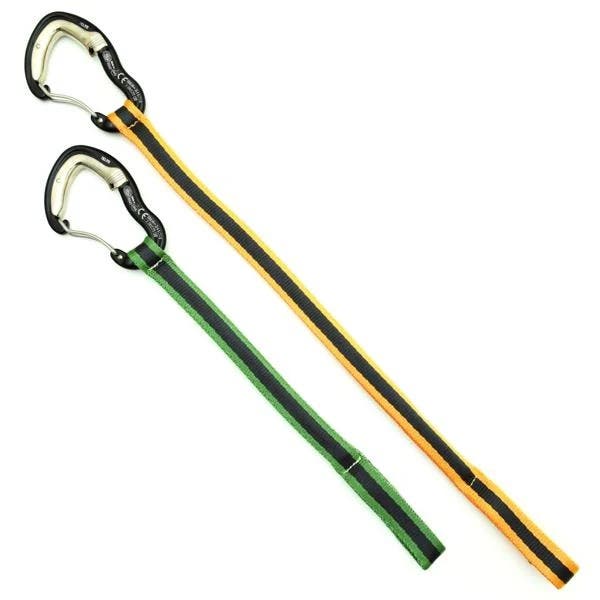
The climbing industry has responded to the needs of shorter climbers with innovative gear solutions designed to extend reach and facilitate easier clipping.
Product Spotlight: The Kong Panic quickdraw is a prime example. Featuring an extra-long and rigid dogbone (the sling connecting the carabiners), it significantly increases the reach for clipping bolts, especially on sport routes. Available in 30cm and 45cm lengths, it can make a critical difference when tackling runout sections or pushing one’s physical limits.
Innovation: Similarly, mid-route stick clips are gaining traction. These specialized tools, designed to be clipped to a harness and used for clipping bolts during a climb, offer an additional layer of reach. Devices like the Magic Wand and newer iterations reviewed by climbing publications, provide a solution for those moments when a bolt is just out of comfortable reach, particularly for the "rope gun" of a group or when projecting a route with a difficult crux bolt.
11. Footwear as an Extension of the Body: The Stiff Climbing Shoe
The choice of climbing shoes can profoundly impact a shorter climber’s performance. As recommended by Matt Samet, a stiffer shoe designed for edging is ideal.
Technical Detail: Stiff shoes provide a more stable platform for standing on small footholds, allowing climbers to power upwards with their calf muscles. This "turbocharges" the foot, effectively extending the climber’s reach and enabling them to utilize micro-holds that might otherwise be inaccessible. Models like the Evolv Zenist Pro, Scarpa Generator Mid, and even a stiffer men’s model like the La Sportiva Katana Lace are cited as examples of footwear that excels in this regard.
12. Mindset and Momentum: The Unseen Advantages
Ultimately, the most powerful tool in a shorter climber’s arsenal is their mindset. While certain routes will undoubtedly be more challenging due to stature, the ability to adapt, innovate, and focus on strengths is key.
Broader Implications: The narrative surrounding short climbers is shifting from one of limitation to one of ingenuity. By embracing their unique physical attributes and employing the strategies outlined above, these athletes are not only achieving remarkable feats but also inspiring a new generation of climbers to challenge conventional assumptions about what it takes to succeed in the vertical world. The climbing community is continually enriched by the diverse talents and perspectives of all its members, proving that the greatest ascents are often achieved not by those with the longest limbs, but by those with the longest reach in determination and skill.