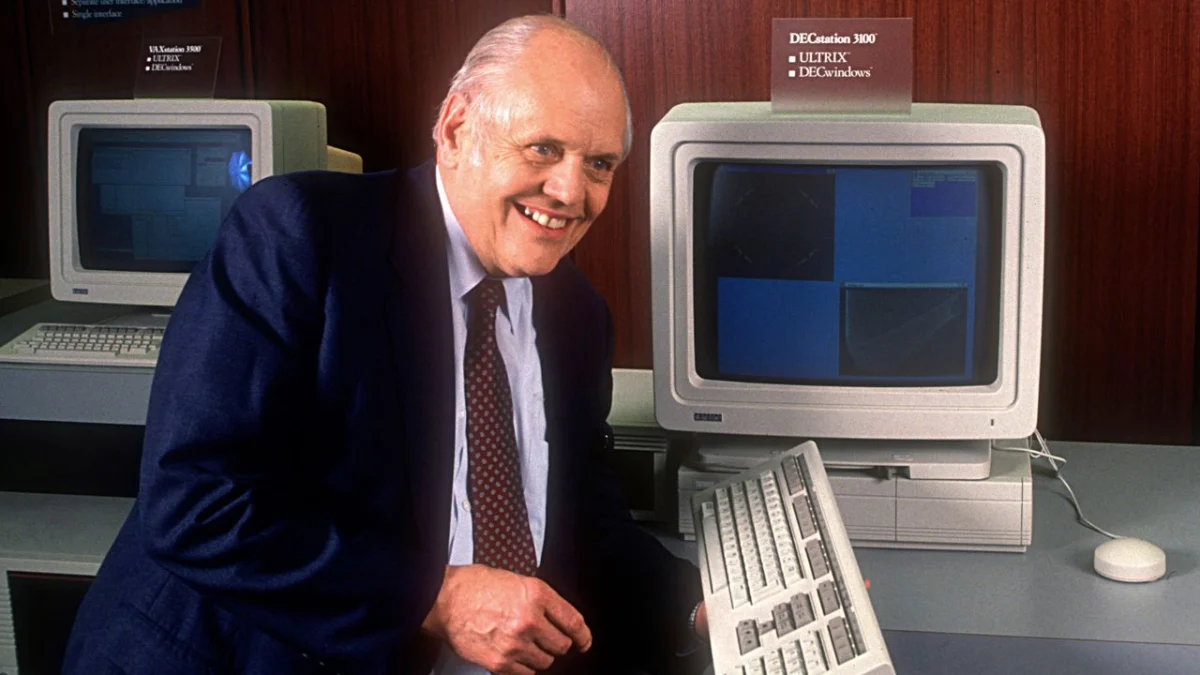
The widespread integration of computing technology into daily life is so profound that most households today possess multiple devices—laptops, desktops, all-in-ones, smartphones, and tablets—making their omnipresence almost unremarkable. Yet, this ubiquitous reality stands in stark contrast to an era when such a vision was far from certain, leading some industry titans to make pronouncements that, in hindsight, appear as monumental miscalculations. Among these, the most frequently cited is the infamous declaration by Ken Olsen, co-founder and then-CEO of Digital Equipment Corporation (DEC), who in 1977 asserted, "There is no reason for any individual to have a computer in their home."
A Visionary Leader in a Shifting Landscape
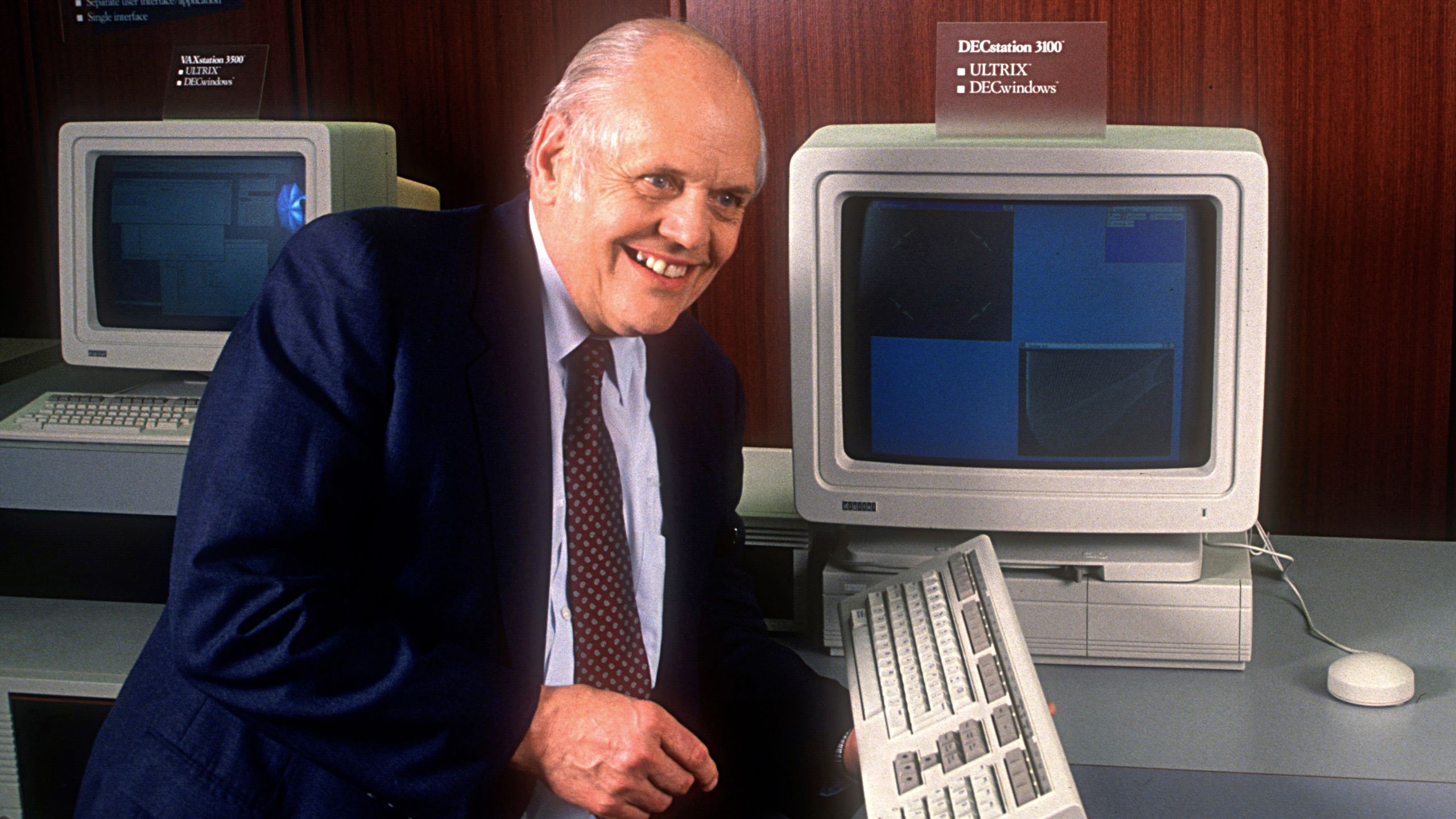
Ken Olsen, born in 1926, was a towering figure in the mid-20th century technology landscape. A graduate of MIT, he co-founded Digital Equipment Corporation in 1957 alongside Harlan Anderson, initially with funding from American Research and Development Corporation (ARDC). DEC quickly rose to prominence, becoming a pioneer in the burgeoning minicomputer market. Unlike the colossal, room-sized mainframes that dominated the early computing era, DEC’s PDP (Programmed Data Processor) series offered smaller, more affordable, and more accessible computing power. The PDP-1, introduced in 1959, was revolutionary, and subsequent models like the PDP-8 (1965) and the VAX (1977) cemented DEC’s position as the second-largest computer company globally, trailing only IBM, by the late 1970s. Olsen’s leadership was characterized by a strong engineering ethos, a focus on innovation, and a paternalistic management style that fostered a loyal workforce. His vision shaped an entire segment of the computer industry, making his comments on home computing all the more striking.
The Computing World in 1977: A Different Reality
To fully appreciate the context of Olsen’s 1977 statement, it is crucial to understand the state of computing at that time. In 1977, computers were predominantly industrial and scientific tools. Mainframes, such as IBM’s System/360 or System/370, were colossal machines costing millions of dollars, requiring specialized, air-conditioned environments and a dedicated team of highly trained operators and programmers. Minicomputers, while smaller and less expensive (tens to hundreds of thousands of dollars), still primarily served businesses, universities, and government agencies. They were not designed for individual consumers; their interfaces were complex, often command-line driven, and their applications were far removed from typical household needs. The concept of a graphical user interface (GUI) was still largely confined to research labs like Xerox PARC, and the internet as we know it was decades away from public access. The idea of an "app" or a user-friendly operating system for the masses was almost unimaginable.
The Infamous Utterance: Context and Controversy
Olsen delivered his now-famous remarks at a convention of the World Future Society in 1977. The precise wording and the context have been subjects of debate for decades. While the widely quoted phrase, "There is no reason for any individual to have a computer in their home," is often attributed to him, Olsen later claimed his words were taken significantly out of context. According to Olsen, he was not dismissing the idea of personal computers as a whole, but rather a specific, futuristic proposal of a "master computer" that would automate various functions around the house. He clarified that he was referring to the impracticality of a single, centralized, complex system managing everything from lighting to grocery orders, which he believed would be prohibitively expensive and difficult to maintain for the average homeowner at the time.
This distinction is critical. In 1977, the nascent personal computer industry was just beginning to emerge, with pioneers like Apple (Apple II, released in 1977), Commodore (PET 2001, also 1977), and Tandy (TRS-80, 1977) introducing machines that, while primitive by today’s standards, offered a glimpse of computing power accessible to individuals. These early personal computers were typically used for programming, games, and basic productivity tasks, rather than comprehensive home automation. Olsen, deeply entrenched in the enterprise computing world, may have genuinely struggled to foresee the mass appeal of these simpler, task-oriented machines, or perhaps he truly was focused on a different, more ambitious, and then-unrealistic vision of home technology.
The Personal Computing Revolution Defies Expectations
Regardless of Olsen’s intended meaning, history swiftly rendered his statement ironic. The late 1970s and early 1980s witnessed an explosion in personal computing. The Apple II, with its color graphics and expandable architecture, became a sensation. The Commodore 64, launched in 1982, went on to become the best-selling single computer model of all time, selling an estimated 17 million units. IBM, initially hesitant, entered the market with the IBM PC in 1981, legitimizing personal computing for businesses and accelerating its adoption.
The trajectory of personal computer sales offers a stark contrast to Olsen’s prediction. In 1977, fewer than 50,000 personal computers had been sold globally. By 1982, annual sales surpassed 2 million units. By the end of the 1980s, tens of millions of PCs were in homes and offices worldwide. This rapid proliferation was driven by decreasing costs, increasing user-friendliness (thanks to advancements in operating systems like MS-DOS and later Windows, and the Macintosh OS), and a growing ecosystem of software for word processing, spreadsheets, and entertainment. The ability to perform practical tasks, educate, and entertain at home proved to be an irresistible combination for consumers, far beyond the enterprise applications Olsen envisioned for DEC’s products.
The Evolution of the "Smart Home" Vision
Olsen’s clarification that he was referring to a "master computer" for home automation touches upon a concept that has indeed taken much longer to materialize: the smart home. While rudimentary attempts at home automation existed even before 1977, the vision of a fully integrated, intelligent home remained largely science fiction for decades. Early efforts were often proprietary, expensive, and lacked interoperability. Homeowners might install automated lighting systems or programmable thermostats, but these rarely communicated with each other or offered a cohesive experience.
The 21st century, however, has seen significant strides. The rise of the Internet of Things (IoT) has provided the fundamental infrastructure for smart home devices to connect and communicate. Affordable sensors, wireless technologies (Wi-Fi, Bluetooth, Zigbee, Z-Wave), and cloud computing have enabled a vast array of smart devices, from intelligent speakers (e.g., Amazon Echo, Google Home) and smart lighting systems to connected thermostats, security cameras, and smart appliances. Market data reflects this growth: the global smart home market, valued at over $100 billion in the early 2020s, is projected to reach several hundred billion dollars by the end of the decade, with millions of new devices being adopted annually. For instance, a 2023 report indicated that over 60% of U.S. households now own at least one smart home device.
Despite this progress, Olsen’s concerns about cost, complexity, and interoperability lingered for many years. The smart home ecosystem remained fragmented, with devices from different manufacturers often unable to seamlessly communicate. This "walled garden" approach hindered widespread adoption and frustrated consumers. However, a significant breakthrough emerged with the introduction of the Matter smart home standard in 2022. Backed by major industry players like Apple, Google, Amazon, and Samsung, Matter aims to create a unified, open-source connectivity standard, allowing devices from different brands to work together effortlessly. This development directly addresses one of the core challenges Olsen implicitly highlighted decades ago, signaling a new era for home automation.
The Broader Implications: Foresight and Disruption
Ken Olsen’s quote and its subsequent debunking by technological progress serve as a potent case study in the challenges of technological foresight and the dynamics of disruptive innovation. Established companies, particularly those dominant in existing markets, often find it difficult to recognize or adapt to emerging technologies that initially appear inferior or irrelevant to their core business. DEC, at its zenith, was a powerhouse in minicomputers, catering to enterprise clients who valued performance, reliability, and specialized solutions. The early personal computers, by comparison, were slow, limited, and seen as toys by many.
This phenomenon aligns with Clayton Christensen’s theory of disruptive innovation, where new technologies or business models initially target niche markets or underserved customers with simpler, cheaper products. Over time, these disruptive innovations improve, eventually challenging and often displacing established market leaders who were too focused on their existing, profitable customer base. DEC’s failure to embrace the personal computer market wholeheartedly, continuing to focus on its minicomputer and workstation lines (like the VAX), contributed significantly to its eventual decline. By the late 1980s and early 1990s, the PC had become powerful enough to handle many tasks previously requiring minicomputers, often at a fraction of the cost. DEC struggled to compete, culminating in its acquisition by Compaq in 1998, a stark end for a company that once defined an entire segment of the computing industry.
Olsen’s statement is often cited alongside other historical misjudgments, such as IBM’s initial dismissal of the personal computer market or Western Union’s rejection of the telephone patent. These anecdotes underscore that even the brightest minds in technology can misjudge the trajectory of innovation, particularly when a paradigm shift is underway. It highlights the human tendency to extrapolate from current realities rather than envisioning entirely new possibilities.
A Legacy of Innovation and a Cautionary Tale
Despite the enduring notoriety of his 1977 statement, Ken Olsen’s legacy remains complex and largely positive. He was an engineering visionary who built a formidable company that played a crucial role in making computing more accessible than mainframes ever could. DEC’s contributions to computer architecture, operating systems (like VMS), and networking were immense and influenced generations of engineers and companies. His focus on creating powerful, reliable machines for scientific and industrial applications was instrumental in advancing various fields.
However, the quote stands as a powerful cautionary tale about the perils of tunnel vision in a rapidly evolving technological landscape. It teaches us that innovation can come from unexpected places, often outside the established norms of industry leaders. It reminds us that the "killer app" or the compelling use case for a new technology may not be immediately apparent, and that consumer desires can diverge wildly from corporate assumptions. The evolution from specialized enterprise mainframes to ubiquitous personal devices and increasingly intelligent homes is a testament to relentless innovation, unforeseen consumer demand, and the transformative power of computing that Ken Olsen, for a moment in time, perhaps failed to fully grasp. The journey from a world where computers were exclusive to enterprises to one where they are an indispensable part of almost every individual’s life is a narrative still unfolding, with new technologies continually pushing the boundaries of what is possible and what is perceived as necessary.