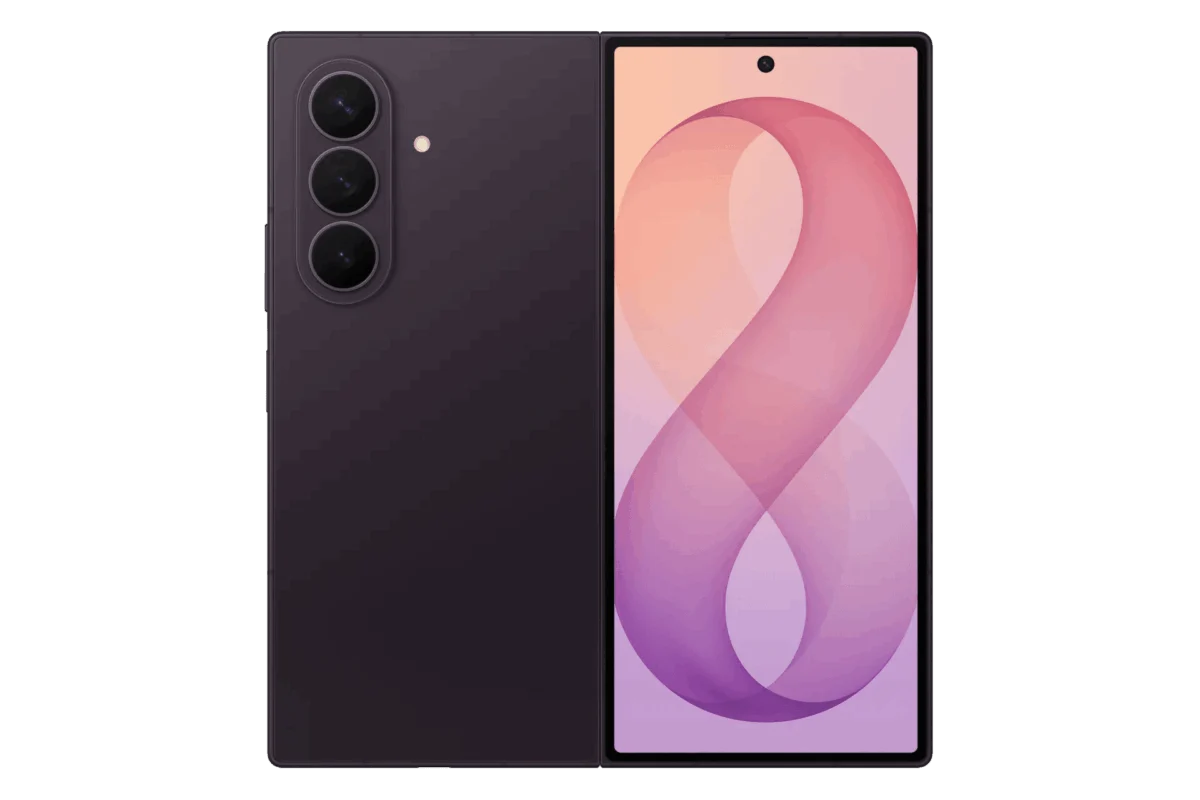
Samsung has officially launched its latest generation of premium foldable smartphones, the Galaxy Z Fold 8 Ultra and the Galaxy Z Fold 8, building upon the significant advancements introduced with last year’s Galaxy Z Fold 7. This year marks a strategic expansion of Samsung’s foldable portfolio, with the introduction of an "Ultra" designation for its top-tier model and, notably, a more accessible standard Galaxy Z Fold 8, aiming to broaden the appeal of foldable technology. Rather than pursuing a radical redesign, Samsung has meticulously refined core aspects of the device, focusing on enhancing the display experience, bolstering the camera system, improving battery longevity and charging speeds, and integrating advanced creative and productivity tools. The result is a more capable and versatile foldable designed for power users, content creators, and professionals alike.
The premium Galaxy Z Fold 8 Ultra enters the market with a starting price of $2,099.99, while the newly introduced Galaxy Z Fold 8 begins at a more approachable $1,899.99. Both models are available across three storage configurations: 256GB, 512GB, and 1TB, catering to diverse user needs for digital content and application storage. This tiered pricing strategy, particularly the introduction of a slightly less expensive Fold 8 alongside the flagship Ultra, signals Samsung’s intent to capture a wider segment of the high-end smartphone market and accelerate foldable adoption.
Evolution of Foldable Design and Durability
The Galaxy Z Fold 8 Ultra continues Samsung’s legacy of pushing the boundaries of foldable design, introducing several key enhancements that contribute to both durability and user experience. A standout innovation is the new "Flex Titanium" display structure. This proprietary design is engineered not only to improve the overall robustness of the inner foldable display but also to significantly reduce the visibility of the crease that has been a characteristic, albeit diminishing, feature of earlier foldable generations. By incorporating titanium into the display’s underlying structure, Samsung aims to deliver a flatter folding area, enhancing both aesthetics and tactile feedback.
In terms of external protection, the Z Fold 8 Ultra upgrades the cover display with Corning Gorilla Glass Ceramic 3, a notable step up from the Gorilla Glass Ceramic 2 featured on the Fold 7. This newer generation of ceramic-infused glass promises superior scratch resistance and drop protection, crucial for a device that frequently interacts with the outside world in its folded state. The rear panel retains the highly durable Corning Gorilla Glass Victus 2, known for its exceptional resilience against drops on rough surfaces. The device’s frame continues to utilize Samsung’s Advanced Armor Aluminum, a material chosen for its strength-to-weight ratio, ensuring the phone remains lightweight yet robust.

Despite these structural enhancements, Samsung has managed to achieve a marginal but significant reduction in the unfolded thickness of the Z Fold 8 Ultra, shaving it down to 4.1mm from the Fold 7’s 4.2mm. While a fraction of a millimeter may seem minor, such refinements in ultra-thin devices represent considerable engineering challenges and contribute to a more svelte and premium feel in hand. The folded thickness remains consistent at 8.9mm, maintaining the device’s compact form factor when closed. Impressively, the weight also stays at 215g, preventing the addition of new features and materials from making the device heavier. These incremental refinements underscore Samsung’s meticulous attention to detail, making the Fold 8 Ultra feel even more sophisticated without altering its fundamental form factor. The device also maintains its IP48 water resistance rating, offering protection against submersion in fresh water, a vital feature for a flagship device.
Pioneering Display Innovations
The visual experience on the Galaxy Z Fold 8 Ultra is elevated through significant display enhancements. Samsung retains the expansive 8-inch Dynamic AMOLED 2X inner display and the convenient 6.5-inch cover display, both of which are central to the foldable’s versatility. The most striking upgrade is the increased peak brightness, with both panels now capable of reaching an impressive 3,000 nits. This substantial boost (up from 2,600 nits on the Fold 7) dramatically improves outdoor visibility, making content legible even under direct sunlight, and enhances the viewing of HDR content with more vibrant highlights and deeper contrast.
As mentioned, the new Flex Titanium display structure plays a crucial role in improving the inner display. Samsung claims this innovation contributes to a noticeably flatter folding area, thereby making the crease less perceptible during use. This refinement addresses one of the primary aesthetic and tactile concerns associated with foldable screens, promising a more seamless visual and touch experience. Both displays continue to support adaptive refresh rates, ranging from an energy-saving 1Hz up to a buttery-smooth 120Hz. This intelligent refresh rate adjustment ensures fluid scrolling, gaming, and video playback when needed, while dynamically conserving battery life during static content viewing.
Furthermore, the main inner display on the Fold 8 Ultra boasts a higher resolution of 2504 x 2256 pixels, a significant upgrade from the Fold 7’s 2184 x 1968. This increased pixel density translates into sharper text, more detailed images, and an overall more immersive viewing experience, especially when leveraging the large screen for productivity or multimedia consumption. The cover display maintains its 2520 x 1080 resolution, ensuring consistency in clarity and detail across both panels.
A Professional-Grade Camera System

One of the most impactful hardware upgrades in the Galaxy Z Fold 8 Ultra is found within its rear camera system, cementing its position as a powerhouse for mobile photography and videography. While Samsung wisely retains the exceptional 200MP main camera, first introduced on the Fold 7 and celebrated for its incredible detail capture and versatile zooming capabilities, the ultra-wide camera receives a monumental upgrade. The previous generation’s 12MP ultra-wide sensor has been replaced with a much larger and more capable 50MP sensor. This represents one of the most significant imaging improvements in this generation, allowing for far greater detail, improved low-light performance, and more creative flexibility in wide-angle shots. The 10MP telephoto camera, offering 3x optical zoom with Optical Image Stabilization (OIS), remains unchanged, continuing to provide excellent capabilities for distant subjects without loss of quality. The cover and inner cameras also remain at 10MP, ensuring high-quality selfies and video calls.
Beyond the hardware, Samsung has significantly expanded the Fold 8 Ultra’s video capabilities. The new 50MP ultra-wide camera now supports 8K video recording, a feature previously limited to the main sensor. This allows users to capture stunningly detailed and expansive cinematic footage, adding a new dimension to mobile filmmaking. The 200MP main camera gains HDR capture capabilities, ensuring a wider dynamic range and more accurate colors even in challenging lighting conditions. Nightography, Samsung’s proprietary low-light photography mode, has also seen further improvements, promising brighter, clearer, and more detailed images in dimly lit environments.
For professional creators, the Fold 8 Ultra introduces the new APV codec for higher-quality video recording, enabling richer color fidelity and better compression. Cine LUT (Look-Up Table) support offers more advanced color grading options directly on the device, empowering users to apply cinematic looks to their footage with greater precision. Additional creator-focused tools like "My FanCam" enhance specialized recording scenarios, while "Dual Recording" remains a highly versatile feature. Dual Recording simultaneously captures video from two cameras at once, allowing users to record from both the front and rear cameras, or from two different rear cameras, providing dynamic perspectives for vlogs, interviews, or capturing reactions.
Unprecedented Performance and Endurance
At the heart of the Galaxy Z Fold 8 Ultra lies Qualcomm’s latest flagship processor, the Snapdragon 8 Elite Gen 5 for Galaxy. This customized variant offers enhanced performance specifically tailored for Samsung’s devices, succeeding the Snapdragon 8 Elite found in the Fold 7. Qualcomm touts substantial performance gains: a 20% increase in CPU performance, a 35% improvement in CPU power efficiency, and a 23% boost in graphics performance, all while consuming 20% less power than the previous generation. These figures translate into a profoundly faster and more responsive user experience, with applications launching quicker, multitasking becoming smoother, and graphics-intensive games running at higher frame rates with greater stability. The improved power efficiency also contributes directly to longer battery life, even with increased processing power.
While RAM configurations remain at 12GB or 16GB, paired with up to 1TB of storage, ensuring ample memory for demanding applications and vast digital libraries, the battery life receives a monumental upgrade. Samsung has significantly increased the battery capacity from 4,400mAh in the Fold 7 to a robust 5,000mAh in the Fold 8 Ultra. This 600mAh boost directly addresses one of the common concerns with foldables – battery endurance – promising extended usage times throughout the day, even with the brighter, higher-resolution displays and powerful processor.

Charging speeds have also seen a welcome improvement across the board. Wired charging capabilities have been upgraded from 25W to a much faster 45W, allowing users to rapidly replenish the larger battery. Wireless charging also sees a bump, rising from 15W to 20W, providing quicker, more convenient power-ups without cables. The device retains Wireless PowerShare, allowing it to wirelessly charge other compatible devices. To ensure sustained peak performance, particularly during intense gaming sessions, video editing, or demanding AI workloads, Samsung has also enlarged the graphite cooling system. This expanded cooling area efficiently dissipates heat, preventing thermal throttling and maintaining optimal processor performance for longer durations.
Intelligent Software and Galaxy AI Integration
The Galaxy Z Fold 8 Ultra ships with the very latest Android 17 operating system, overlaid with Samsung’s refined One UI 9. This combination brings a suite of cutting-edge features, most notably an expanded array of Samsung’s "Galaxy AI" capabilities, meticulously optimized for the unique foldable form factor.
Among the new AI additions are "Now Brief," an intelligent feature designed to deliver personalized, contextual information and summaries throughout the day, adapting to the user’s schedule and interests. "Now Nudge" provides contextual AI suggestions based on user activity, proactively offering assistance or relevant information without explicit prompts. These features leverage the large inner display to present information efficiently and intuitively. Furthermore, "Gemini Intelligence" integration has been significantly expanded across Samsung’s ecosystem of applications, enhancing capabilities ranging from advanced search to content creation and smart suggestions.
Samsung has also introduced an "AI Assistant Activity dashboard," providing users with greater transparency and control over their AI-generated actions. This dashboard allows users to review how AI features are being utilized and offers granular control over privacy settings, all safeguarded by Samsung Knox, the company’s robust security platform. Many of these AI and software enhancements are specifically tailored to maximize the utility of the Fold’s expansive inner display, making multitasking, productivity, and content creation more seamless and powerful on a foldable device than on traditional smartphones. The ability to run multiple apps side-by-side with AI assistance for summarization or information retrieval positions the Fold 8 Ultra as a formidable tool for professional users.
Strategic Implications and Market Position

The launch of the Galaxy Z Fold 8 Ultra and the standard Galaxy Z Fold 8 underscores Samsung’s unwavering commitment to leading the nascent yet rapidly growing foldable smartphone market. By introducing an "Ultra" variant, Samsung solidifies its position at the absolute premium end, targeting users who demand the very best in technology, performance, and durability. The simultaneous launch of a slightly more "affordable" Galaxy Z Fold 8 (though still a premium device) indicates a strategic move to make foldable technology more accessible, thereby accelerating market penetration and adoption.
Samsung has been at the forefront of the foldable revolution since the original Galaxy Fold, navigating initial challenges and steadily refining the technology. The Z Fold 8 series represents the culmination of years of iterative improvements, addressing concerns about durability, creasing, battery life, and camera performance that plagued earlier generations. The competitive landscape for foldables is intensifying, with players like Google (Pixel Fold) and several Chinese manufacturers (Huawei, Honor, OnePlus, Xiaomi) entering the fray. However, Samsung’s head start, established supply chain, and deep understanding of the foldable form factor give it a significant advantage.
The Z Fold 8 Ultra’s target audience is likely professionals, power users, and content creators who can fully leverage its expansive display, advanced camera system, and integrated AI features for enhanced productivity and creative output. The Z Fold 8, while still premium, might appeal to a broader segment of early adopters who desire the foldable experience without the absolute top-tier price point of the Ultra. Samsung’s continuous investment in R&D, as evidenced by the Flex Titanium and significant camera/battery upgrades, signals a long-term vision for foldables as a mainstream smartphone category. This new generation of devices is poised to further cement Samsung’s leadership and drive innovation across the broader mobile industry.