The dream of owning an electric vehicle is becoming increasingly accessible, not just through the purchase of new models, but also through the ingenuity of enthusiasts transforming aging gasoline-powered cars into electric machines. What was once a prohibitively expensive and complex undertaking, requiring specialized engineering and significant financial investment, is now within reach for a growing number of car lovers. This democratization of EV conversion is driven by a burgeoning market of readily available, modular parts that, with a moderate degree of effort and technical aptitude, can be integrated into classic vehicles. While luxury conversion specialists continue to offer bespoke, multi-million dollar projects, a parallel movement is gaining momentum, empowering individuals to breathe new life into their beloved, yet ailing, classic cars.
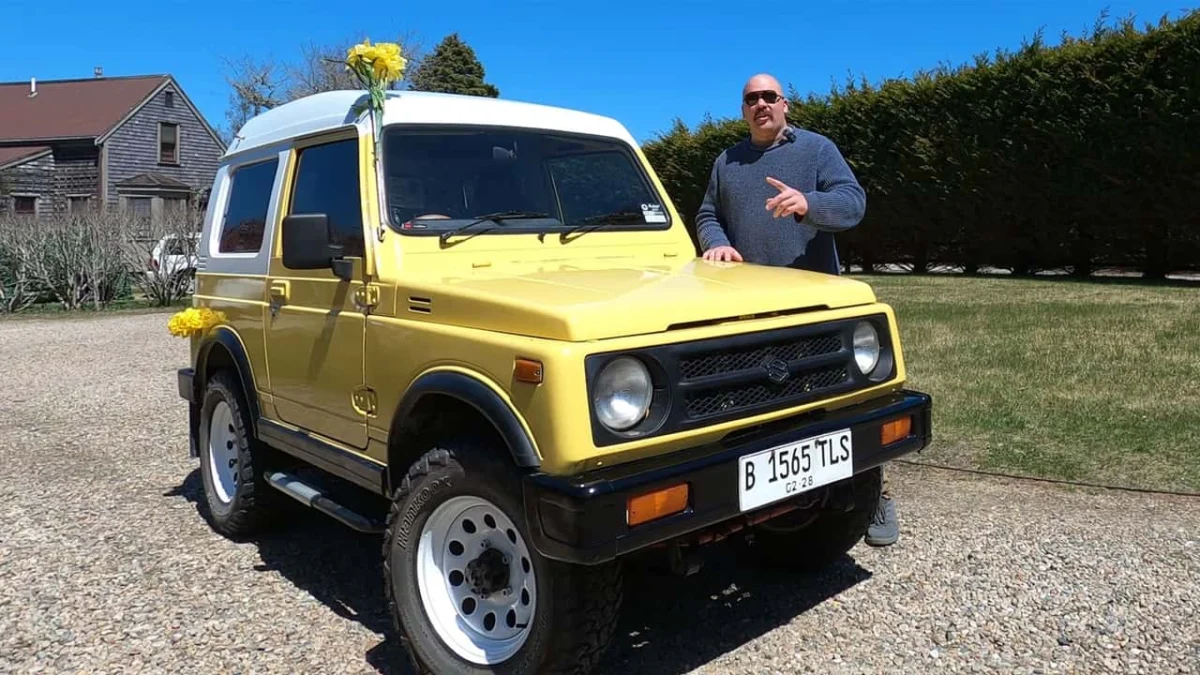
This trend is vividly illustrated by the recent project undertaken by YouTuber "Life of Troy," who successfully converted his 1996 Suzuki Jimny, a model briefly known in the United States as the Suzuki Samurai, into a fully electric vehicle. The vehicle, imported from Indonesia, presented a classic dilemma for its owner: a beloved classic facing costly and recurring mechanical issues. The final straw for Troy was a blown head gasket on the original 1.0-liter four-cylinder engine, a problem that had afflicted the car twice during his ownership. This recurring expense and inconvenience spurred an unexpected shift in perspective, leading him to explore the burgeoning world of EV conversion.
The result is a testament to the practicality and affordability of modern EV conversion components. In a remarkable feat of DIY engineering, Troy’s Suzuki Jimny was resurrected under electric power in a mere five days, with a total expenditure of less than $5,000. This project stands out not for its opulence or cutting-edge technology, but for its deliberate simplicity and cost-effectiveness. Troy’s primary objective was to create a functional, low-speed vehicle for local errands and town driving, a goal that this minimalist conversion achieves with remarkable success.
The Technical Transformation: Simplicity and Affordability
The original 1.0-liter engine in the Suzuki Jimny produced a modest 45 horsepower, a figure that, while adequate for its time, is dwarfed by the torque characteristics of electric motors. Troy’s conversion involved the complete removal of the internal combustion engine. In its place, a 72-volt direct current (DC) motor from D&D Motor was installed. Crucially, this motor was directly bolted to the vehicle’s original five-speed manual transmission using a custom adapter plate. While the electric motor itself delivers a modest nine horsepower, it compensates with a more significant 65 pound-feet of torque. The motor’s retail price of $929 underscores the accessibility of this approach.
Integral to the electric powertrain is a 500-amp controller, which manages the flow of power from the battery to the motor. This component, priced at $815, was strategically mounted under the hood, alongside a DC-to-DC converter sourced from eBay, a common platform for affordable automotive electronics. The energy source for this new electric heart is a 105-amp-hour lithium-iron-phosphate (LiFePO4) battery. Notably, this battery was originally designed for golf carts, highlighting the versatility and adaptability of repurposed components in EV conversions. The battery pack has been ingeniously placed in the rear of the vehicle, occupying the space formerly held by the gasoline tank. This placement optimizes weight distribution and preserves cabin space.
Performance and Practicality: A Realistic Range for Daily Use
The chosen battery configuration provides the Suzuki Jimny with a realistic driving range of approximately 20 to 30 miles on a full charge. This range, while modest by contemporary EV standards, is perfectly suited for Troy’s intended use of the vehicle for short trips and urban commuting. The current battery capacity, priced at around $1,900, is identified by Troy as the primary limitation to the car’s overall usability. However, he also notes the inherent flexibility of the system, stating that additional battery capacity can be easily added in the future, allowing for an expanded range should his needs evolve.
Charging the battery is a straightforward affair, accomplished via a standard 120V outlet. A full charge typically takes approximately five hours, a duration that aligns with overnight charging practices common among electric vehicle owners. The absence of a clutch in the new setup is a notable simplification, although all the original gears remain functional. The vehicle’s original lack of vacuum-assisted brakes further streamlined the conversion process, as it eliminated the need to integrate a vacuum pump, a common requirement for many braking systems. In terms of performance, Troy reports achieving speeds of up to 50 miles per hour, a figure that closely approximates the Jimny’s original quoted maximum speed, demonstrating that the electric conversion has not significantly compromised its original driving dynamics for its intended use.
A Growing Movement: Empowering Enthusiasts
Life of Troy’s project is not an isolated incident; it represents a growing wave of DIY EV conversions that are making classic car ownership more sustainable and enjoyable. The comment sections of his videos are frequently populated with individuals sharing their own successful conversions of ATVs, golf carts, and other small vehicles. These personal accounts consistently highlight how EV technology has dramatically improved the usability and practicality of these older machines, often at a fraction of the cost of a new vehicle or a professional conversion.
The availability of specialized adapter plates, readily sourced DC motors and controllers, and adaptable battery solutions has lowered the barrier to entry for such projects. This burgeoning ecosystem of parts and information empowers individuals to take on complex automotive transformations that were previously the exclusive domain of highly skilled professionals. The financial investment required for these DIY conversions is often significantly lower than for commercially available EVs, making electric mobility an attainable goal for a broader demographic.
The Wider Implications: Sustainability and Nostalgia
The trend of DIY EV conversions carries significant implications beyond individual hobbyists. It contributes to the broader goal of reducing automotive emissions by extending the lifespan of existing vehicles. Instead of ending up in junkyards, classic cars can be repurposed, reducing the demand for new manufacturing and its associated environmental impact. This approach aligns with principles of circular economy and sustainable consumption.
Furthermore, these conversions allow owners to preserve and enjoy vehicles that hold sentimental value. For many, classic cars represent not just a mode of transportation, but a connection to personal history, cultural heritage, and cherished memories. By making them electric, owners can continue to experience the joy of driving these iconic machines without the environmental guilt or the escalating costs associated with maintaining aging combustion engines.
The accessibility of these conversion kits also fosters a sense of community and shared learning among automotive enthusiasts. Online forums, social media groups, and video platforms serve as vital hubs for sharing knowledge, troubleshooting challenges, and celebrating successes. This collaborative spirit is accelerating the development and refinement of conversion techniques, making the process even more accessible and efficient.
The Future of Classic Car Electrification
As the technology continues to advance and the cost of EV components further declines, the landscape of classic car ownership is poised for a significant transformation. Projects like Life of Troy’s Suzuki Jimny demonstrate that electrifying a classic vehicle doesn’t have to be an extravagant affair. It can be a practical, affordable, and deeply rewarding endeavor. This movement is not only about sustainability; it’s about innovation, passion, and the enduring appeal of classic automobiles, ensuring that these beloved machines continue to grace our roads for generations to come, albeit with a cleaner, quieter, and more modern heartbeat. The ongoing development of more powerful, efficient, and cost-effective electric powertrains and battery technologies promises even more exciting possibilities for the future of classic car electrification.