The landscape for PC modding enthusiasts has shifted dramatically as Rockstar Games recently updated its official community guidelines, imposing rigorous new restrictions on how players and developers can modify the company’s storied library of titles. As anticipation for the arrival of Grand Theft Auto 6 continues to build, these updated policies—which clarify the boundaries between creative expression and intellectual property protection—have sent ripples through a community that has historically thrived on the ability to alter and expand upon Rockstar’s open-world environments.
Understanding the New Regulatory Framework
The updated modding policy, hosted on the official Rockstar Games website, functions as a set of guardrails designed to standardize how third-party content interacts with the developer’s proprietary software. The primary focus of these restrictions centers on the preservation of Rockstar’s "established continuity." Under the new rules, modders are explicitly prohibited from modifying or expanding upon official storylines, missions, and character arcs.
Beyond narrative integrity, Rockstar has tightened the technical restrictions as well. The policy strictly forbids the integration of assets, characters, or maps from one Rockstar title into another. This effectively bans the popular "crossover" modding scene that has long been a staple of the PC gaming community, where players could, for instance, import the world of Red Dead Redemption into the engine of Grand Theft Auto V.
Furthermore, the guidelines prohibit any modifications that attempt to force Rockstar titles to run on hardware platforms where they have not been officially released. This serves as a defensive measure against unofficial porting projects, which have occasionally drawn the ire of major developers due to copyright concerns and quality control issues.
Protecting Intellectual Property and Brand Identity
Perhaps the most significant change for the wider creative community is the prohibition of third-party intellectual property within mods. Rockstar has explicitly banned the inclusion of protected elements belonging to other entities, including music, art, logos, and real-world brands.
For decades, the "meme-ification" of video games has been a cornerstone of the modding community. From replacing standard vehicles with recognizable branded cars to introducing characters from pop-culture franchises like Shrek or Star Wars, these mods have served as a form of digital fan art. By enforcing these new rules, Rockstar is signaling a move toward a more sanitized and legally defensible environment, likely to protect its brand identity as it prepares for the immense commercial launch of its next major title.
The Evolution of Rockstar’s Relationship with Modders
To understand the weight of these new guidelines, it is necessary to examine the long and often complicated history between Rockstar Games and the modding community. For years, the company maintained a relatively hands-off approach, allowing the PC modding scene to keep its older titles, such as Grand Theft Auto: San Andreas, relevant long after their original release dates.
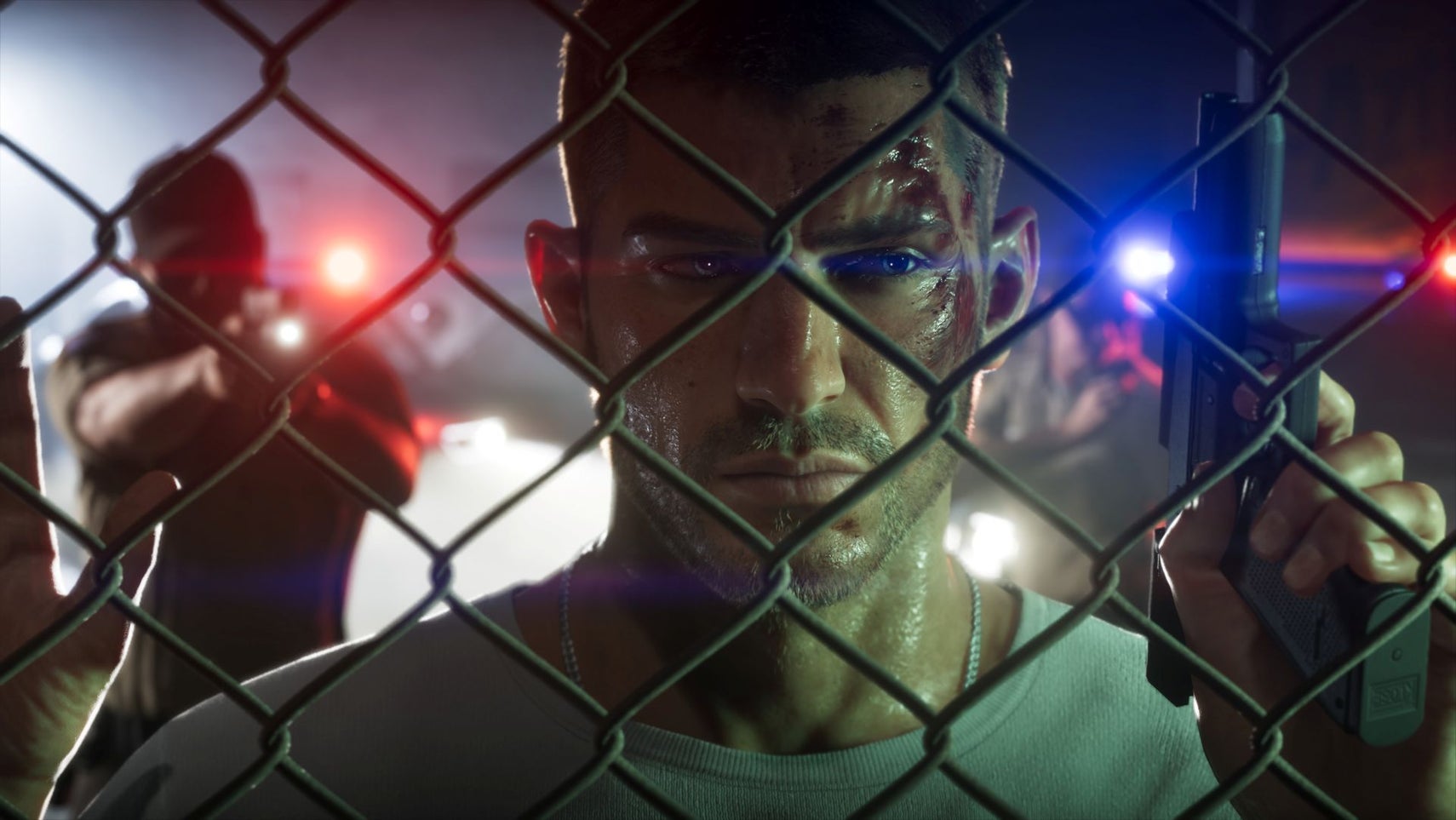
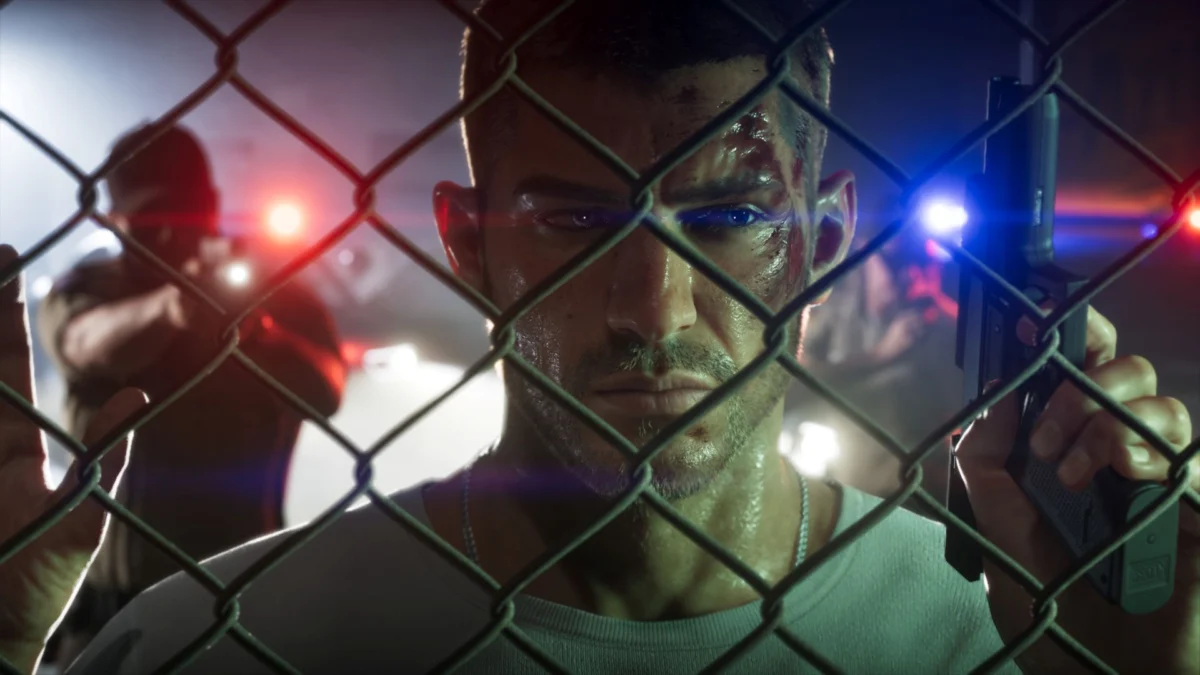
However, the turning point arguably arrived with the runaway success of Grand Theft Auto Online. As the game became a massive revenue engine for Take-Two Interactive, Rockstar became increasingly protective of its multiplayer ecosystem. The rise of unauthorized "Roleplay" (RP) servers—where players used custom clients to create scripted social experiences—initially existed in a legal gray area. While Rockstar at first attempted to curb these projects, it eventually shifted strategy by acquiring the team behind FiveM and RedM, the most prominent platforms for GTA V roleplaying, effectively bringing the movement under its corporate umbrella.
Analysis of Implications for the Modding Ecosystem
The broader implications of these guidelines are substantial. For the average user, the "wild west" era of modding—where nearly any modification was fair game—is likely coming to a close.
- Monetization and Commercialization: By explicitly prohibiting the monetization of mods outside of official channels, Rockstar is ensuring that it maintains total control over revenue streams. This aligns with the company’s recent efforts to integrate its own Creator Platform, which provides a sanctioned pathway for creators to distribute content without violating intellectual property laws.
- The "GTA 6" Effect: As the industry turns its gaze toward Grand Theft Auto 6, these rules establish a baseline expectation. The developer is clearly aiming to prevent the "fragmentation" of its next flagship title. By keeping the modding community within a tightly defined box, Rockstar can ensure that the "official" version of the game remains the primary experience for the vast majority of its massive player base.
- The Deterrence Factor: While the guidelines are technically "community resources," they carry the implied weight of legal enforcement. The specificity of the language—prohibiting everything from real-world locations to unauthorized music—gives the company a clear legal framework to issue cease-and-desist orders to any projects that stray too far from the new, stricter mandates.
Official Stance and Community Reaction
Rockstar Games has framed these updates as a necessity for maintaining a "fun, creative, and welcoming place." The guidelines emphasize that while they encourage creativity, that creativity must not come at the expense of player safety or corporate interests. The company’s stance against harassment, abuse, and threats within modded communities serves as a non-controversial, yet firm, reminder that the developer intends to monitor these spaces more closely than in the past.
Despite the restrictions, the company is not entirely shutting the door on creators. By promoting its official Creator Platform, Rockstar is attempting to pivot the community toward a model that is mutually beneficial. This allows the developer to vet content, ensure technical stability, and keep the game’s ecosystem within its own servers, rather than allowing third-party tools to create potentially unstable or legally problematic versions of their games.
Broader Industry Context
Rockstar’s move is part of a larger trend among AAA game developers. As games become more "live-service" oriented and reliant on persistent online connectivity, the autonomy once granted to PC modders has increasingly been curtailed. Companies like Activision, Electronic Arts, and Ubisoft have similarly tightened their grip on how their software is modified, citing concerns over cybersecurity, fair play, and long-term brand health.
In the case of Grand Theft Auto, the transition is particularly jarring because of the outsized role that mods played in the longevity of GTA V. Without the community-driven RP servers and graphical overhauls, GTA V might not have maintained its top-tier status on platforms like Twitch for over a decade. By imposing these restrictions now, Rockstar is effectively betting that its upcoming content pipeline will be strong enough to sustain player interest without relying on the unpredictable nature of community-created modifications.
Conclusion: A New Era of Control
As the gaming industry approaches the release of Grand Theft Auto 6, the divide between the "official" experience and the "modded" experience is becoming more defined. Rockstar Games is clearly prioritizing the stability and brand integrity of its most valuable asset. While the modding community will undoubtedly find ways to innovate within these new, narrower constraints, the era of unbridled, cross-franchise chaos is effectively coming to an end.
The success of this strategy will ultimately depend on whether Rockstar’s official offerings—such as its upcoming RP server integration and future content updates—can satisfy the creative hunger of its fanbase. For now, the message is clear: the sandbox is open, but the walls have been built, and the rules of engagement have been permanently altered.