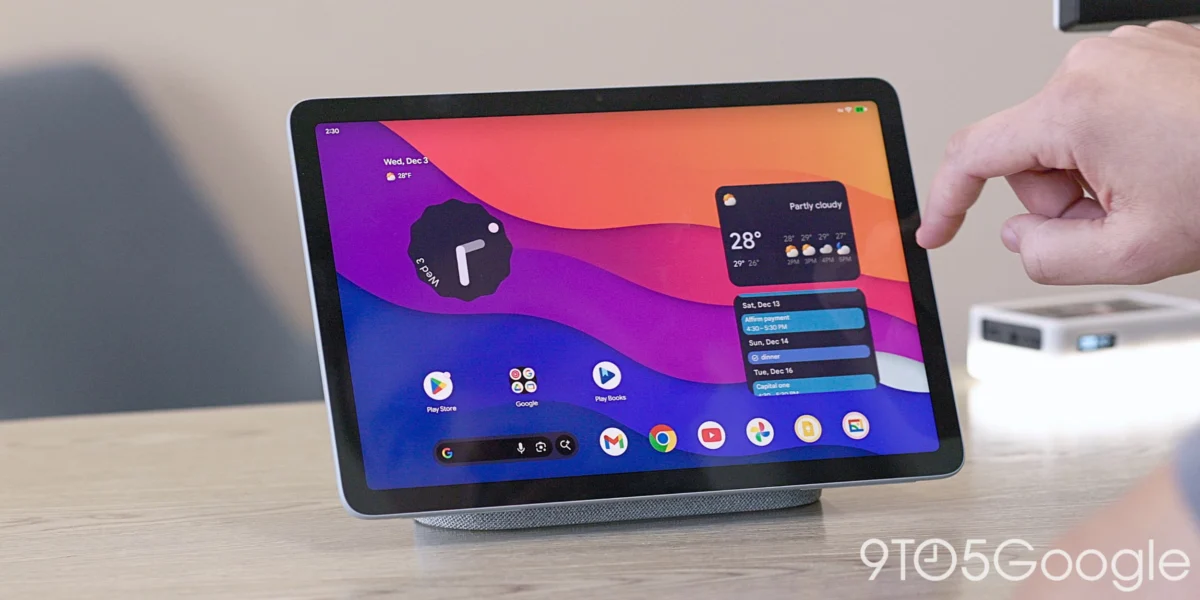
The Google Pixel Tablet, once envisioned as the centerpiece of a unified home ecosystem, has reached the end of its commercial lifecycle. In a quiet but definitive move, Google has removed the device from its official online store, effectively concluding its tenure as the company’s primary hardware offering in the tablet category. While the product had already been marked as out of stock following a cessation of sales in late August 2026, the recent removal of its dedicated landing page signifies a total withdrawal from the market.
This decision marks a notable pivot for Google, which had sought to bridge the gap between portable mobile computing and stationary smart home utility. As the page now redirects users to the Google Store homepage, it serves as a final punctuation mark on a hardware experiment that encountered significant market headwinds.
A Chronology of the Pixel Tablet Lifecycle
The journey of the Pixel Tablet was characterized by high expectations and a unique conceptual identity. Unveiled during the Google I/O developer conference in May 2023, the device was designed to address a persistent critique of tablets: that they often sit idle for hours at a time. By bundling the slate with a Charging Speaker Dock, Google transformed the tablet into a pseudo-Nest Hub when not in active use, a "hybrid" approach intended to provide year-round utility.
Despite the novelty of its "dock-and-go" design, the device faced a complex market landscape. Below is a timeline of its progression:
- May 2023: Google officially announces the Pixel Tablet at I/O, highlighting its integration with the Google Home ecosystem and the proprietary Charging Speaker Dock.
- June 2023: The Pixel Tablet becomes available for purchase, garnering mixed reviews that praised the hardware design but criticized certain software limitations and the lack of a high-refresh-rate display.
- 2024: Rumors regarding a second-generation model begin to circulate, with reports suggesting significant upgrades including a 120Hz display and advanced output capabilities.
- November 2024: Industry reports emerge indicating that the development of a successor, often referred to as the Pixel Tablet 2, has been canceled due to profitability and strategic shifts within the Google hardware division.
- August 2026: Google ceases all direct sales of the device. Inventory across third-party retailers, including Amazon, rapidly depletes.
- January 2026: Google confirms a software support roadmap, promising to provide Android OS updates through 2028, ensuring longevity for current users.
- February 2026: The official listing is scrubbed from the Google Store, signaling the final phase of the product’s lifecycle.
Technical Specifications and Market Positioning
At the time of its release, the Pixel Tablet was positioned as a premium-midrange device. It featured the Google Tensor G2 processor, the same chip found in the Pixel 7 series, which provided robust AI capabilities for voice recognition and photo processing. The hardware was encased in a nano-ceramic finish, providing a unique texture that distinguished it from the aluminum or plastic shells of competitors like the Apple iPad or Samsung Galaxy Tab.
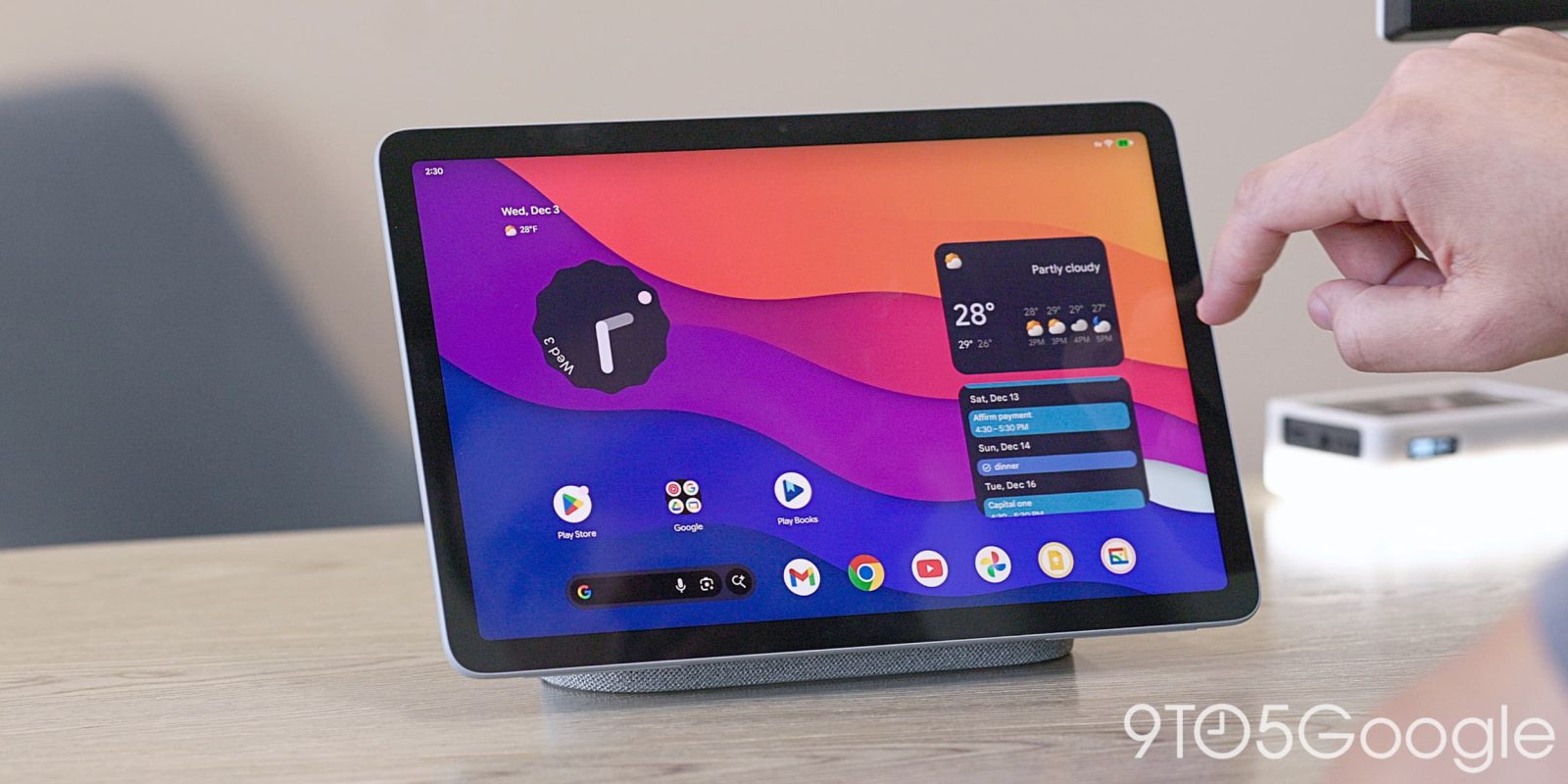
However, the tablet’s technical limitations—specifically the 60Hz display refresh rate and the absence of certain professional-grade multitasking features—meant that it struggled to compete with tablets explicitly marketed for productivity. While it excelled as a media consumption device and a smart home controller, it failed to capture the professional user base that often dictates long-term success in the tablet market.
Data regarding the device’s market share remained relatively modest throughout its run. According to industry analysts, while the Pixel Tablet saw an initial surge of interest among Google hardware enthusiasts, it never achieved the sustained sales velocity required to justify a multi-generational product roadmap. The decision to cancel subsequent iterations, including a rumored third-generation model slated for 2027, suggests that Google’s hardware division opted to prioritize resource allocation toward other categories, such as the Pixel phone lineup and wearable technology.
The Implications of the Discontinuation
The removal of the Pixel Tablet from the Google Store carries several implications for the broader Android tablet ecosystem and the company’s smart home strategy.
First, the move underscores the difficulty of establishing a "hybrid" product category. By attempting to serve both tablet and smart display markets, the Pixel Tablet occupied a middle ground that arguably diluted its value proposition for consumers seeking a pure-play tablet experience. Users who wanted a dedicated smart display could often find cheaper, purpose-built alternatives, while those seeking a high-performance tablet often gravitated toward hardware with more advanced displays and peripherals.
Second, the discontinuation reflects a broader trend within Google’s hardware strategy: a move toward greater focus and refinement. By shelving the tablet, Google is consolidating its efforts around the Pixel phone and its growing ecosystem of AI-integrated devices. This shift appears to be a response to changing market conditions, where profitability and clear product differentiation have become more critical than diversifying into every possible hardware form factor.
Finally, for existing owners, the announcement provides a degree of certainty regarding long-term support. By publicly committing to software updates through 2028, Google is mitigating the "e-waste" concerns that often arise when a company abruptly cancels a product line. This ensures that the devices currently in circulation will remain secure and functional for several more years, even as they fade from the retail landscape.

Future Outlook: What Comes Next?
While Google has exited the tablet market for the time being, the technology developed for the Pixel Tablet—specifically the ambient computing features and home control interfaces—will likely continue to live on in other products. The integration of Google Assistant and the "Home" interface remains a pillar of the company’s strategy, and these software elements are already being migrated to other devices, including the Pixel Phone’s various "at a glance" and dashboard modes.
The cancellation of the second and third-generation tablets also highlights the volatility of the consumer electronics sector. Even a company with the resources of Google must balance innovation with market realities. The Pixel Tablet, while not a commercial success in the traditional sense, served as a proof-of-concept for how a device can bridge the gap between stationary and mobile utility.
For now, the absence of the Pixel Tablet leaves a void in the Google-branded hardware portfolio. Whether Google chooses to re-enter this space in the future with a different strategy remains an open question. For the moment, however, the era of the Pixel Tablet has come to a close. As of today, the only remnants of the product on the Google Store are a limited selection of accessories, serving as a final nod to a device that, while short-lived, represented a bold attempt to redefine the role of the tablet in the modern home.
The company has not provided a formal statement on the discontinuation beyond the update to its store pages, maintaining a focus on its current product lineup. Consumers interested in similar functionality are now being directed toward the company’s existing Nest smart home ecosystem, which continues to evolve, albeit without a dedicated slate as the primary hub. As the tech industry observes this withdrawal, it serves as a reminder that even the most well-integrated hardware concepts must prove their worth in a highly competitive and discerning market.